Maryland
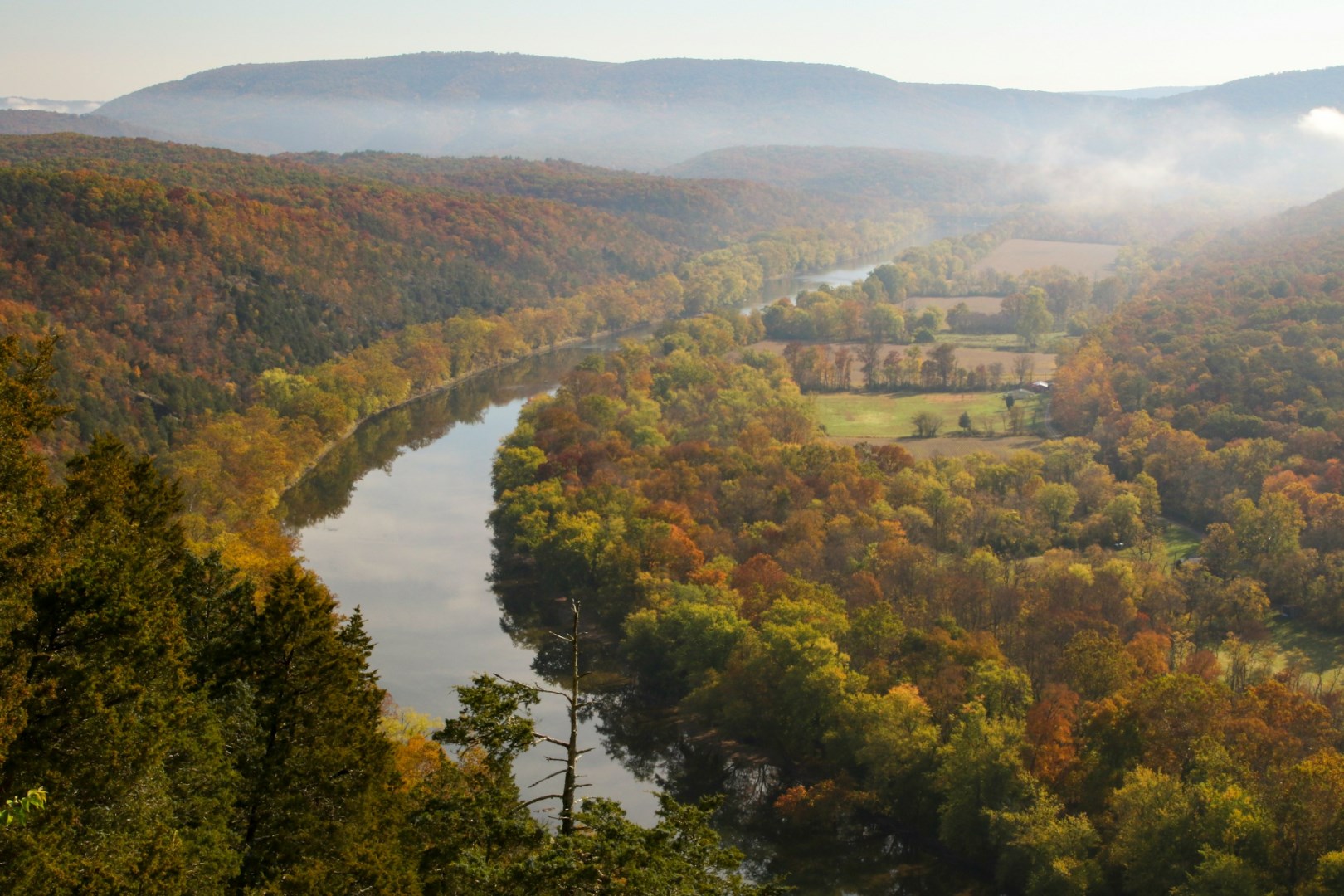
Maryland, a state rich in history and natural beauty, offers a diverse array of experiences for visitors. The city of Baltimore, with its vibrant Inner Harbor, serves as a cultural hub. The National Aquarium, featuring marine life from around the globe, is a highlight, while the nearby National Great Blacks in Wax Museum offers a profound look into African American history.

Holyhead
Holyhead, a charming port town located on the Isle of Anglesey in Wales, serves as a gateway to the stunning landscapes of North Wales and beyond. Known for its bustling ferry terminal, Holyhead connects Wales with Ireland, making it a convenient starting point for cross-border travel.
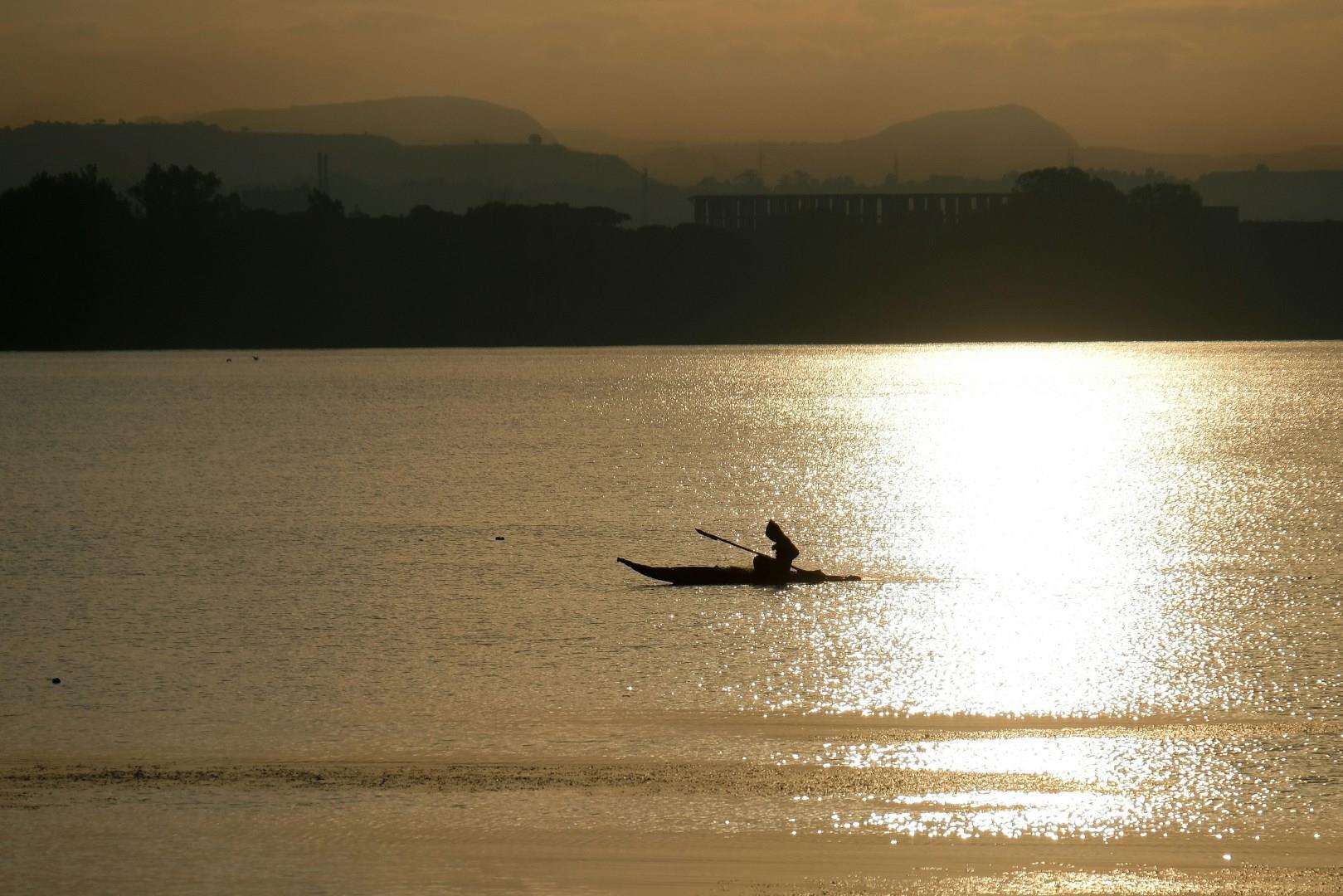
Lake Tana
Lake Tana, located in the northwest of Ethiopia, is the country’s largest freshwater lake and the source of the Blue Nile. Its calm waters are dotted with more than 30 islands, many of which are home to ancient monasteries adorned with religious paintings and manuscripts.

Alsace
Nestled in the northeastern corner of France, Alsace is a region that enchants with its picturesque villages, half-timbered houses, and vibrant blend of French and German cultures. Renowned for its scenic vineyards, Alsace's Route des Vins (Wine Route) stretches over 170 kilometers, winding through charming medieval towns like Riquewihr, Colmar, and Eguisheim.
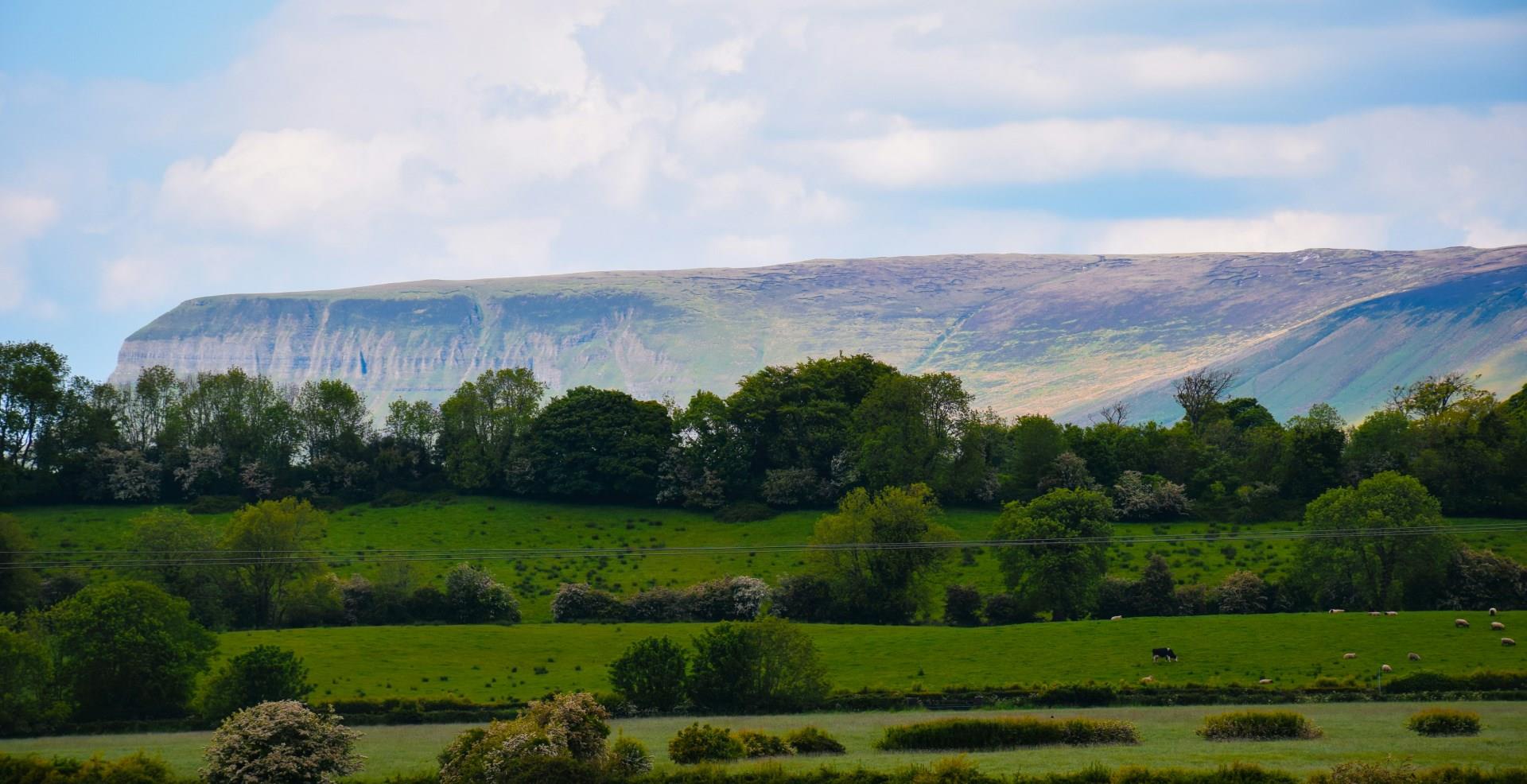
Sligo
Sligo, a coastal town in the northwest of Ireland, is known for its rugged landscapes, literary heritage, and vibrant cultural scene. Nestled between mountains and the Atlantic Ocean, it has long inspired poets and writers, most famously W.B. Yeats, whose presence still echoes through the town’s galleries, libraries, and walking trails. Sligo’s charm lies in its mix of natural beauty and creative energy, where the rugged countryside meets lively streets full of music and arts.