Melbourne
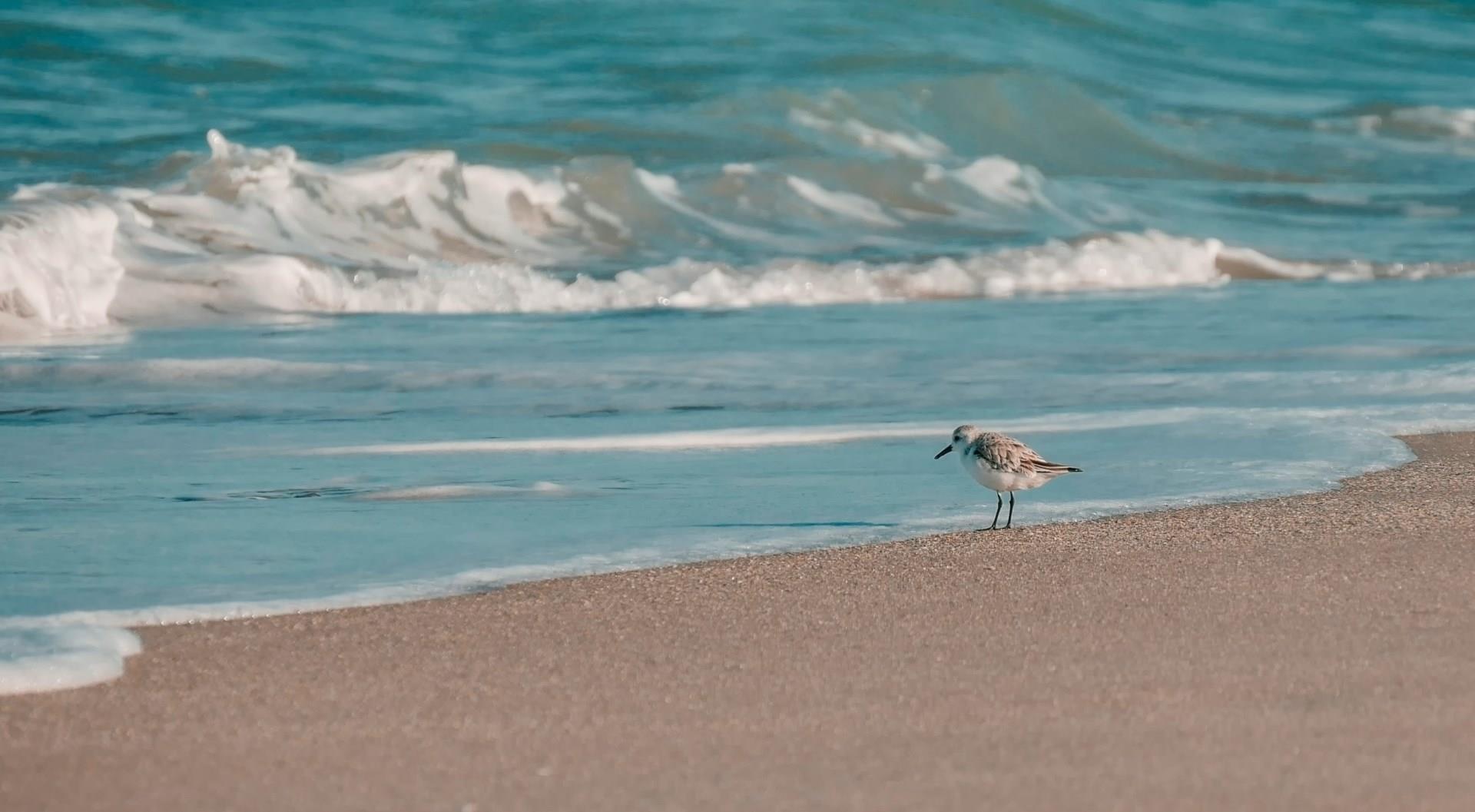
Melbourne, Florida, is a charming city that combines coastal beauty with a rich tapestry of cultural and recreational activities. Nestled along the Atlantic coast, Melbourne offers pristine beaches and vibrant outdoor experiences. The Historic Downtown Melbourne is a delightful area where you can explore unique shops, dine at quaint restaurants, and soak in the small-town charm.

Prince Rupert
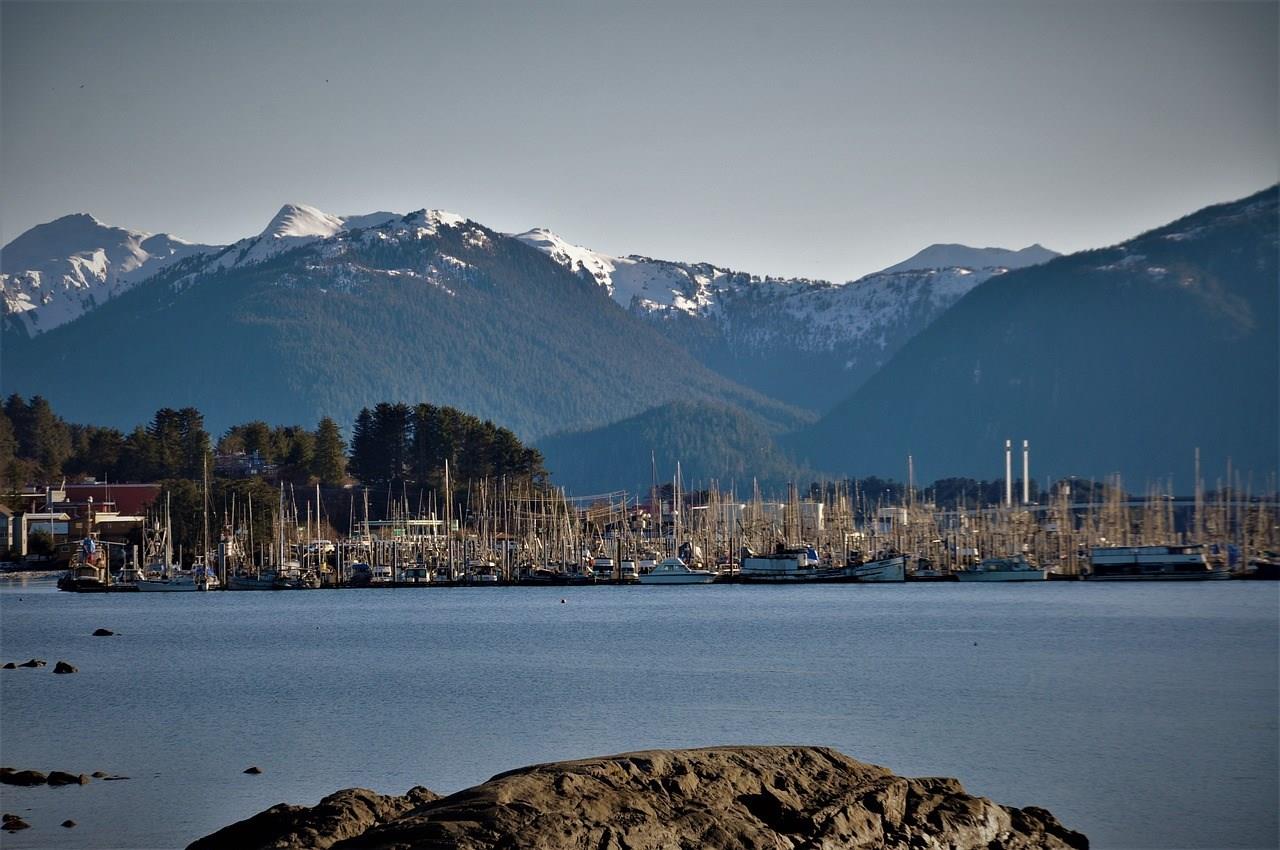
Located along the British Columbia coast, it is the last northern road access to the coast and the a ferry port for the BC ferry system.

St. Jean de Luz
Nestled along the Basque coast in southwestern France, St-Jean-de-Luz is a picturesque fishing town that exudes a unique blend of French elegance and Basque charm. Known for its beautiful sandy beaches and its well-preserved old town, St-Jean-de-Luz is a gem of the French Basque Country.

La Digue
La Digue, the fourth-largest island in the Seychelles, offers a quintessential tropical paradise experience. Known for its idyllic beaches and charming laid-back atmosphere, La Digue is a haven for nature lovers and those seeking a serene escape. The island’s most iconic beach, Anse Source d'Argent, is renowned for its stunning granite boulders and crystal-clear waters, making it one of the most photographed beaches in the world.