Vólos
Volos, a vibrant city nestled between the Aegean Sea and the lush slopes of Mount Pelion, is a delightful blend of modernity and tradition. Known for its picturesque waterfront and bustling port, Volos offers visitors an authentic taste of Greek coastal life. The city’s seaside promenade is ideal for leisurely strolls, with plenty of cafes and tavernas where you can savor fresh seafood while enjoying views of the bay.

Ghana
Ghana, located along West Africa’s Gulf of Guinea, offers a rich blend of cultural heritage and history.
Kimberley
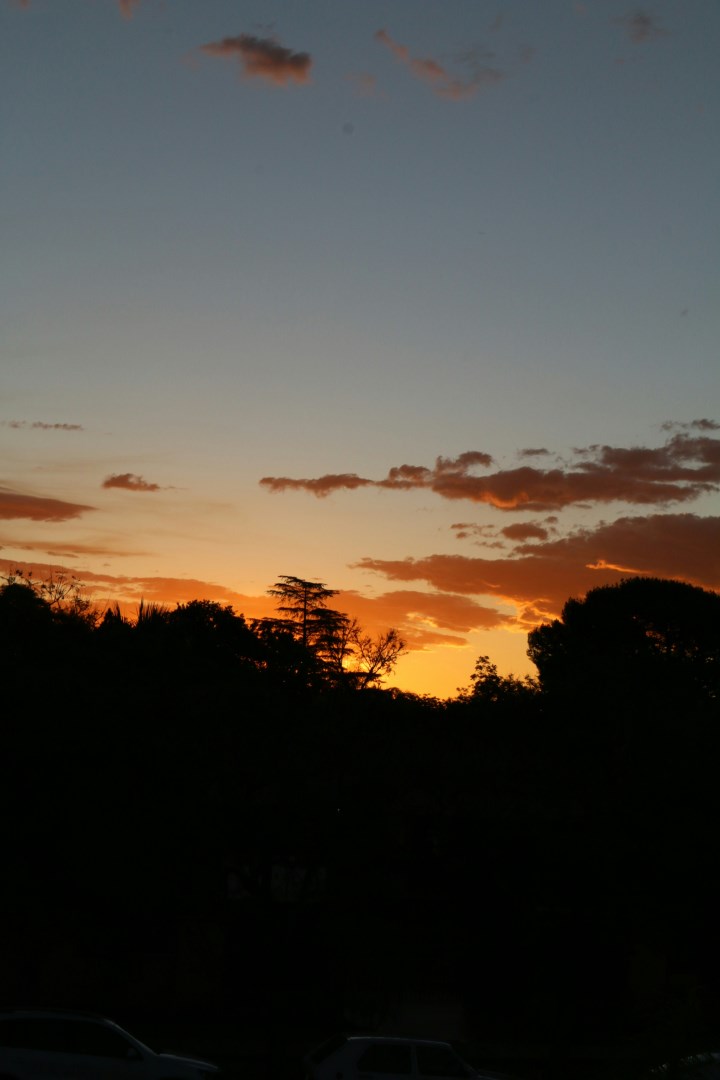
Kimberley is a city in South Africa’s Northern Cape province, known for its strong connection to diamond mining. It stands on a semi-arid plateau, where wide skies and dry landscapes shape daily life.

Edmonton
Edmonton, the capital of Alberta, is a city shaped by the meeting of prairie landscapes and the powerful North Saskatchewan River. With deep Indigenous roots and a history tied to fur trading posts, it has grown into a cultural and political hub of Western Canada.

Saint Andrews
Saint Andrews, a picturesque town on Scotland's east coast, is a captivating blend of history, culture, and natural beauty. Known as the "Home of Golf," it is celebrated worldwide for its historic Old Course, one of the oldest golf courses in the world, dating back to the early 15th century. Golf enthusiasts will find a pilgrimage to the iconic Swilcan Bridge or the 18th hole of the Old Course to be an unforgettable experience.