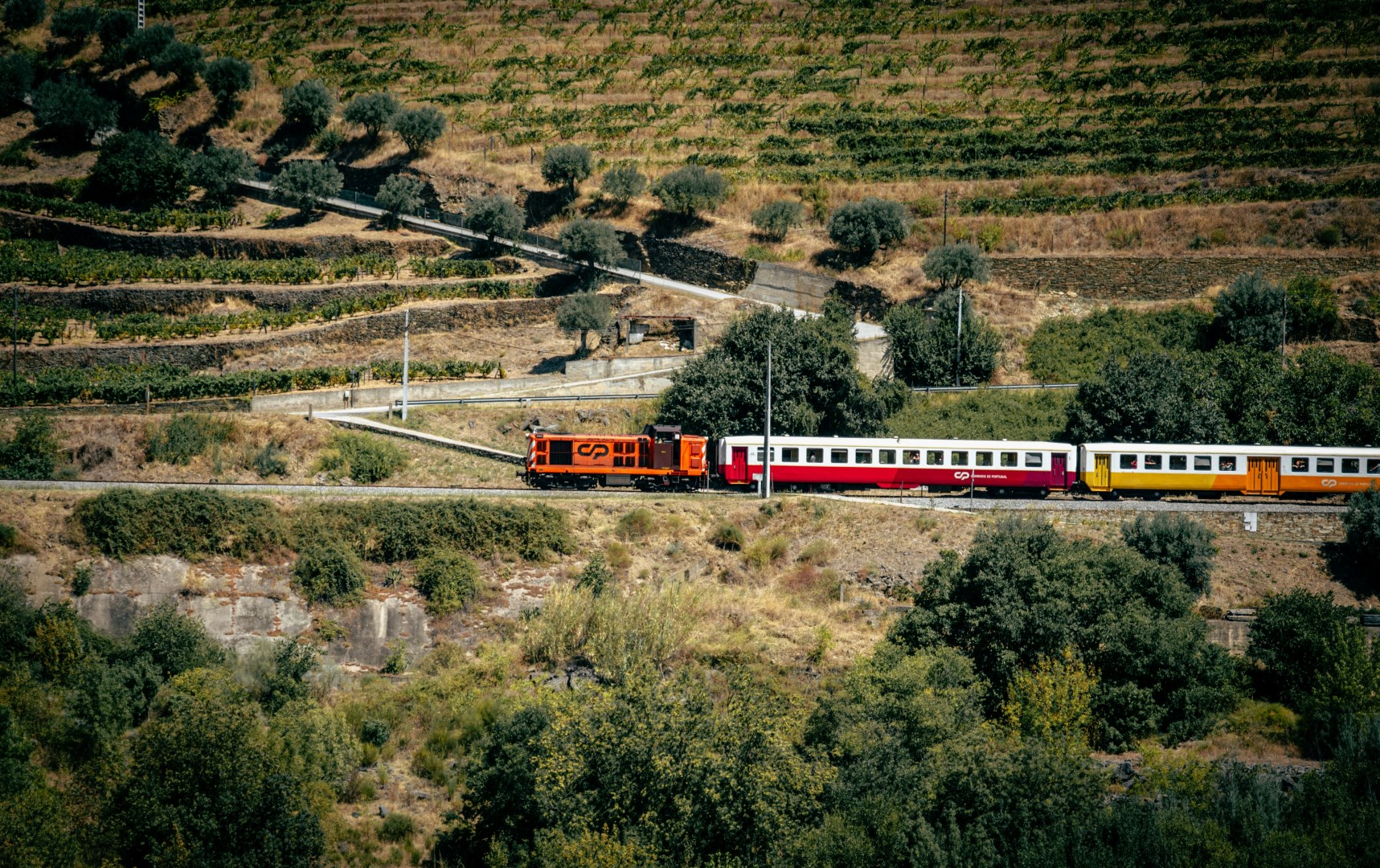
Peso da Regua
Peso da Régua, often called the gateway to Portugal's Douro Valley, sits along the banks of the Douro River and is surrounded by steep, terraced vineyards. The town has long been central to the production of the world-famous Port wine, and visitors can explore the rolling hills covered with neatly arranged grapevines that climb dramatically from the river’s edge. The town itself offers a quiet riverside charm, with narrow streets, historic buildings, and scenic viewpoints.

Tangier
Located on the north coast of Morocco near the Strait of Gibraltar, Tangier is a cultural capital replete with historic sites, colorful architecture, and splendid beaches. An essential stop is the Ancien Medina, a walled collection of winding streets and alleys filled with cafes and shops leading to the Kasbah, a former palace and mosque that also houses a museum.
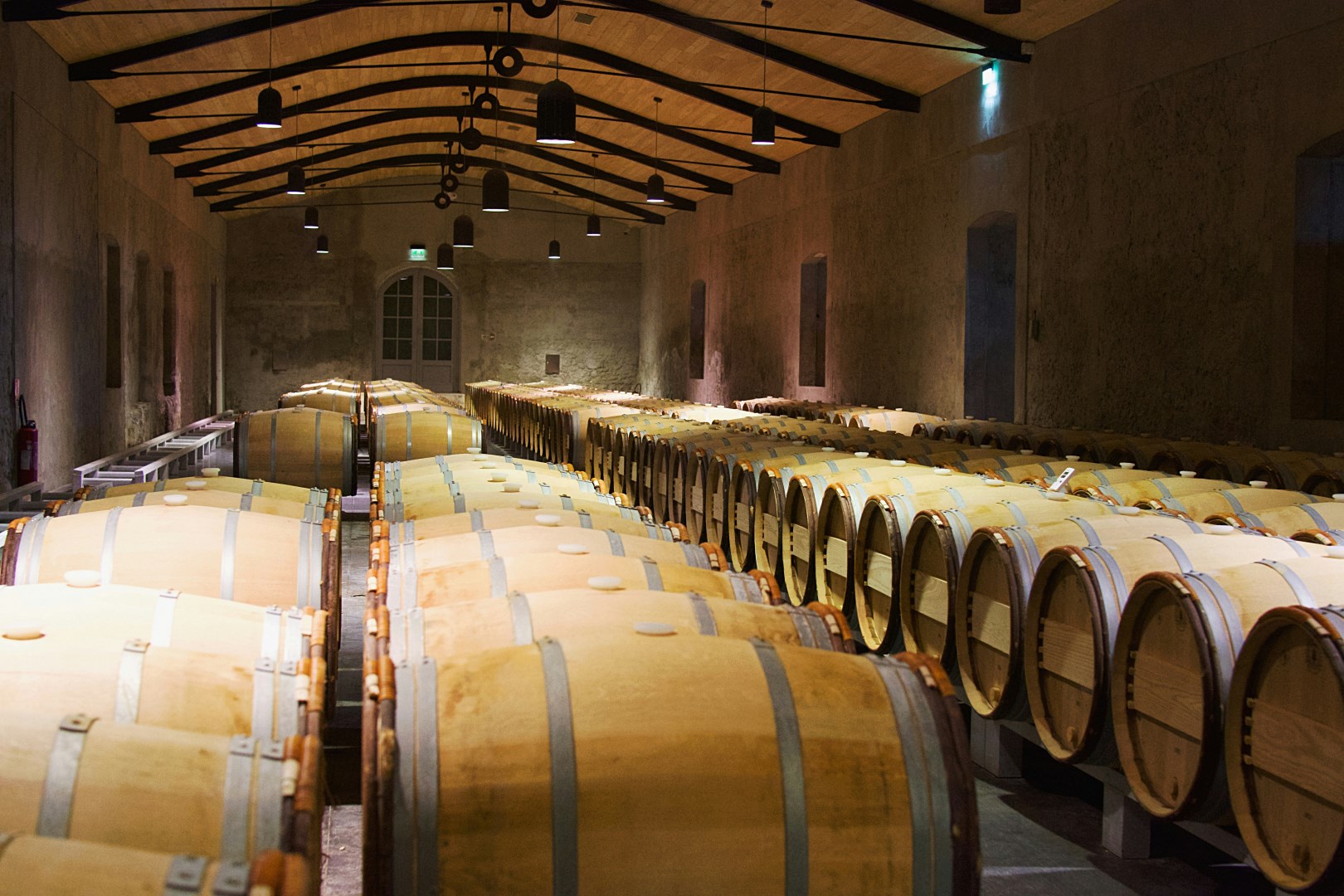
Medoc
Médoc is a peninsula in southwestern France, located between the Atlantic Ocean and the Gironde estuary, north of Bordeaux. It is widely recognized for its vineyards, which produce some of the country’s most established wines, particularly red varieties based on Cabernet Sauvignon and Merlot.

Nunavut
Nunavut comprises a major portion of Northern Canada, and most of the Canadian Arctic Archipelago. Its vast territory makes it the fifth-largest country subdivision in the world, as well as the largest in North America.

Boston
Evidence of our nation's birth abounds in Boston, a hub of revolution that is essentially the oldest city in the United States. Visitors are compelled to walk the 2.5-mile Freedom Trail around the city center, and bear witness to 16 historical locations related to the history of America.