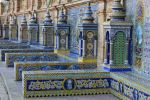
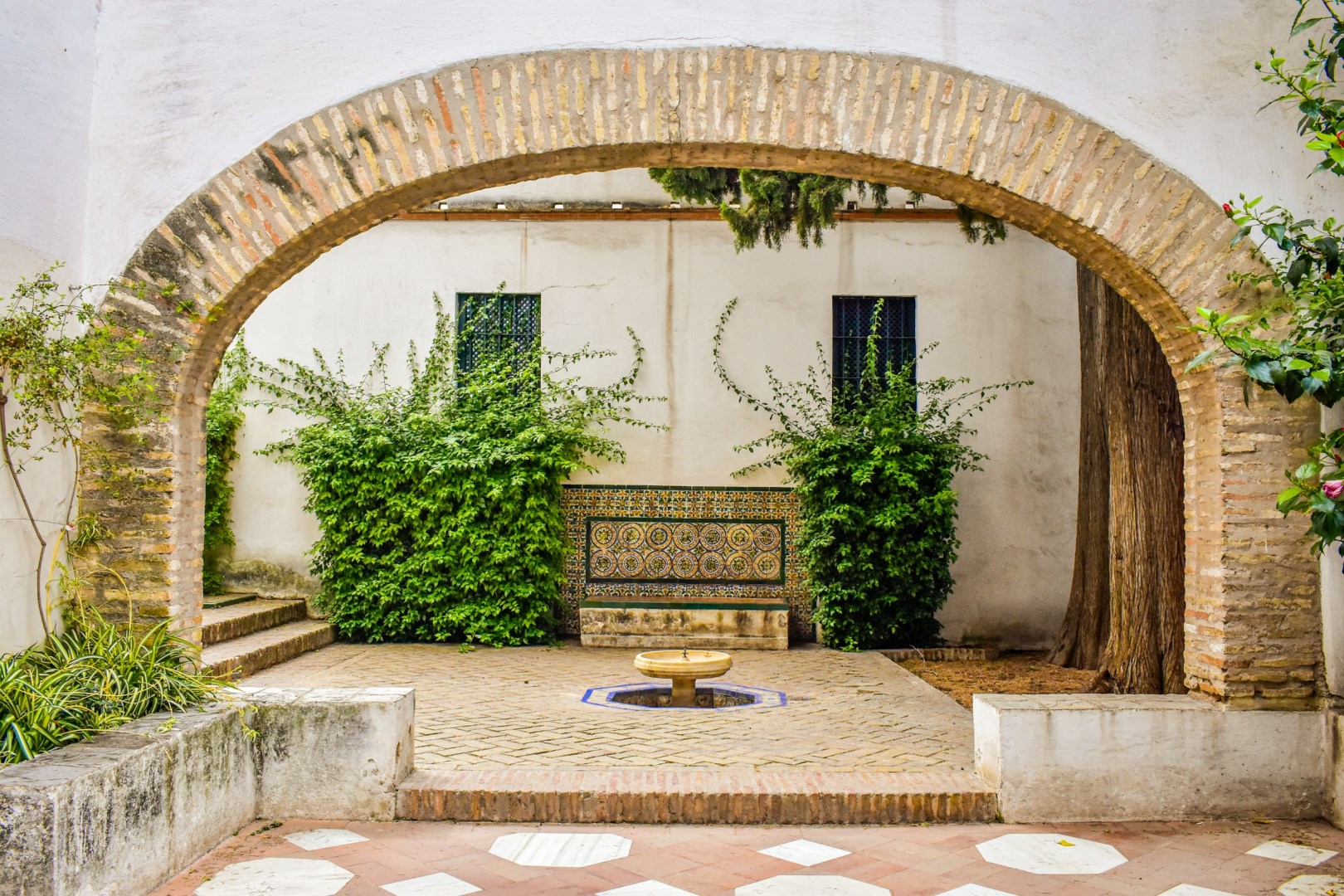
Mackinac Island
An island in the Strait of Mackinac where Lake Huron and Lake Michigan meet at the northern tip of the State of Michigan.
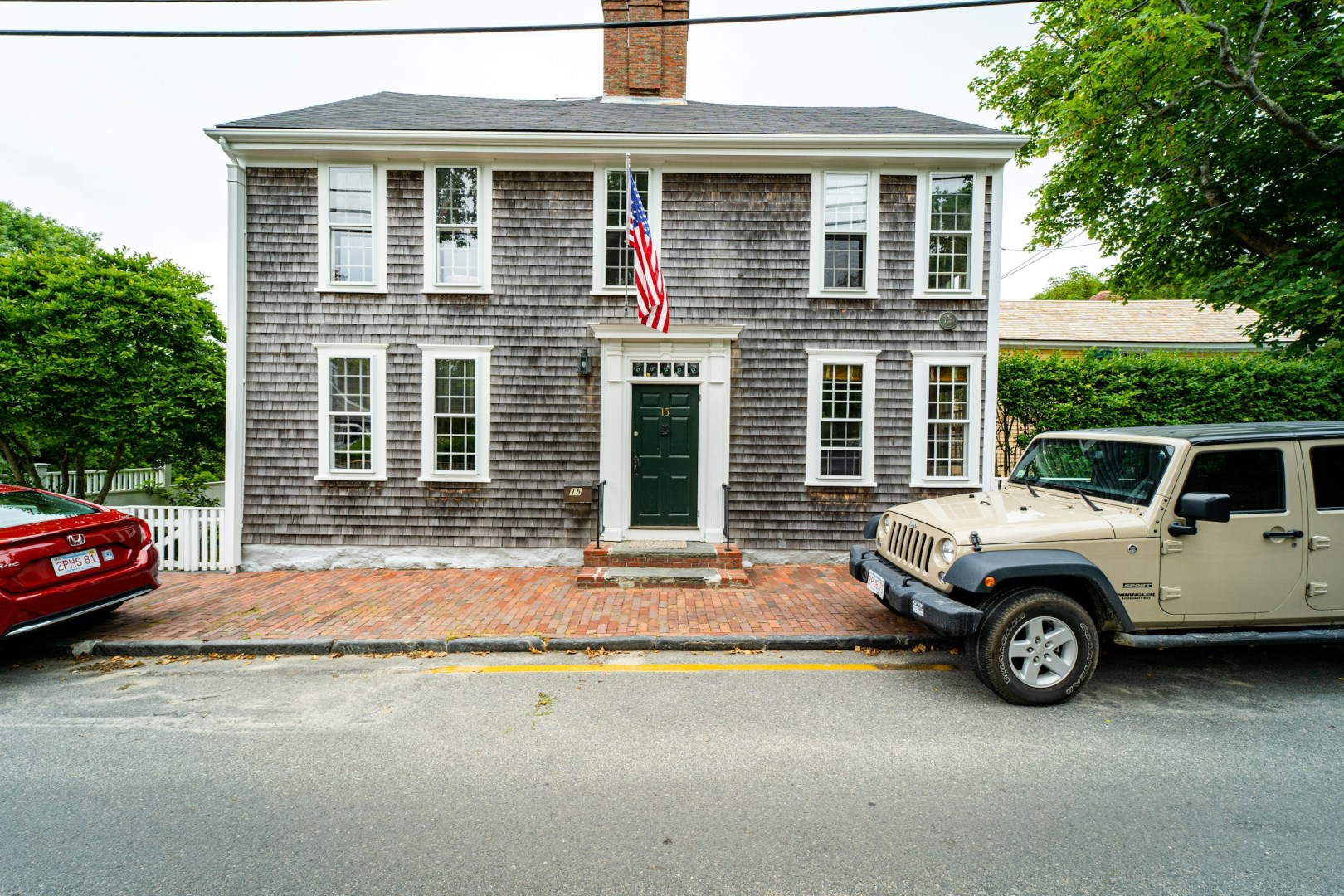
Nantucket
Located in Nantucket Sound and the Atlantic, it is a small island off Cape Cod. It was a whaling center, but now is popular as a tourist destination and fishing area.
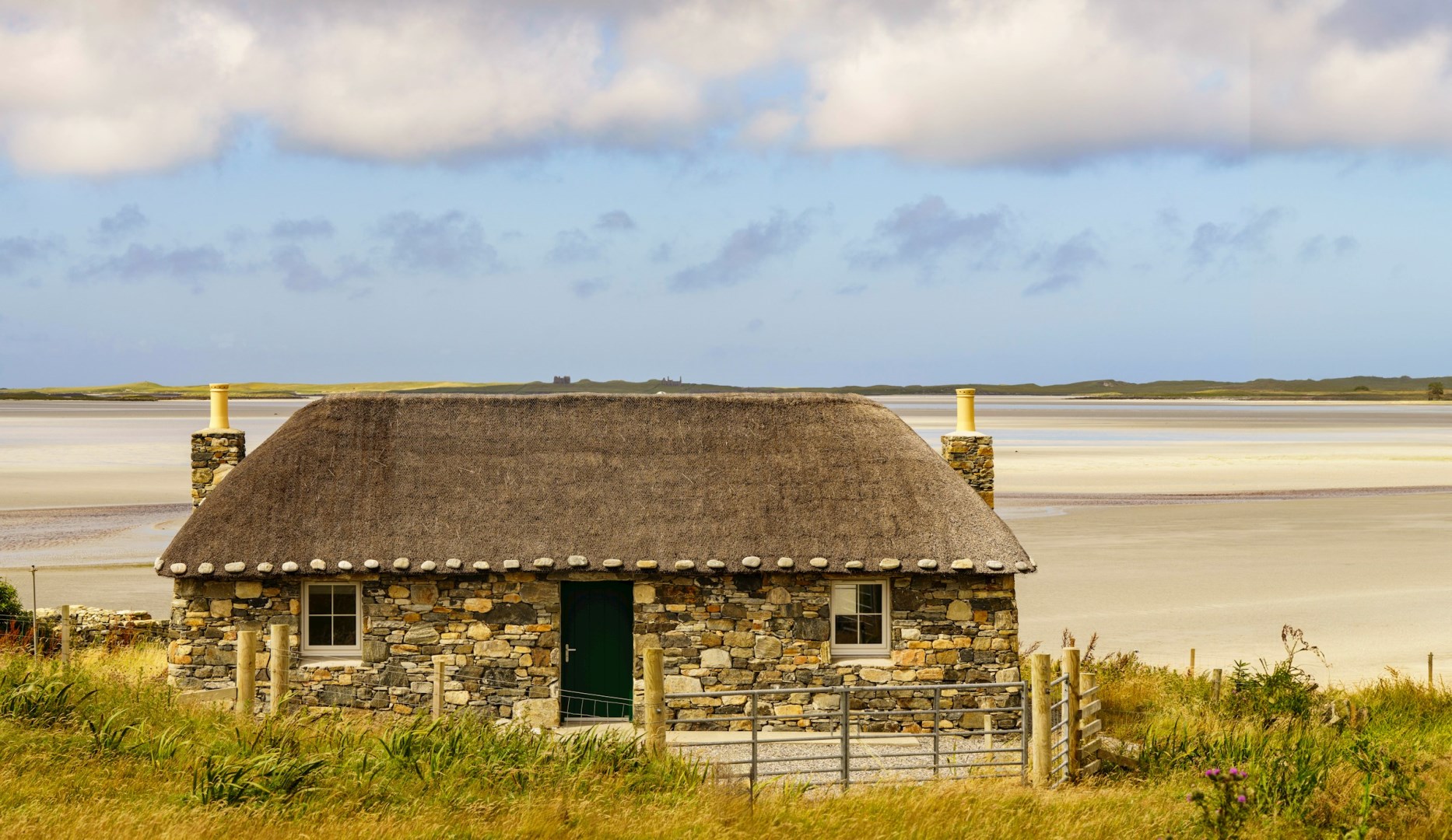
Outer Hebrides
The Outer Hebrides form a long chain of more than 70 islands off Scotland’s northwest coast, stretching from Lewis and Harris through the Uists to Barra and Vatersay. The islands are linked by ferries, bridges, and causeways, but each has a distinct landscape and community character. Stornoway on Lewis is the principal town and a center for local administration, arts, and commerce.
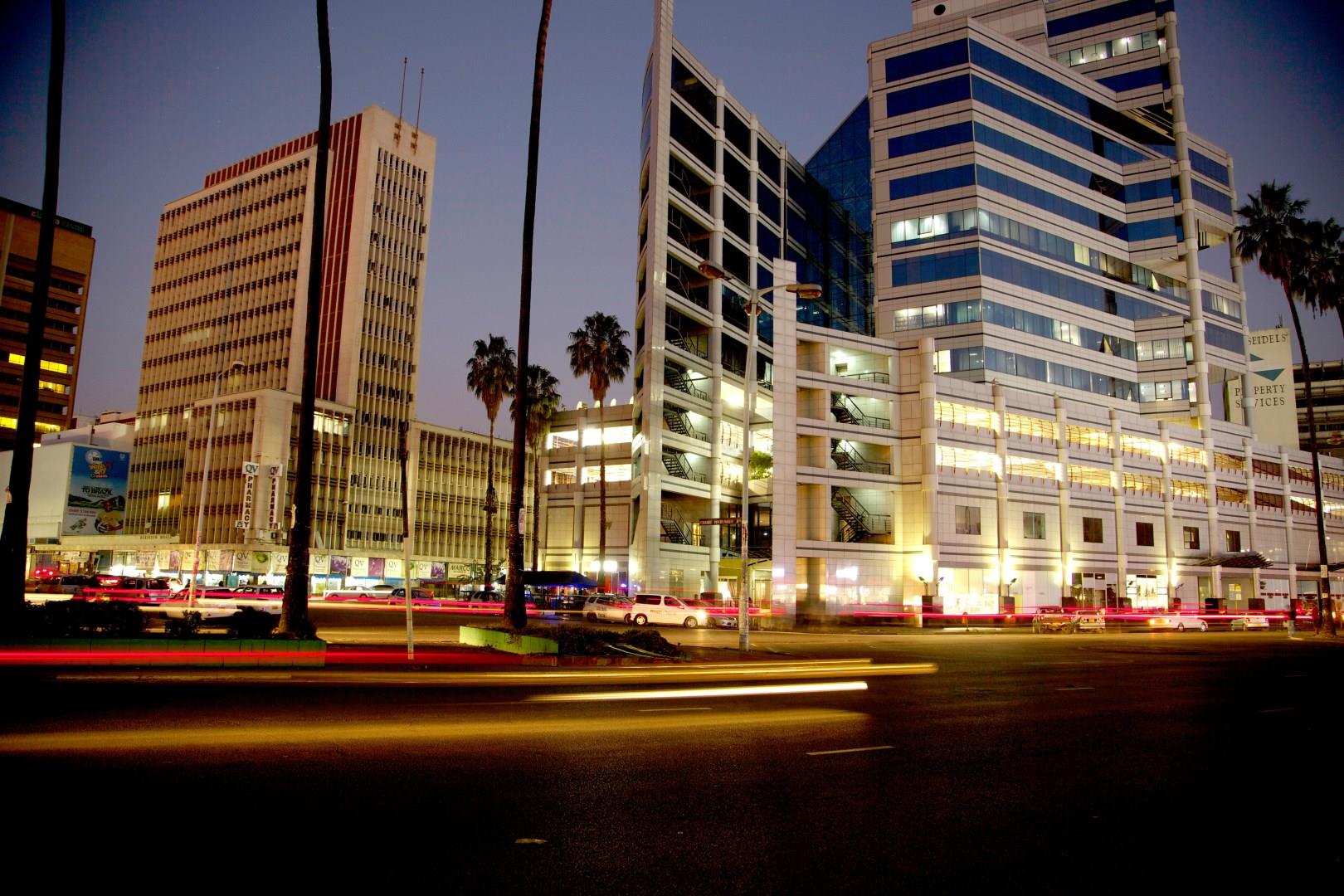
Harare
Harare, the vibrant capital of Zimbabwe, is a city that blends modern life with cultural depth. Set on a high plateau, it enjoys a pleasant climate year-round, with tree-lined avenues and blooming jacarandas that give it a distinctive character.
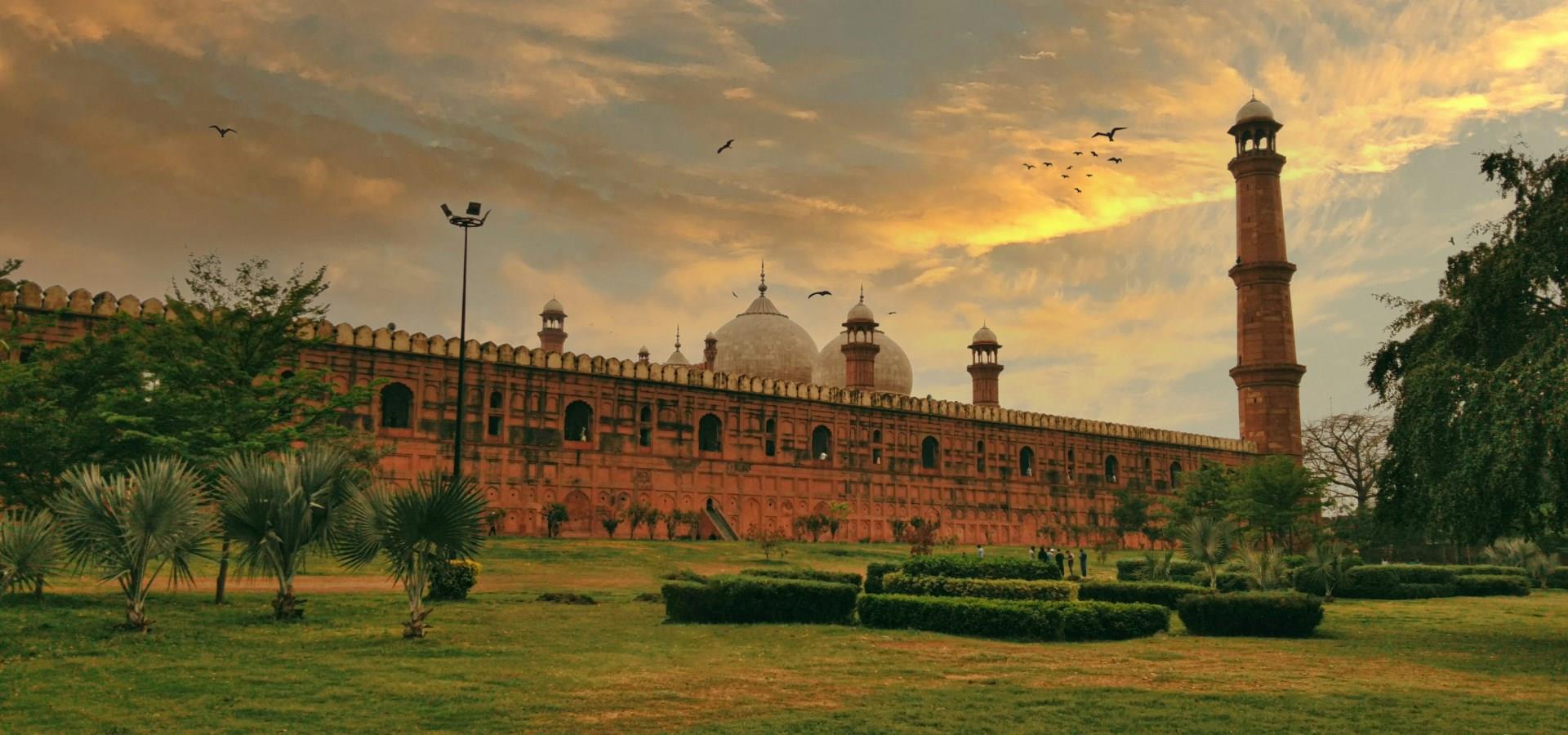
Lahore
Lahore, the cultural heart of Pakistan, is a city where history, art, and culinary traditions come alive. Known for its vibrant streets and historic architecture, Lahore showcases iconic landmarks such as the Badshahi Mosque, Lahore Fort, and Shalimar Gardens, which reflect the grandeur of the Mughal era.