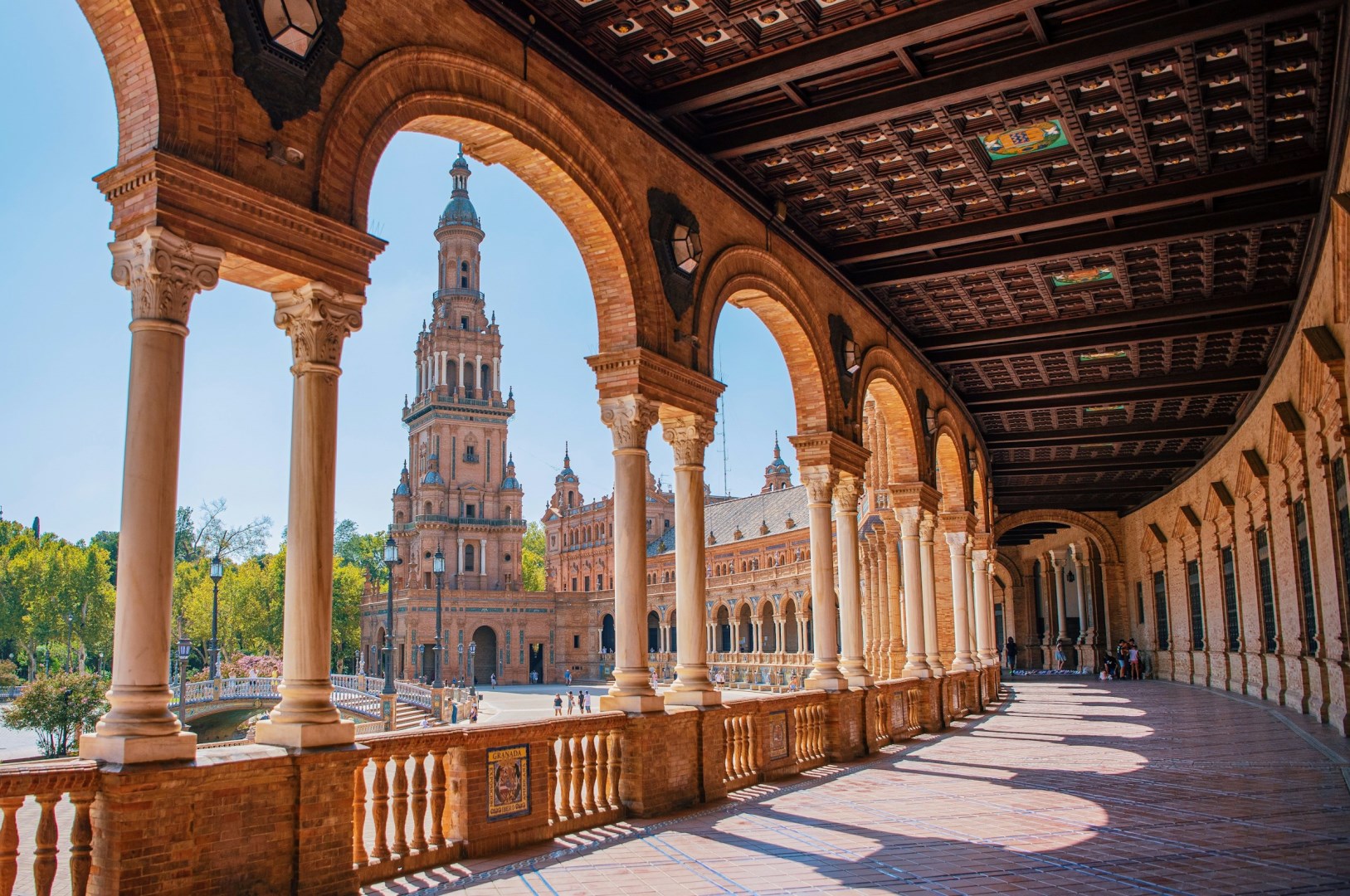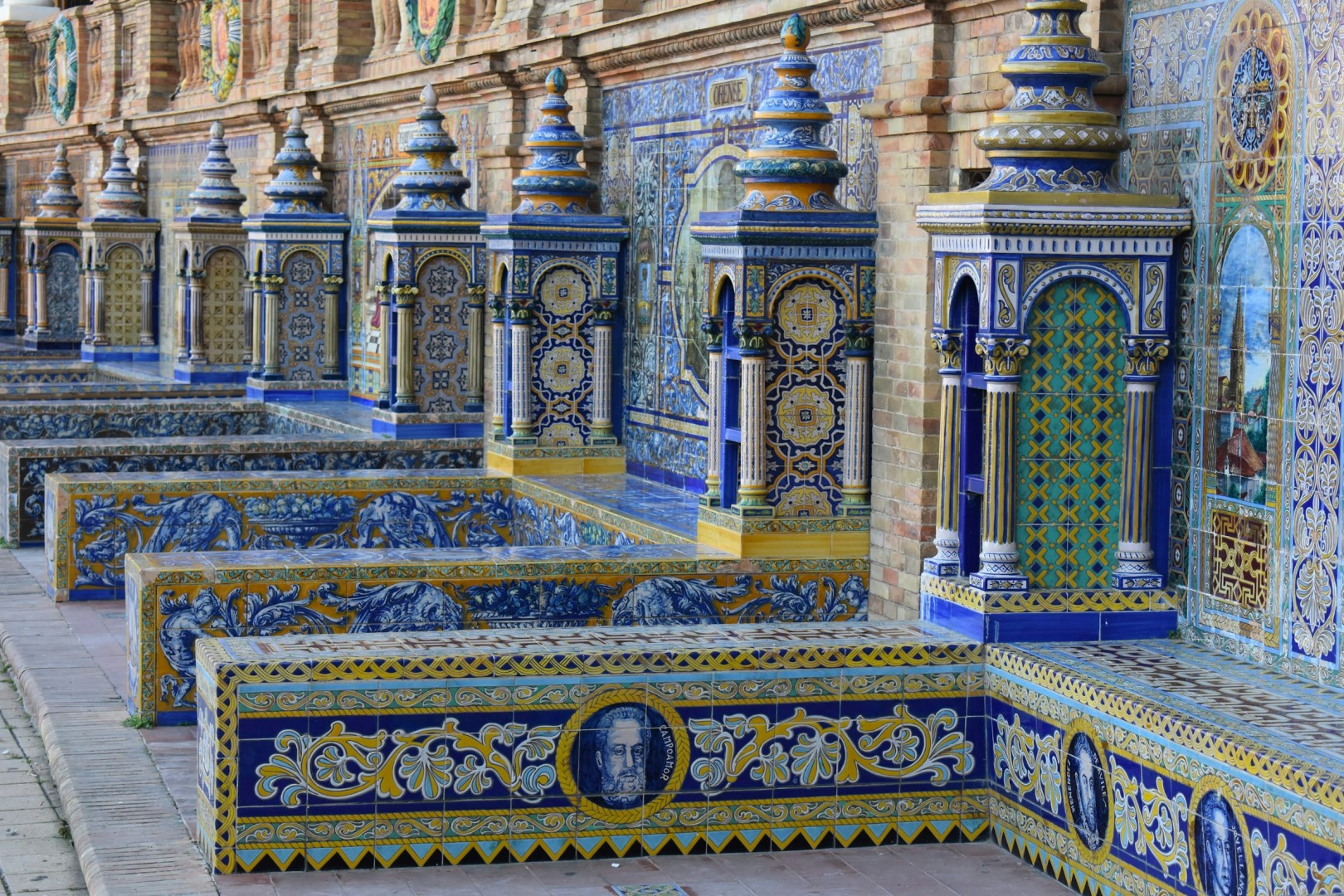
Granada
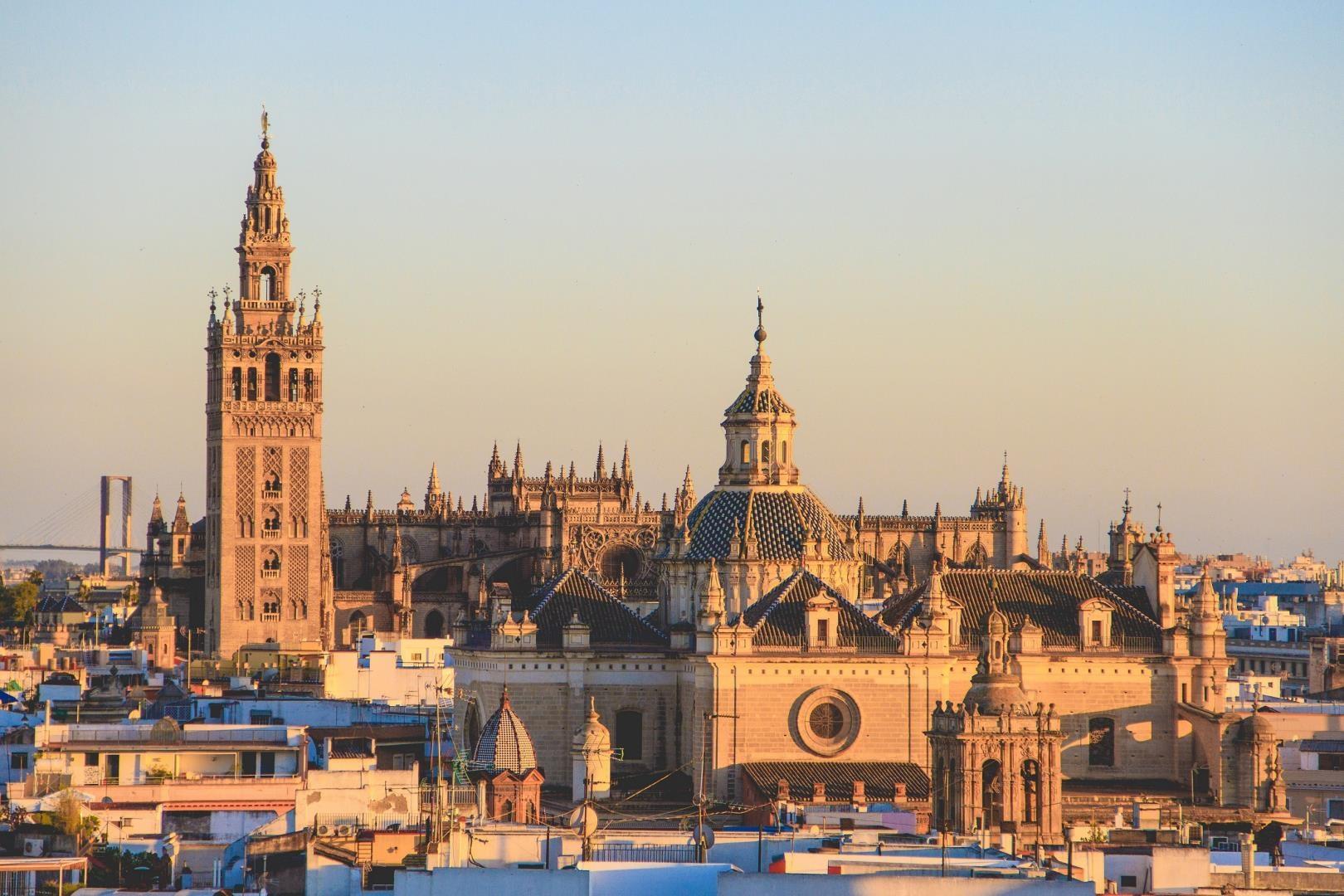
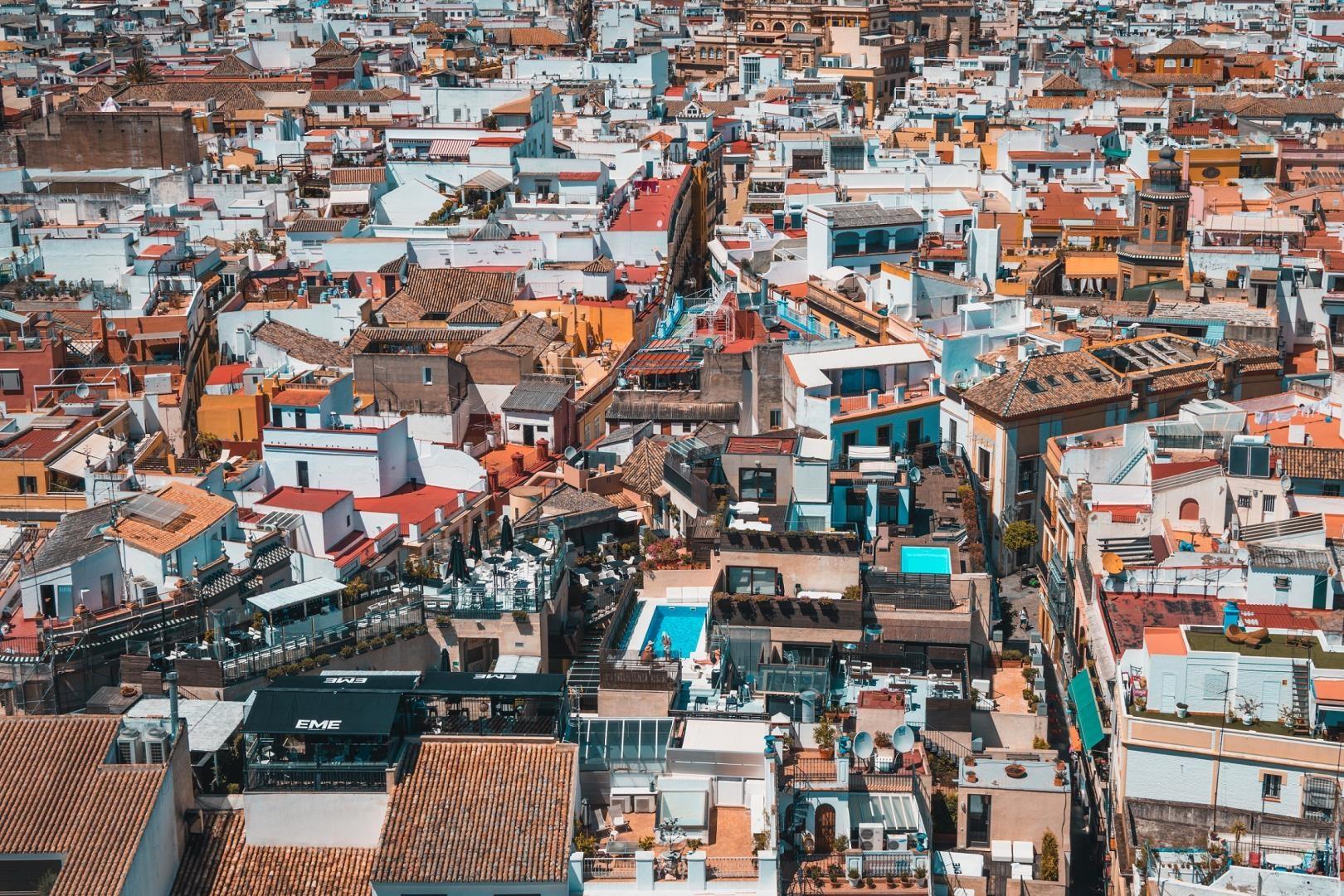
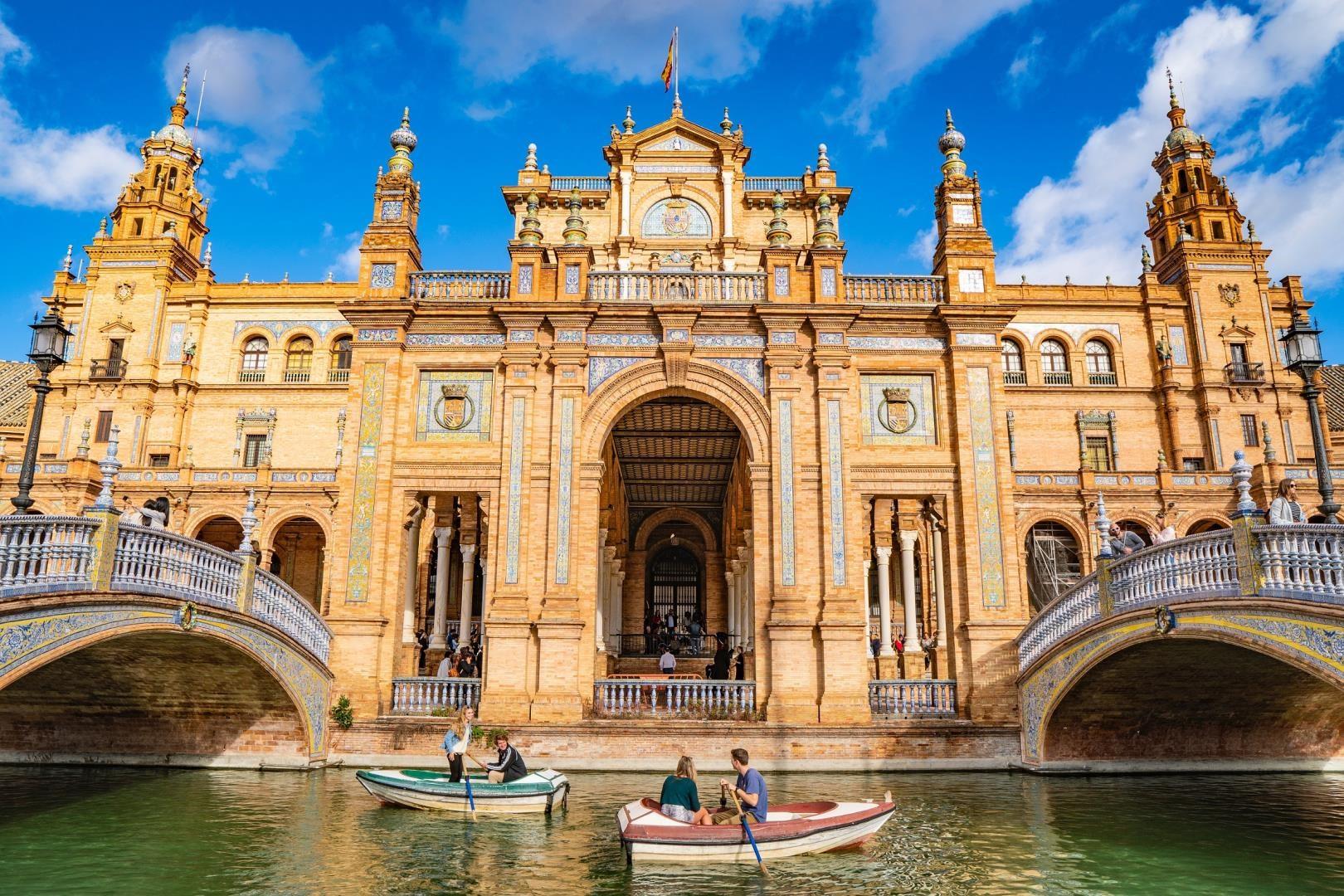
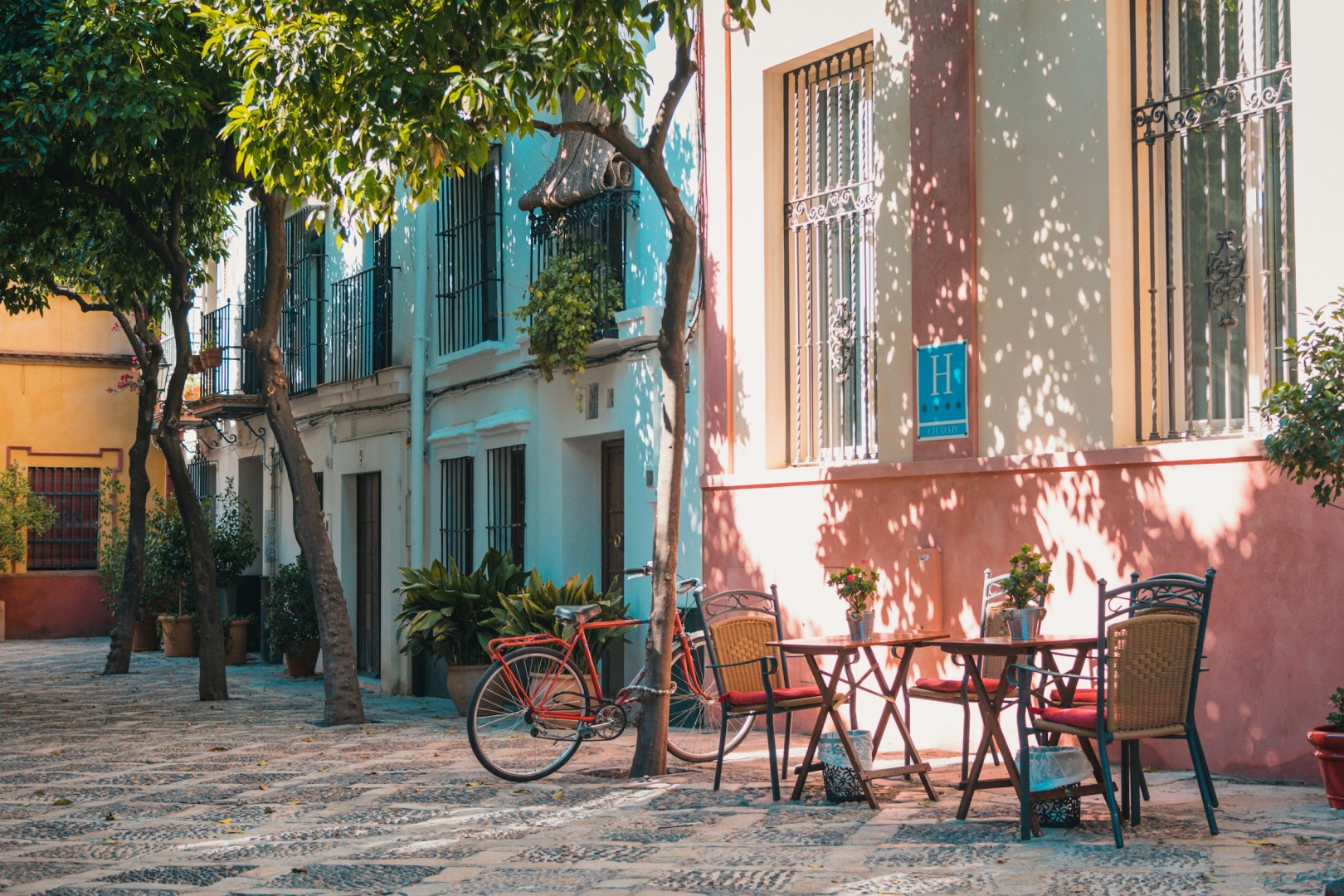
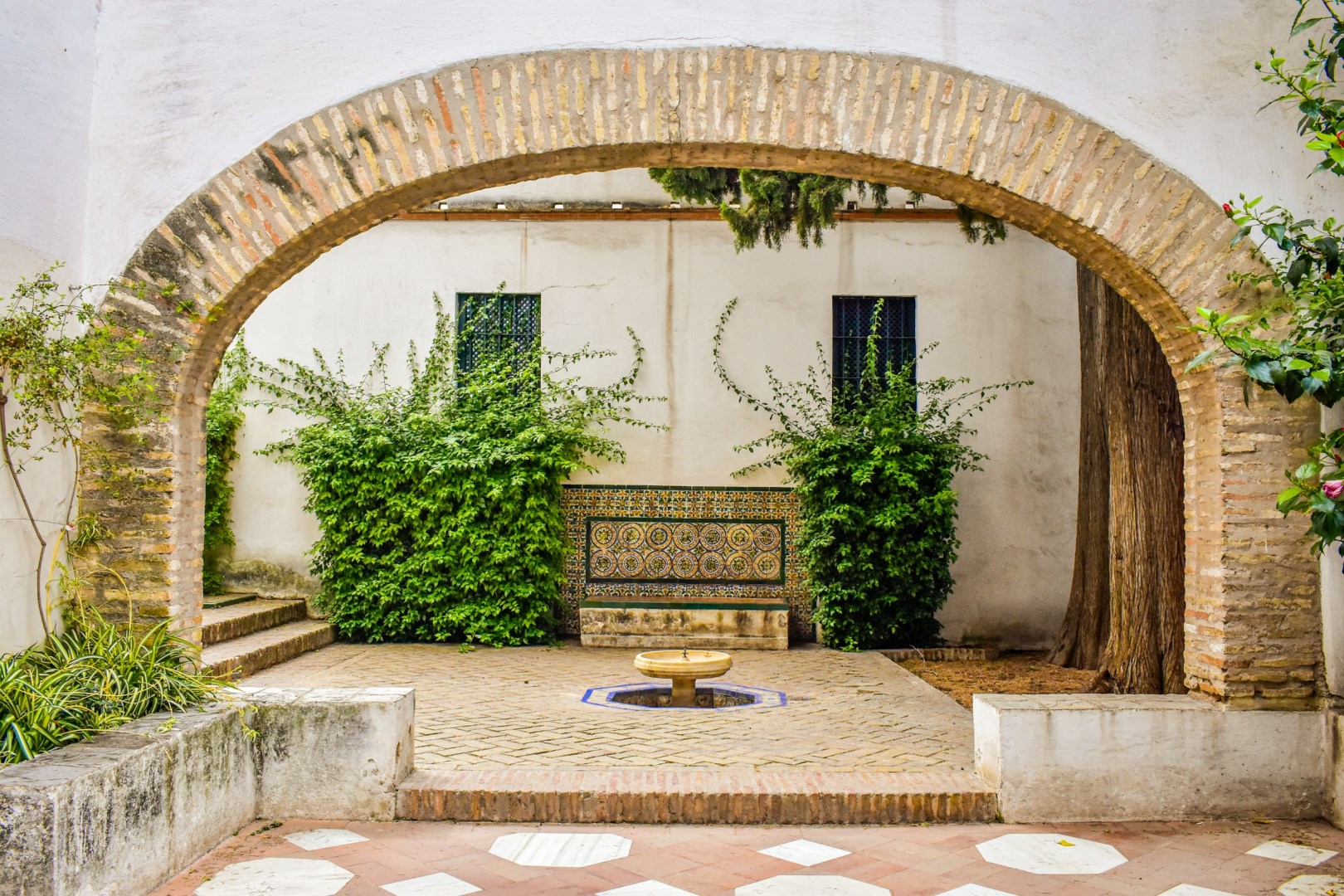
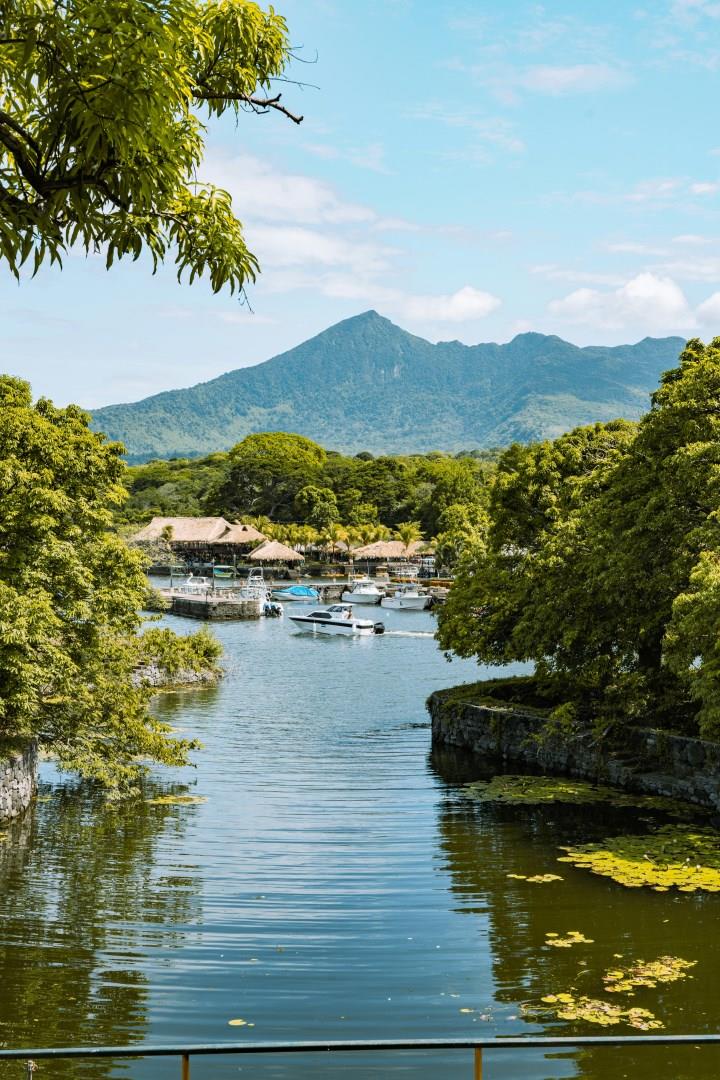
Granada, Nicaragua, founded in 1524, is one of the oldest European-established cities on the mainland of the Americas where visitors can explore cobblestone streets lined with brightly painted facades. The mustard-yellow Granada Cathedral dominates the central park and provides an easy reference point for those navigating the city on foot or by traditional horse-drawn carriage.
Padang
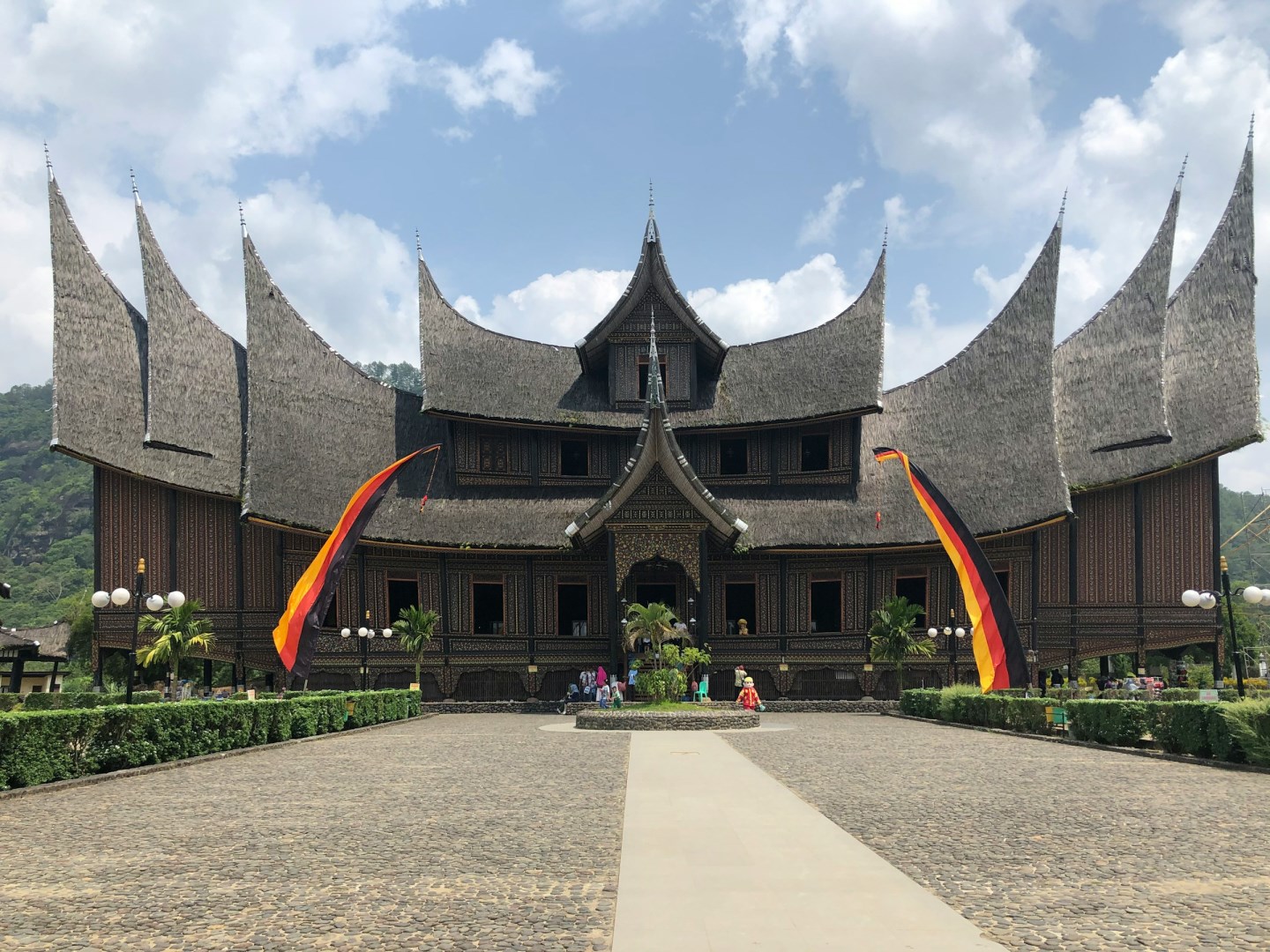
Padang is the third largest city and the capital of West Sumatra. It is the biggest seaport along its west coast, and is a center of business and government. The terrain of the city is mostly flat, and the name Padang actually means "plain." But if you venture outside of the city limits, the scenery is quite lovely going towards the neighboring city of Solok.

Las Vegas
Las Vegas, Nevada, is an electrifying city where glitz and glamour meet entertainment and excitement. Known as "The Entertainment Capital of the World," Las Vegas offers an unparalleled array of attractions, from its iconic casinos and luxurious hotels to its world-class dining and live shows. The city's entertainment scene is second to none, featuring legendary headliners, cutting-edge performances, and an array of themed attractions.

Kirkenes
Kirkenes sits at the far northeastern edge of Norway, just a few kilometers from the Russian border and not far from Finland. This Arctic town offers travelers a perspective they won’t find anywhere else in the country. With street signs in both Norwegian and Russian, and a local history shaped by war, trade, and shifting borders, Kirkenes has long stood at the crossroads of cultures.

Provence
Situated in the French administrative region of Provence-Alpes-Côte d'Azur, Provence is a picturesque delight and one of France's most beloved provinces. Replete with sprawling lavender fields, lush vineyards, cobbled streets, and medieval architecture, Provence will surely capture your heart and mind.