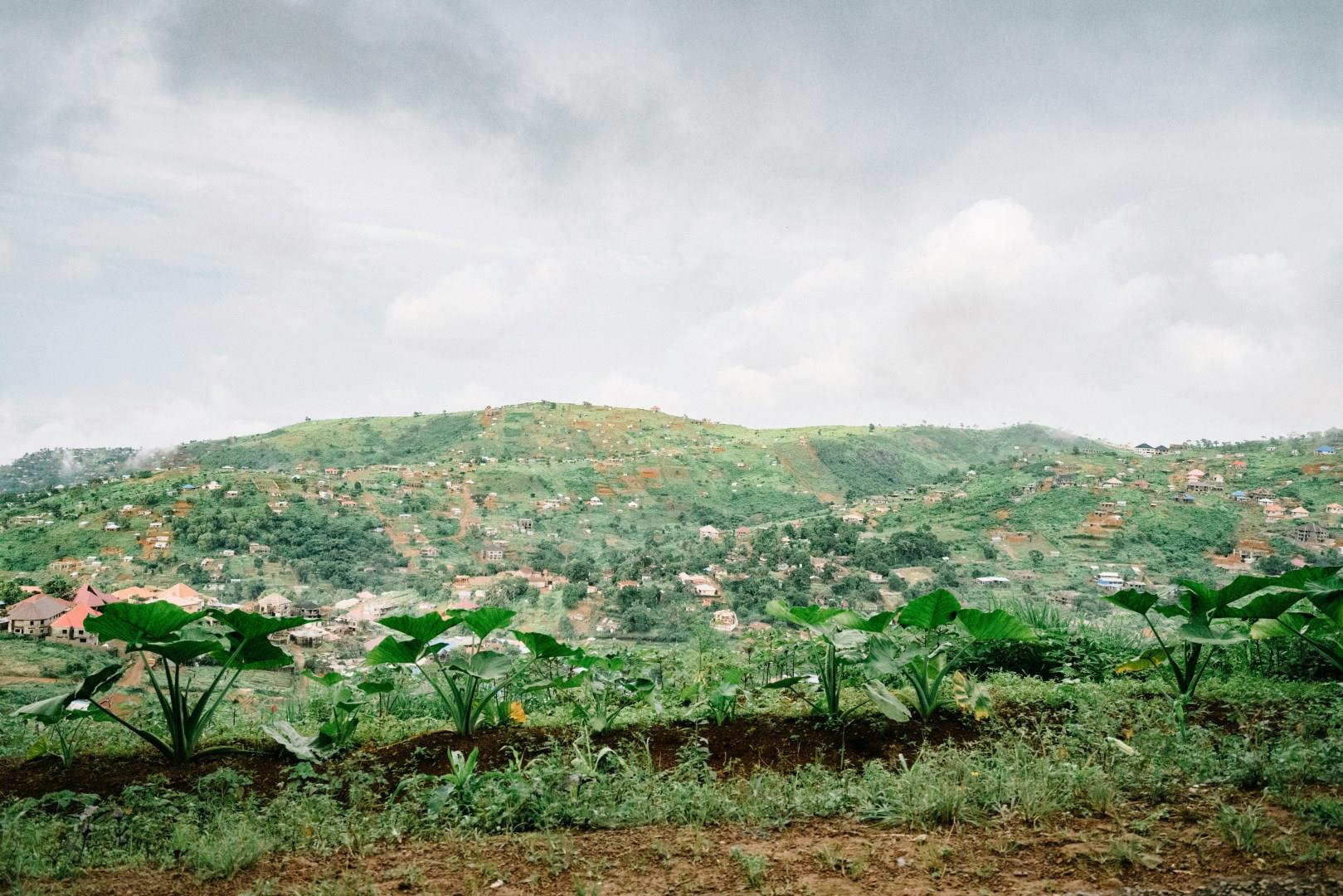
Freetown
Freetown, the capital of Sierra Leone, is a city where history and daily life intertwine along the shores of the Atlantic. Founded in 1792 as a settlement for freed slaves from Britain and the Americas, it remains a place of cultural depth and resilience.

Dominica
Dominica, known as the “Nature Island of the Caribbean,” is a haven for eco-tourists and adventure seekers. Nestled between the French islands of Guadeloupe and Martinique, this lush island boasts a remarkable landscape of volcanic mountains, dense rainforests, and stunning waterfalls. Dominica’s most iconic natural wonder is the Boiling Lake, the second-largest hot spring in the world.
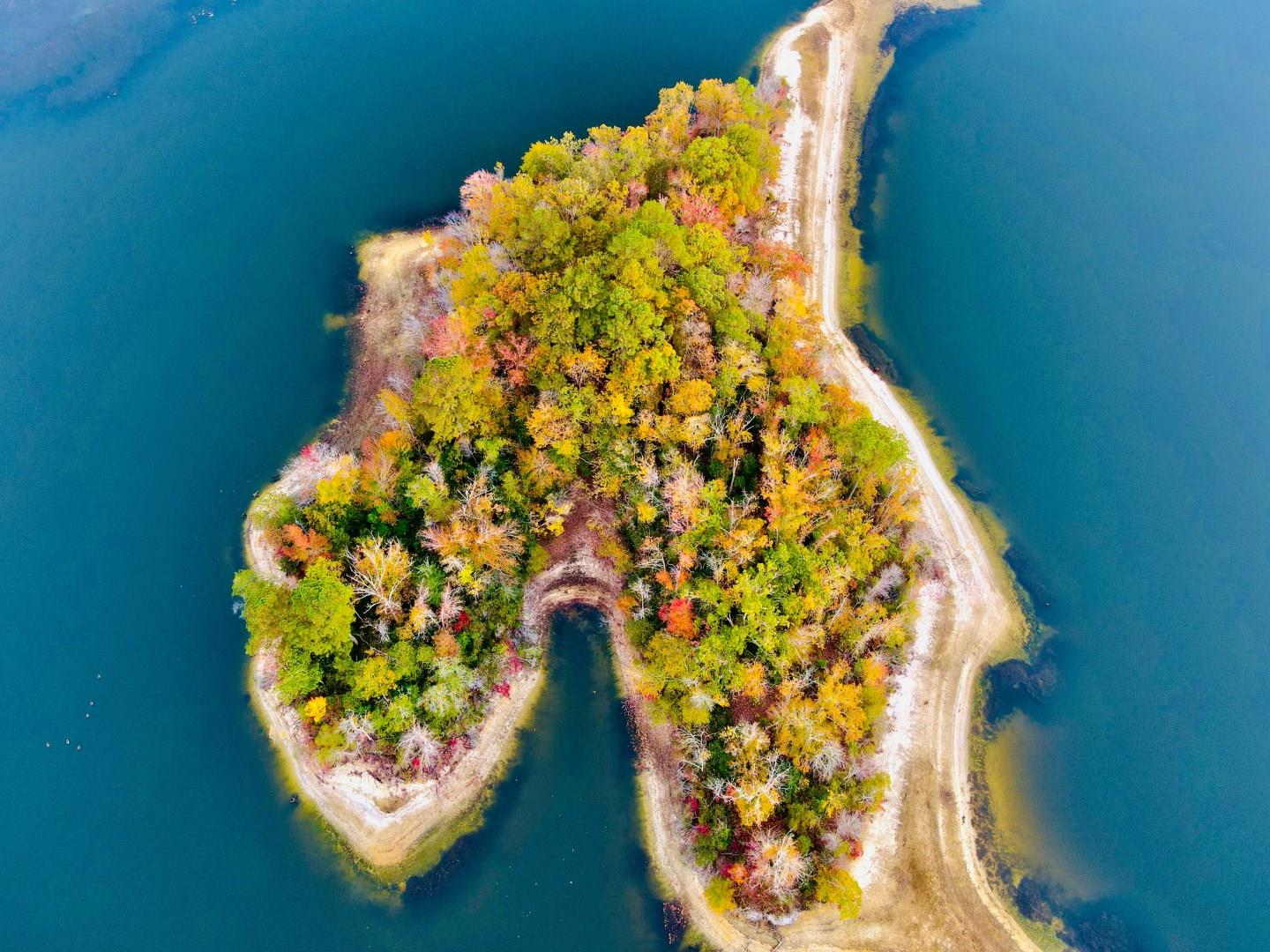
Williamsburg
Williamsburg, Virginia offers visitors the unusual opportunity to walk through a fully reconstructed 18th-century city. As the capital of the Virginia Colony from 1699 to 1780, Williamsburg played a key role in early American politics and daily life. Today, Colonial Williamsburg spans over 300 acres and includes historic buildings, working tradespeople, and costumed interpreters who bring the Revolutionary era to life.
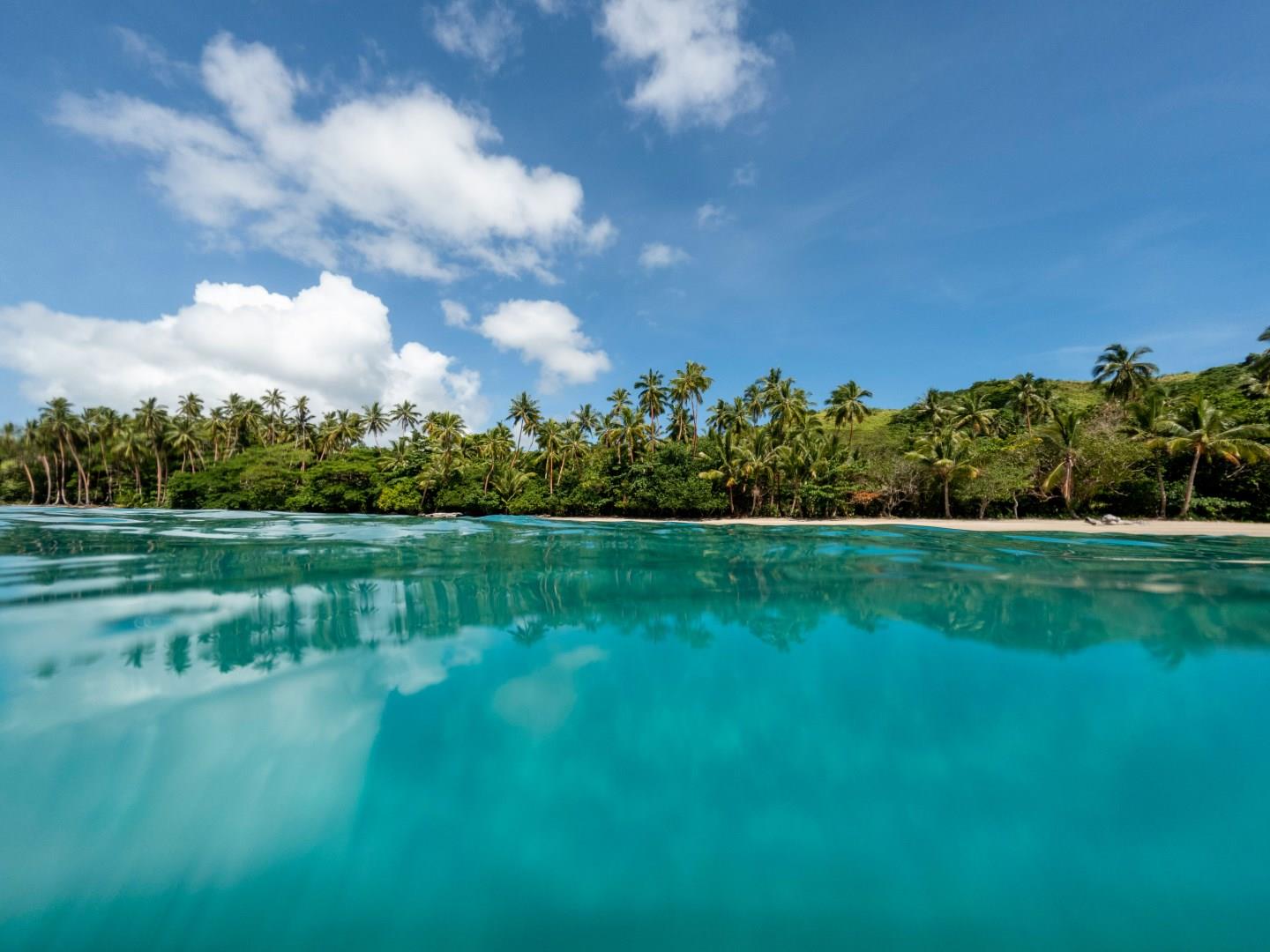
Vanua Balavu Island
Vanua Balavu is one of the Lau Islands in eastern Fiji, a secluded gem where traditional Fijian culture and natural beauty flourish in harmony. Surrounded by turquoise waters and coral reefs, the island offers a serene escape from bustling tourist areas, with small villages, coconut groves, and rugged hills shaping its peaceful landscape.

Děčín
Děčín, a picturesque city in the Czech Republic, is nestled on the banks of the Elbe River and surrounded by lush landscapes and dramatic rock formations. This charming destination is renowned for its rich history and stunning natural beauty. The centerpiece of Děčín’s architectural heritage is the Děčín Castle, which towers above the city and offers breathtaking views of the Elbe Valley.