Matobo National Park
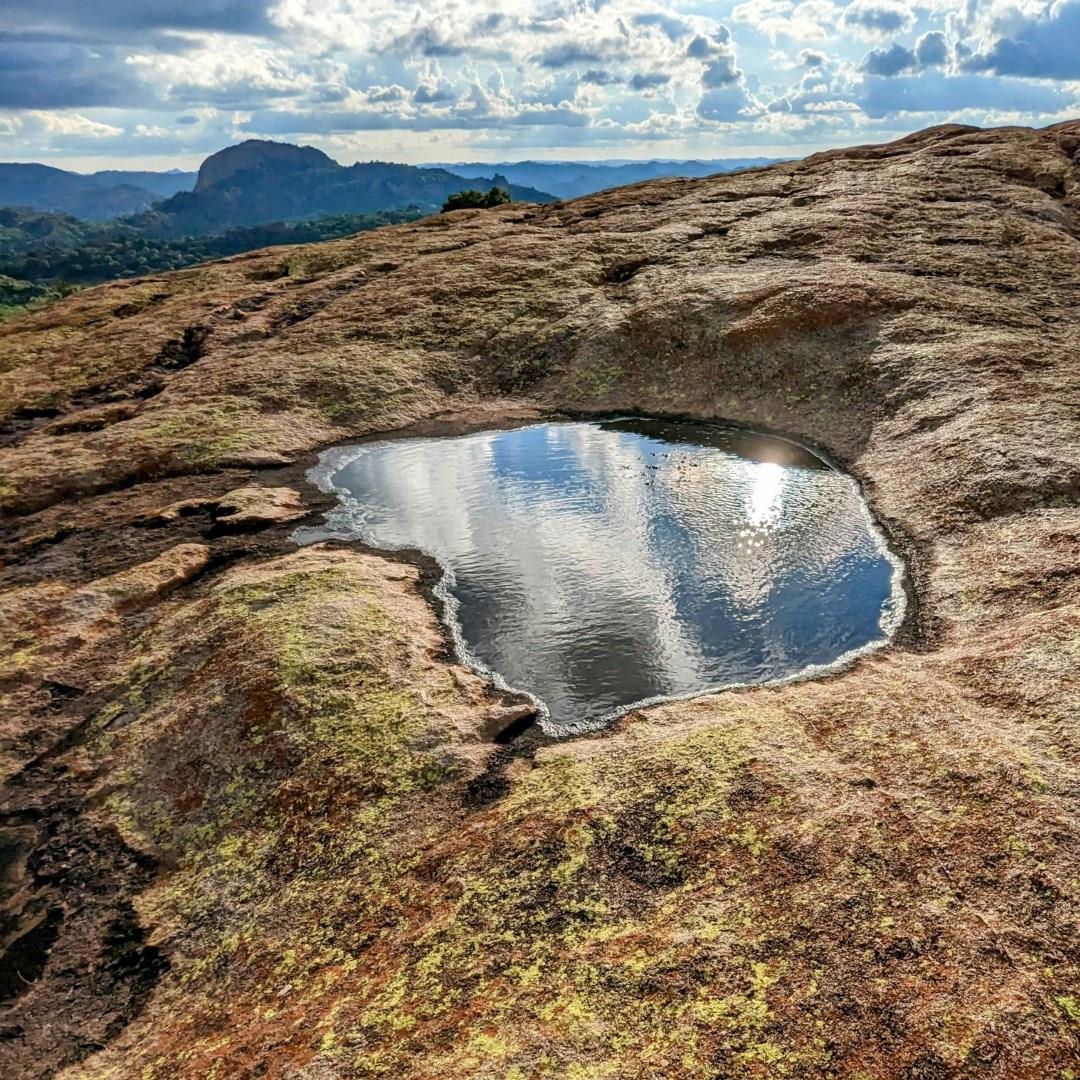
Matobo National Park sits in the rolling hills of southern Zimbabwe stands as one of the country’s most remarkable landscapes. Its granite domes, balancing rocks and wooded valleys have formed over more than two billion years, creating a setting that feels both ancient and alive. As a UNESCO World Heritage cultural site, the park preserves a landscape that has shaped human life here for millennia, drawing travelers to explore its unusual terrain and storied past.
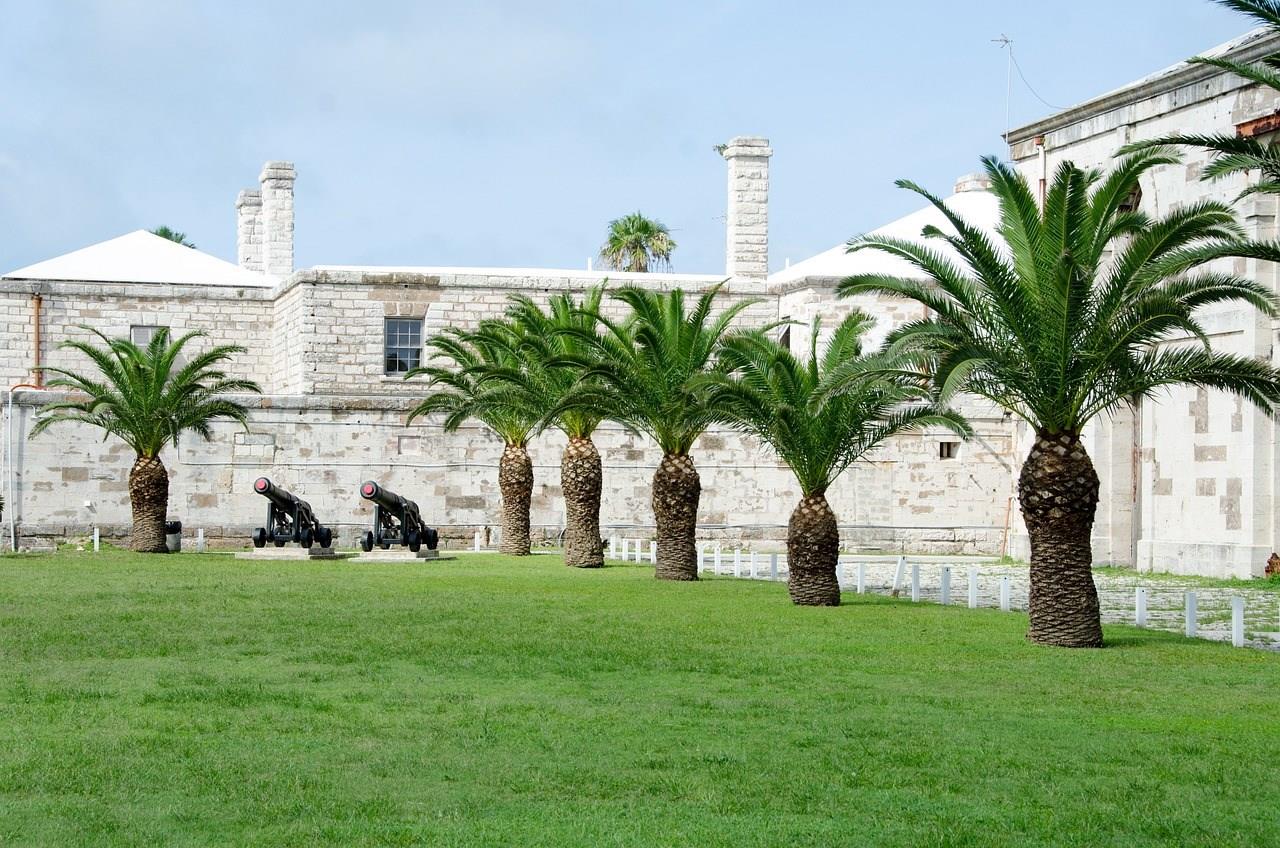
Royal Naval Dockyard
The Royal Naval Dockyard in Bermuda stands as a testament to the island's maritime history and naval heritage. Located at the western tip of Bermuda, this historic site was once a major naval base for the British Royal Navy and is now a thriving hub of culture, history, and tourism. The Dockyard's impressive buildings, including the Commissioner's House and the historic fortifications, offer a glimpse into Bermuda's naval past.

Mainz
A charming city nestled on the banks of the Rhine, Mainz, Germany lies southwest of Frankfurt and is replete with historic buildings and famous museums. The city's Altstadt district meets the river's edge and boasts a variety of beautiful and fascinating landmarks.

Stykkishólmur
Nestled on the northern coast of Iceland's Snæfellsnes Peninsula, Stykkishólmur is a charming coastal town known for its scenic beauty and maritime heritage. Often referred to as the gateway to the Westfjords, Stykkishólmur is the ideal base for exploring the stunning landscapes of this less-traveled part of Iceland. The town's picturesque harbor, lined with colorful houses and fishing boats, offers a quintessential Icelandic coastal experience.

Lerwick Shetland Island
Lerwick, the charming capital of the Shetland Islands, is a captivating destination where maritime history and natural beauty converge. Located on the edge of Scotland, this quaint town offers a rich tapestry of experiences for visitors.