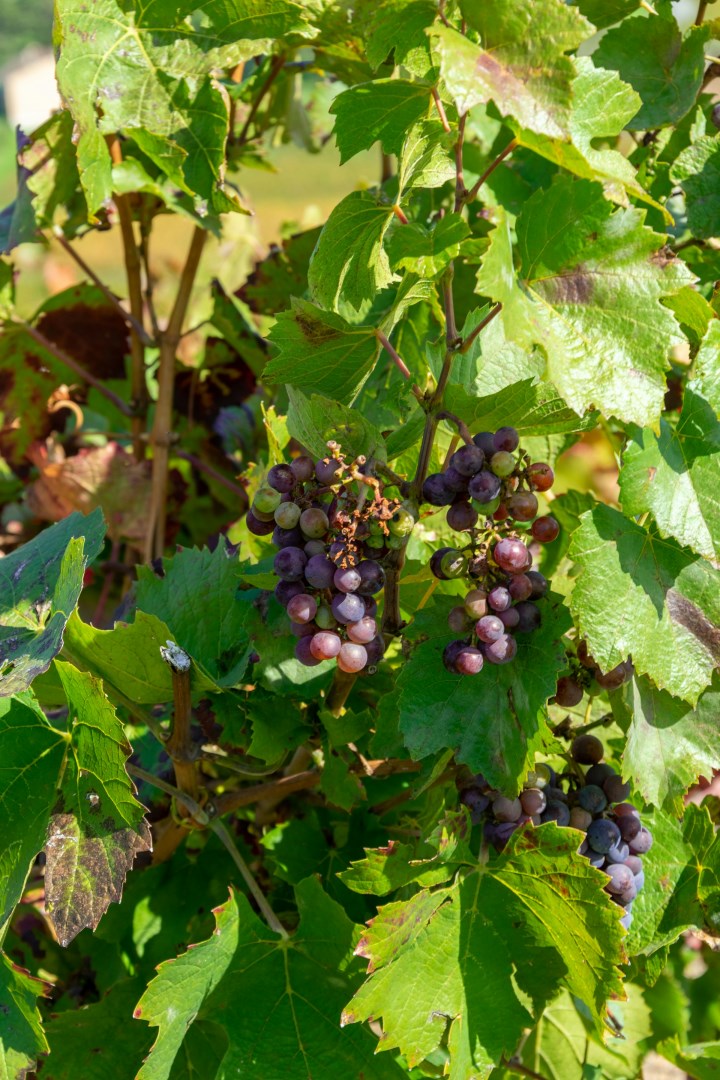
Beaujolais
Located just to the north of Lyon, Beaujolais is mainly known for it's winemaking. Beaujolais is written with an 's' because there are 12 of them. Beaujolais Nouveau is the most famous ambassador of the Beaujolais region. But it is simply one of an entire range. The different Beaujolais wines are produced by more than 4 000 vine-growers.
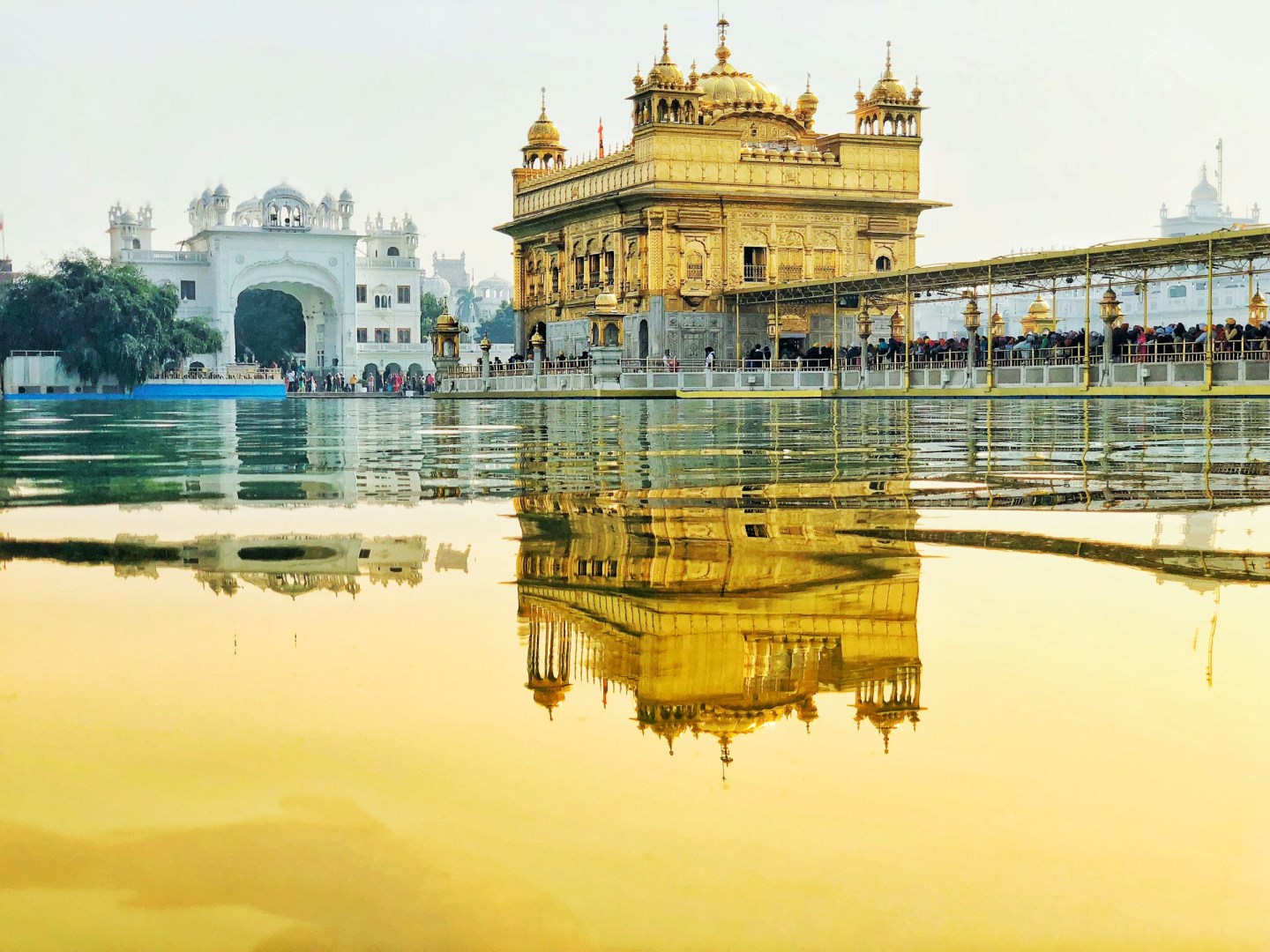
Amritsar
Located in the Indian state of Punjab, Amritsar is perhaps best known as the home of the Golden Temple, or Harmandir Sahib. It is one of the Sikhism religion's most significant and most-visited gurudwaras (place of worship). Tourists may also be interested in one of several museums, Urban Haat Food Street, Gobindgarh Fort and the Jallianwala Bagh memorial garden.
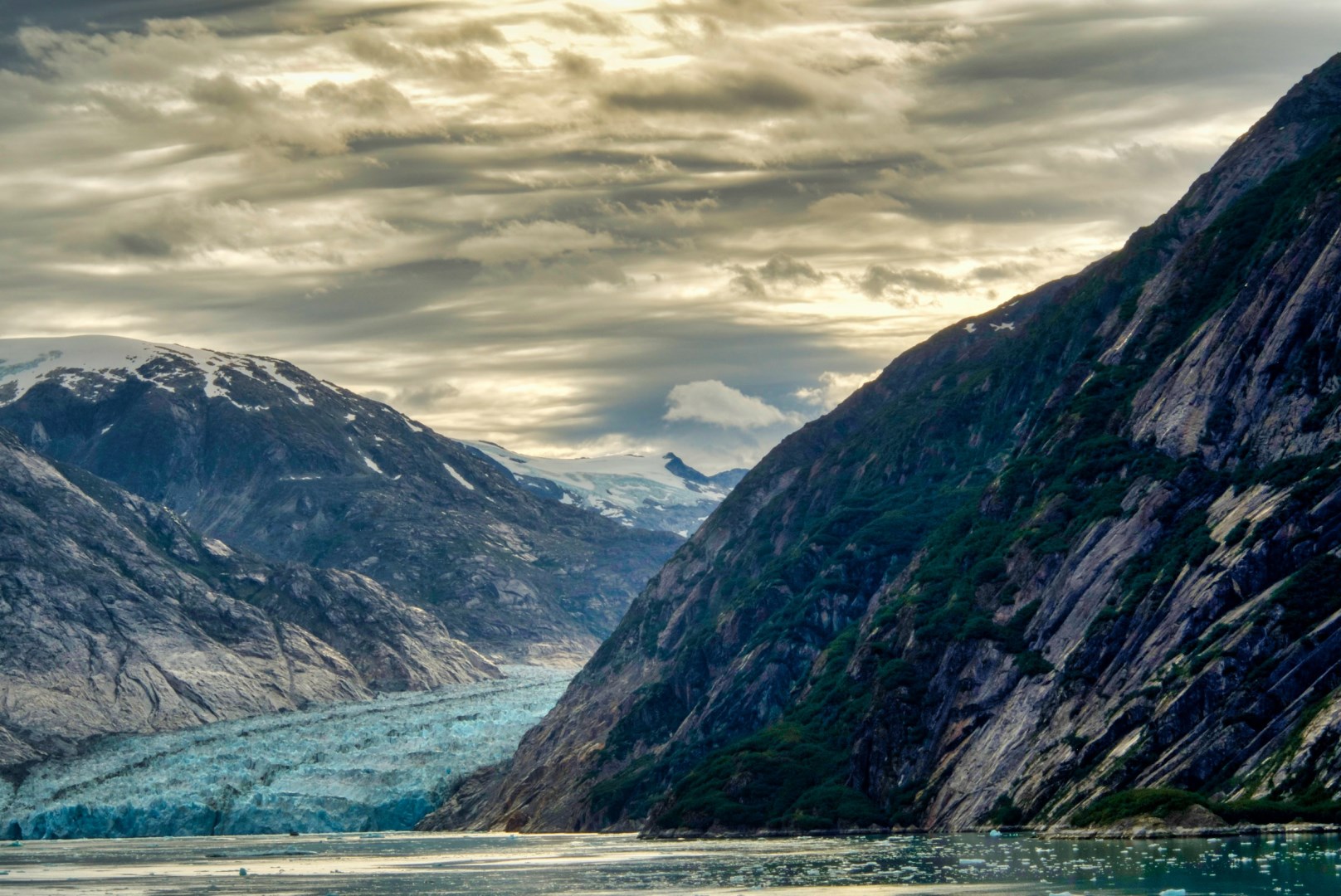
Endicott Arm
Whether witnessing the thunderous calving of Dawes Glacier, spotting orcas gliding through the water, or simply taking in the serenity of the fjord, a journey through Endicott Arm is a remarkable encounter with one of Alaska’s most stunning landscapes.
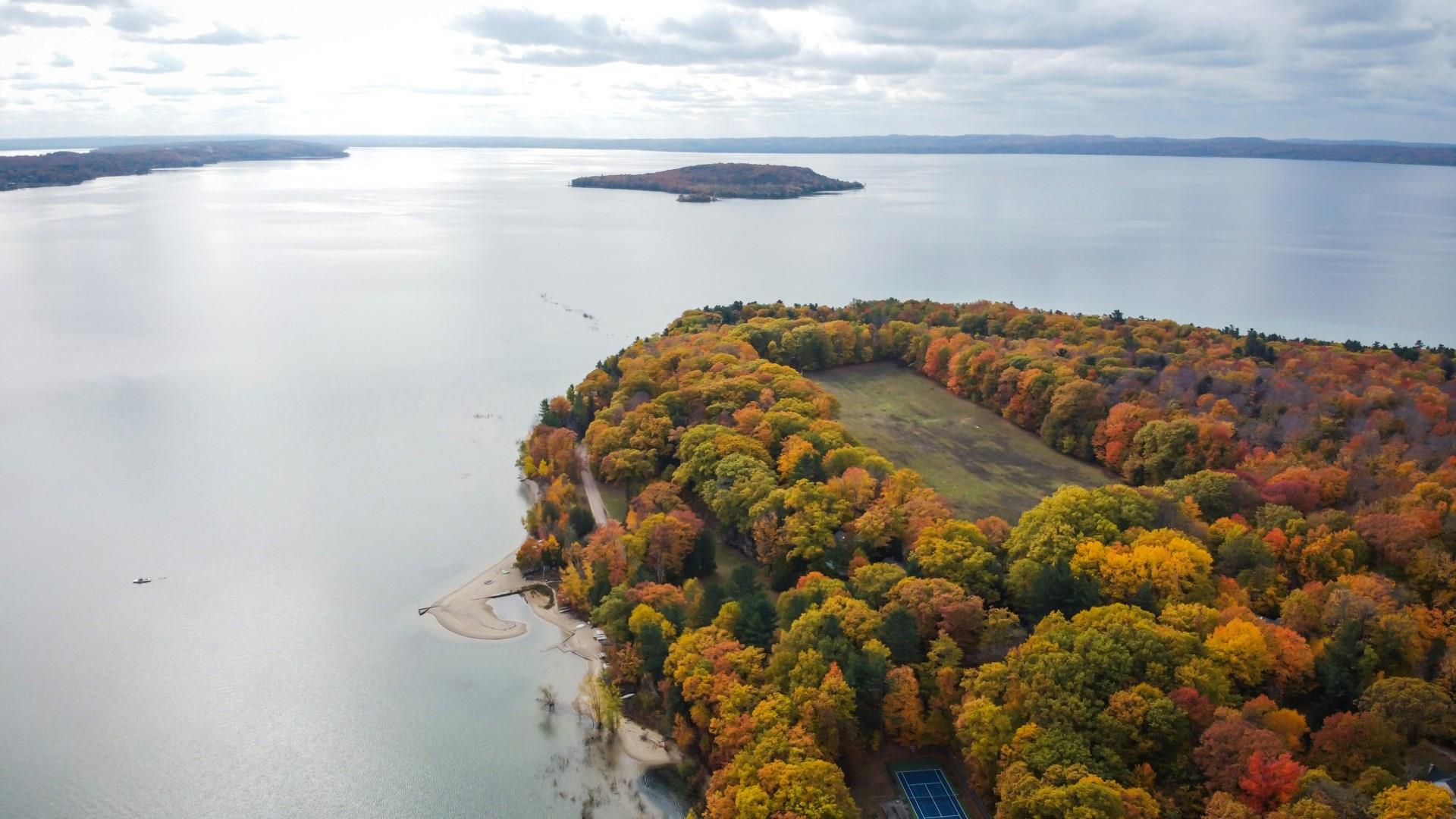
Traverse City
Traverse City offers a delightful blend of natural beauty and vibrant culture. Nestled on the shores of Lake Michigan's Grand Traverse Bay, this charming city is renowned for its stunning waterfront views and picturesque landscapes. The region's pristine beaches, such as Clinch Park, provide an ideal setting for relaxing under the sun or engaging in water sports.

St. Kitts
St. Kitts, part of the twin-island federation of Saint Kitts and Nevis, is known for its volcanic landscape, coastal plains, and long stretches of shoreline. The island’s layout is shaped by its central peaks, including Mount Liamuiga, which rises above surrounding farmland and villages. Basseterre, the capital, serves as the main hub for commerce and government, with a harbor that regularly receives cruise ships.