Thimpu
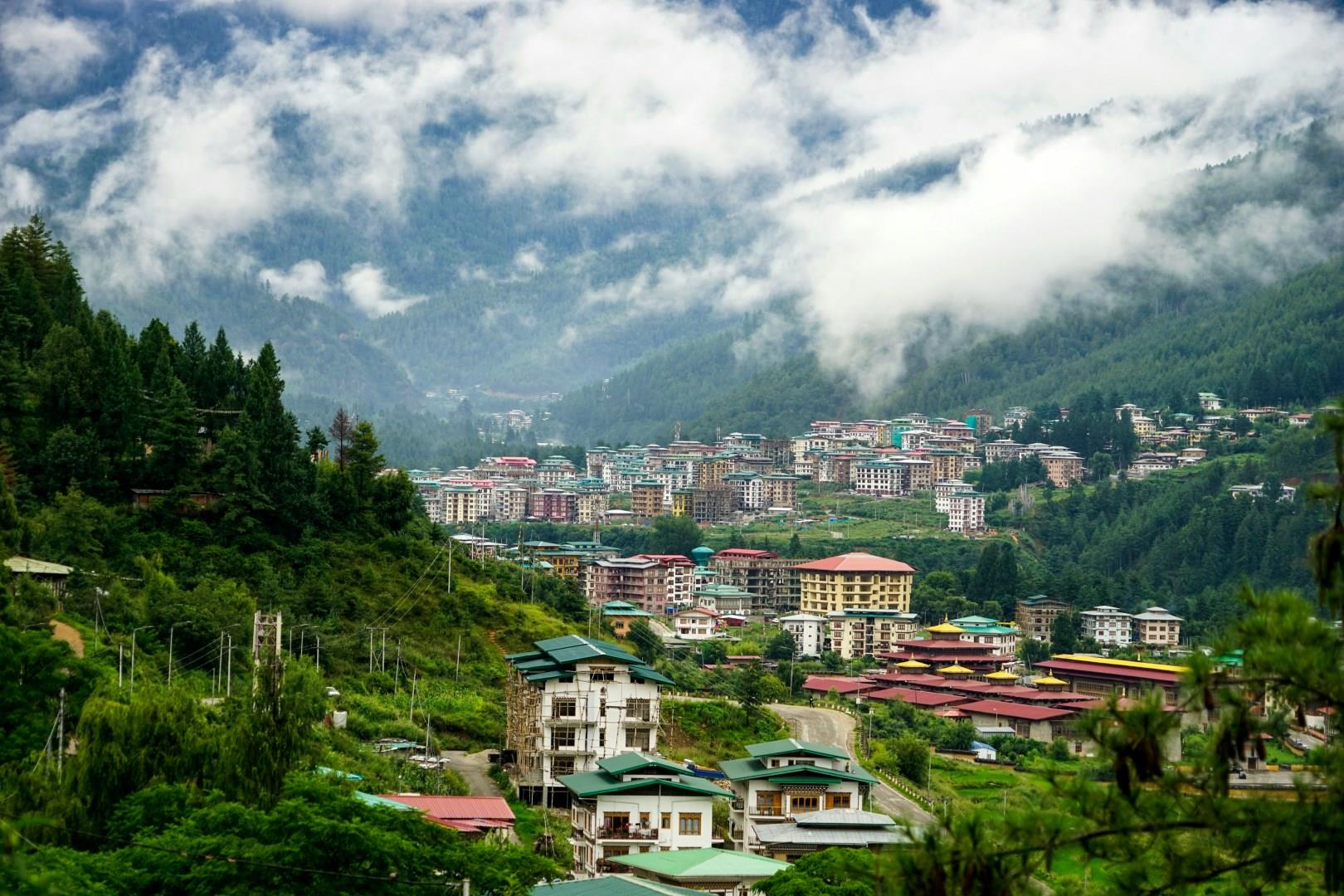
Thimphu, the capital of Bhutan, is a city where tradition and modern life meet in unexpected ways. Streets are lined with traditional Bhutanese architecture, colorful prayer flags, and shops selling handicrafts, while government offices and modern facilities operate alongside centuries-old temples.

Puerto Montt
The city of Puerto Montt sits on the coast of Chile's Lake District and is considered a gateway to some of the country's most breathtaking natural beauty, including the fjords of Patagonia and the impressive Andes mountain range. Puerto Montt often serves as a port for South American cruises.
Tafraoute
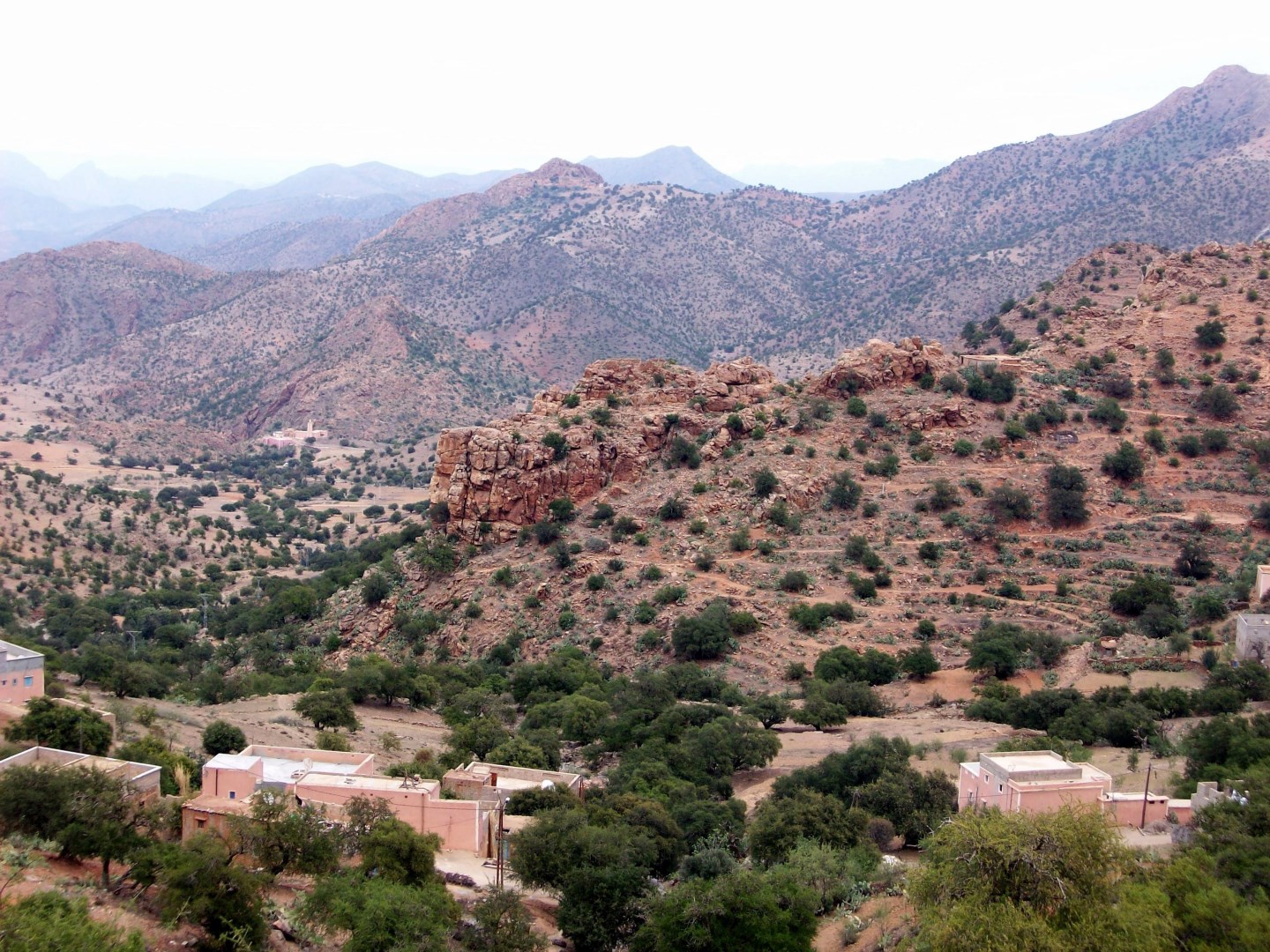
Set within a basin of pink granite mountains, Tafraoute offers a landscape that feels both open and sheltered. The town lies in the Anti-Atlas range, where rounded rock formations rise above palm groves and small farms. As the sun moves across the sky, the rocks shift from soft rose to deep orange, creating a changing backdrop that defines the area. The setting gives Tafraoute a sense of quiet distance, even though it serves as a central hub for nearby villages.
Leleuvia Island
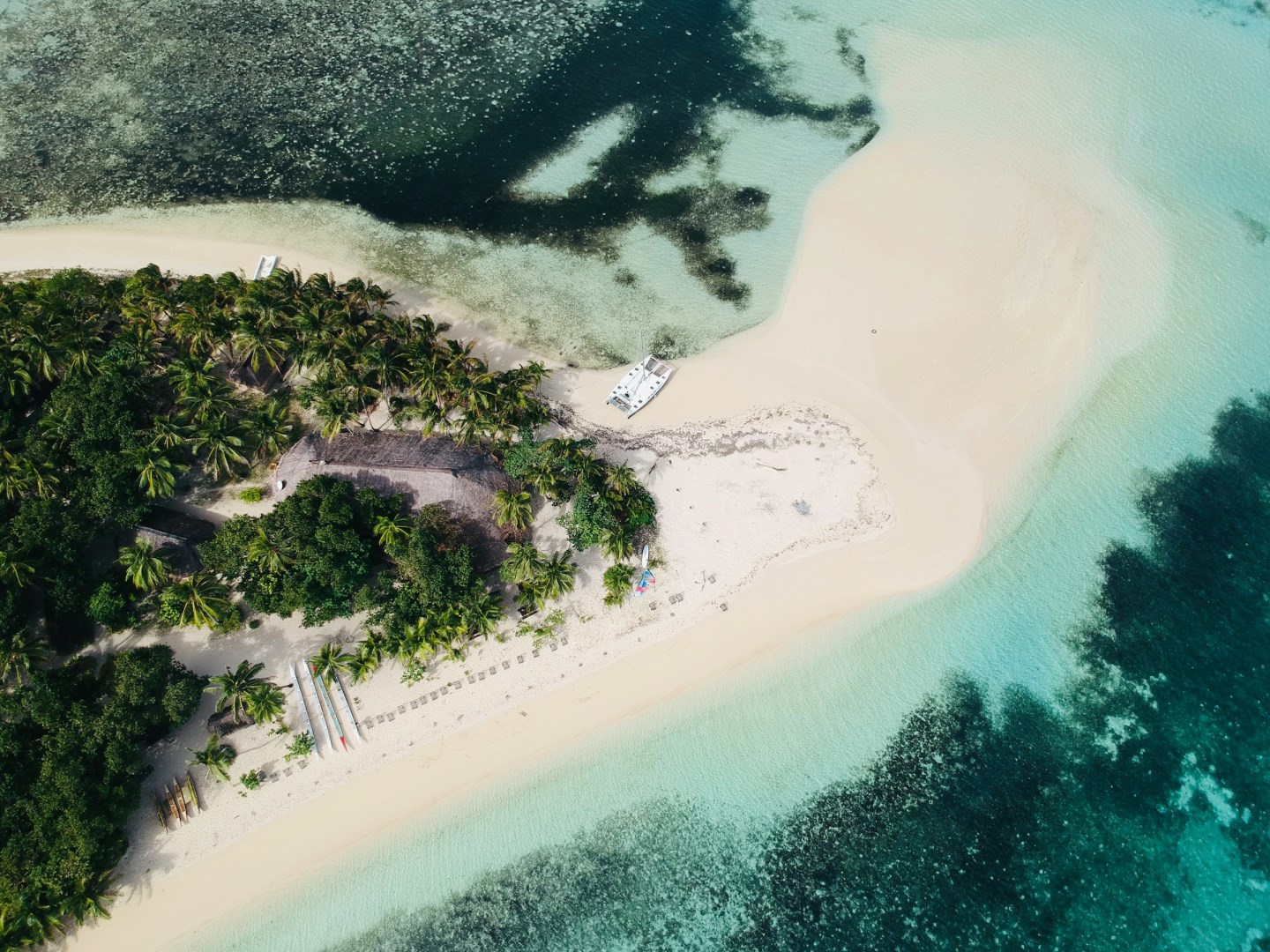
Leleuvia Island is a small island in Fiji’s Lomaiviti group, located off the eastern coast of Viti Levu between Bau, Moturiki and Ovalau.
Boysun
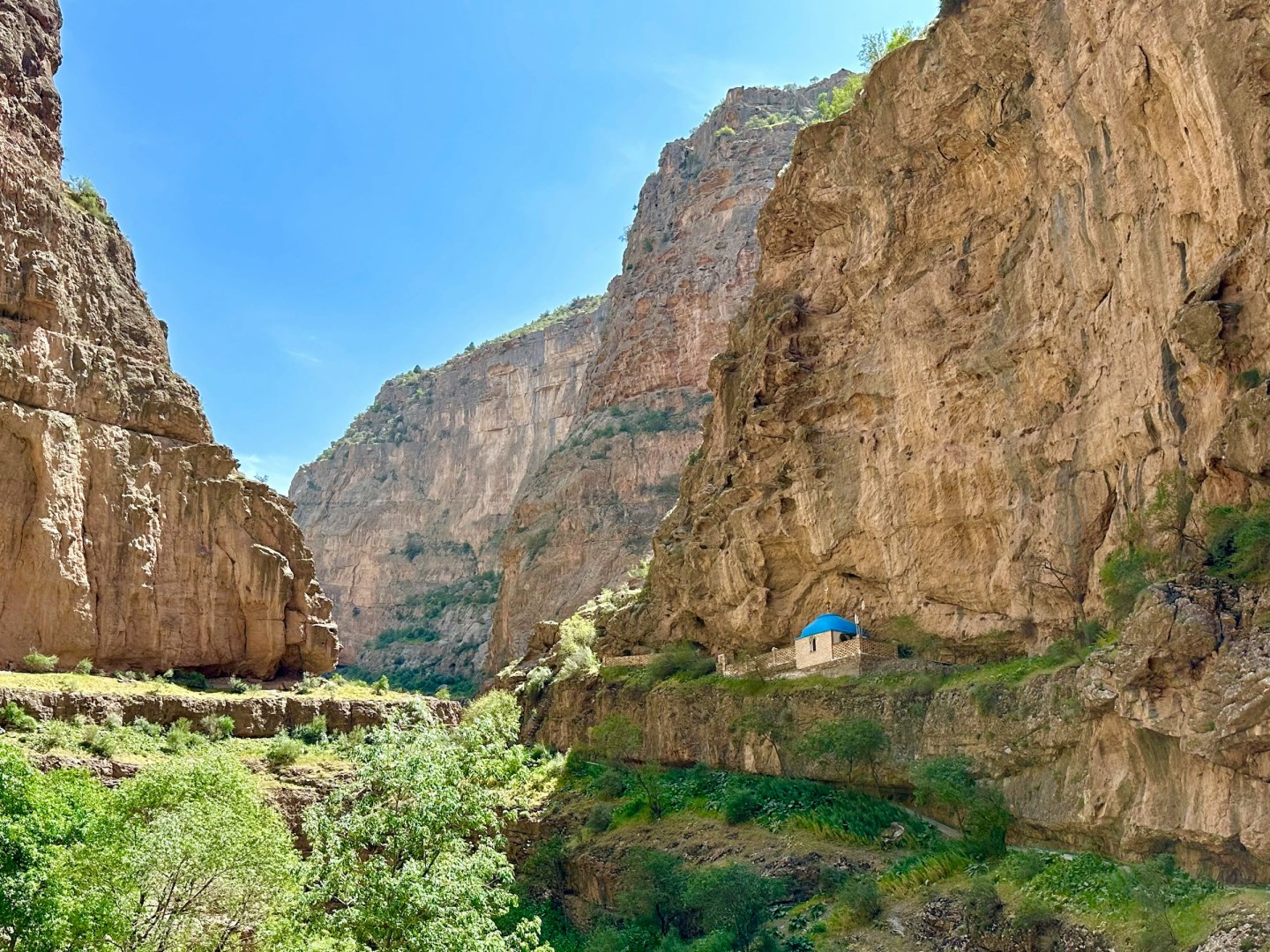
Boysun is a mountain town in the Surkhandarya Region of southern Uzbekistan, set near the western slopes of the Boysuntog‘ range. The surrounding area is known for rugged mountains, deep gorges, caves, and traditional settlements. Boysun’s remote setting has helped preserve distinctive customs, crafts, music, and oral traditions that remain an important part of local identity. The wider Boysun district is recognized by UNESCO for its cultural space, which includes traditional performing arts, ri