Erindi Private Game Reserve
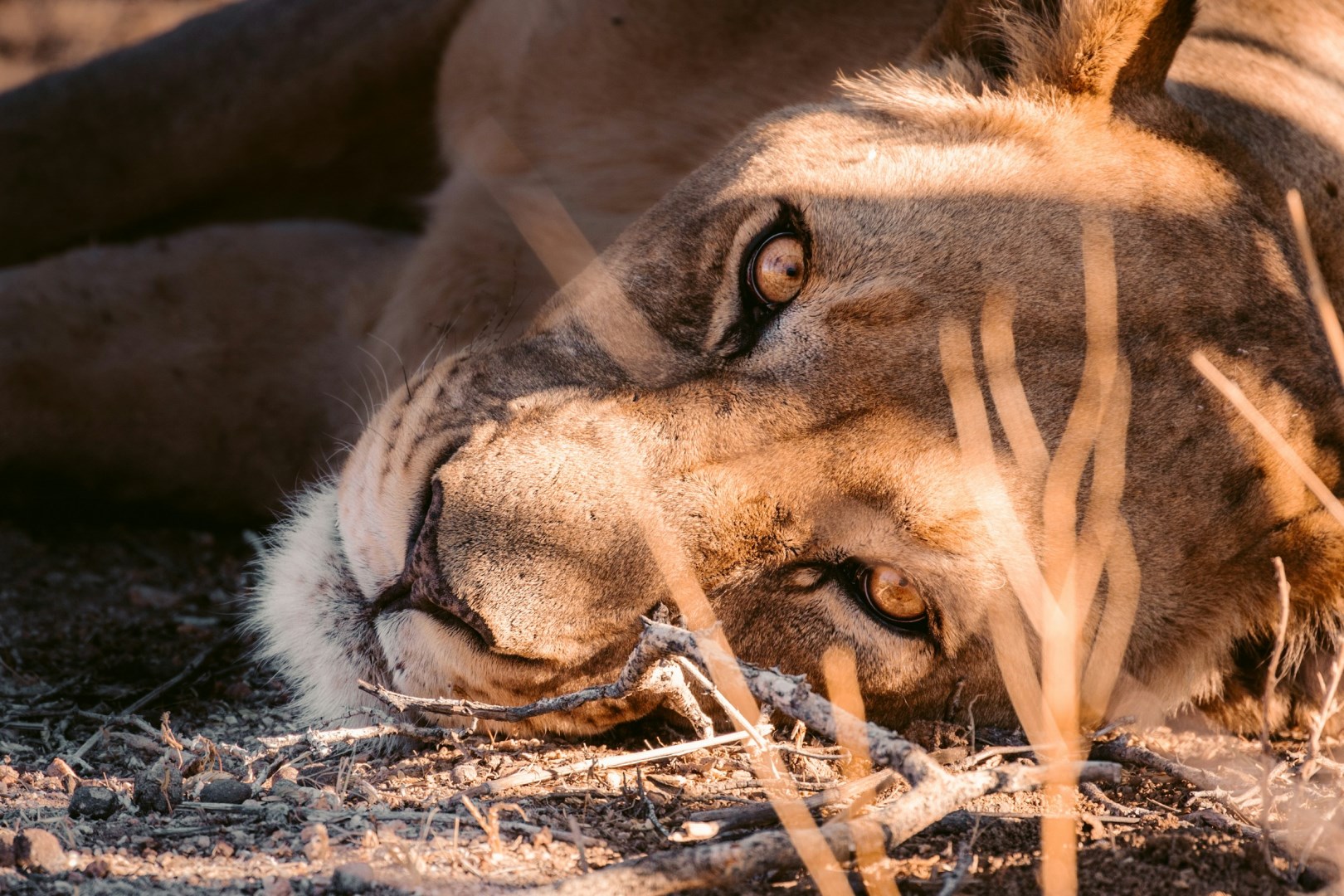
Erindi Private Game Reserve is a large wildlife area in central Namibia, situated between Windhoek and the coast. The reserve covers a broad landscape of open savanna, dry woodland, rocky hills, and seasonal watercourses. Its name comes from a Herero word meaning “place of water,” reflecting the importance of water sources within the reserve’s semi-arid environment.
Oklahoma City
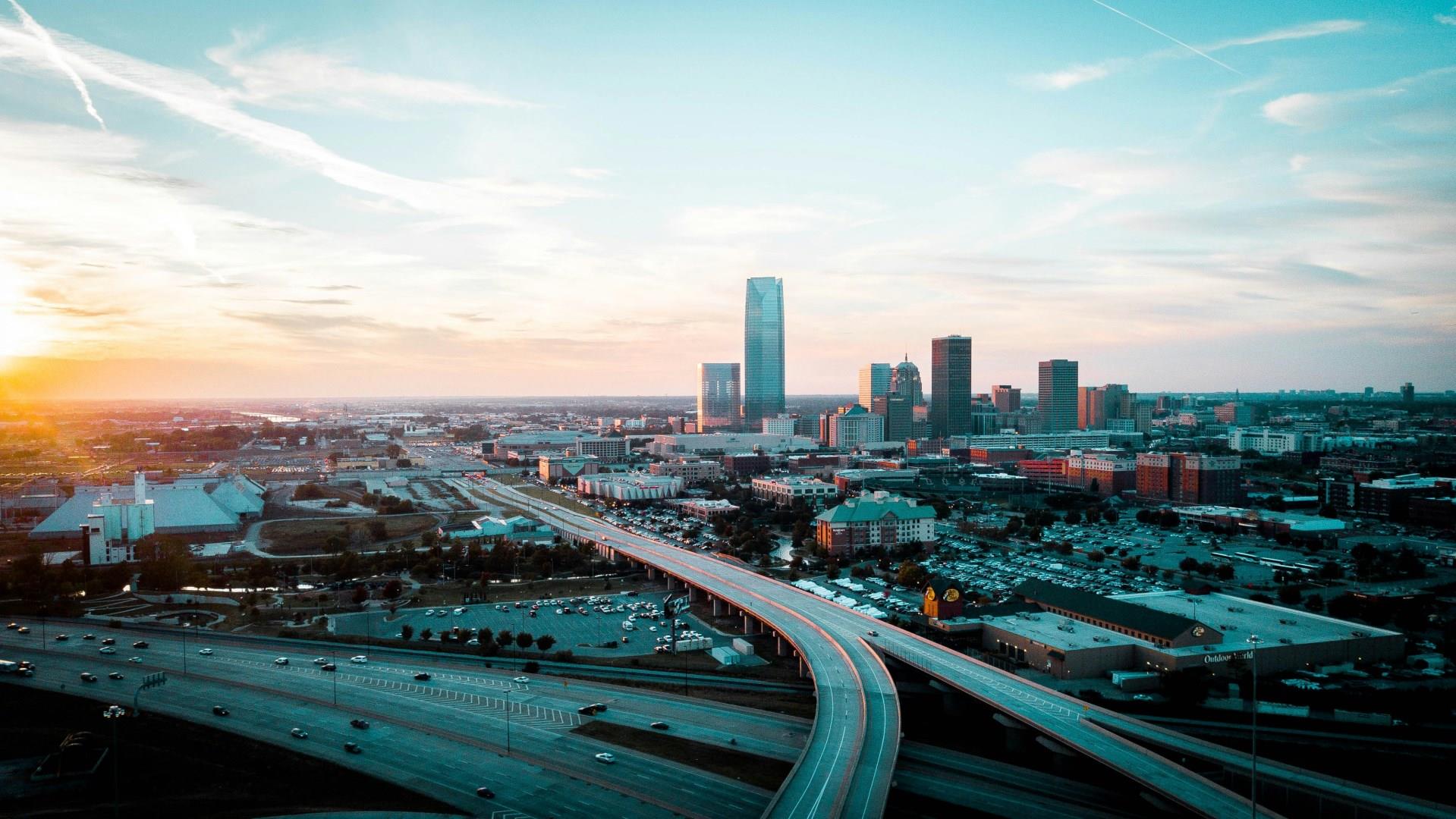
Oklahoma City stands at the crossroads of Western tradition and modern energy. It’s a place where cowboy boots walk into sleek coffee shops, and horse shows take place just a few miles from contemporary art galleries. A good starting point is the National Cowboy & Western Heritage Museum, home to one of the largest collections of Western art and artifacts in the world.
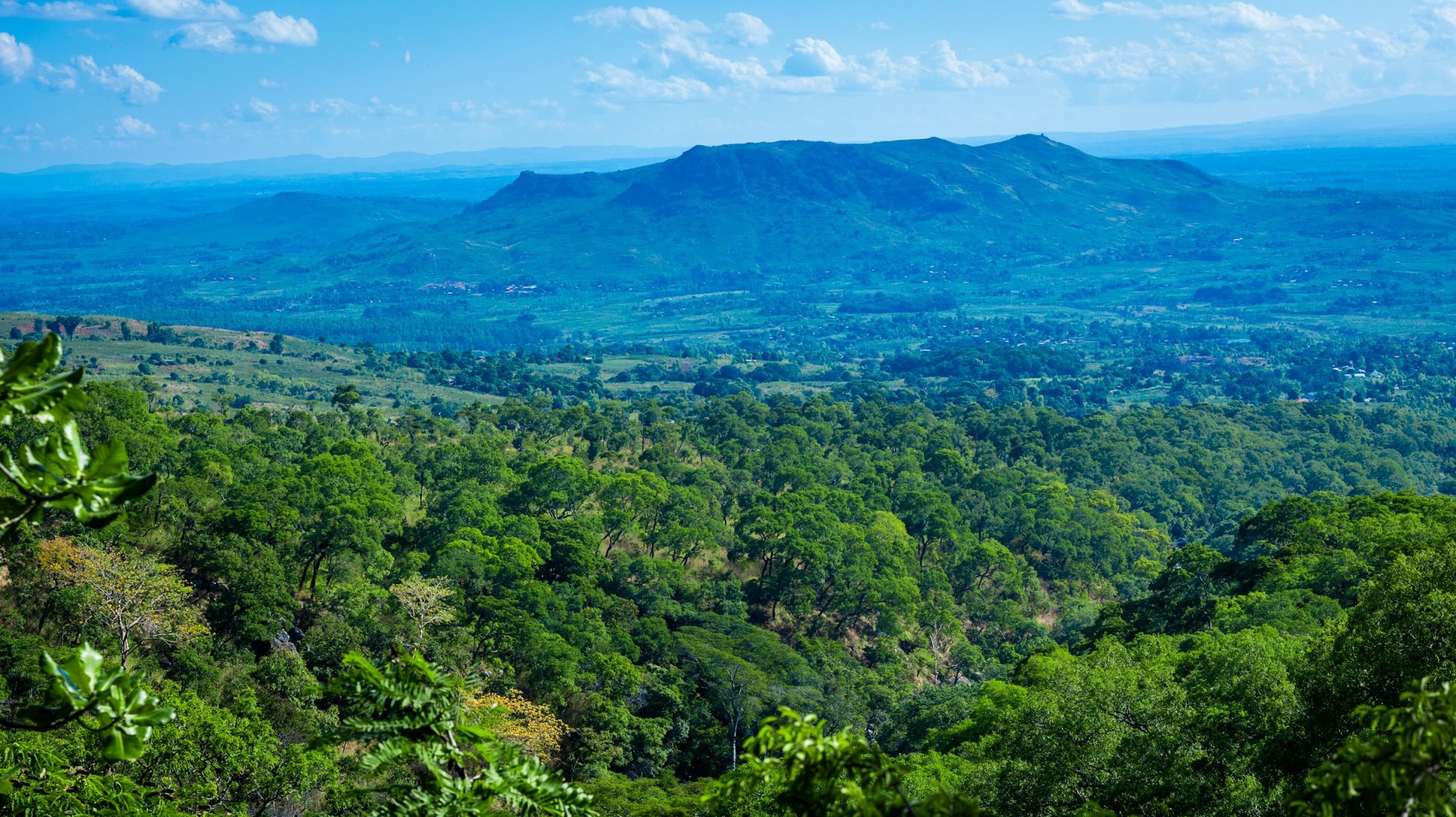
Zomba
Zomba is a city in southern Malawi situated at the foot of the Zomba Plateau, a large mountain massif rising above the surrounding Shire Highlands. The city is known for its tree-lined streets, cooler climate, and access to forested mountain landscapes. Zomba Plateau dominates the local scenery, with steep slopes, streams, waterfalls, and broad viewpoints overlooking the plains below.
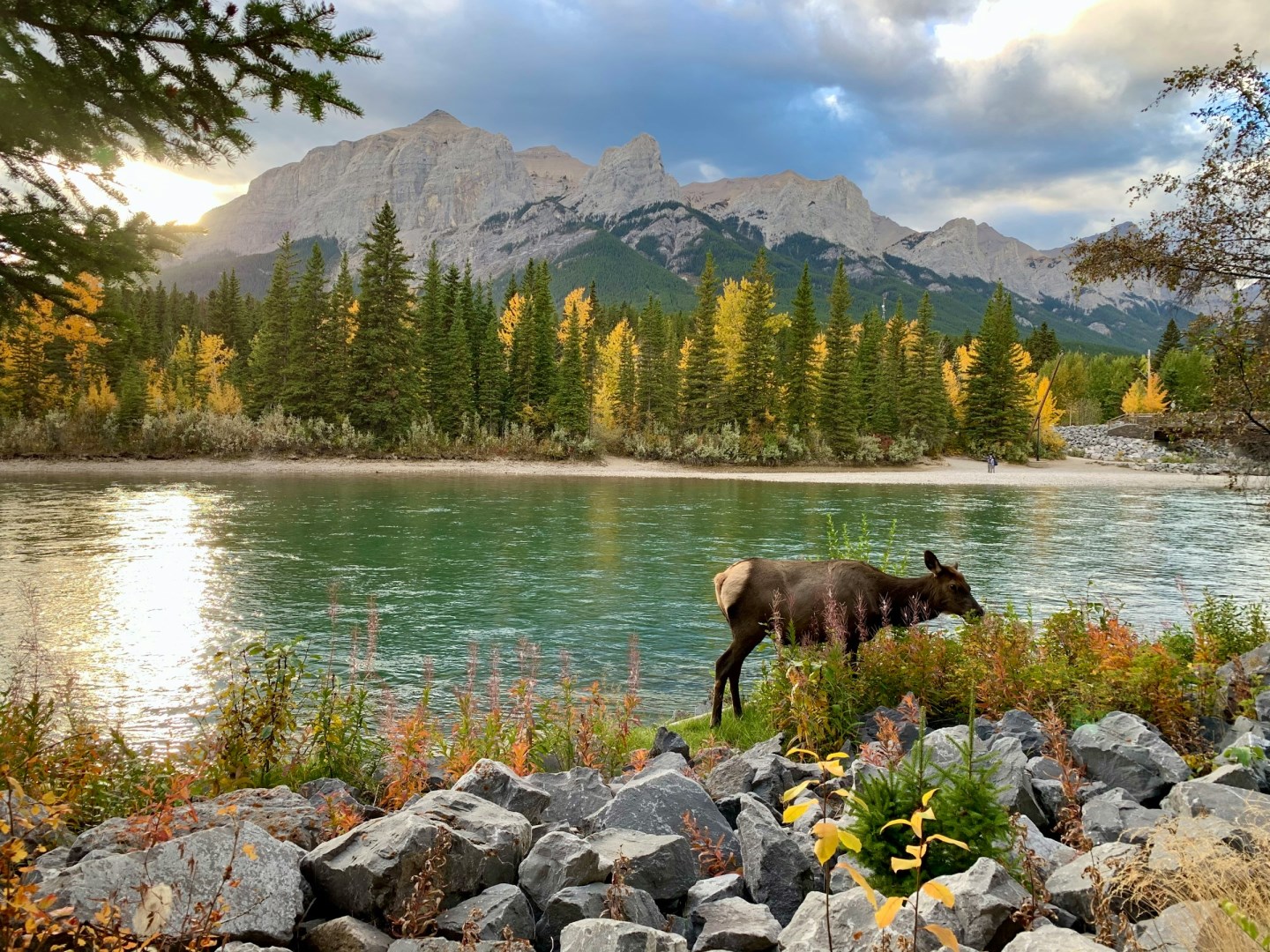
Bow River
The Bow River is one of Alberta’s best-known waterways, flowing from the Canadian Rockies through Banff National Park before continuing across the foothills and plains toward Calgary. Its headwaters are fed by glaciers and mountain snow, giving the river a cold, clear character and connecting high alpine landscapes with the prairie environment downstream.

Nashville
Nashville, Tennessee, the dynamic "Music City," is a cultural gem in the American South that radiates energy and charm. Renowned for its rich musical heritage, Nashville is the birthplace of country music and home to iconic landmarks like the Grand Ole Opry and the Ryman Auditorium. The Country Music Hall of Fame and Museum captures this deep-rooted history through a vast collection of memorabilia and interactive exhibits that tell the story of American music.