Singapore
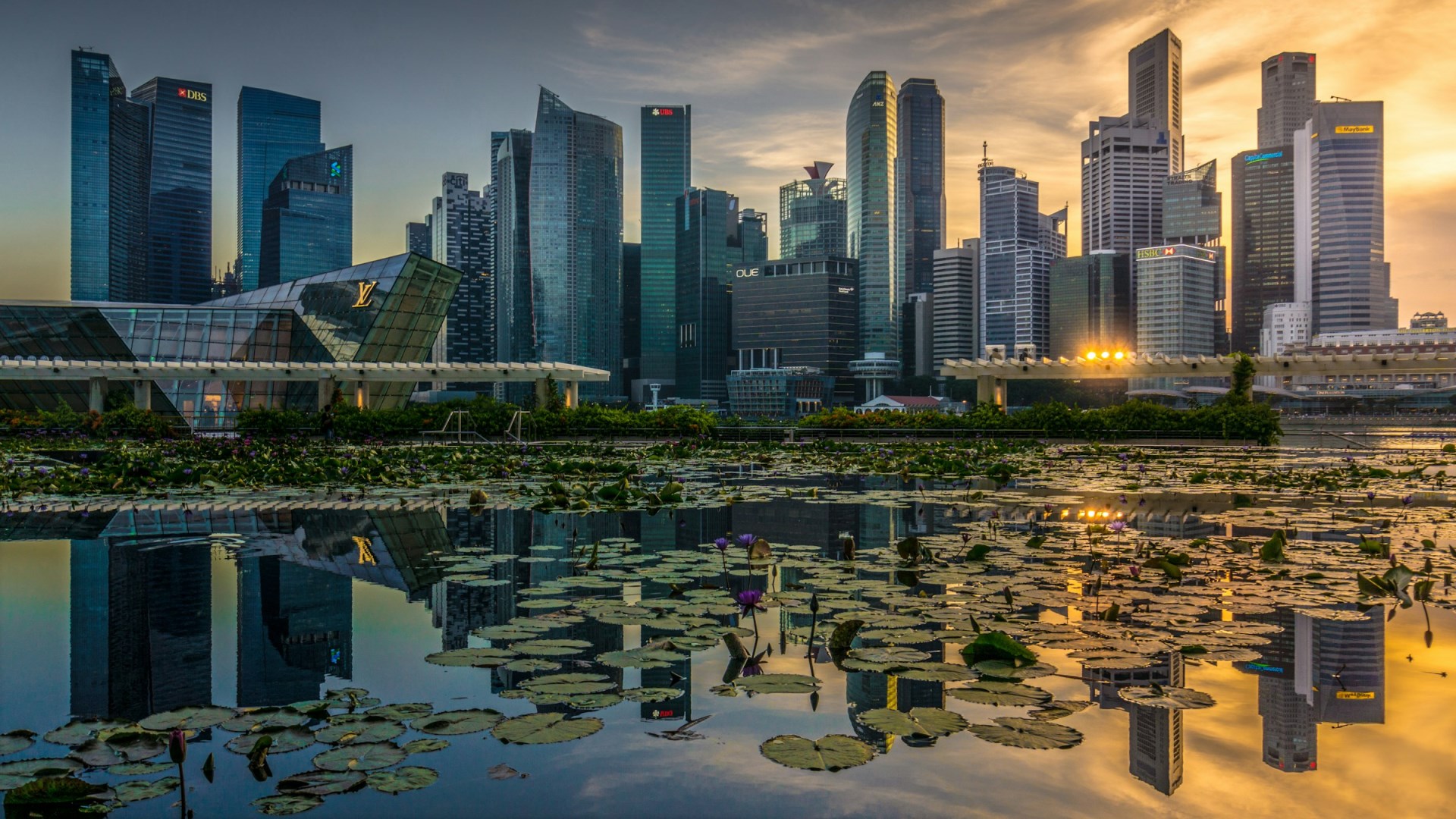
Singapore, a sovereign city-state in Southeast Asia, is known for its blend of modern innovation, cultural diversity, and green urban planning. Its skyline features striking architecture such as Marina Bay Sands and the Supertree Grove at Gardens by the Bay, while its neighborhoods highlight cultural influences from Chinese, Malay, Indian, and Peranakan heritage. The city is also celebrated for its efficiency, safety, and status as a global financial hub.
Hakataku Fukuoka
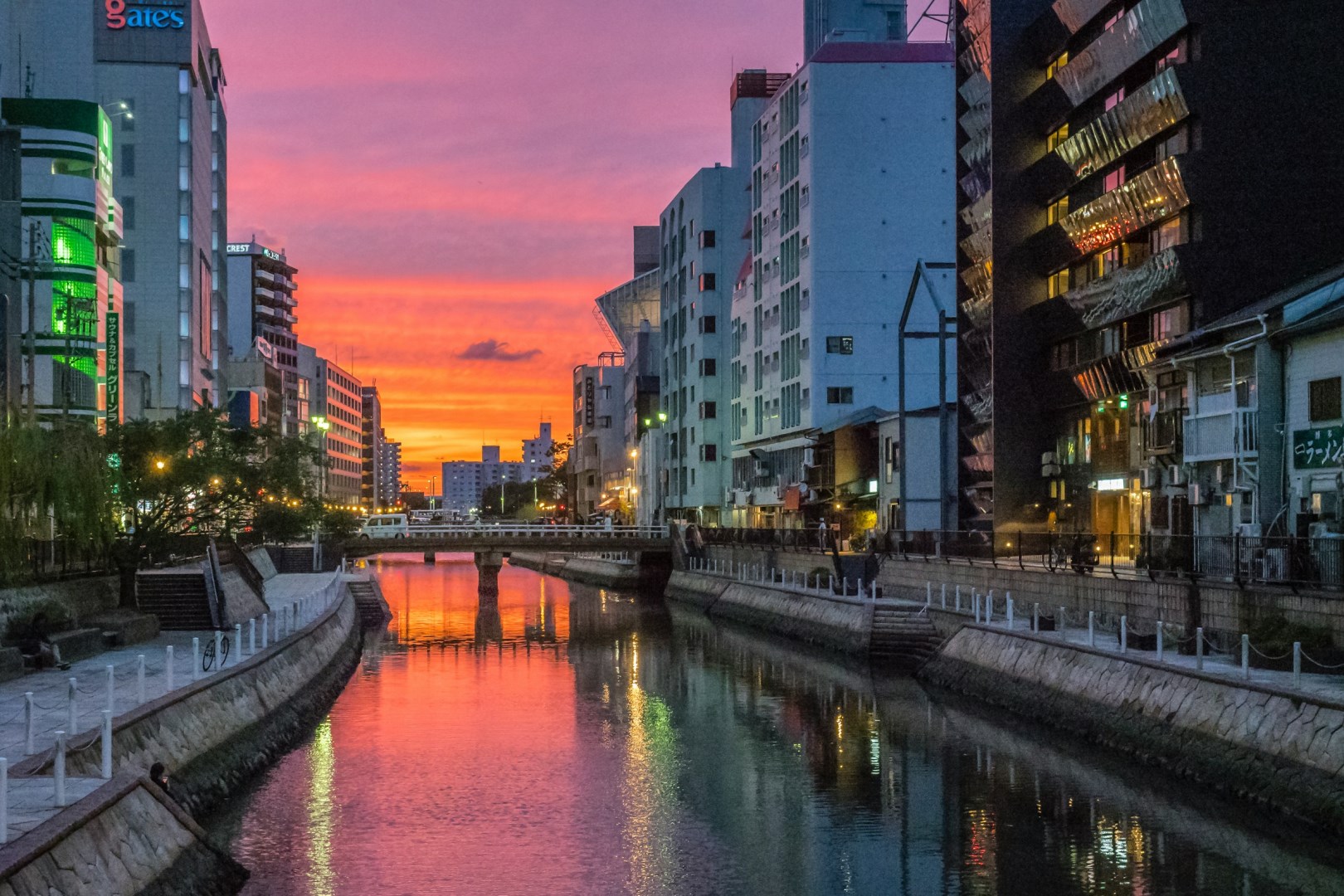
Hakata-ku, a central ward of Fukuoka City in Japan’s Kyushu region, is a lively blend of history, commerce, and culture. Once an independent merchant town, Hakata played a major role in Japan’s early international trade with China and Korea, shaping its cosmopolitan identity.

Jodhpur
Jodhpur, often called the "Blue City" of India, is located on the edge of the Thar Desert in the state of Rajasthan. The city is famous for the blue-painted houses in its old quarter, which create a striking contrast against the golden hue of the desert landscape.
Sioux Falls
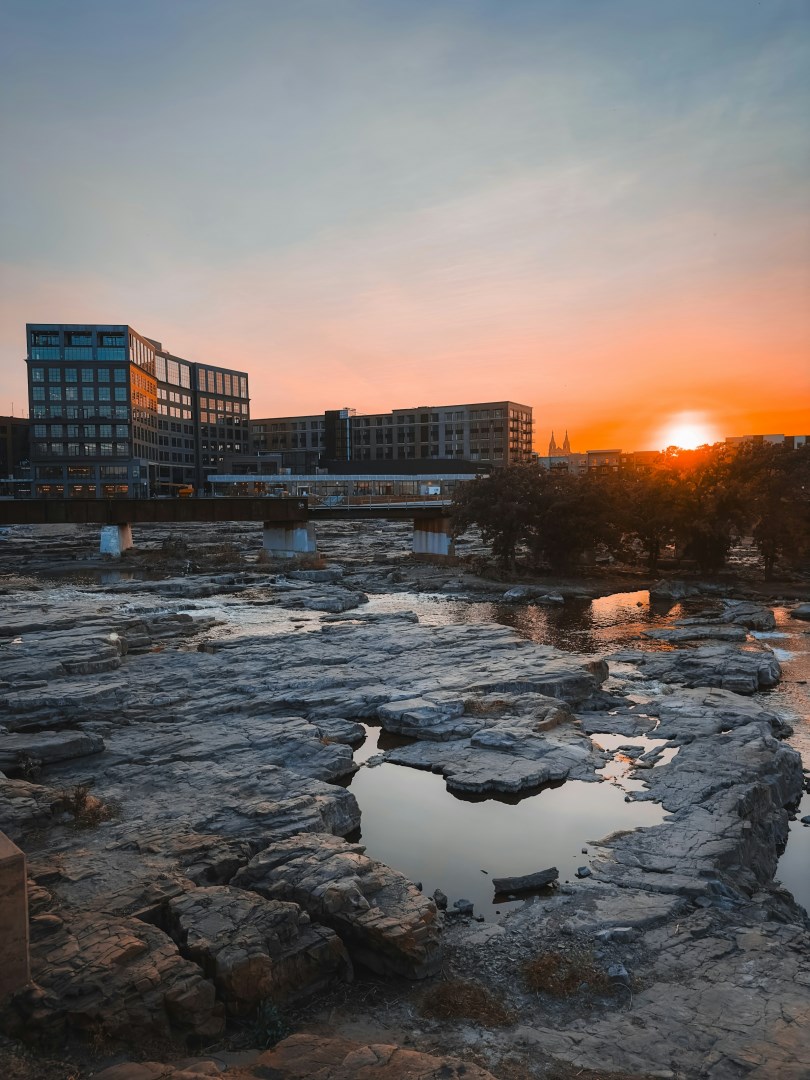
Sioux Falls is South Dakota’s largest city, located in the southeastern part of the state along the Big Sioux River. The river is central to the city’s landscape, most notably where it passes over a series of pink quartzite ledges at Falls Park. Around the urban area, the terrain opens into the broad prairie of the Great Plains, with farmland and gently rolling countryside extending beyond the city.
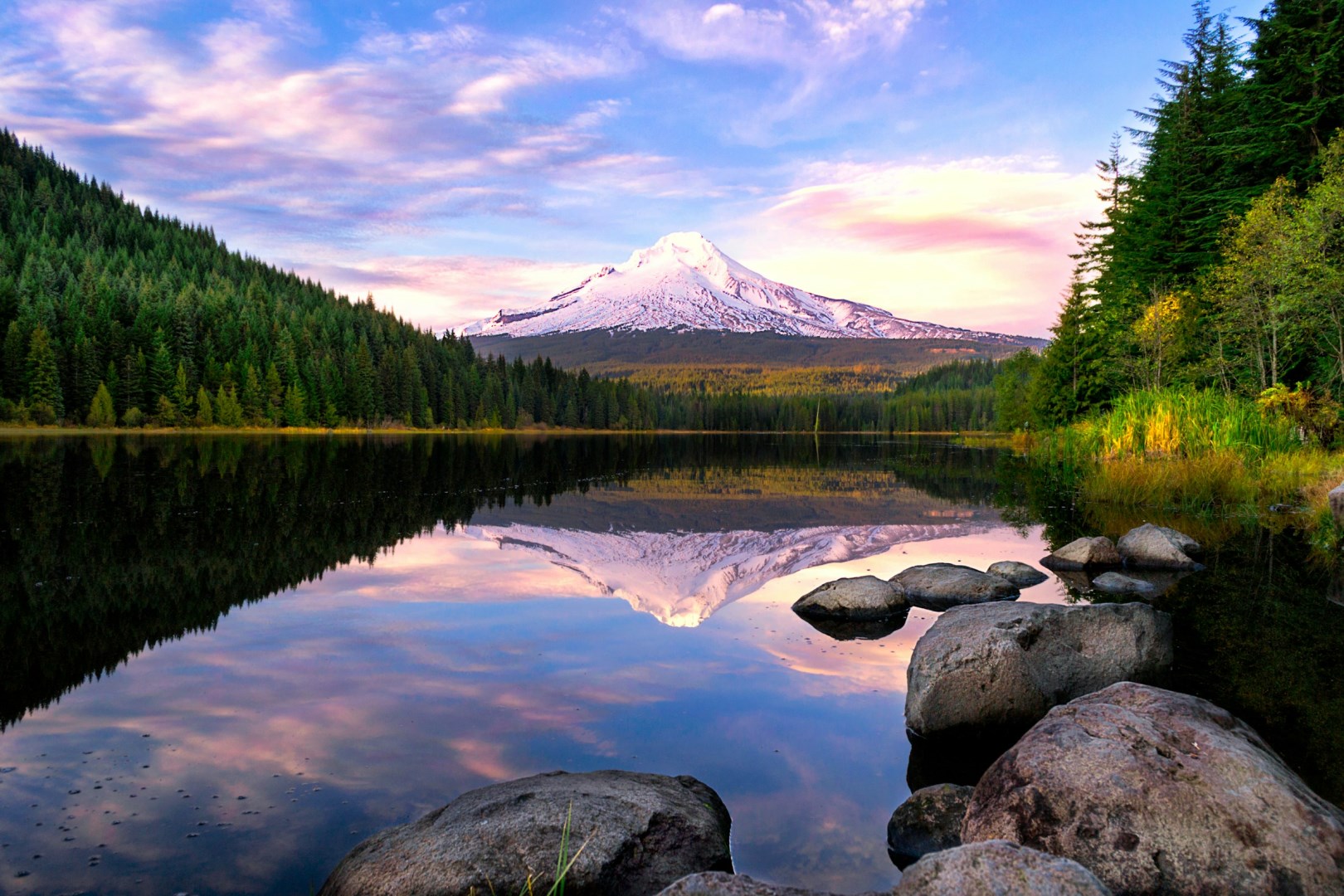
Mt Hood
Nestled in the heart of the Pacific Northwest, Mt. Hood, Oregon, is a stunning natural playground renowned for its diverse outdoor activities and breathtaking landscapes. In winter, Mt. Hood transforms into a skiing and snowboarding paradise at Timberline Lodge, which boasts the longest ski season in North America. The lodge itself is a historic gem, built in the 1930s and featured in the iconic film "The Shining."