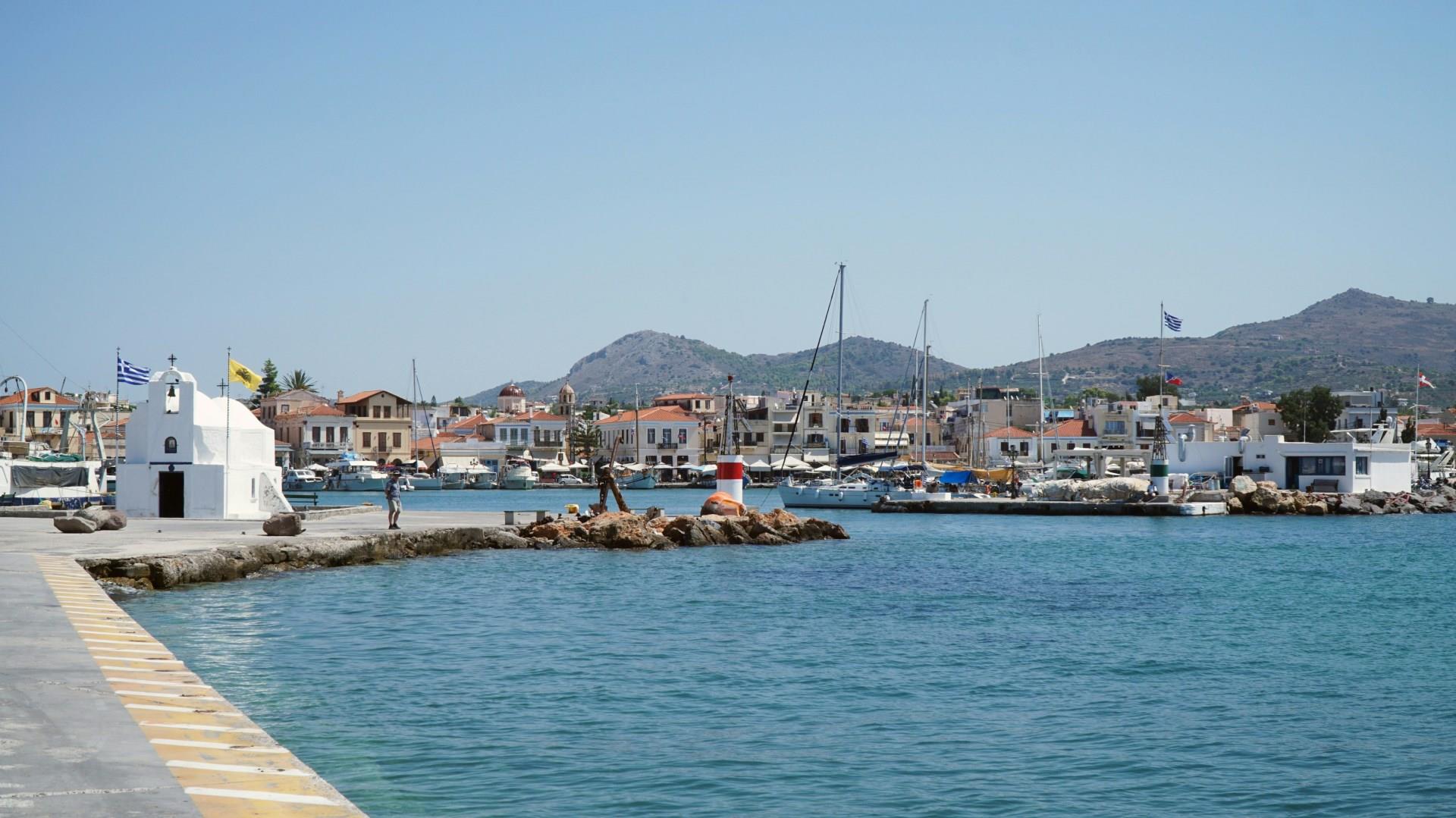
Aegina
Aegina, one of the Saronic Islands of Greece, is a short ferry ride from Athens yet feels far removed from the capital’s energy. Known since antiquity as a thriving maritime and cultural center, the island still preserves echoes of its past in archaeological sites and traditional villages.
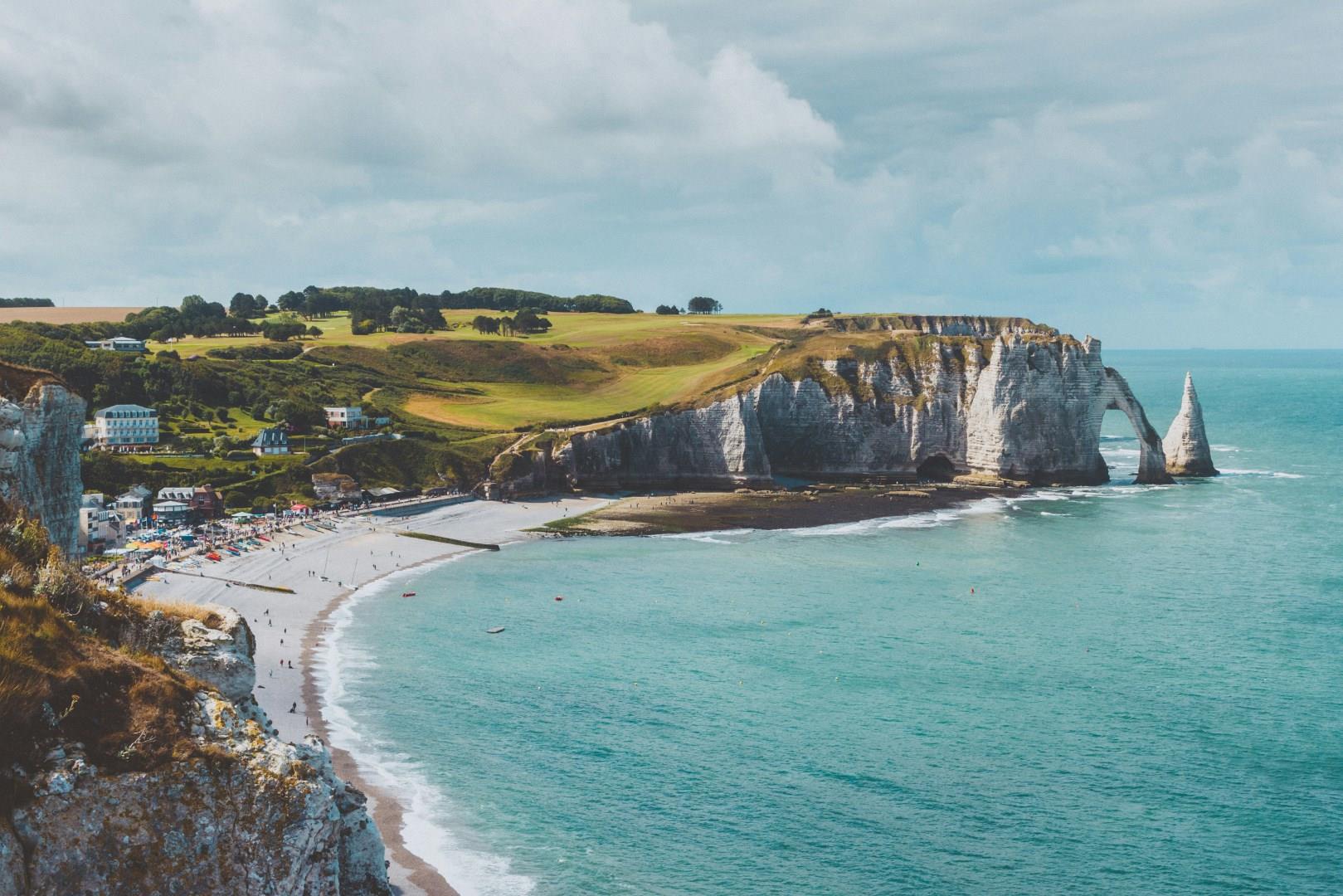
Étretat
Étretat, a small coastal town in Normandy, France, is celebrated for its dramatic white chalk cliffs and natural rock arches that rise strikingly above the English Channel.

Agra
Once the capital of the Mughal Empire, Agra, India is now a cultural capital replete with famous landmarks and striking architecture. The city’s most prominent draw is the magnificent Taj Mahal, the iconic white marble mausoleum and a UNESCO World Heritage Site visited by millions of people each year.
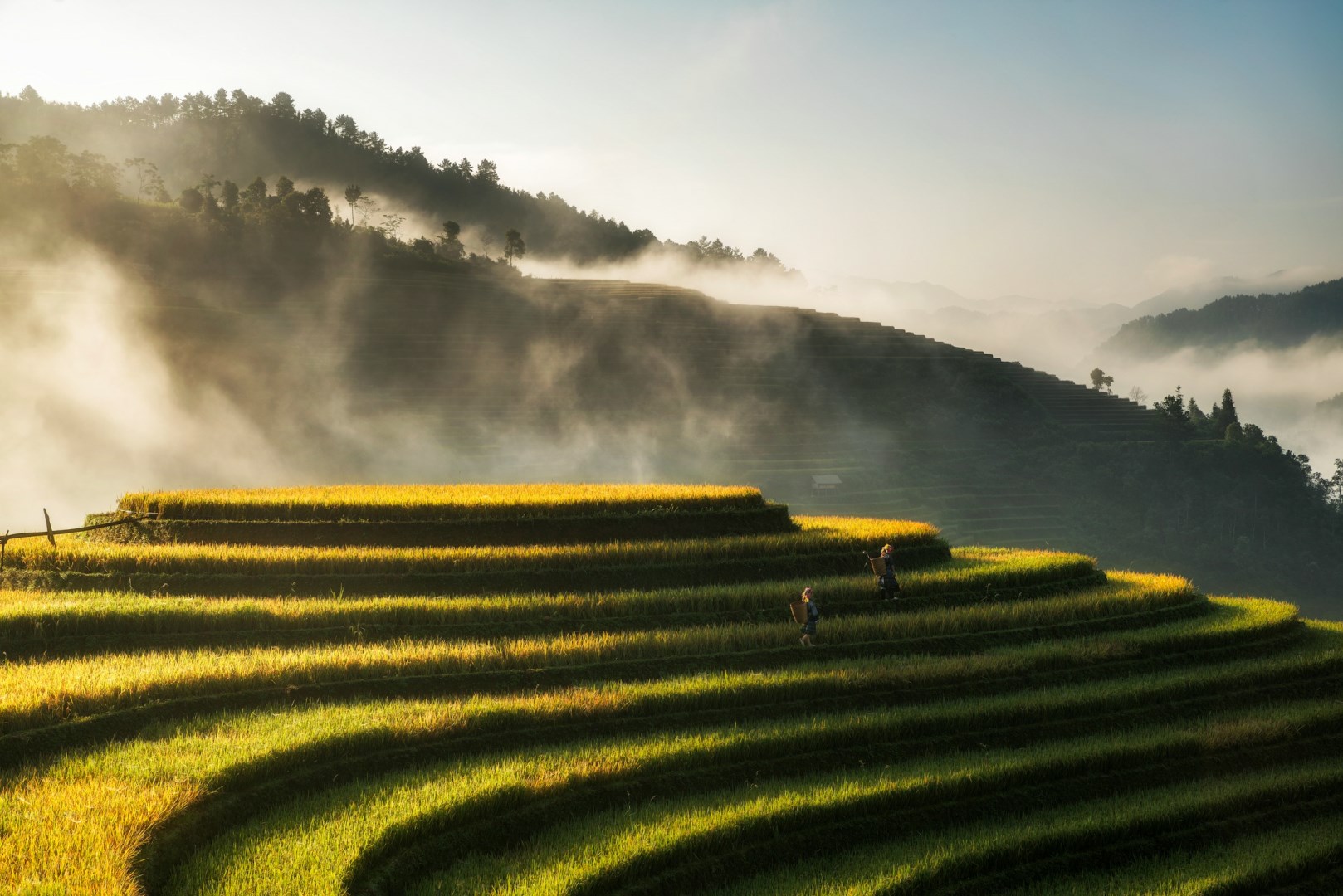
Mù Cang Chải
The scenic Mu Cang Chai rice terraces are one of the most popular tourist and photographer locations in the world! The best time to visit is from Mid-September to Mid-October during the season when the rice fields are ready for harvest.

Whistler
Whistler, nestled in the Coast Mountains of British Columbia, is a year-round destination renowned for its world-class skiing and vibrant outdoor lifestyle. As home to the largest ski resort in North America, Whistler Blackcomb, this picturesque town transforms into a snowy wonderland each winter.