San Juan
San Juan, Puerto Rico’s capital, is a city where cobblestone streets lead to centuries-old forts and pastel-colored buildings overlook the Atlantic. The district of Old San Juan is a UNESCO World Heritage Site, known for its Spanish colonial architecture and thick stone walls that once defended the city from pirates and naval attacks. The city hosts regular events such as La Campechada, which celebrates Puerto Rican art and literature with live performances and open-air exhibits.

Torres Del Paine
This is a wild and beautiful area unlike anywhere else in the world. Torres del Paine lies between the central spine of the Andes, nearly buried under a massive ice cap and the steppes of Southern Patagonia.
Jaco Beach
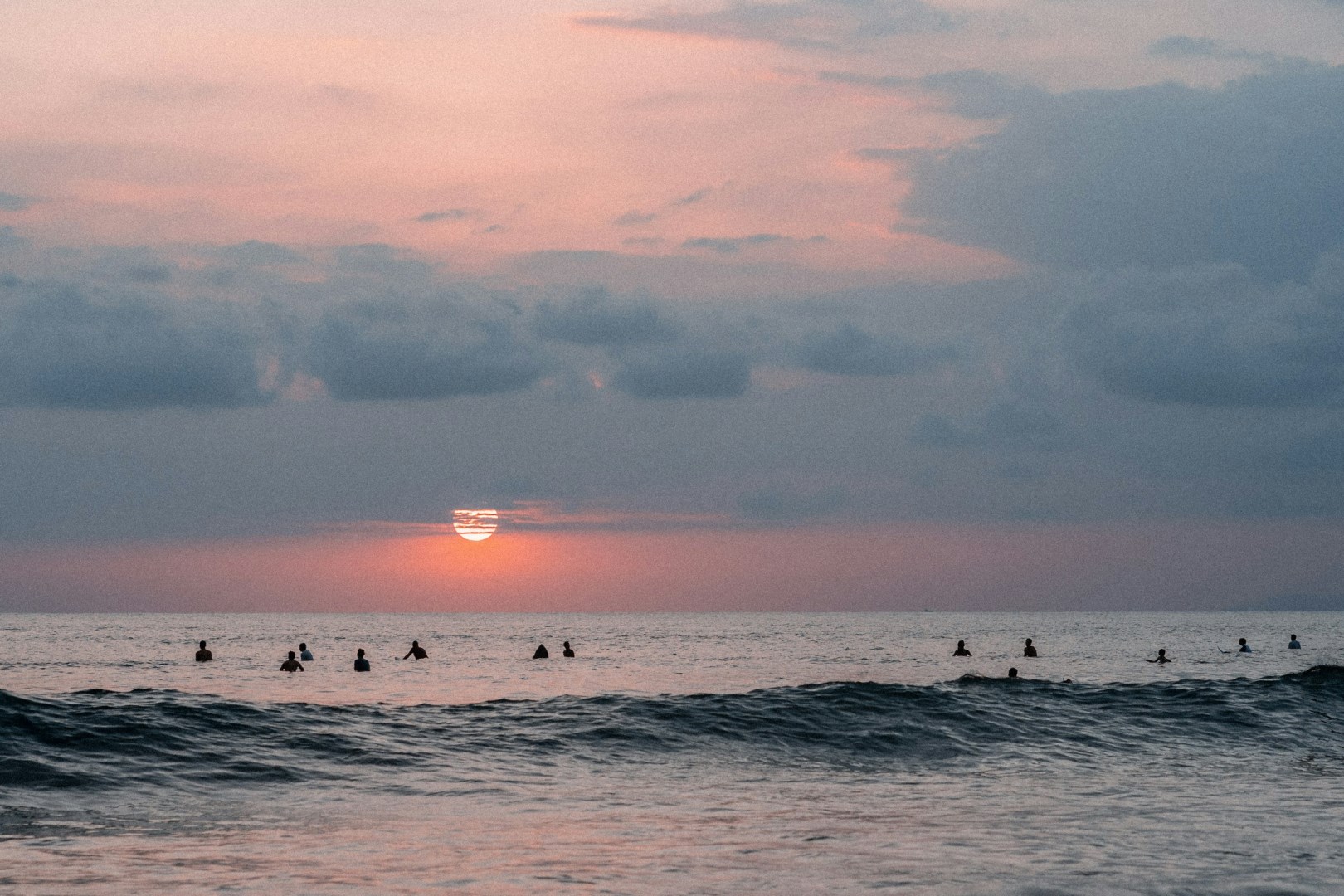
A popular resort area with a white sandy bay, Jaco is a quiet place. Approximately a one hour and 45 minute drive from San Jose.

Puno
Situated on the shore of Lake Titicaca, Puno is referred to as the folkloric capital of Peru due to its artistic and cultural expressions, particularly dance. Notable landmarks include the Andean baroque-style Puno Cathedral and the Yavari, a 19th-century steamship. Products created from alpaca, llama, or sheep wool are a signature of the area, as well as musical instruments like the siku.
Miltenberg
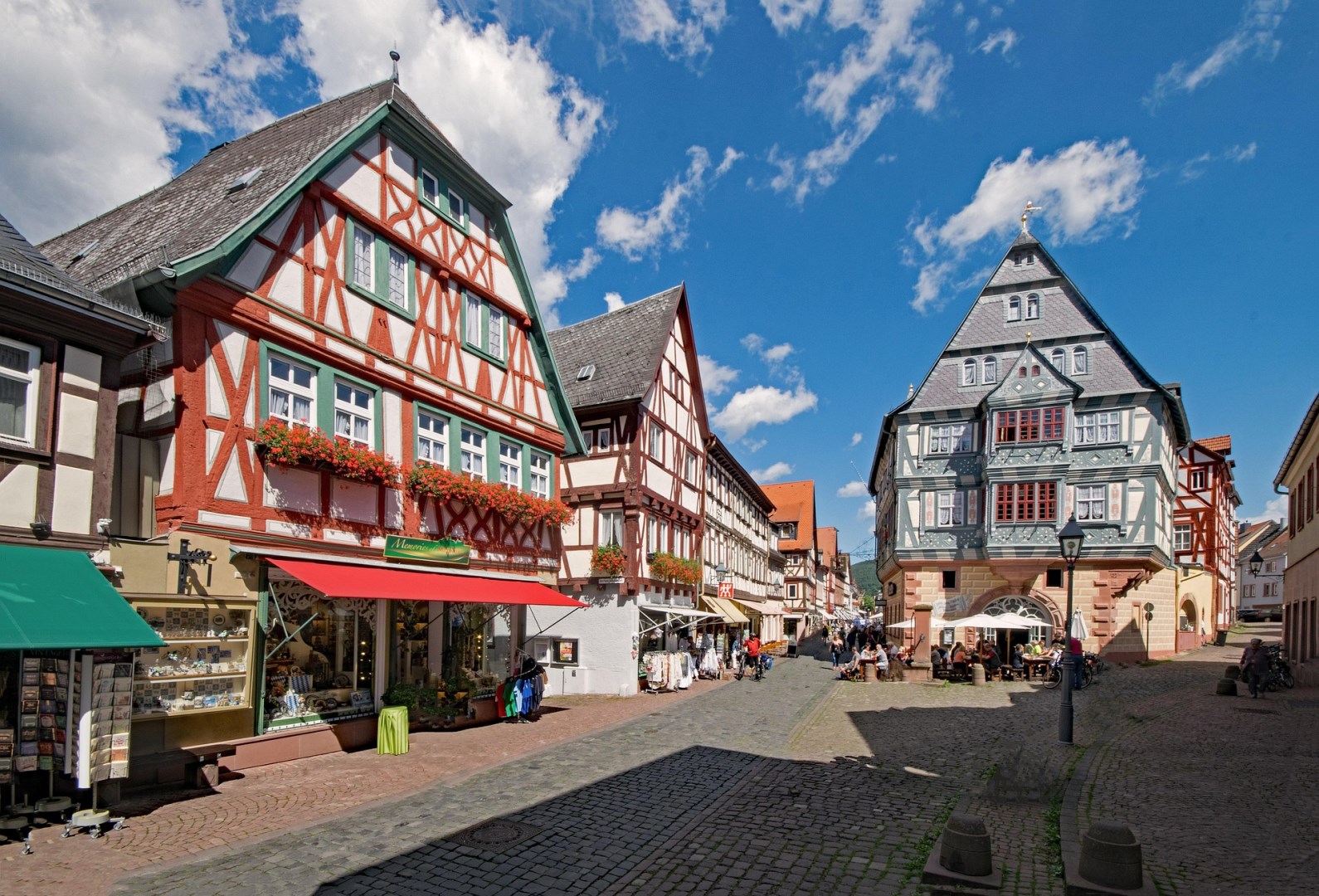
Set along a gentle curve of the Main River in Bavaria, the town of Miltenberg presents a streetscape that feels carefully preserved rather than rebuilt. Rows of half-timbered houses line a single main street, their wooden beams and painted facades forming one of the most photographed scenes in Germany. The old market square, known as the Schnatterloch, draws attention with its sandstone fountain and tightly packed historic buildings, creating a setting that has remained largely unchanged.