Nikko
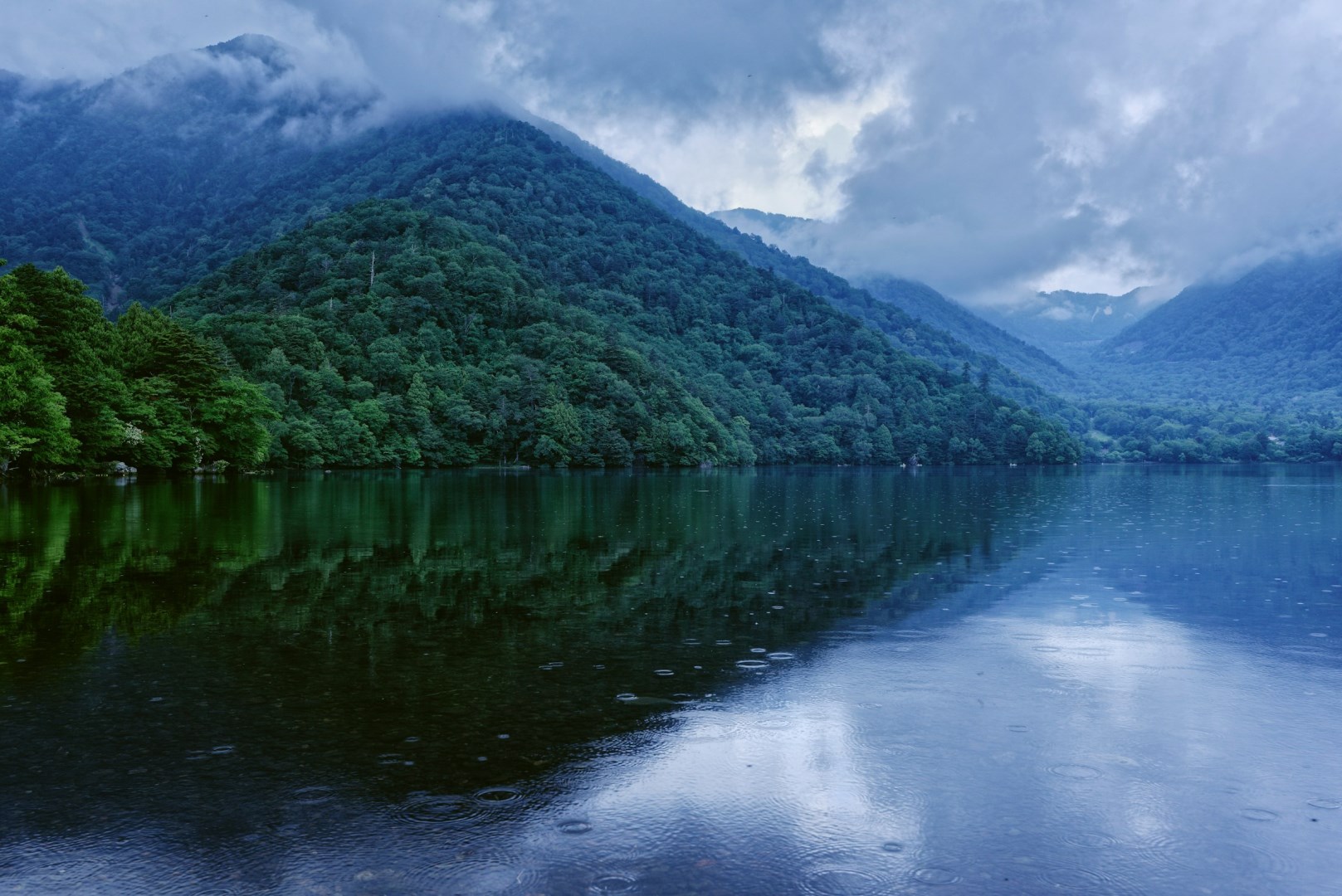
Nikko lies in Tochigi, about two hours from Tokyo. Nikko is famous for the large Toshogu shrine area and the nature around the city.
Outjo
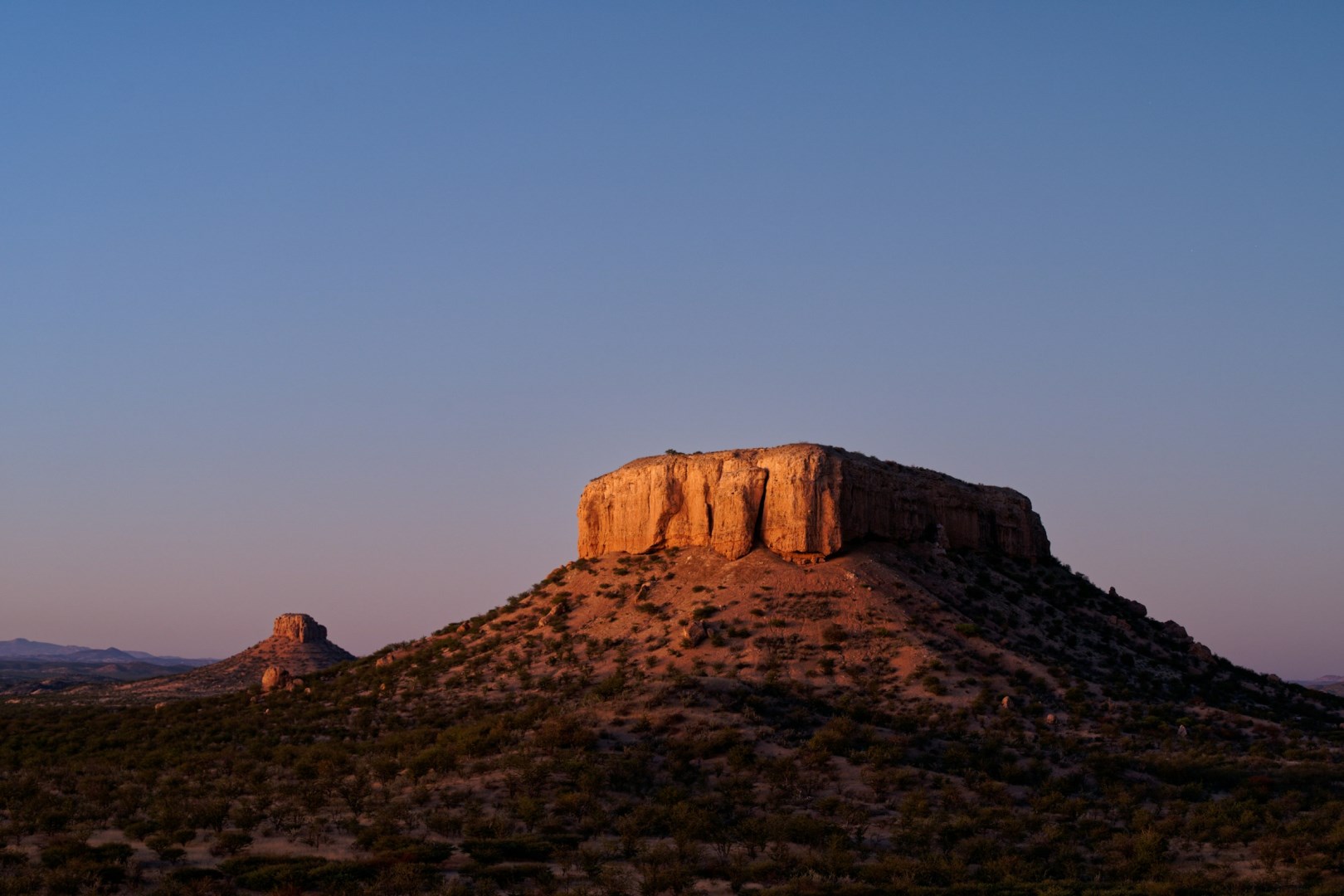
Outjo is a small town in Namibia’s Kunene Region and an important stop on the route toward Etosha National Park and the dry landscapes of Damaraland. It sits among low hills and open bushveld, with the town serving as a practical center for travelers, local residents, and nearby farming communities. Its location makes it a useful base for exploring the southern part of Etosha, while roads from Outjo also lead toward Khorixas and Kamanjab.
Portland, Maine
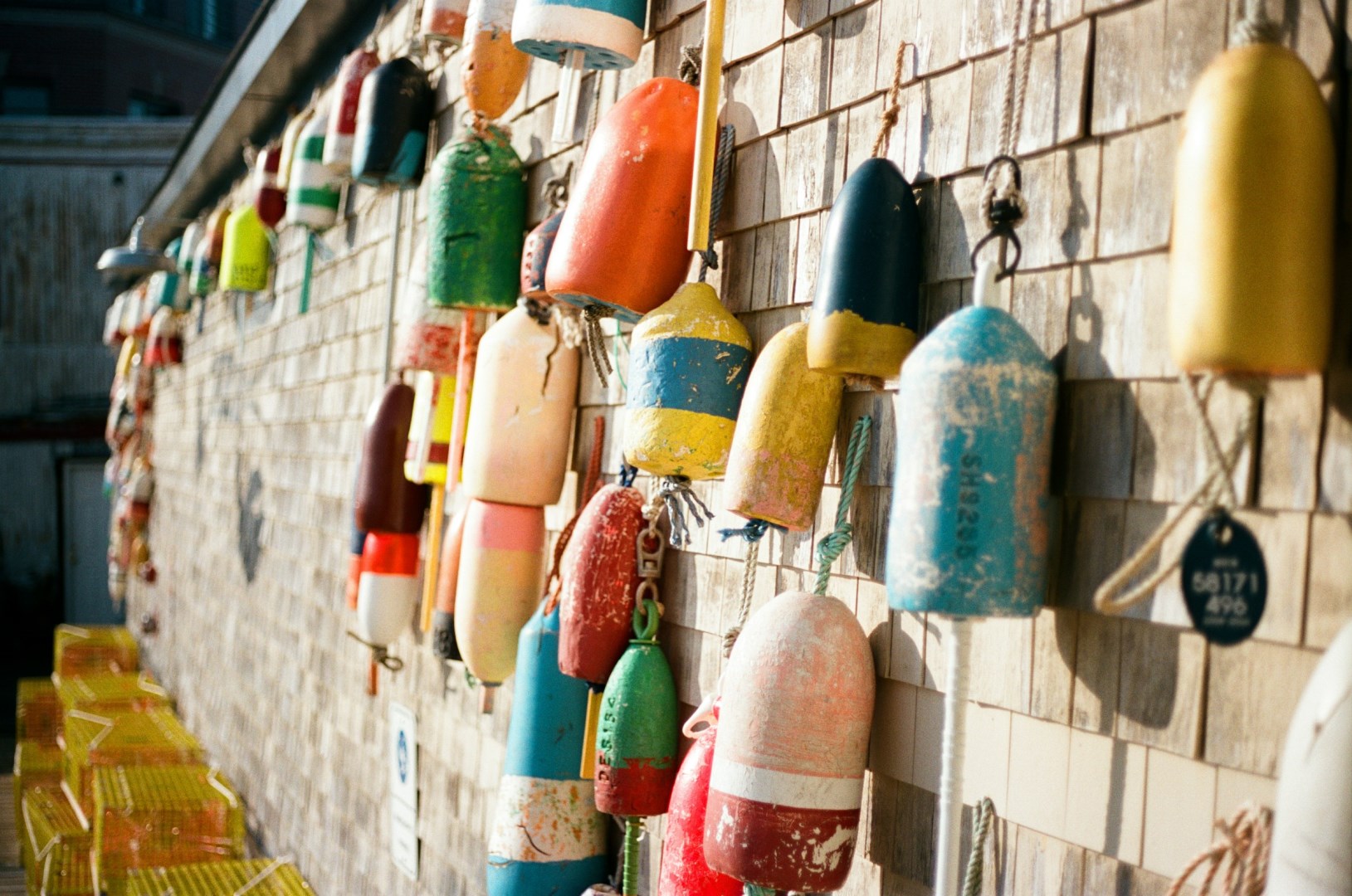
Dotted with lighthouses along its shoreline, Portland, Maine is a coastal gem in the northeastern United States and a veritable paradise for lovers of fresh seafood, craft breweries, and small-town charm. At the center of downtown Portland, the Old Port neighborhood boasts a number of unique and historical buildings, trendy restaurants and bars, and picturesque views of the Portland Harbor.
Horta Faial Island
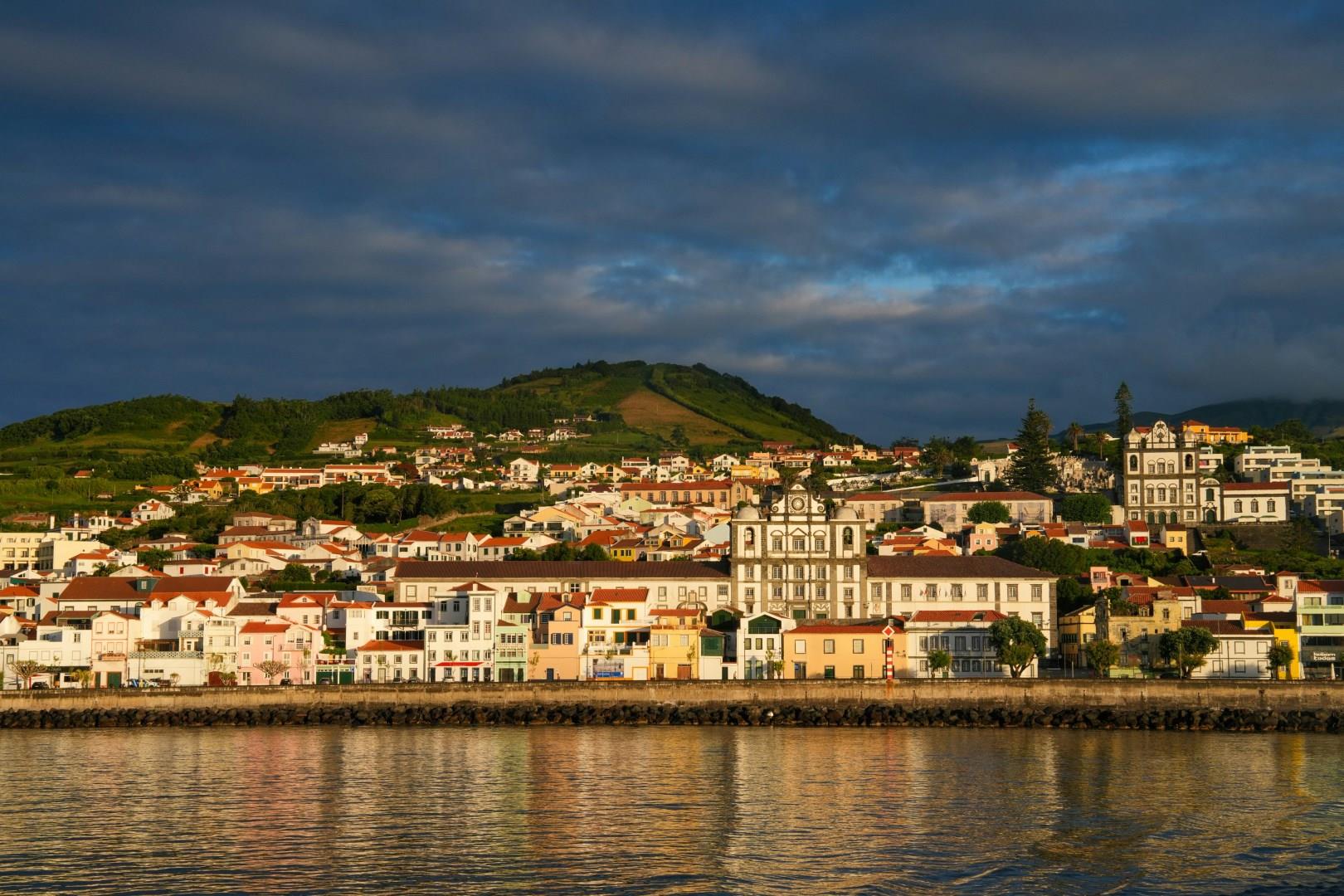
Horta sits on the southeastern coast of Faial Island in the Azores, long defined by its position in the mid-Atlantic. For centuries it served as a critical stop for whaling ships, transatlantic sailors, and later yachts crossing between Europe and the Americas.

Sitka
Sitka is a coastal community on Baranof Island in Southeast Alaska, set between the forested slopes of the Alexander Archipelago and the waters of Sitka Sound. The city has a compact waterfront setting surrounded by temperate rainforest, islands, mountains, and productive marine waters. Sitka's location gives it a strong connection to fishing, boating, wildlife, and outdoor recreation, while its streets and historic buildings reflect both Tlingit and Russian influences.