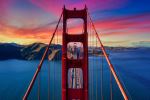
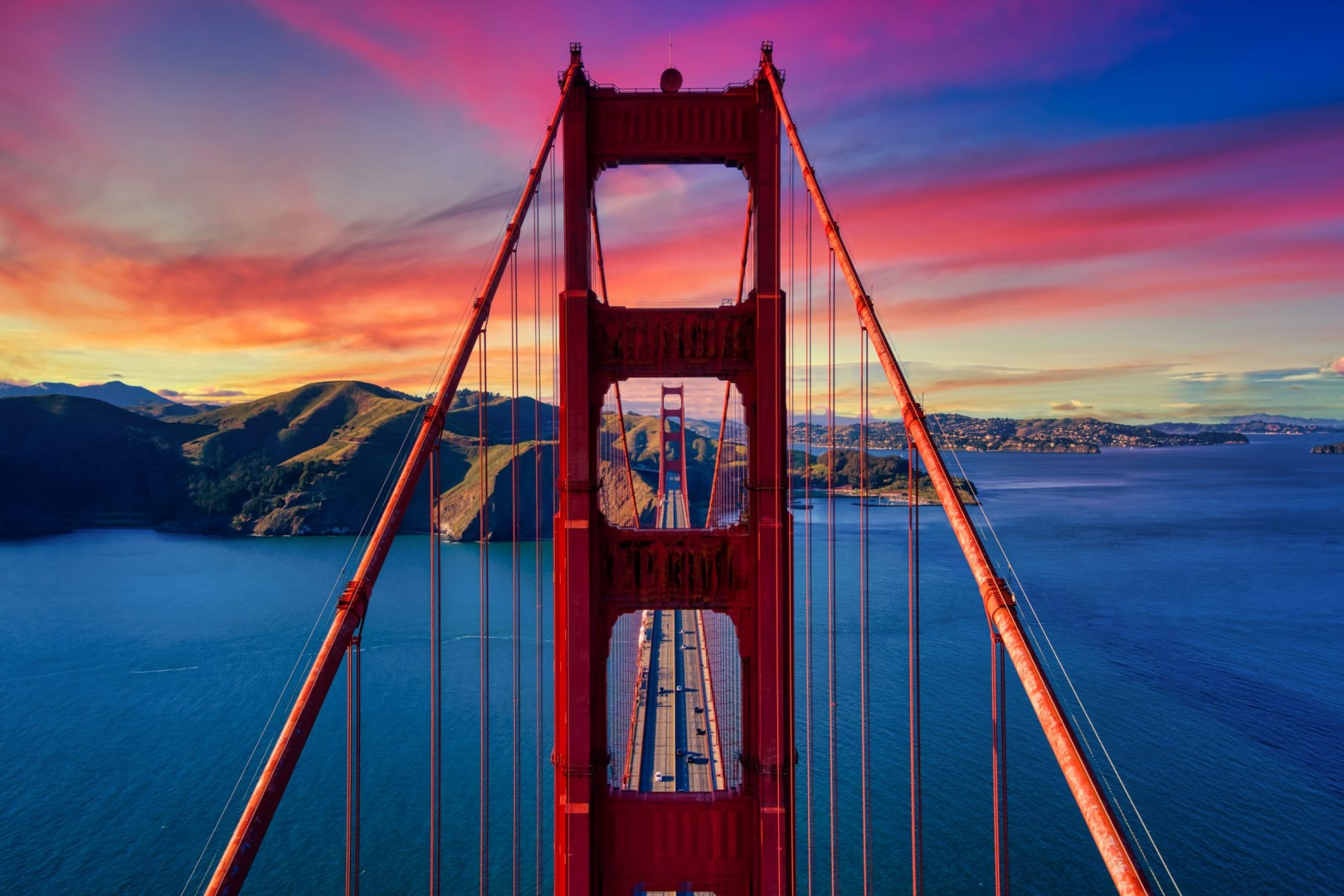
San Francisco, often referred to as the "City by the Bay," is a destination like no other. Its iconic landmarks, vibrant neighborhoods, and rich history make it a must-visit for travelers from around the world. Towering above the city, the Golden Gate Bridge is an architectural marvel and offers breathtaking views of the bay, especially during sunrise or when the infamous fog rolls in. Visitors can walk or bike across the bridge for the full experience.
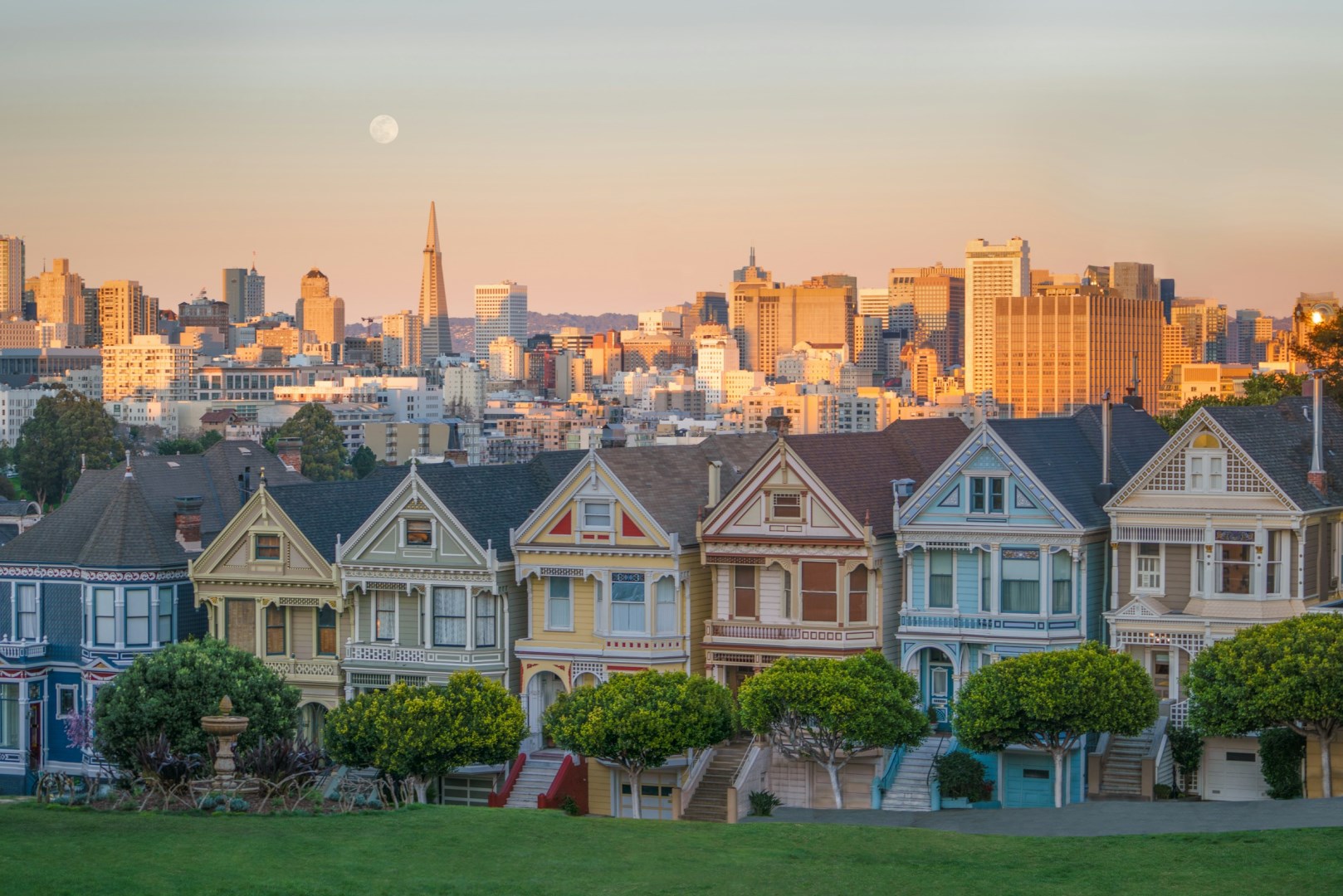
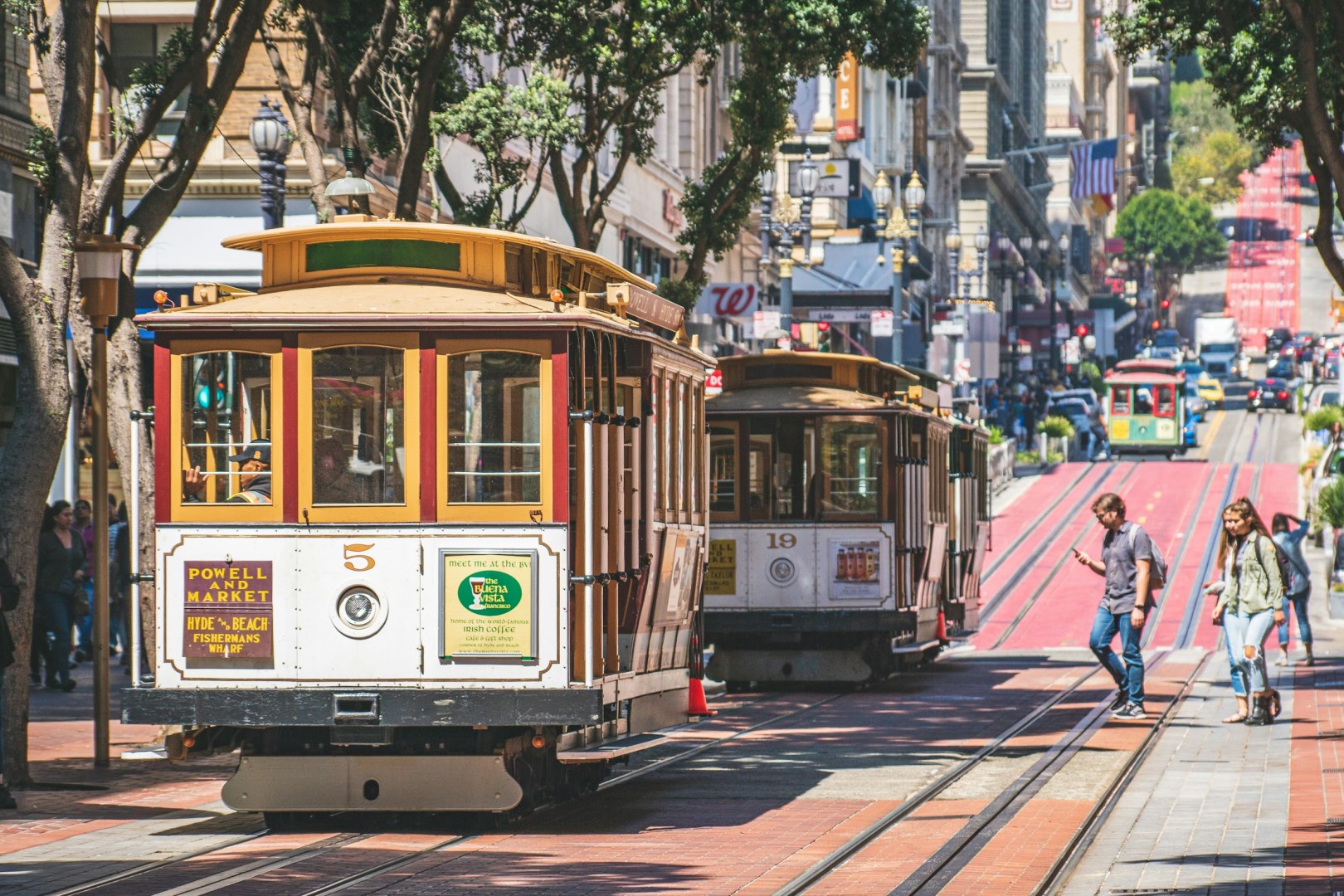
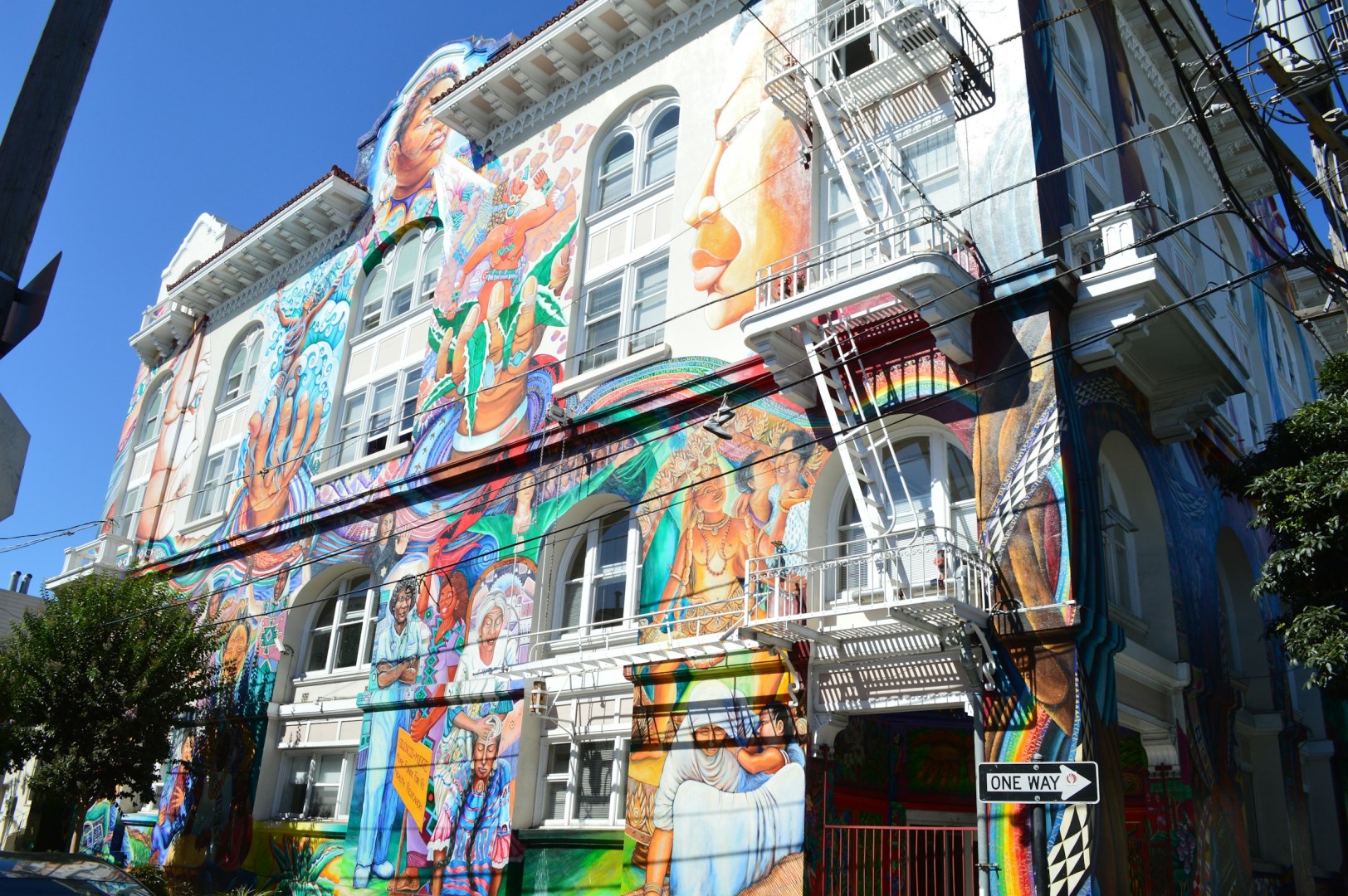
The city's diverse neighborhoods provide endless opportunities to explore. From the bustling streets of Chinatown, the largest of its kind outside of Asia and the oldest in North America, to the artistic Mission District, each area has its own unique charm. The colorful Victorian homes known as the "Painted Ladies," famously featured in movies and television, add to San Francisco’s character. And no trip would be complete without a ride on its historic cable cars, a delightful way to traverse the city's famously steep hills.
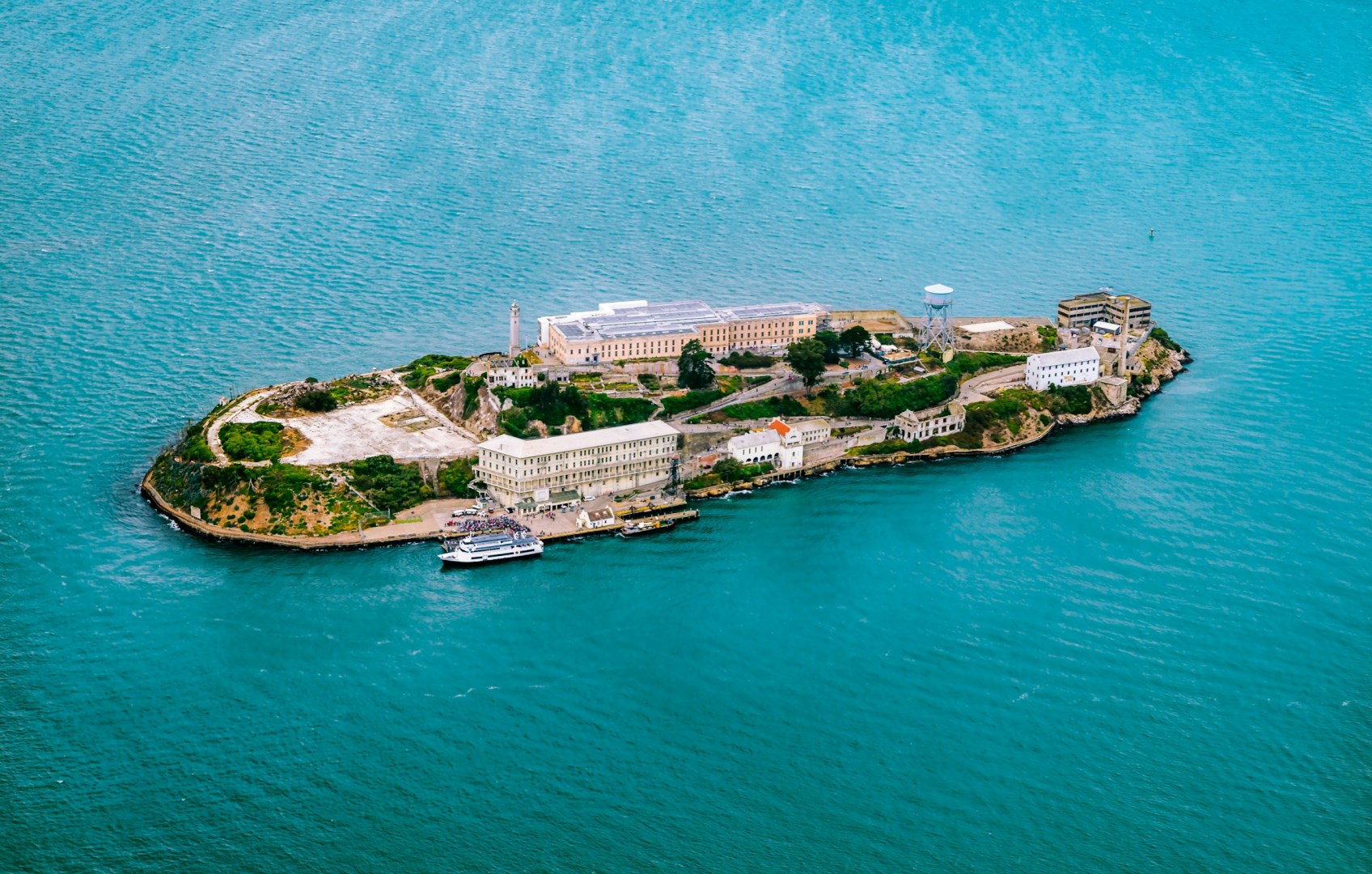
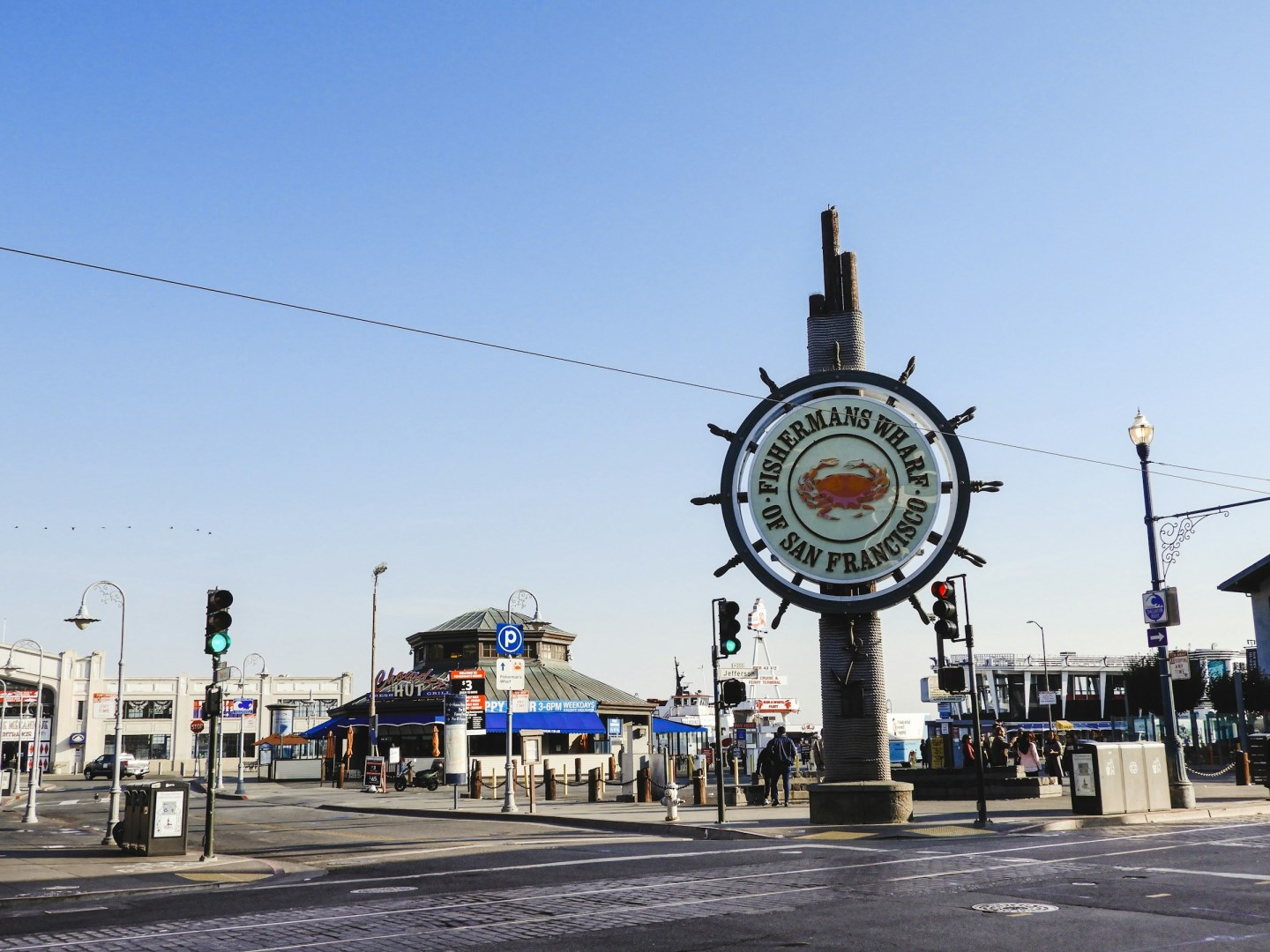
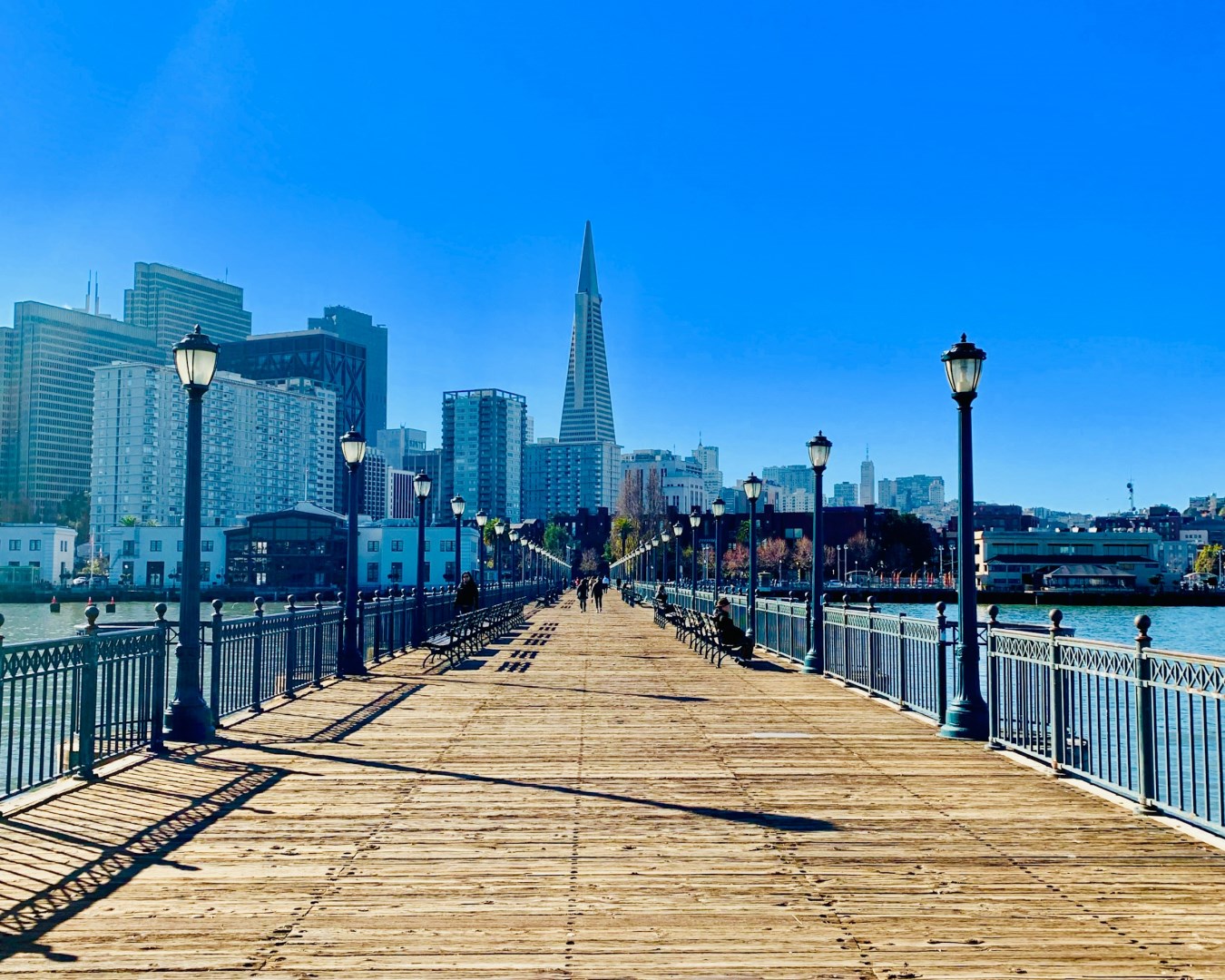
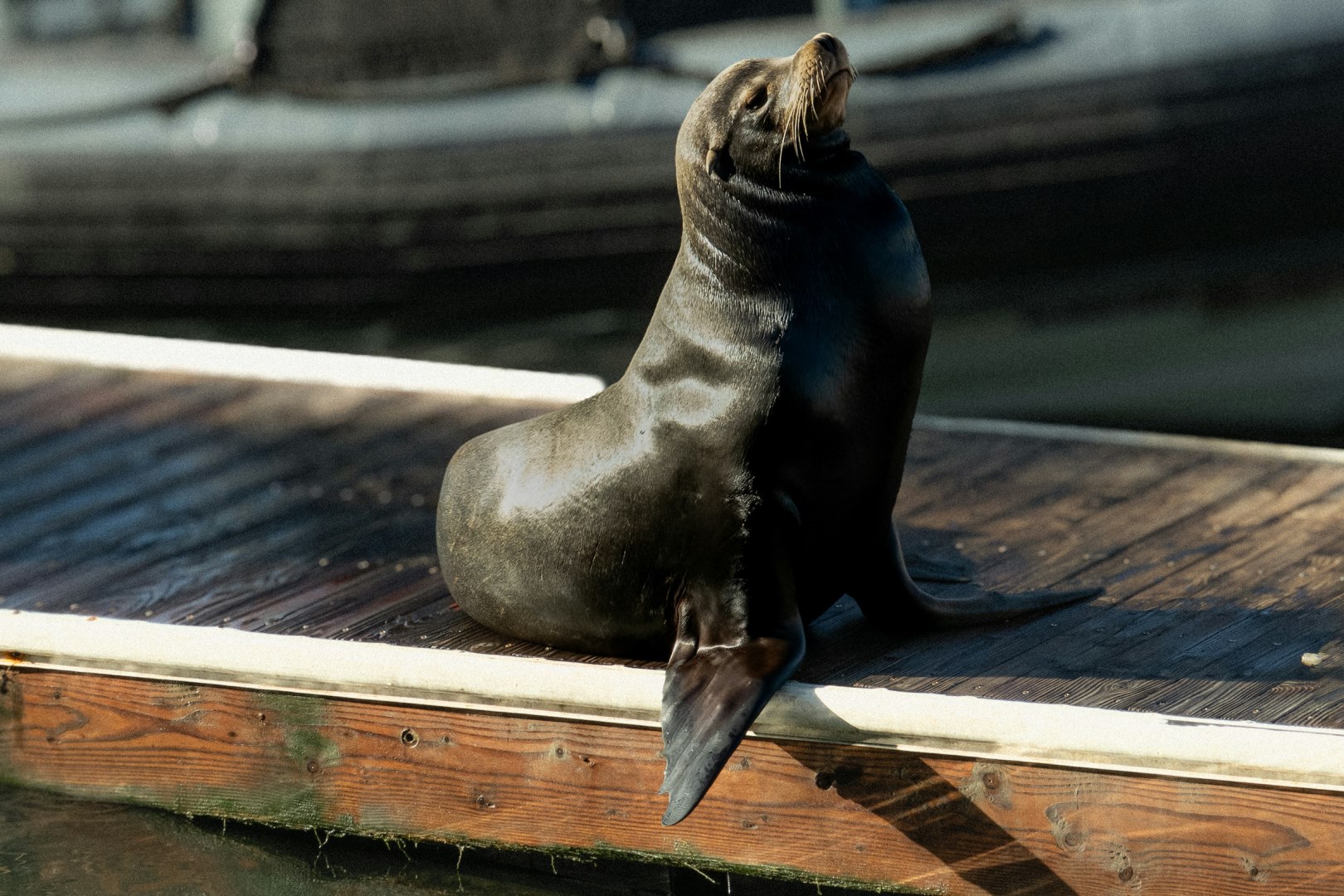
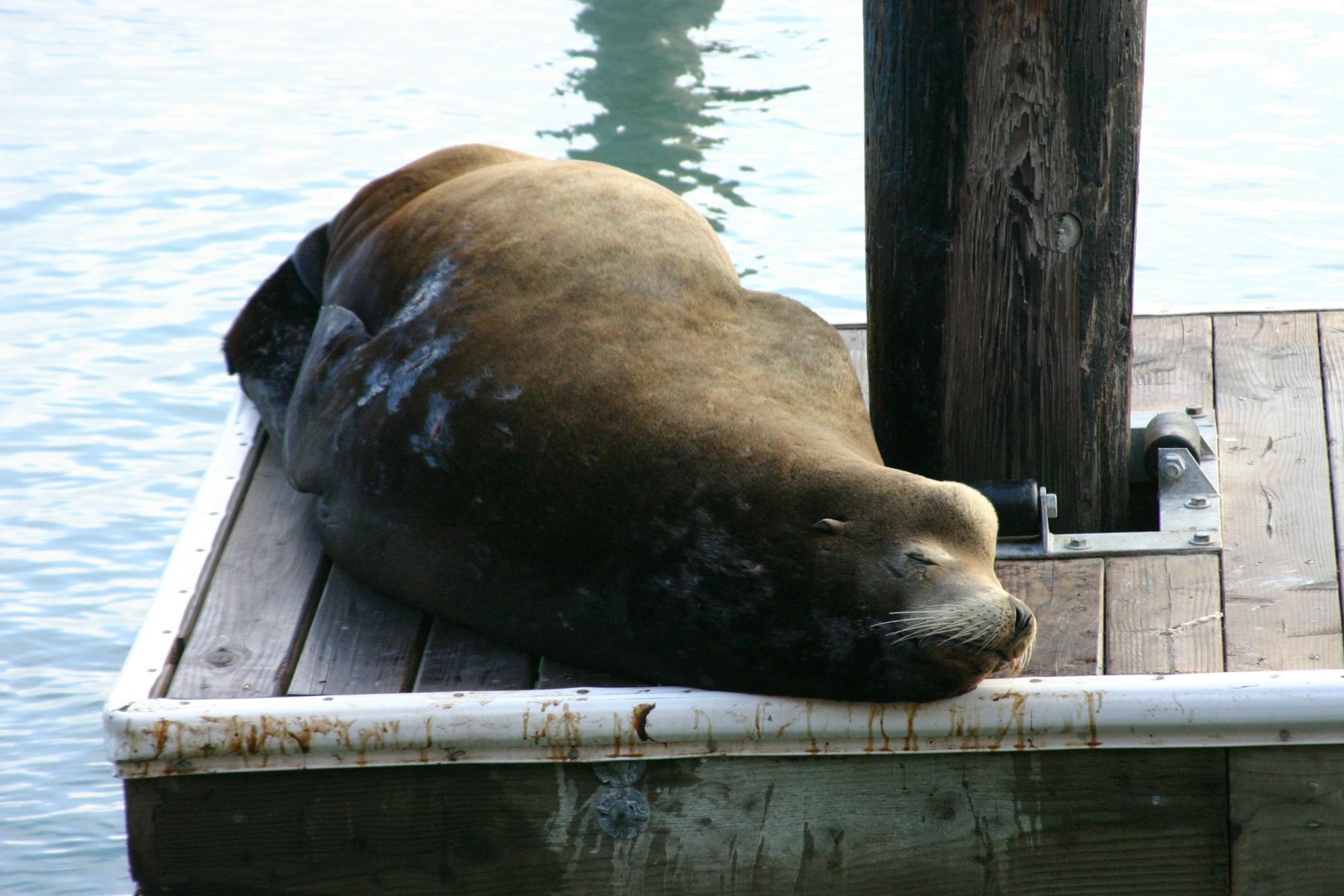
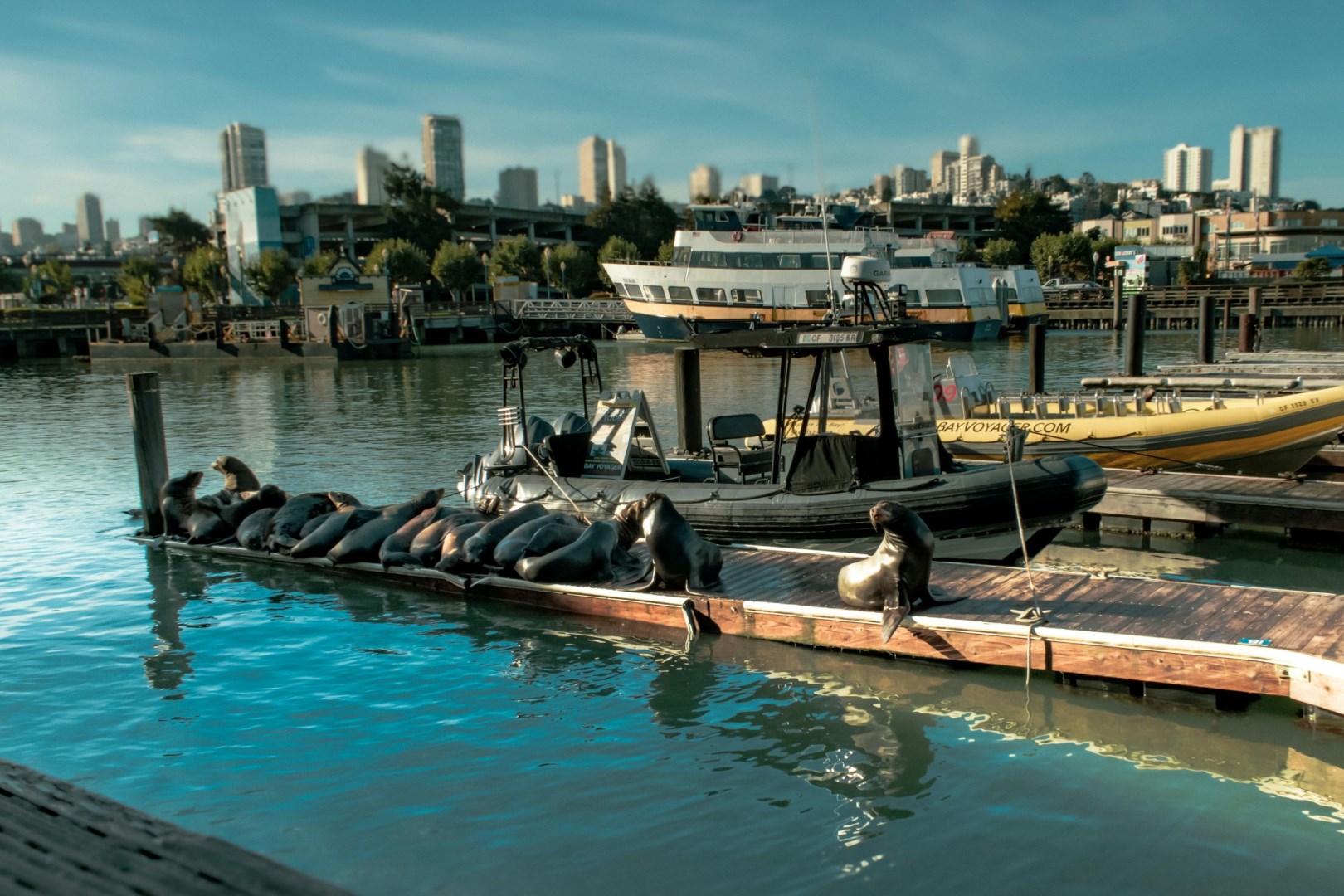
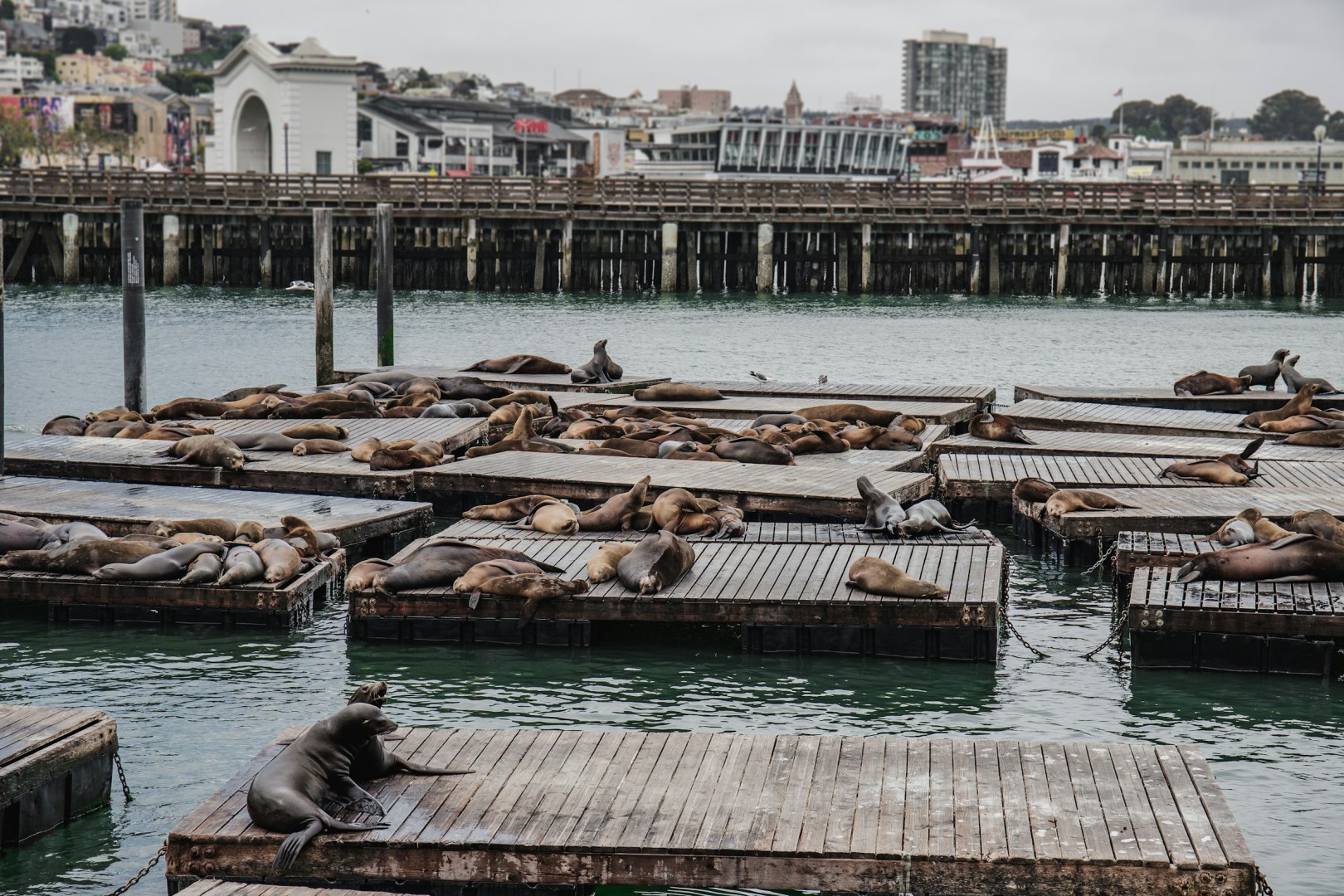
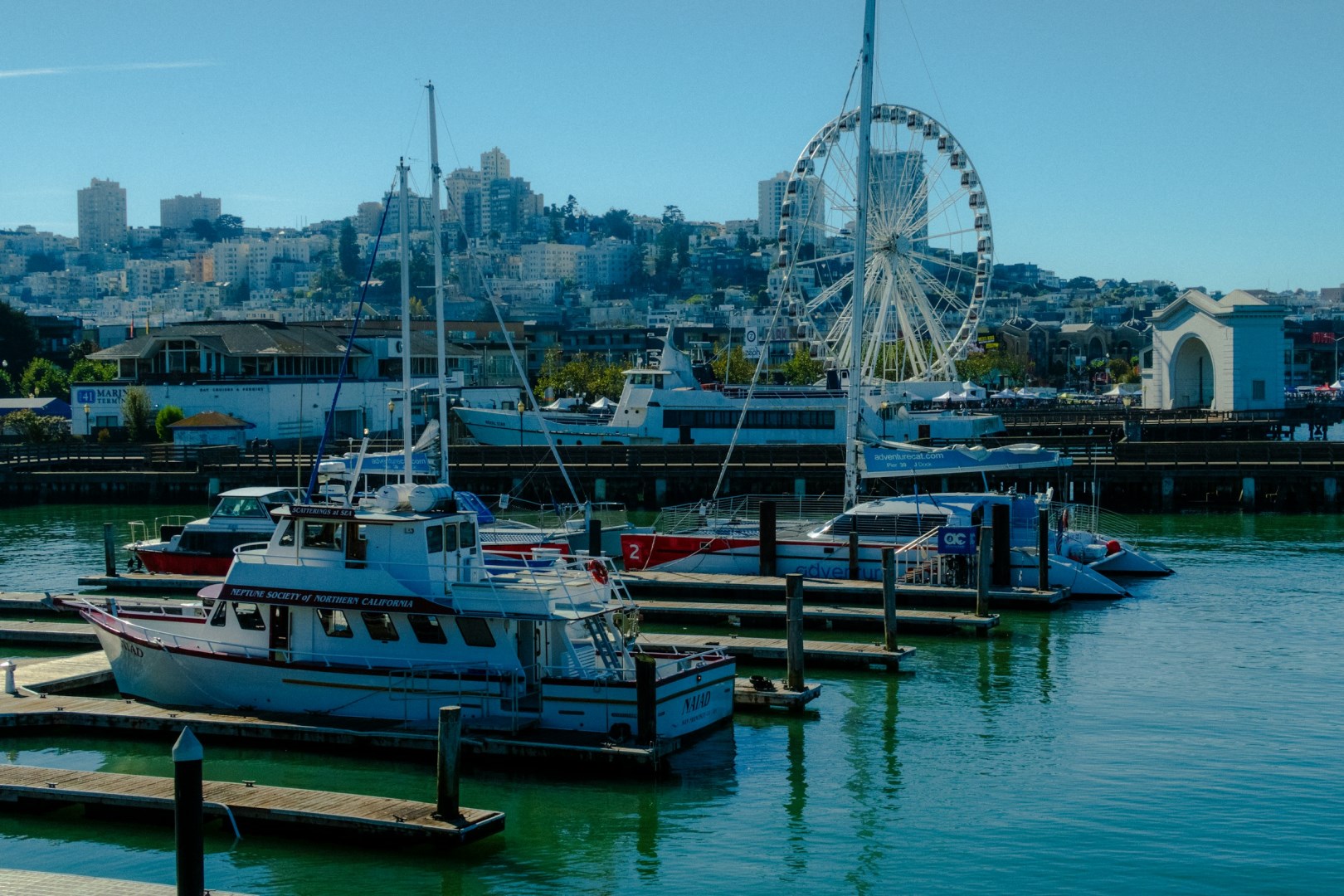
Alcatraz Island offers a glimpse into the past. This former federal prison, located on a small island in the bay, housed some of America’s most infamous criminals. Visitors can take a ferry ride to the island and embark on a guided tour of its eerie halls. Nearby, Fisherman’s Wharf and Pier 39 offer waterfront views, sea lion sightings, and a taste of the city’s famous foods, including clam chowder served in sourdough bread bowls.
San Francisco’s natural beauty also shines through its many parks and scenic spots. Golden Gate Park, larger than New York’s Central Park, is home to serene gardens, walking trails, and even bison paddocks. For a sweeping view of the city and the bay, head to Twin Peaks, a pair of hills rising nearly 1,000 feet above the streets below. On clear days, the view is spectacular.
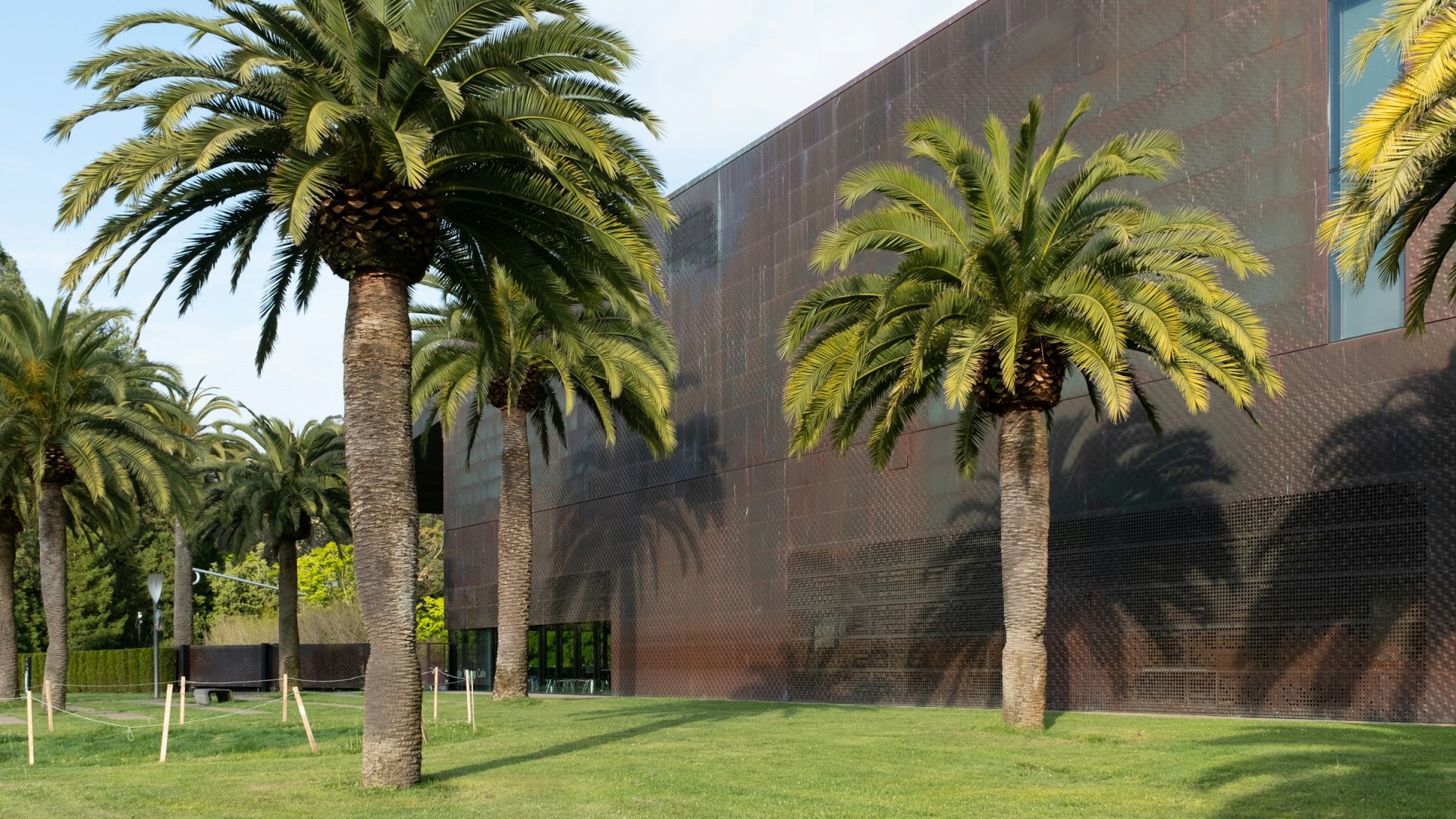
The de Young Museum is a major art museum in San Francisco’s Golden Gate Park, with collections spanning American art from the seventeenth through twentieth centuries, textiles, costumes, and art from Africa, Oceania, and the Americas. Its contemporary building, designed by Herzog and de Meuron, is distinguished by a perforated copper façade, an asymmetrical tower, and an observation level with views across Golden Gate Park and the city. The museum’s collections include paintings, sculptures, decorative arts, and textiles, while its galleries host rotating exhibitions. The de Young also shares the Fine Arts Museums of San Francisco with the Legion of Honor.

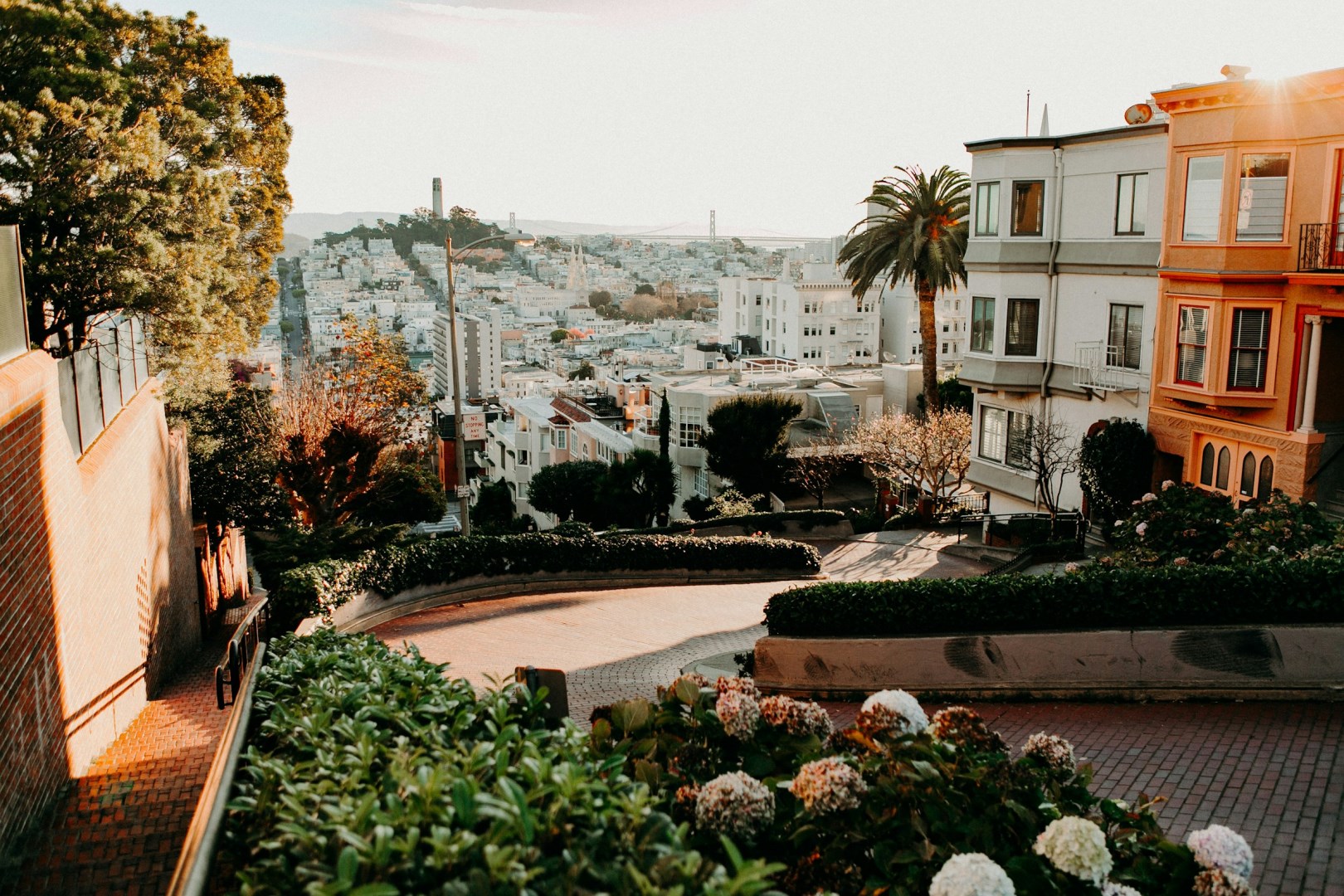
Lombard Street is a famous section of Russian Hill in San Francisco, best known for its eight tight hairpin turns between Hyde and Leavenworth streets. The switchbacks were designed to make the steep hillside safer to navigate, and the roadway is now lined with landscaped gardens, hydrangeas, and private homes. Visitors can walk along the sidewalks or watch cars descend the one-way roadway, while the upper section provides views toward San Francisco Bay, Coit Tower, and the Bay Bridge. Lombard Street is also close to North Beach, Chinatown, and Fisherman’s Wharf, making it part of a wider sightseeing area.
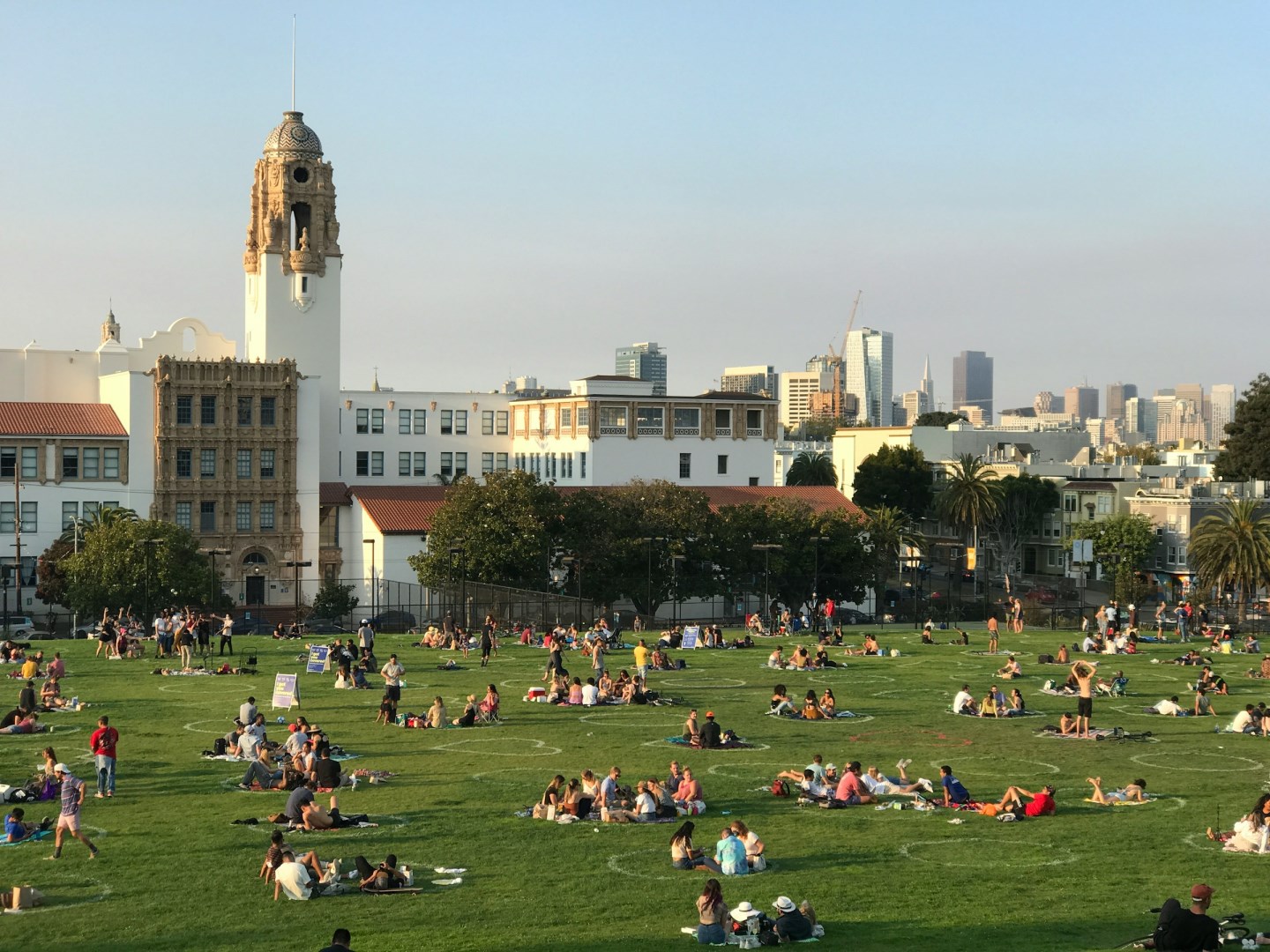
Mission Dolores Park is a 15.5-acre public park in San Francisco’s Mission District, known for its broad sloping lawns, palm trees, recreational facilities, and views toward the downtown skyline. The park includes six tennis courts, a soccer field, basketball and multi-use courts, a playground, picnic areas, and two off-leash dog areas. Its location near Mission Dolores, one of San Francisco’s oldest surviving buildings, connects the park with the neighborhood’s long cultural history. The park occupies land that was once a Jewish cemetery and later served as a refugee camp after the earthquake and fire, adding a lesser-known historical layer to the popular public space.
San Francisco’s cable cars are historic streetcars that climb the city’s steep hills using a continuous underground cable, with operators controlling a grip that connects the vehicle to the moving cable. The system began with service on Clay Street and became an important part of the city’s transportation network before surviving routes were reduced to the three lines operating today: Powell-Hyde, Powell-Mason, and California Street. The Powell routes connect downtown with Fisherman’s Wharf, while the California Street line runs between the Financial District and Van Ness Avenue. The cars are designated National Historic Landmarks and remain part of the city’s public transit system.
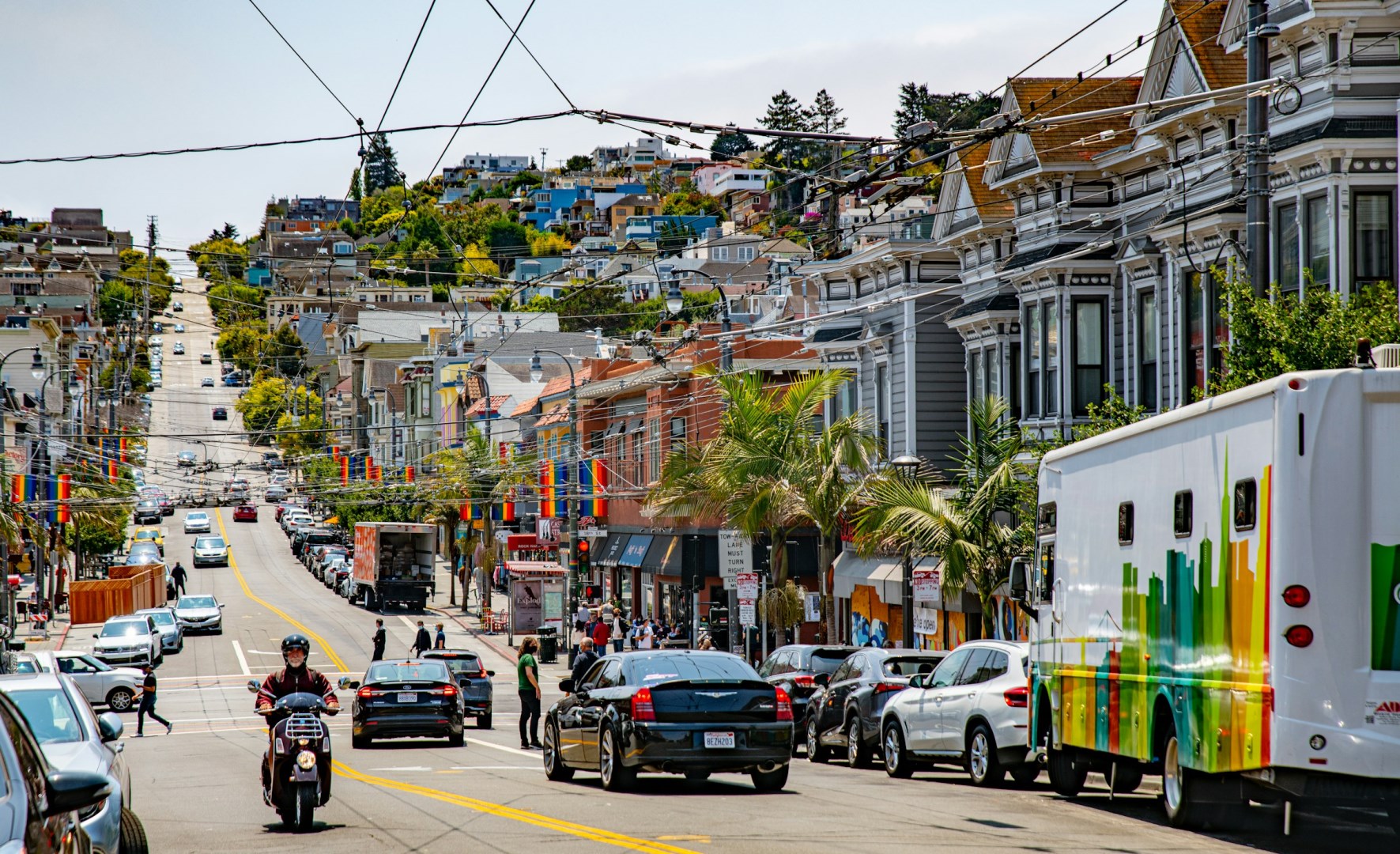
The Castro District is a San Francisco neighborhood known for its LGBTQ+ history, distinctive Victorian buildings, independent businesses, and concentration of community institutions. Castro Street forms its main commercial corridor, lined with cafés, restaurants, shops, theaters, and bars, while the Castro Theatre is a prominent landmark with an ornate façade and historic auditorium. The neighborhood’s history is closely connected with Harvey Milk, whose former camera shop and political campaign headquarters is now the site of the GLBT Historical Society’s Harvey Milk exhibition. The rainbow flag is a familiar symbol throughout the district, and Harvey Milk Plaza provides a public gathering place at the heart of the neighborhood.
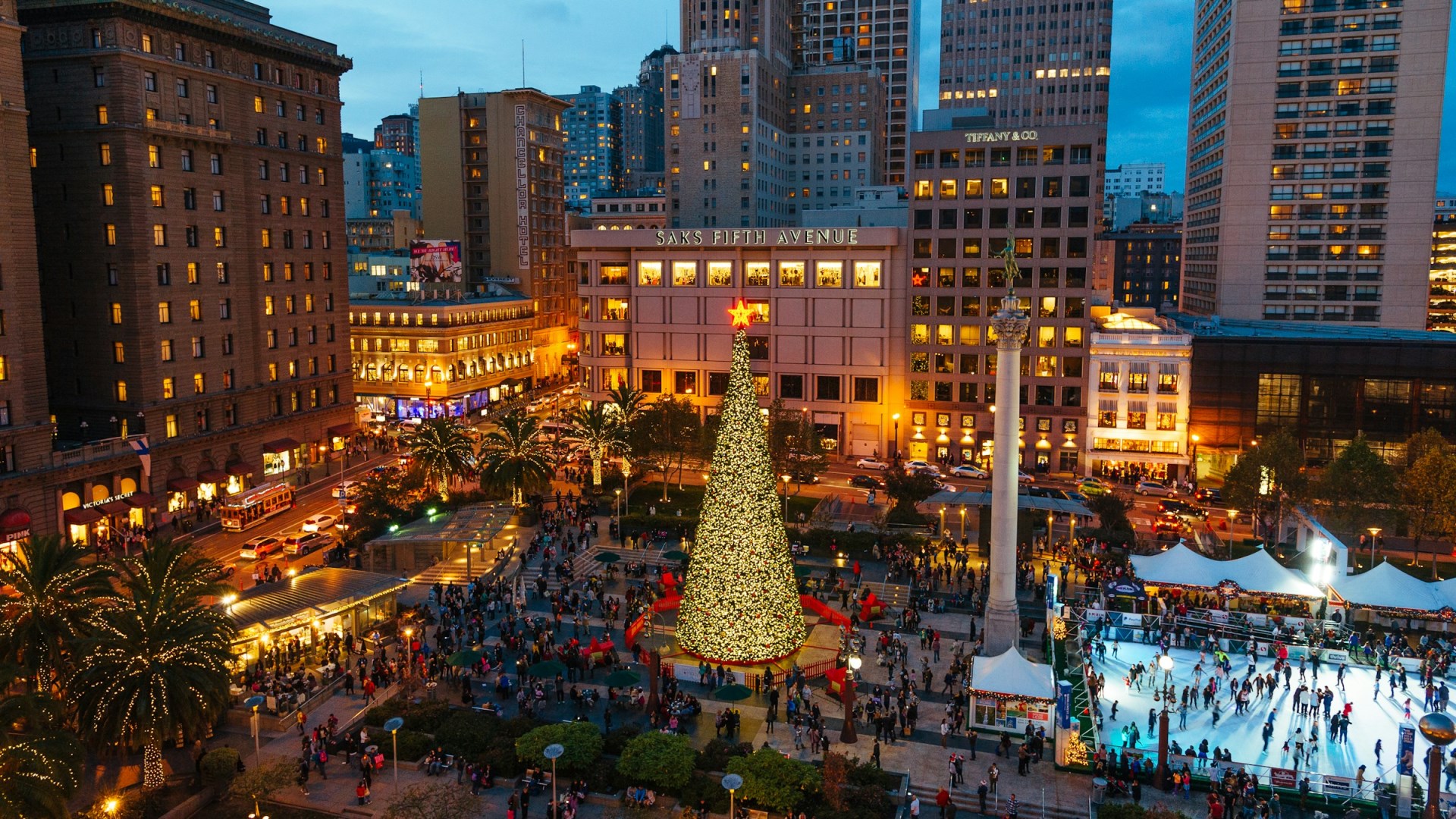
Union Square is a central San Francisco district built around a landscaped public plaza that serves as a focal point for shopping, hotels, restaurants, theaters, and cultural attractions. The square is surrounded by major department stores, designer boutiques, galleries, and historic buildings, while Maiden Lane provides a narrower pedestrian shopping street nearby. At the center of Union Square stands the Dewey Monument, topped by a statue of Nike, the Greek goddess of victory. The surrounding area also provides access to the Powell Street cable car line, making Union Square an important connection between downtown and neighborhoods such as Nob Hill and Fisherman’s Wharf.