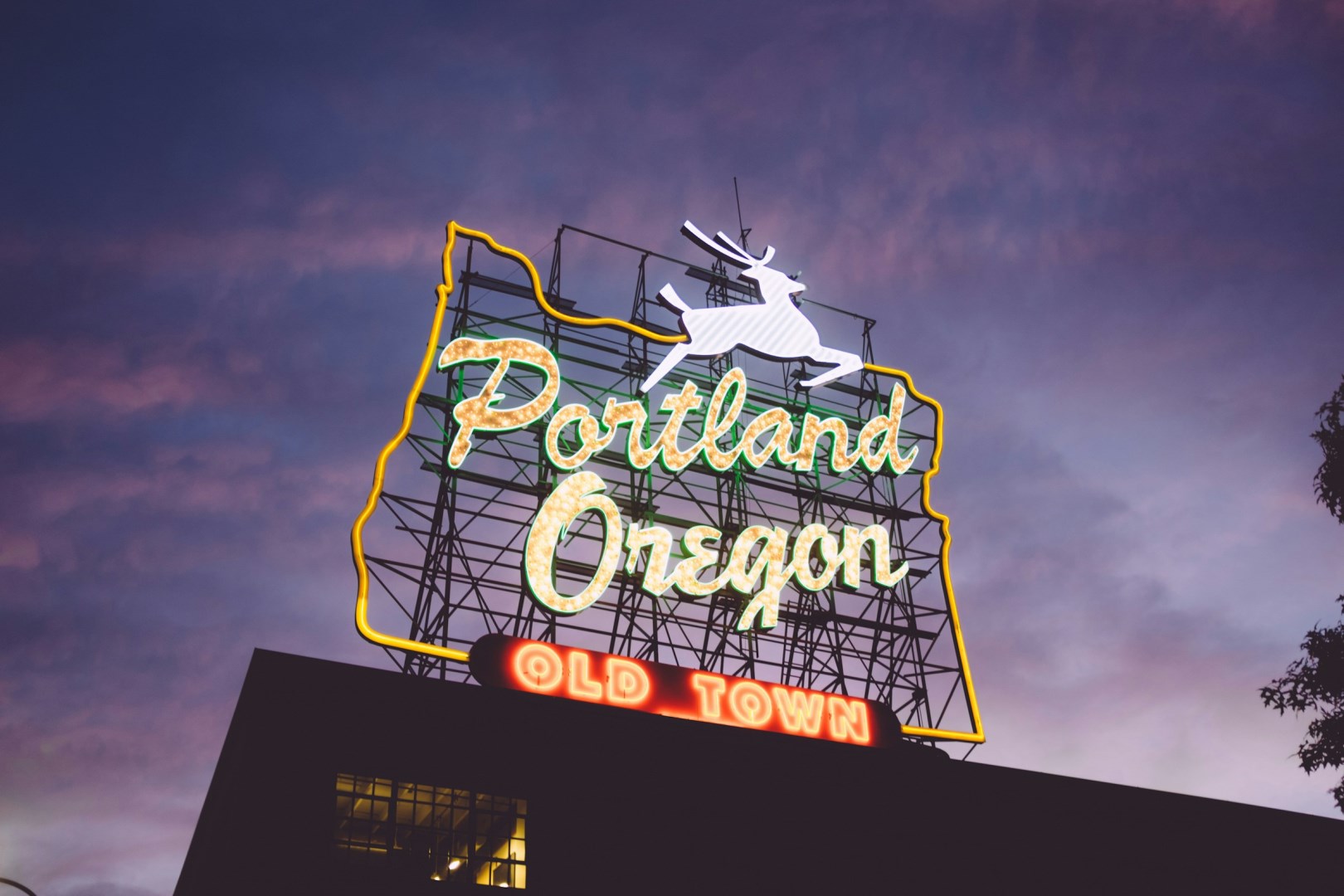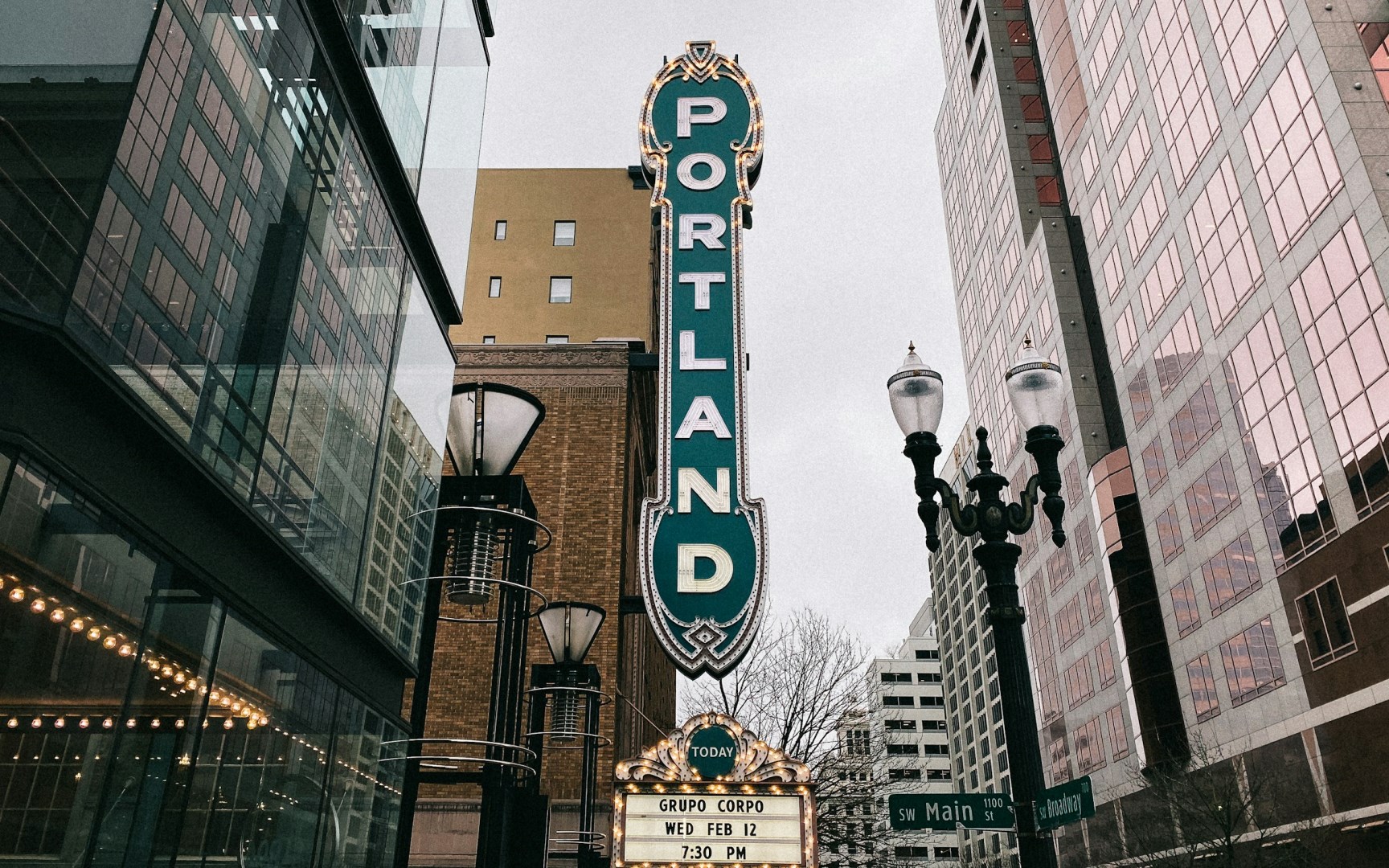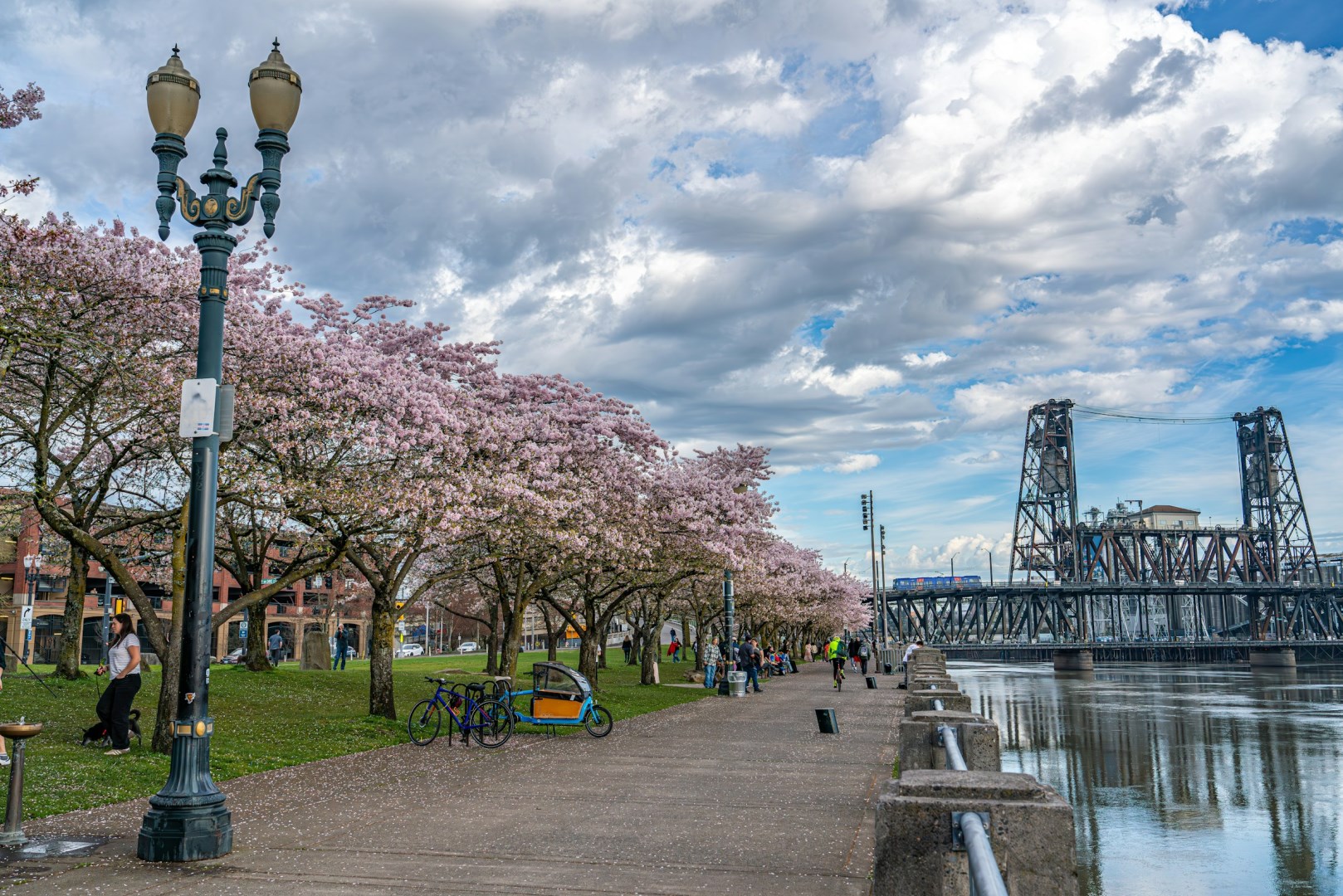
Tom McCall Waterfront Park in the Spring
Photo Credit: Photo by Richard Hedrick on Unsplash
Tom McCall Waterfront Park
Tom McCall Waterfront Park stretches along the west bank of the Willamette River in downtown Portland, Oregon, providing a long public promenade between the river and the central city. The park includes paved paths, lawns, trees, benches, and open areas used for walking, cycling, and public gatherings. Its riverfront setting offers views across the Willamette and access to several downtown attractions. The park is also a major venue for civic events and festivals, including the Portland Rose Festival, while its broad open spaces provide a connection between the city center and the river.
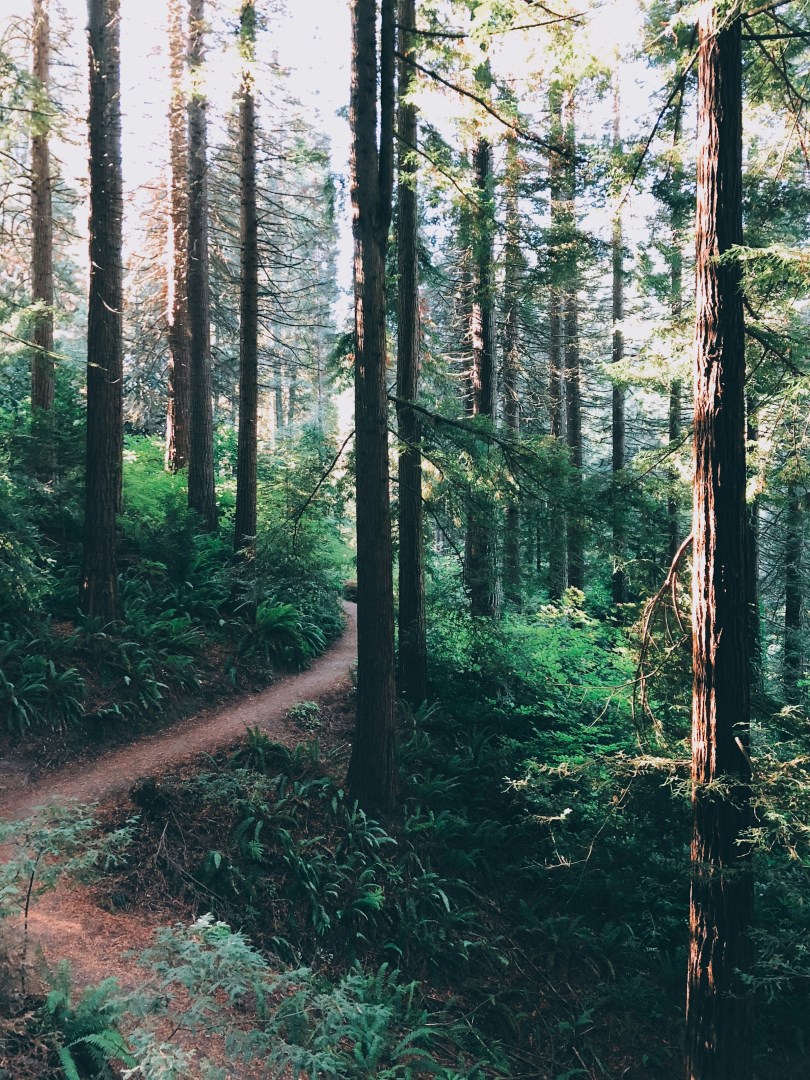
Wildwood Trail - Forest Park
Photo Credit: Photo by Nick de Partee on Unsplash
Forest Park
Forest Park is a large protected urban forest on Portland’s west side, extending across the eastern slope of the Tualatin Mountains and offering a network of wooded trails close to the city. The park contains Douglas fir, western red cedar, bigleaf maple, and other Pacific Northwest vegetation, with streams and forested ravines providing habitat for birds and wildlife. The Wildwood Trail is its best-known route, winding for more than 30 miles through the forest and forming part of Portland’s regional trail network. Other trails connect to viewpoints, roads, and neighboring natural areas, allowing visitors to explore the forest on foot without leaving the metropolitan area.

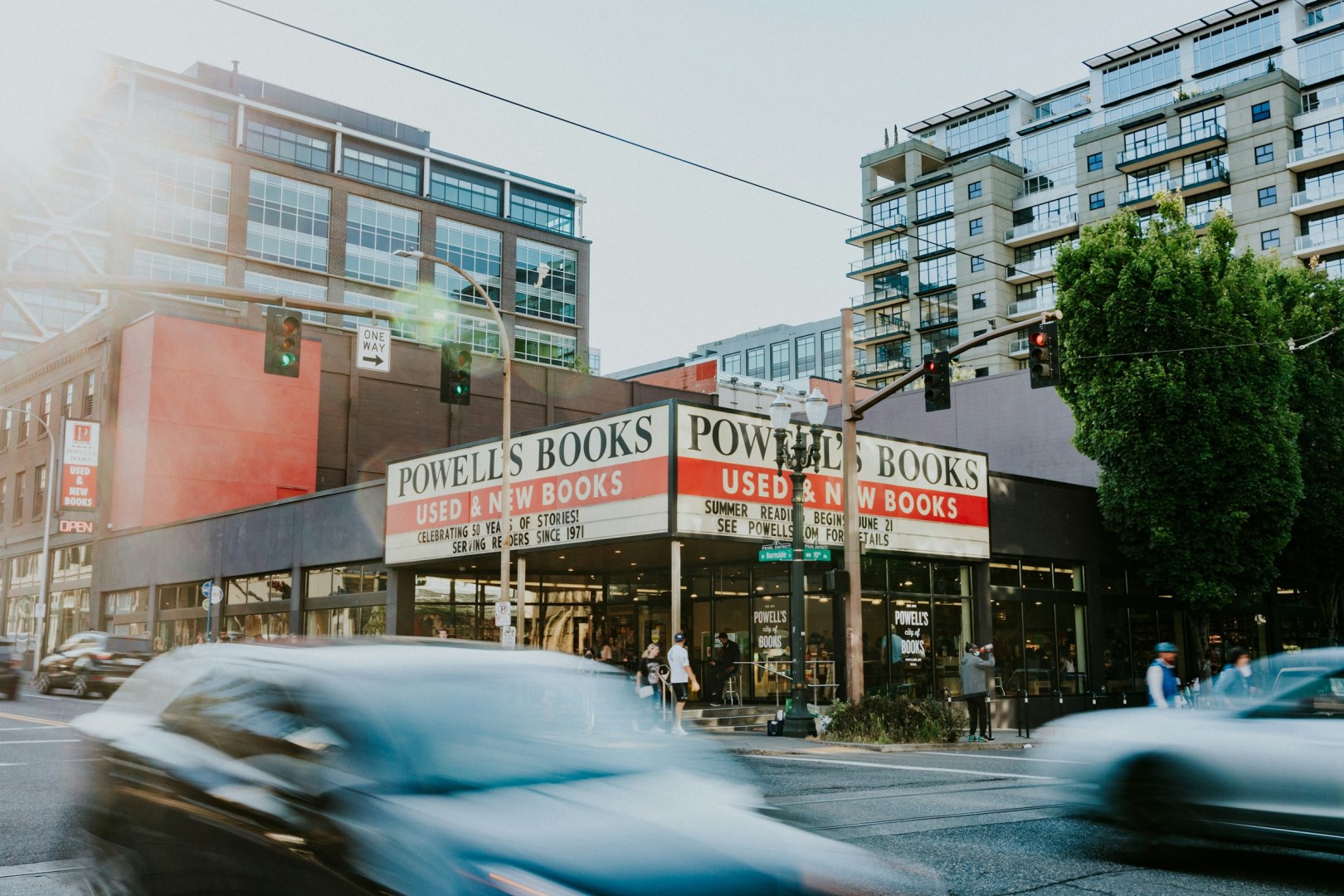
Powell's Books
Photo Credit: Photo by Cole Keister on Unsplash
Powell's Books
Powell’s City of Books is an independent bookstore in Portland’s Pearl District and occupies an entire city block, making it one of the city’s most recognizable literary landmarks. Its shelves contain new, used, and rare books across a wide range of subjects, with multiple floors connected by stairways and elevators. The flagship store is organized into color-coded rooms, helping visitors navigate its extensive collection. Beyond bookselling, Powell’s hosts author events, readings, and community programs, while its café provides a place to pause between sections. The store’s long-running presence has made it closely associated with Portland’s literary culture.
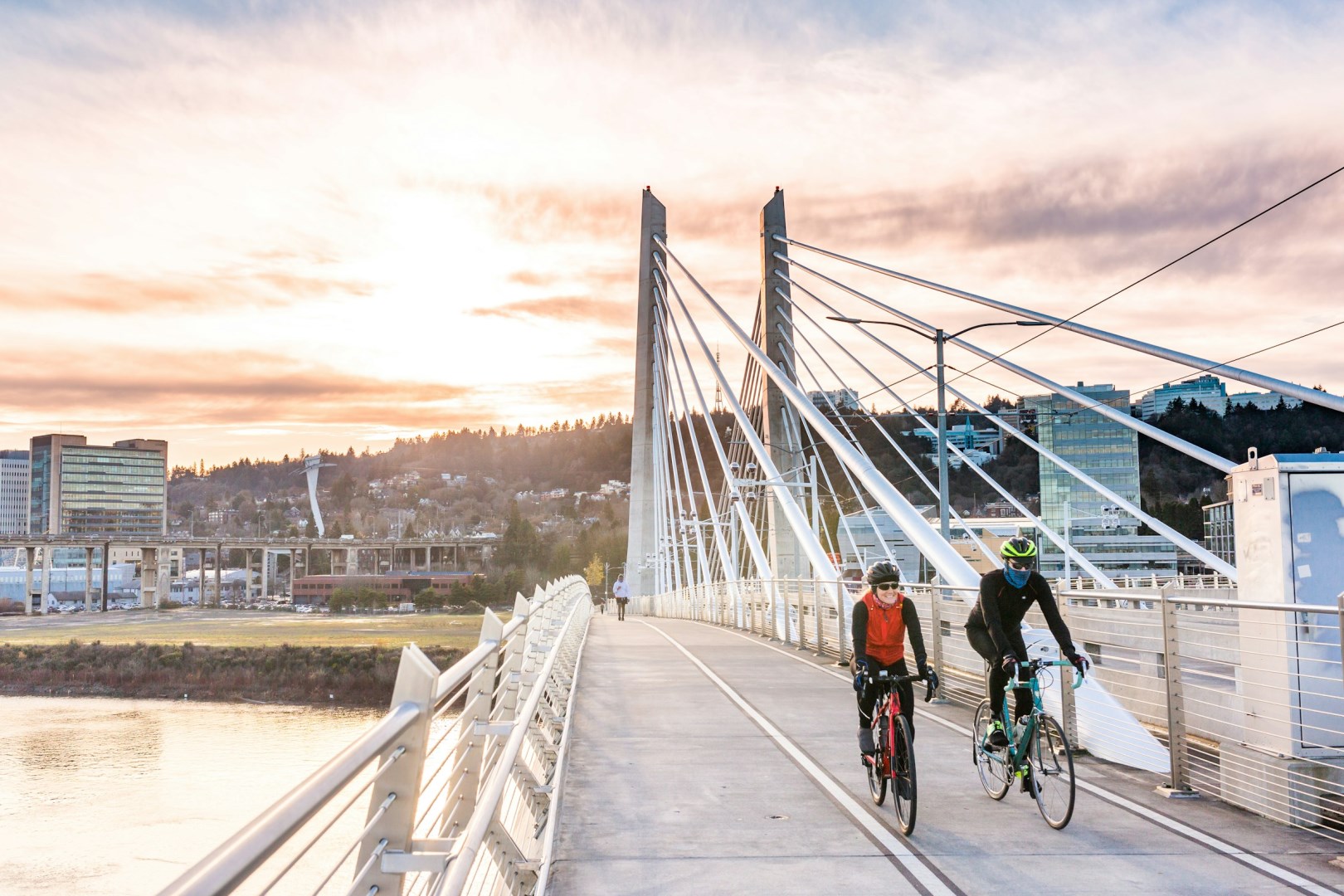
Cycling on Tilikum Bridge
Photo Credit: Photo by Cole Keister on Unsplash
Tilikum Bridge
Tilikum Crossing, Bridge of the People, spans the Willamette River in Portland, Oregon, connecting the South Waterfront with the Central Eastside. The cable-stayed bridge is notable for its restricted vehicle access: it is designed for pedestrians, cyclists, buses, streetcars, and the MAX Orange Line, but private cars and trucks cannot use it. Its slender central tower and network of cables create a distinctive profile above the river, while the bridge’s wide pedestrian and cycling paths provide views of Portland’s waterfront, downtown skyline, and surrounding hills. Its name, “Tilikum,” comes from Chinook Jargon and means “people.”
Portland Japanese Garden
Photo Credit: Photo by Jeffrey Eisen on Unsplash
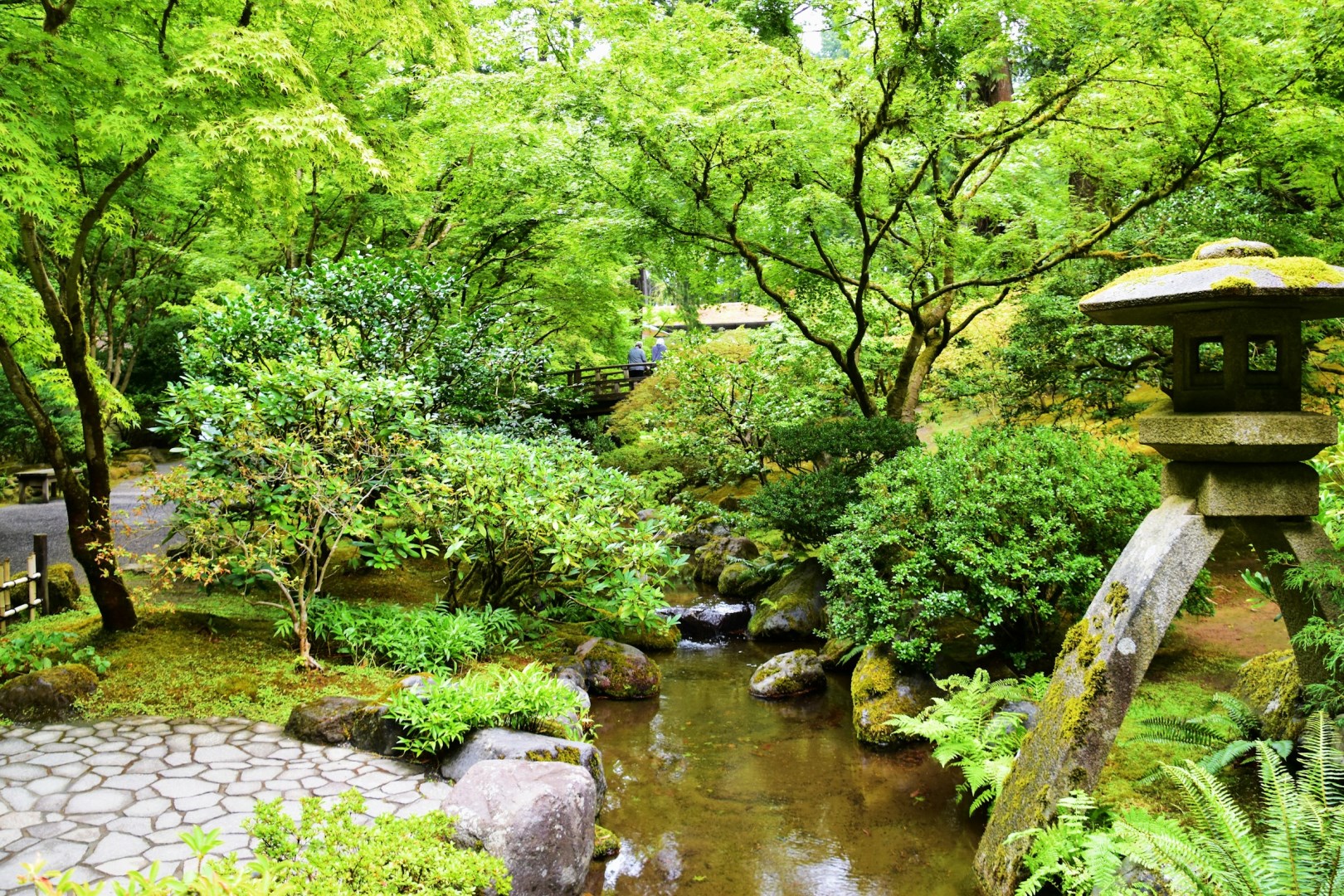
Portland Japanese Garden
The Portland Japanese Garden occupies 12 acres in Washington Park on the west side of Portland, Oregon, with landscaped gardens designed around Japanese principles of stone, water, plants, and carefully framed views. The grounds include several distinct garden styles, including the Strolling Pond Garden, Tea Garden, Flat Garden, Natural Garden, and Sand and Stone Garden. The Cultural Village provides space for exhibitions, demonstrations, and educational programs, while the Umami Café serves Japanese-inspired food and tea. The garden also includes the Jordan Schnitzer Japanese Arts Learning Center and offers views toward Mount Hood from selected areas.
Skidmore Fountain
Photo Credit: Photo by Richard Hedrick on Unsplash
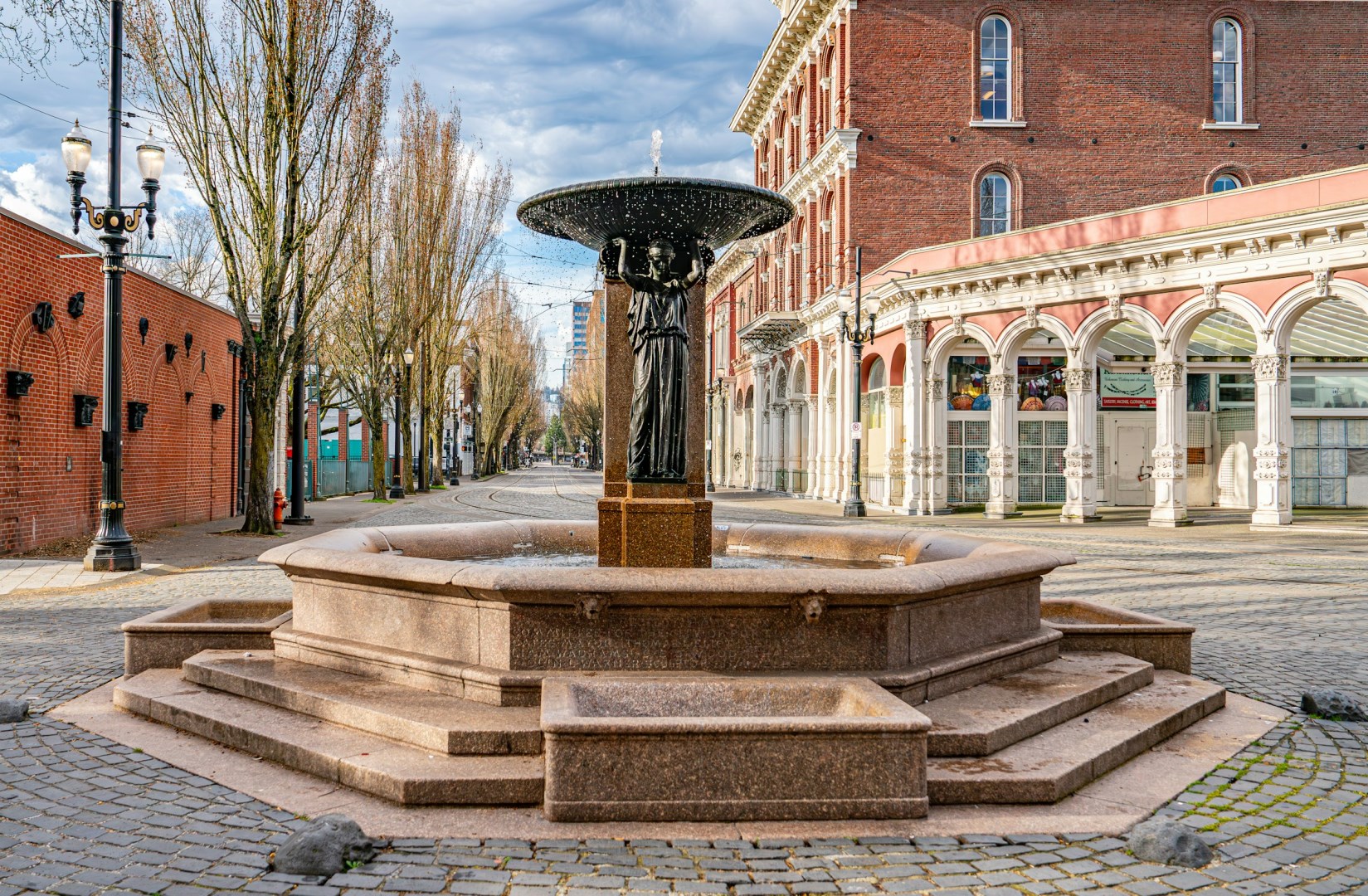
Skidmore Fountain
Skidmore Fountain stands at the intersection of West Burnside Street and Southwest First Avenue in Portland’s Old Town Chinatown district and is recognized as the oldest public fountain in the city. The cast-iron fountain was commissioned by Stephen G. Skidmore, a Portland pharmacist and civic benefactor, and features decorative figures representing human and animal forms. Its design includes drinking basins at different heights, reflecting an era when public fountains provided water for people and horses. Today, the fountain is a small but notable landmark within the historic district, surrounded by buildings, transit routes, and the city’s older commercial streets.
International Rose Test Garden
Photo Credit: Photo by Richard Hedrick on Unsplash
International Rose Test Garden
Photo Credit: Photo by Jeffrey Eisen on Unsplash
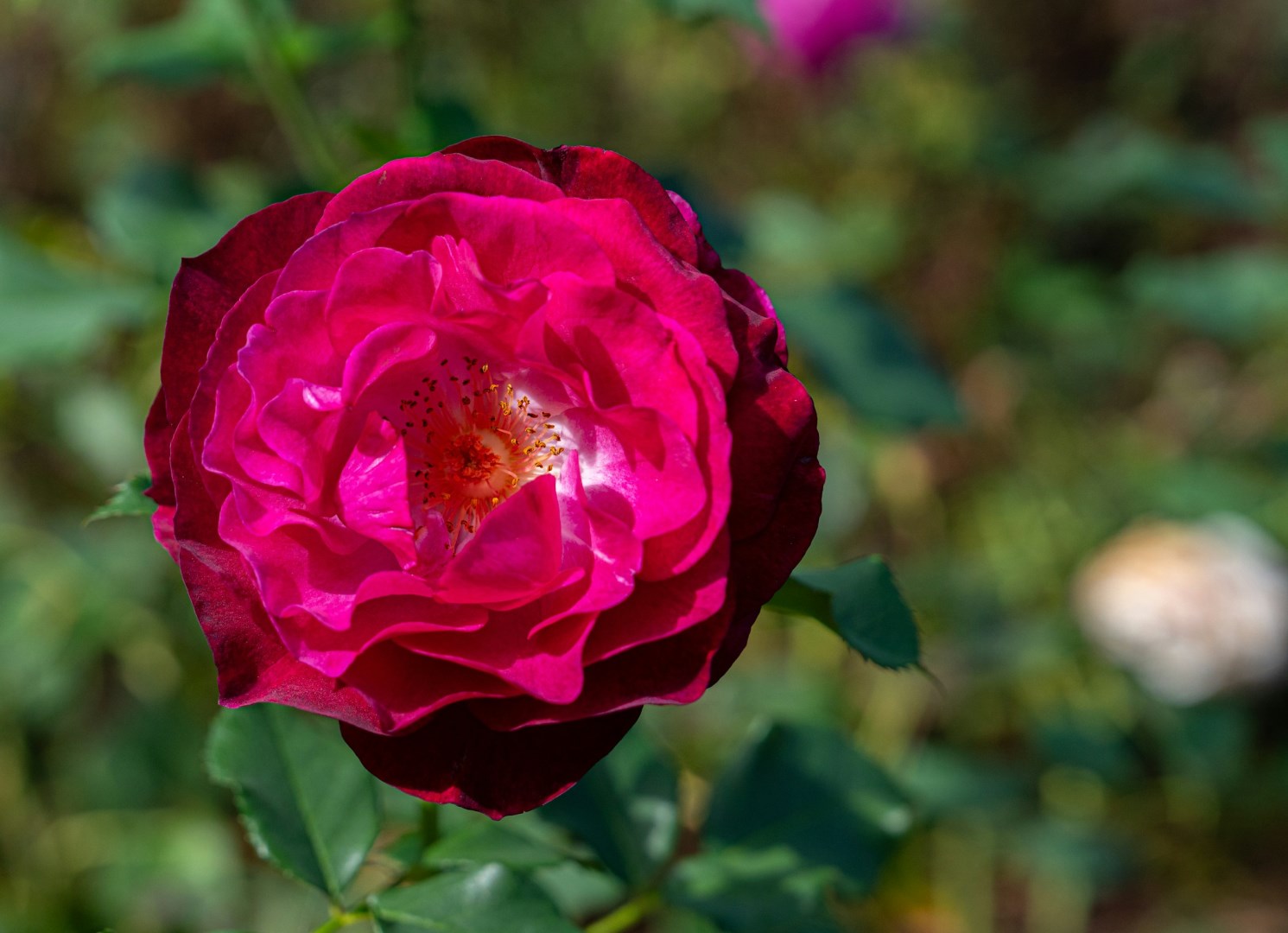
International Rose Test Garden
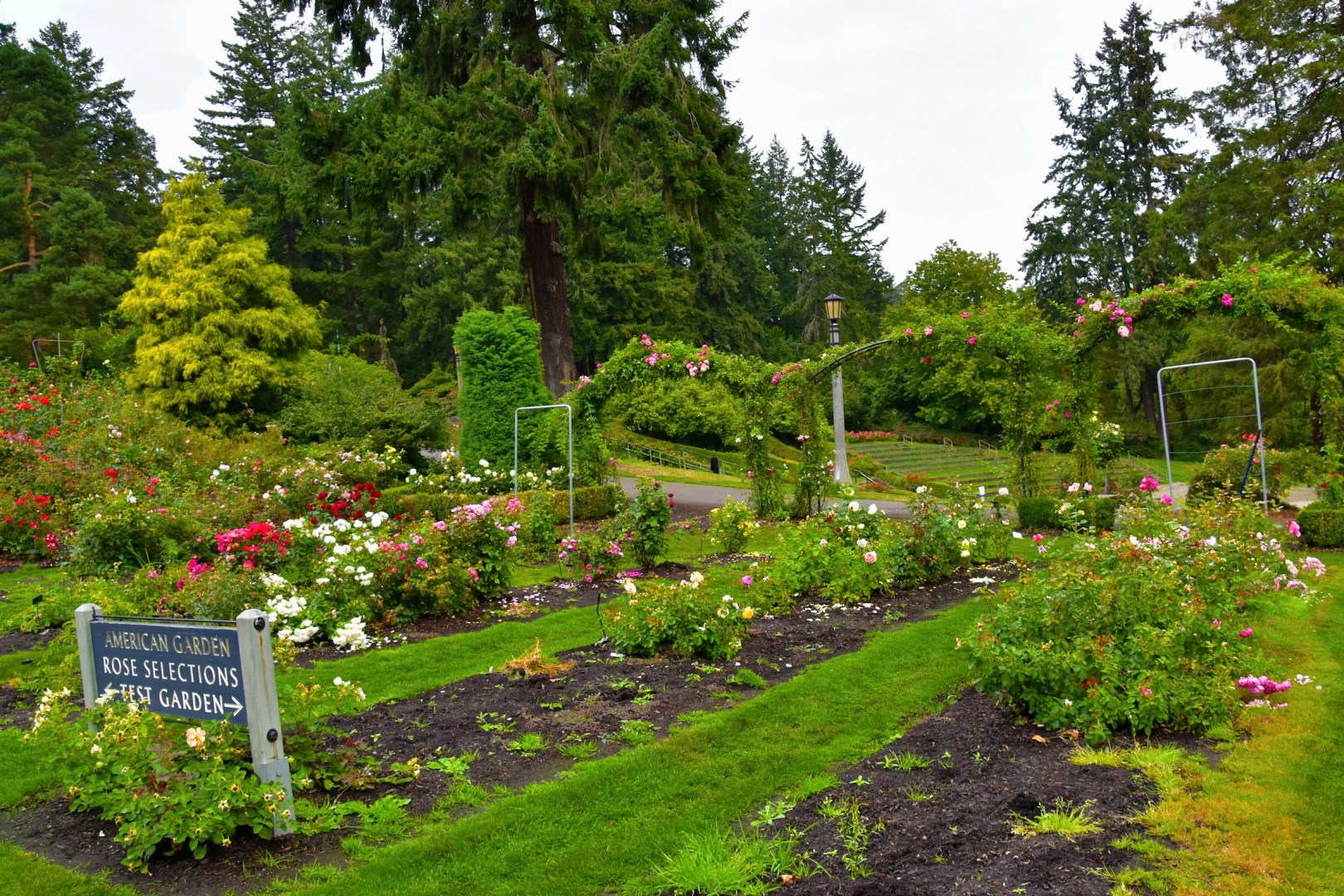
The International Rose Test Garden is a public rose garden in Washington Park, Portland, Oregon, where newly developed rose varieties are grown and evaluated under local conditions. The garden contains thousands of rose plants representing hundreds of varieties, with beds arranged across terraced grounds overlooking downtown Portland and the Cascade Mountains. Its purpose extends beyond display: rose breeders and growers submit cultivars for evaluation, and plants are assessed for qualities such as flower form, color, fragrance, and disease resistance. The garden’s central location within Washington Park also places it near the Portland Japanese Garden, Hoyt Arboretum, and other major city attractions.
Pittock Mansion
Photo Credit: Photo by Joseph Reece on Unsplash
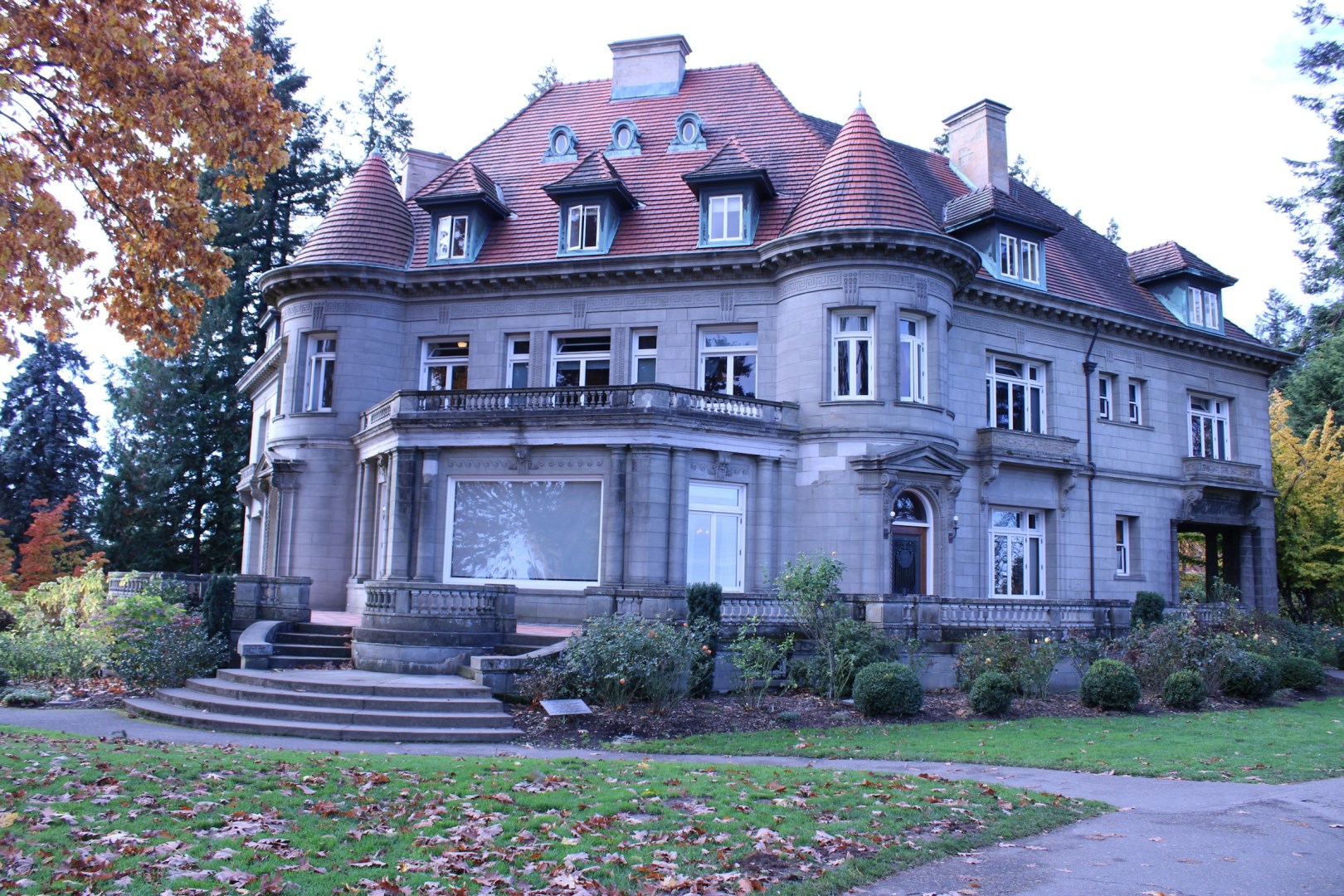
Pittock Mansion
Pittock Mansion is a historic French Renaissance-style residence on the West Hills of Portland, Oregon, set within 46 acres of grounds overlooking the city. Built for Henry and Georgiana Pittock, prominent figures in Portland’s civic and publishing history, the mansion contains 23 rooms furnished to reflect upper-class life in the early twentieth century. Its interior includes carved woodwork, decorative plaster, stained glass, and period furnishings, while the surrounding grounds include formal gardens and walking paths. From the mansion’s elevated position, visitors can see downtown Portland, the Willamette River, Mount Hood, Mount St. Helens, and other Cascade peaks on clear days.