Hayman Island
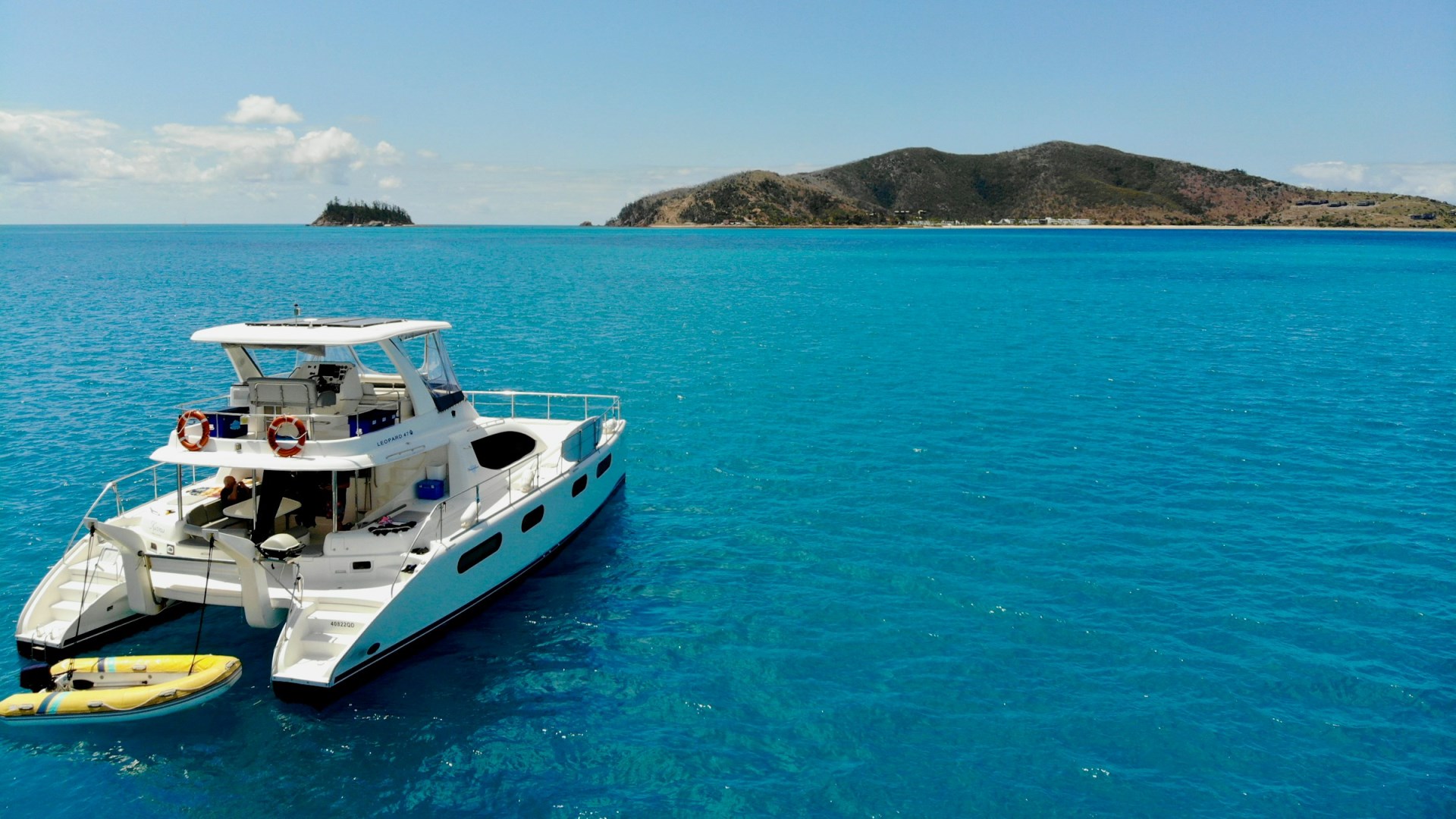
Hayman Island is nestled in the spectacular Whitsunday Islands off Australia's north Queensland Coast.
Carriacou
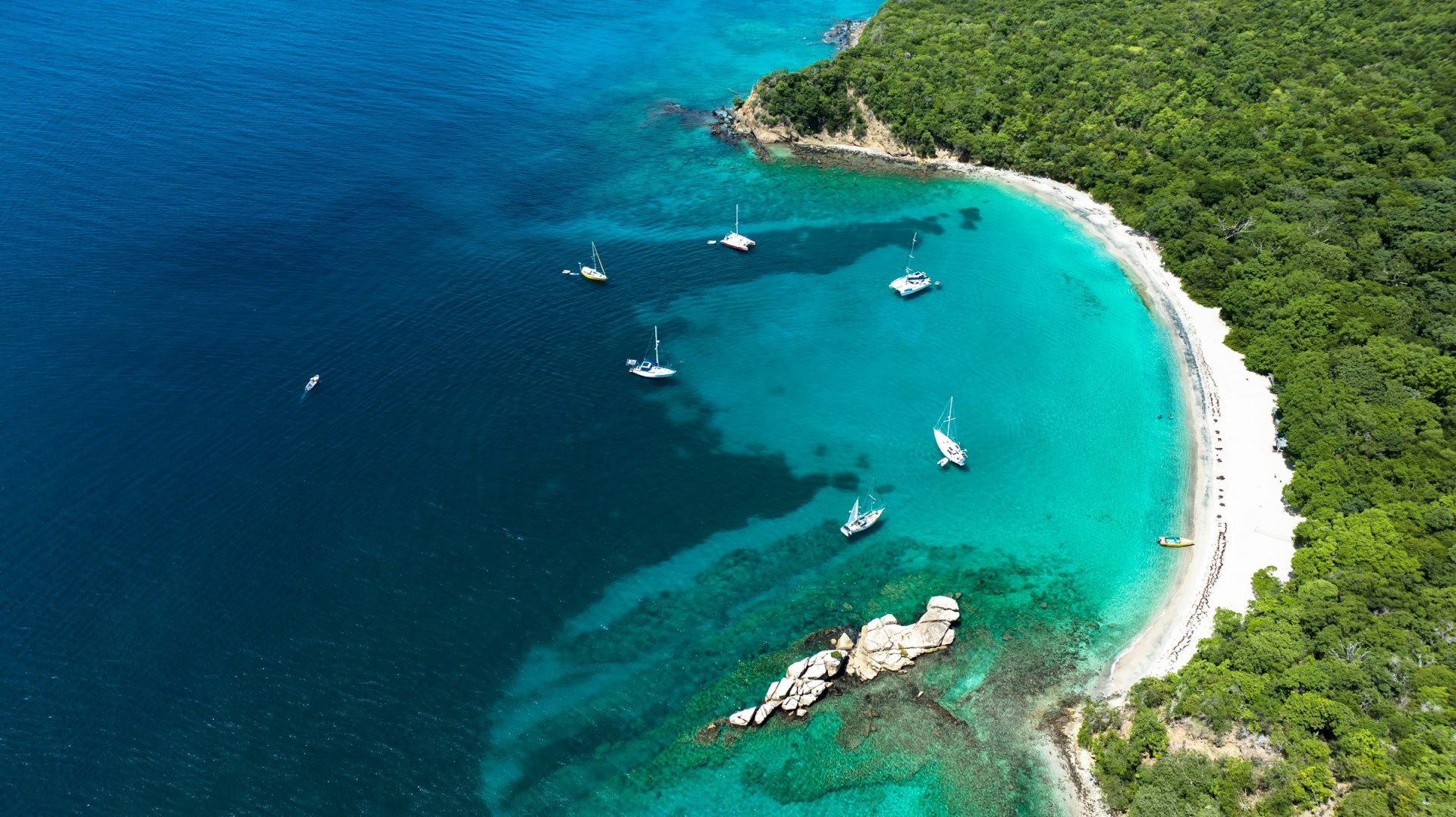
Carriacou is the largest of Grenada’s sister islands and part of the Grenadines, lying north of mainland Grenada between the Caribbean Sea and Atlantic Ocean. The island has a relatively dry climate and a landscape of low hills, rocky headlands, coral reefs, beaches, and small valleys used for farming. Hillsborough is the main settlement, while Windward, L’Esterre, and Tyrell Bay are among the island’s other communities.

Charlotte Amalie
With its mix of history, culture, and breathtaking natural beauty, Charlotte Amalie offers an unforgettable Caribbean experience. Whether you’re soaking up the sun on a world-class beach or diving into the island’s rich heritage, there’s something for everyone in this captivating destination.
Waco
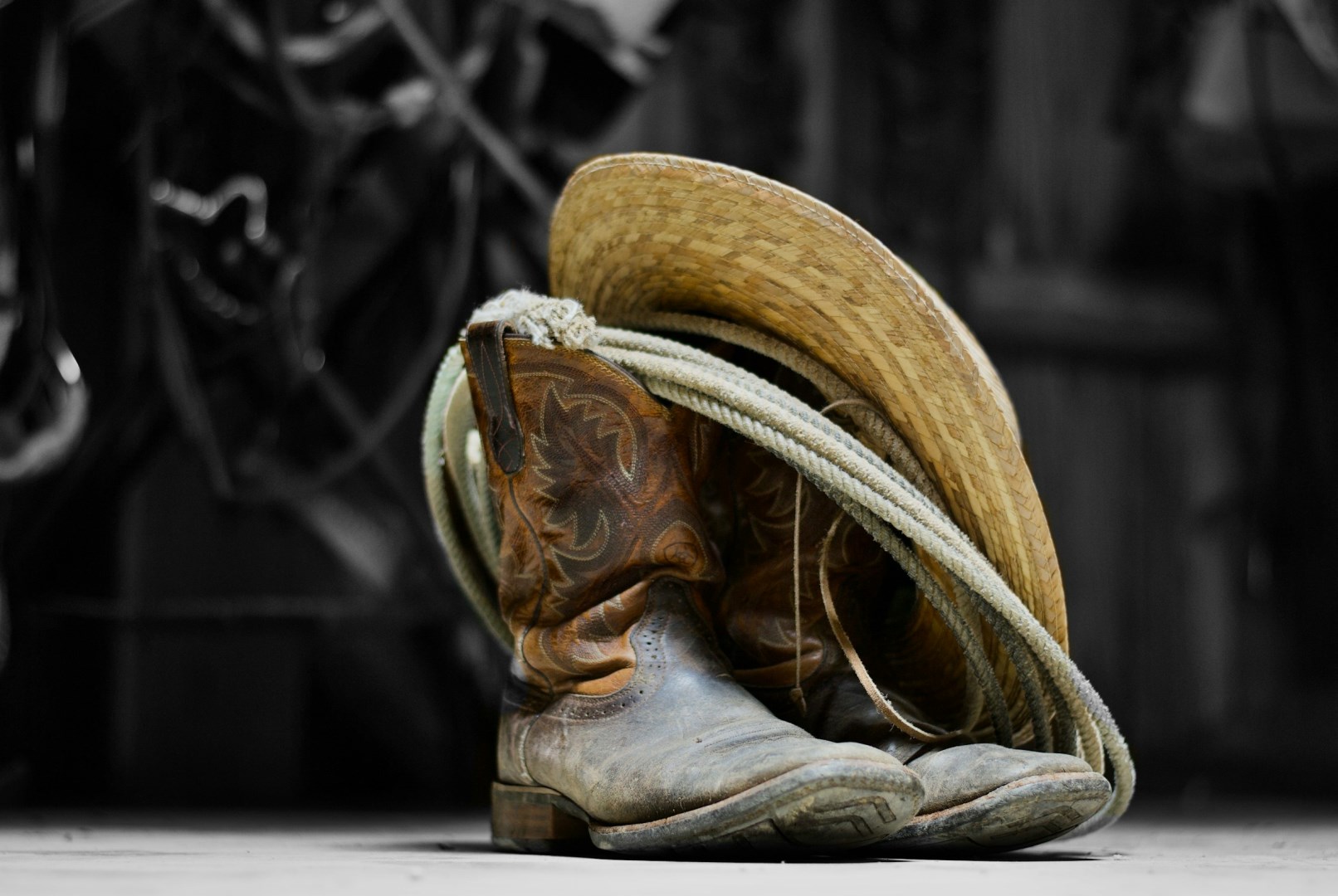
Waco is a Central Texas city positioned along the Brazos River between Dallas and Austin. Its identity is closely connected with Baylor University, the Texas Rangers, and the development of the Dr Pepper soft drink, which originated at a Waco drugstore. The city combines an established downtown with residential neighborhoods, museums, riverfront spaces, and a large network of parks.
Houghton
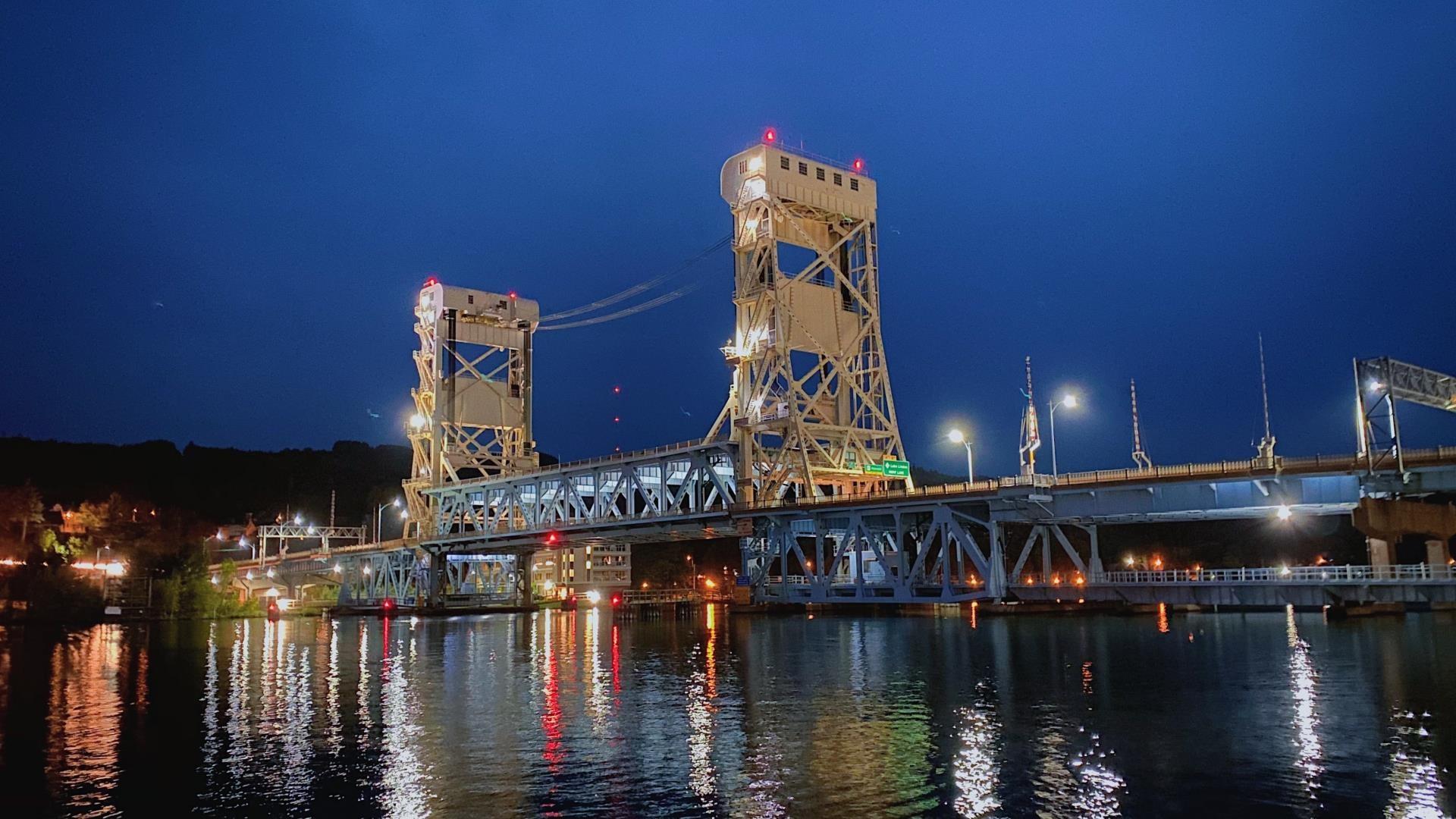
The city of Houghton sits on Keweenaw Peninsula in the heart of Michigan's Copper Country and provides direct access to the beauty of Lake Superior. You'll find plenty to do and see in this charming city, from an abundance of winter sports, to nature trails and parks, to the fascinating A.E. Seaman Mineral Museum, located on the Michigan Technological University campus.