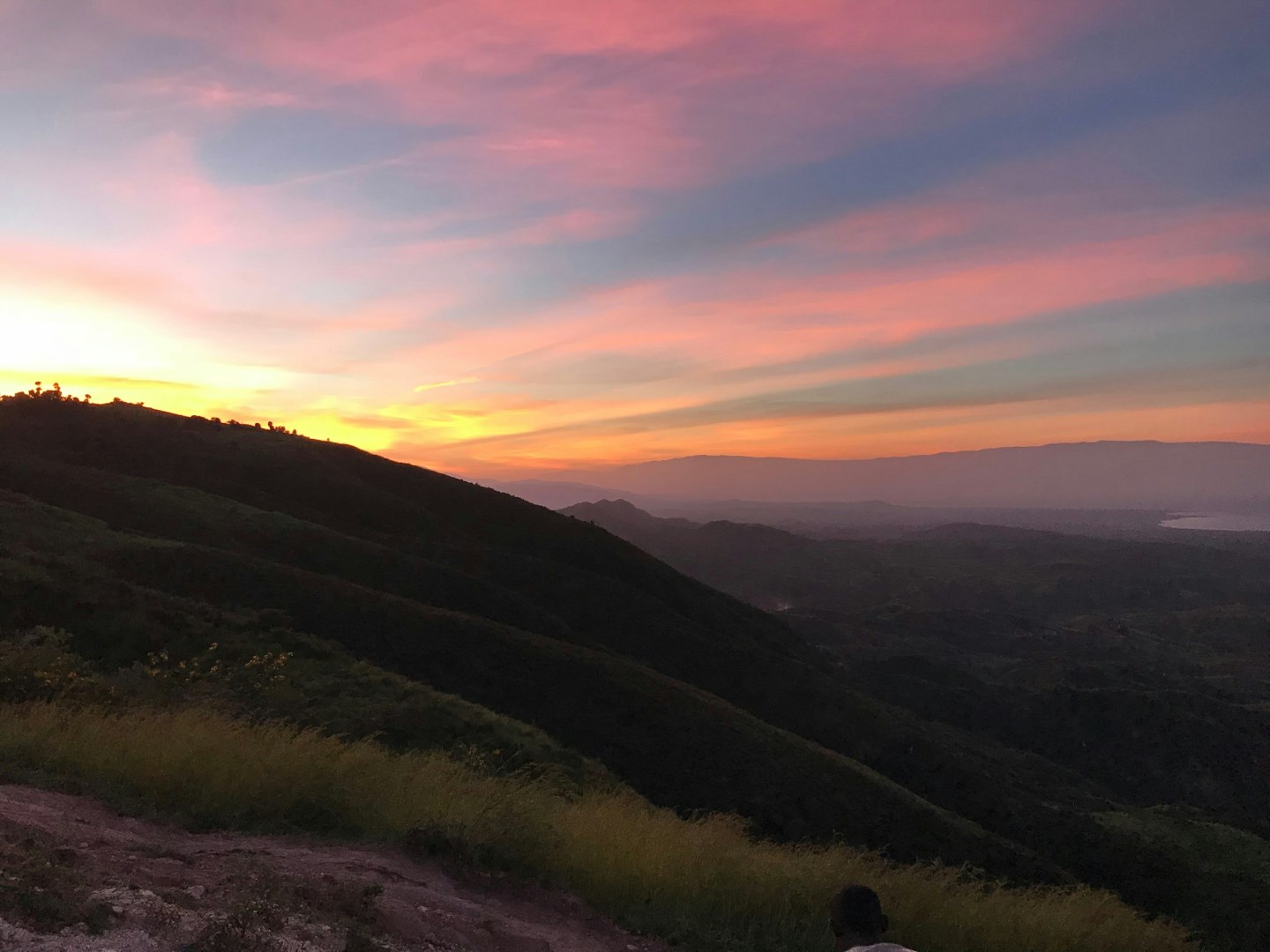
Kraków
Kraków lies in southern Poland along the Vistula River and serves as one of the country’s most recognized cultural centers. Its layout is shaped by a well-preserved historic core, with streets radiating from a large central square. The city retains a human scale, where daily life unfolds among historic buildings, universities, and markets. It stands apart for its continuity of urban life, where medieval structures coexist with modern institutions without dramatic contrast.
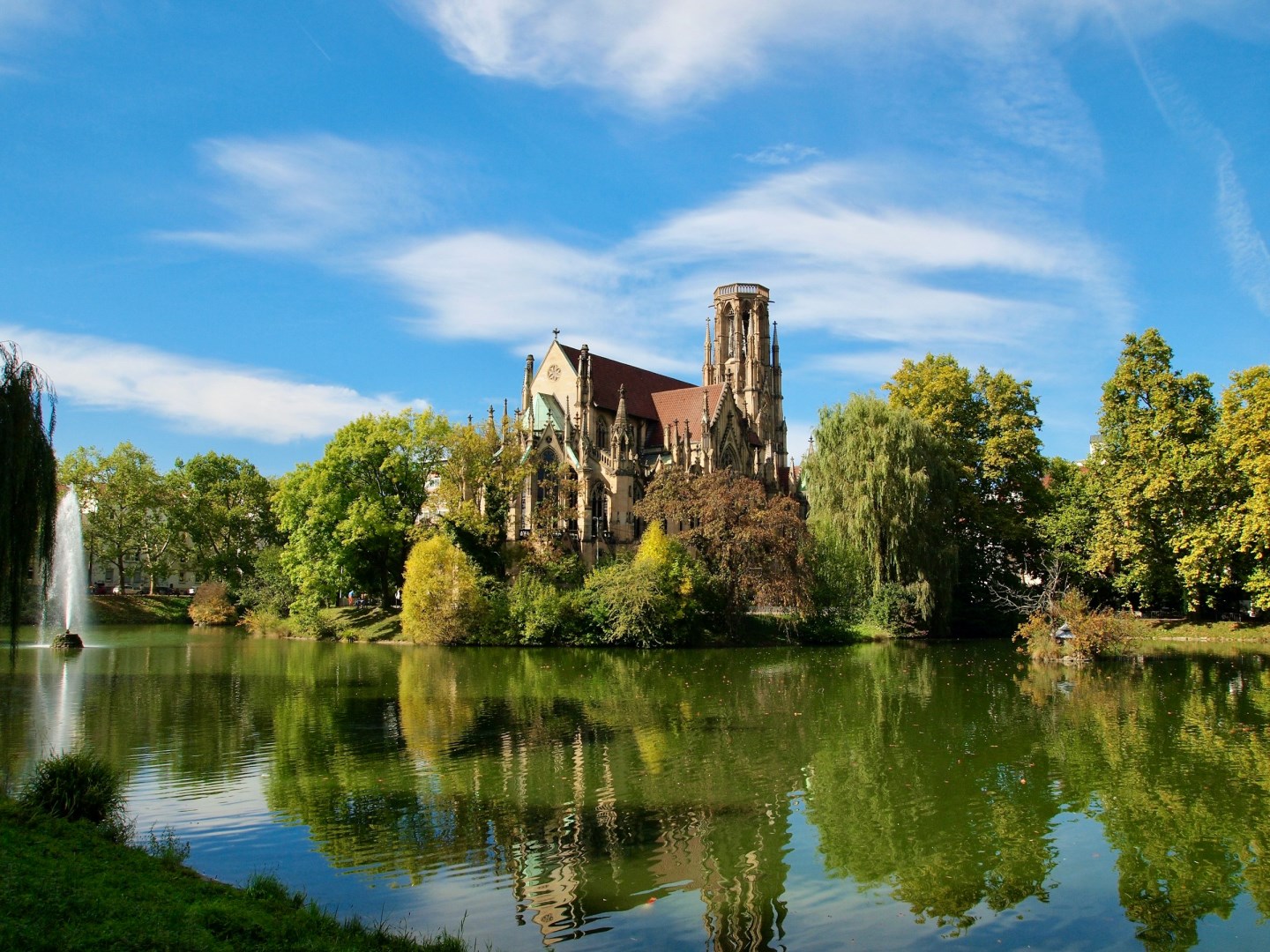
Stuttgart
Stuttgart, the capital of Baden-Württemberg in southwestern Germany, is a city celebrated for its automotive heritage, green spaces, and cultural vibrancy. Nestled in a valley surrounded by vineyards and gentle hills, Stuttgart balances modern industry with historical charm.
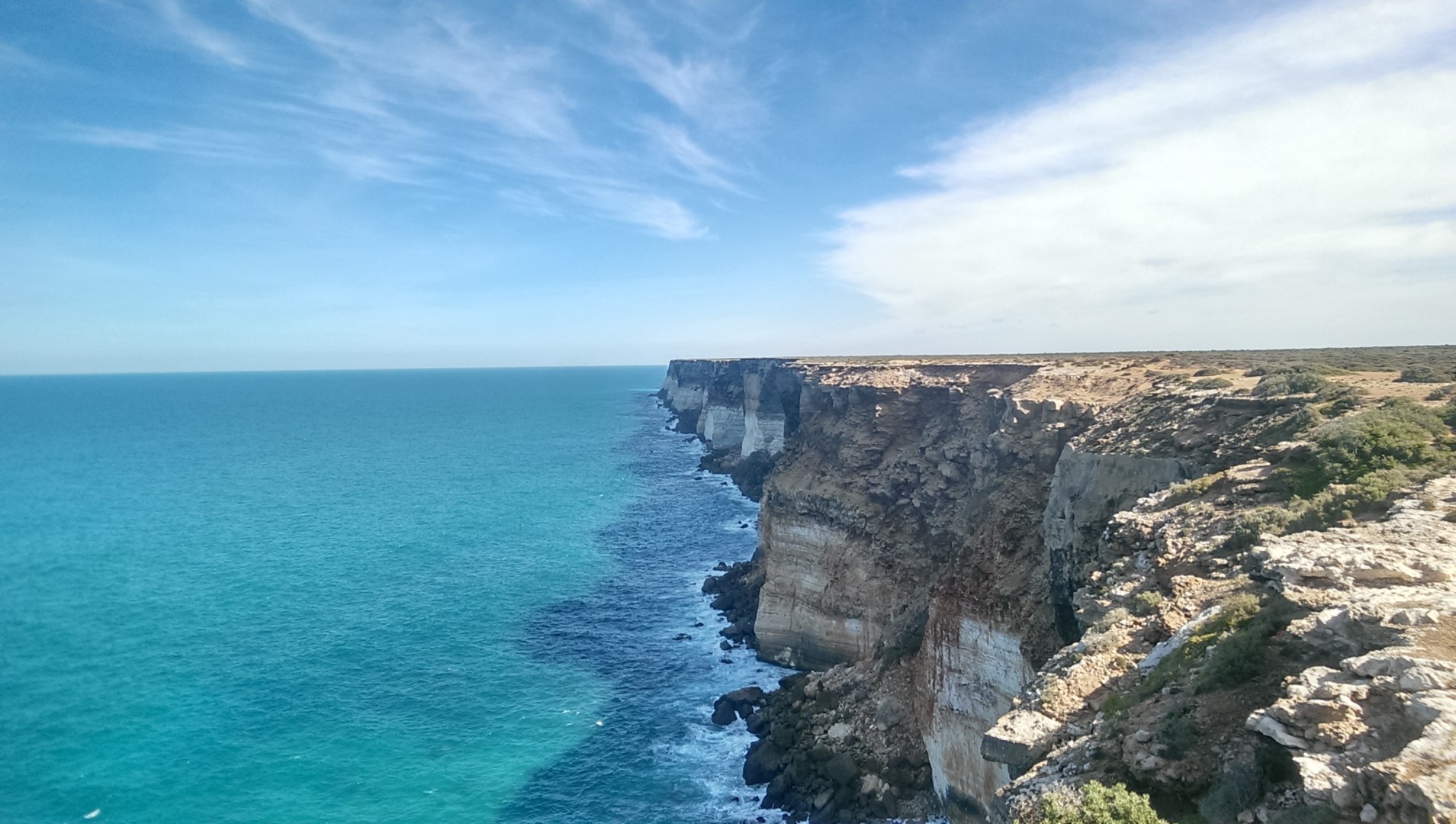
Great Australian Bight
A vast stretch of Australia’s southern coast known for towering limestone cliffs, remote scenery and seasonal southern right whale sightings.

Cape Town
Cape Town, located at the southern tip of South Africa, is one of the world’s most striking coastal cities. Towering over it is Table Mountain, a flat-topped landmark that can be reached by cable car or on foot, offering sweeping views of the city, ocean, and beyond.
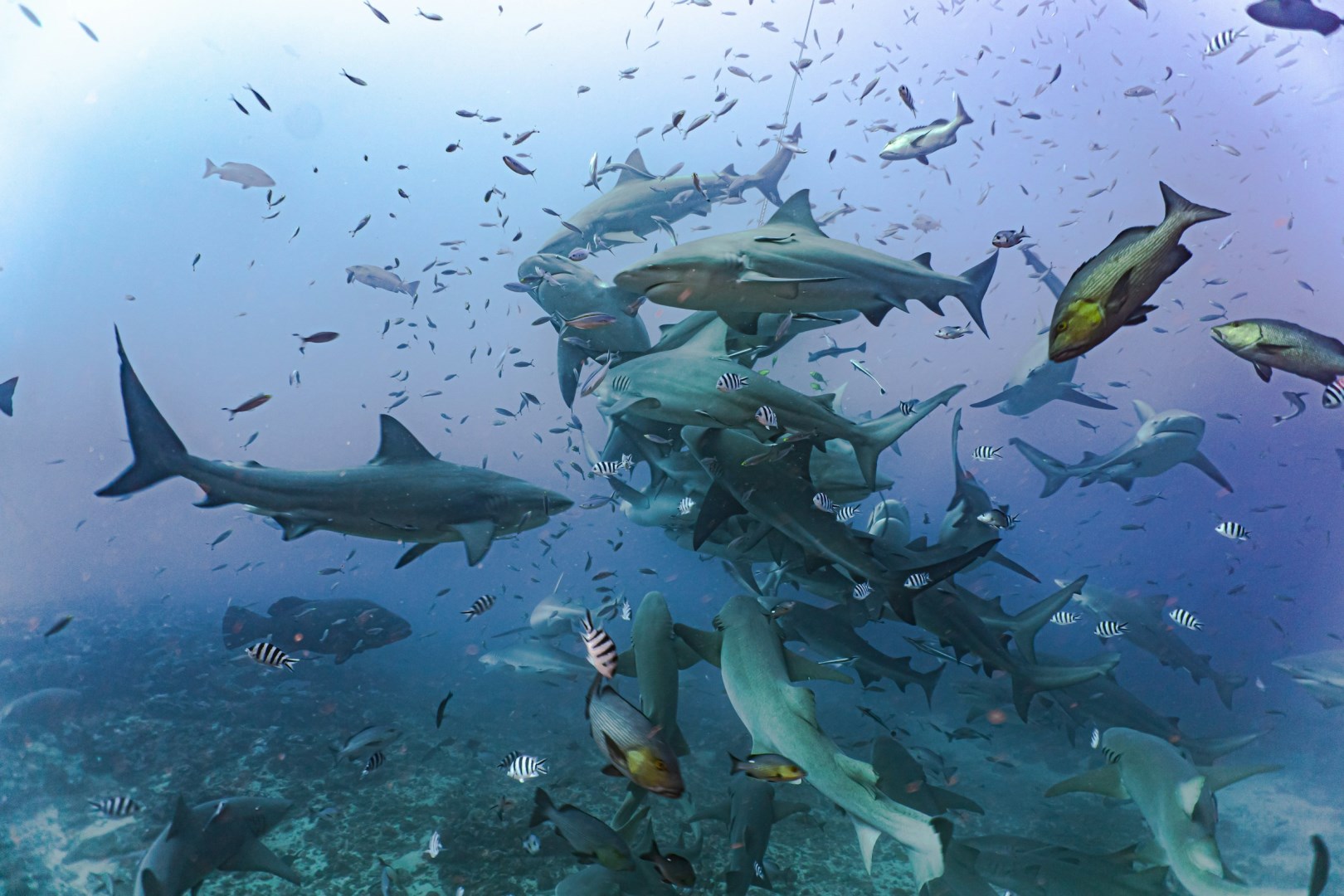
Pacific Harbour
Pacific Harbour, located on the southern coast of Viti Levu in Fiji, is known as the country’s “Adventure Capital.” Once envisioned as a luxury resort community, it has evolved into a dynamic destination that blends tropical relaxation with outdoor excitement.