Wuhan
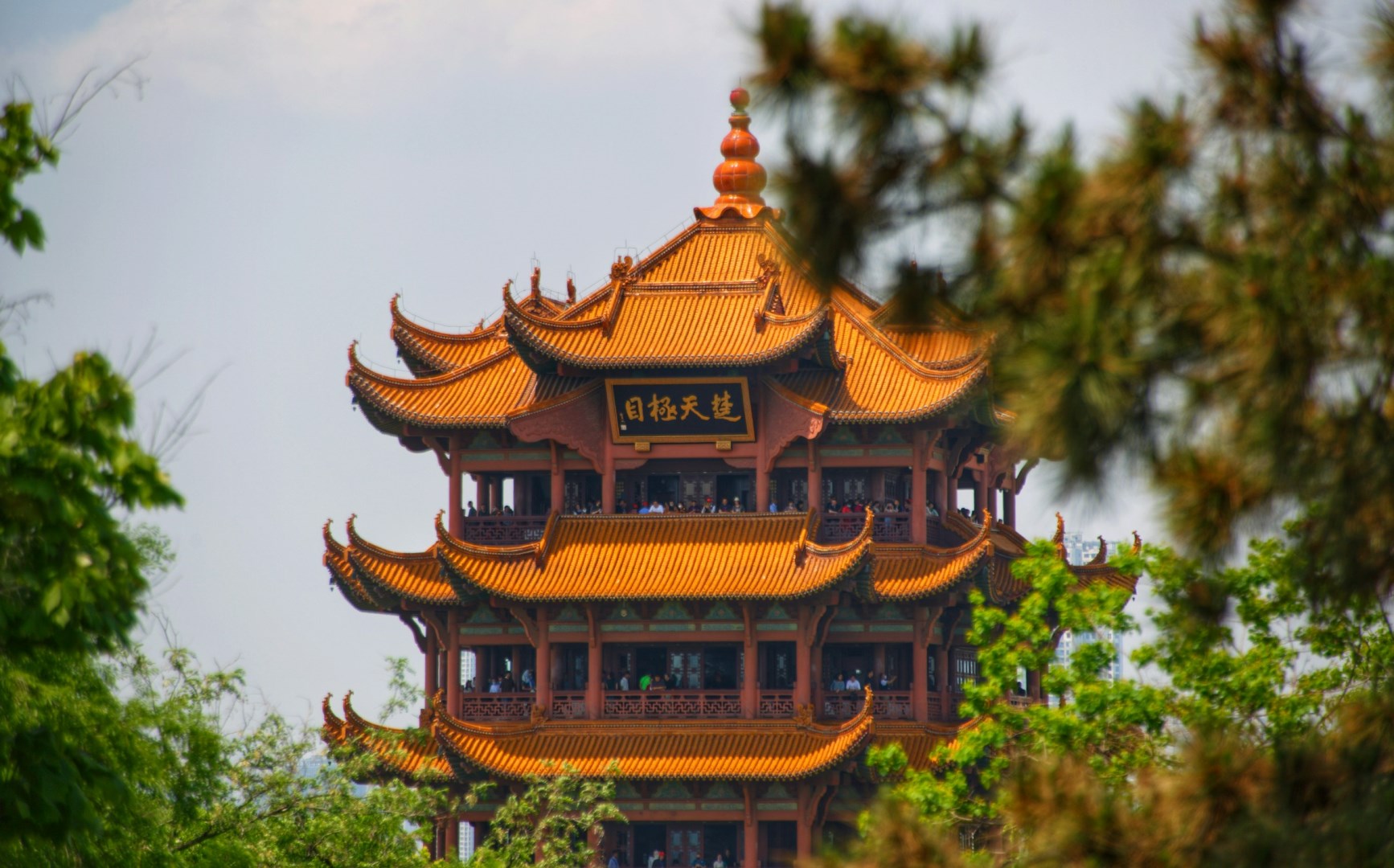
Situated on the Yangzte River, this is the provincial capital of the port of embarcation and debarcation for Yangzte River cruises. East Lake Park, Yellow Crane Tower, Guiyuan Temple, Hongshan Pagoda are some of the attractions.

Cayman Islands
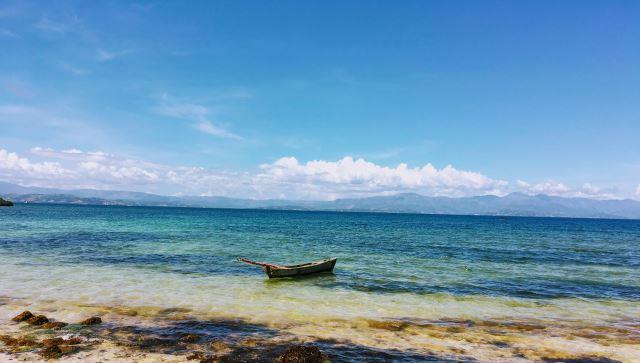
The Cayman Islands, a trio of tropical gems in the western Caribbean, are renowned for their crystalline waters, coral reefs, and relaxed island lifestyle. Grand Cayman, the largest, is home to the famous Seven Mile Beach, a stretch of soft white sand fringed by turquoise seas.

Cordoba
Argentina's second largest city, founded 400 years ago by Conquistadores, Cordoba is built at the edge of the Pampas and in thefoothills of the Andes Mountains. It is a university town that maintains the charm of Colonial days and Spanish traditions.
San Luis Obispo
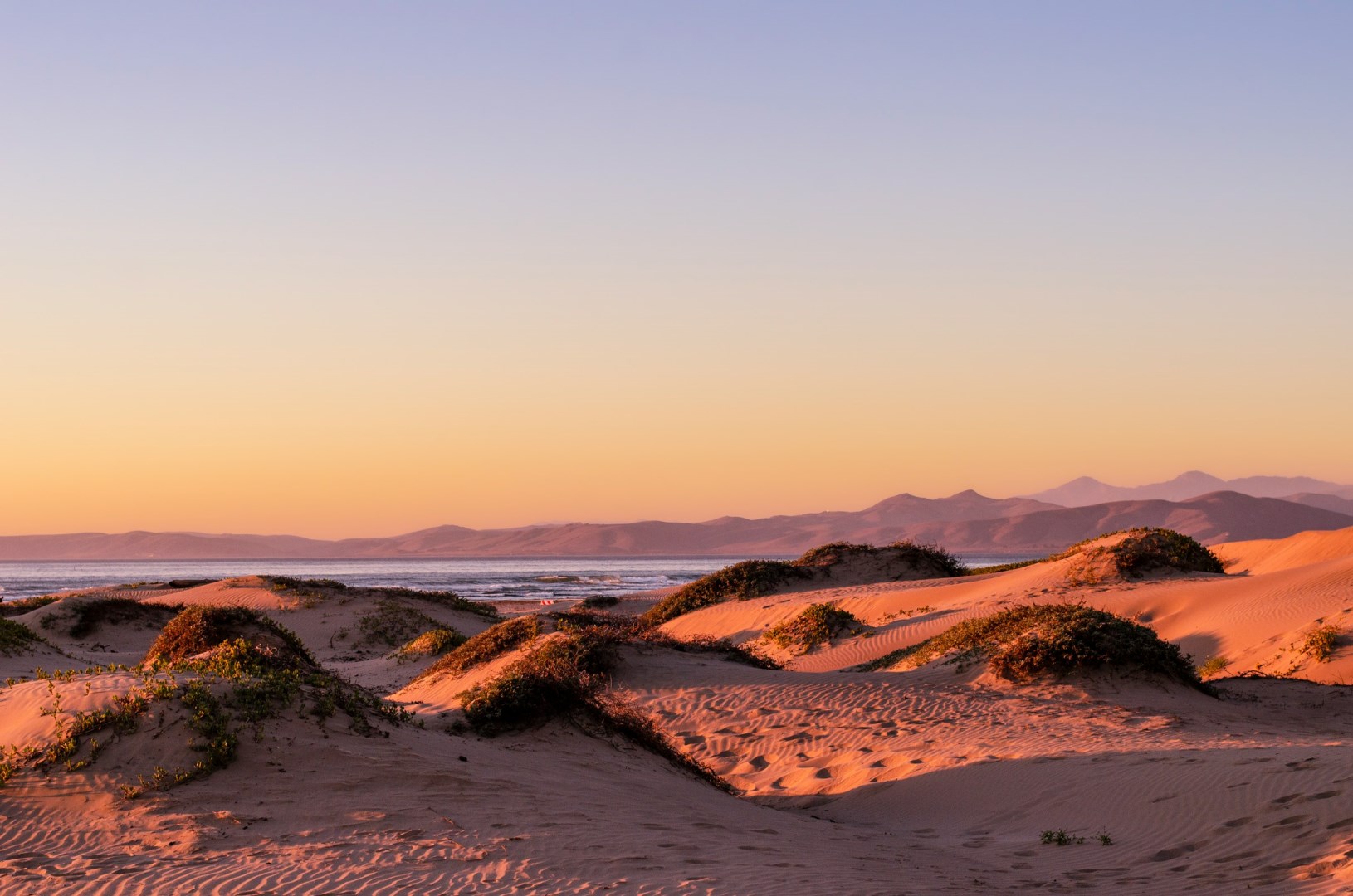
San Luis Obispo is a city on California’s Central Coast, set between the Santa Lucia Mountains and the Pacific Ocean. Its location in a sheltered valley gives the community a landscape of oak-covered hills, vineyards, creeks, and agricultural land, while the coast is within easy reach to the west. Downtown San Luis Obispo centers on a historic Spanish mission and a compact collection of shops, restaurants, and public spaces.
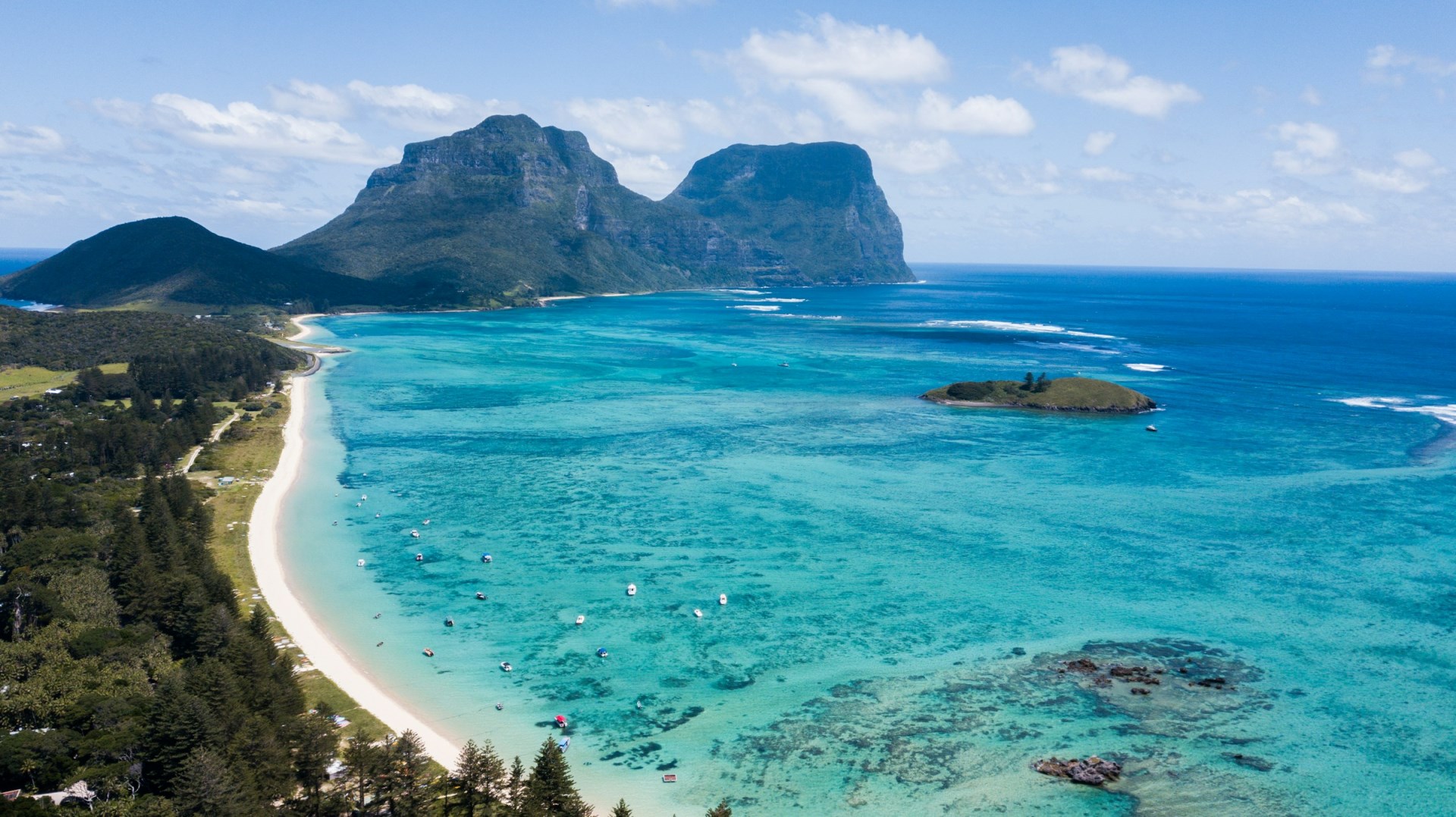
Lord Howe Island
Over 70% of this island off the coast from Canberra, is a national park. It is a popular tourist destination