Ometepe
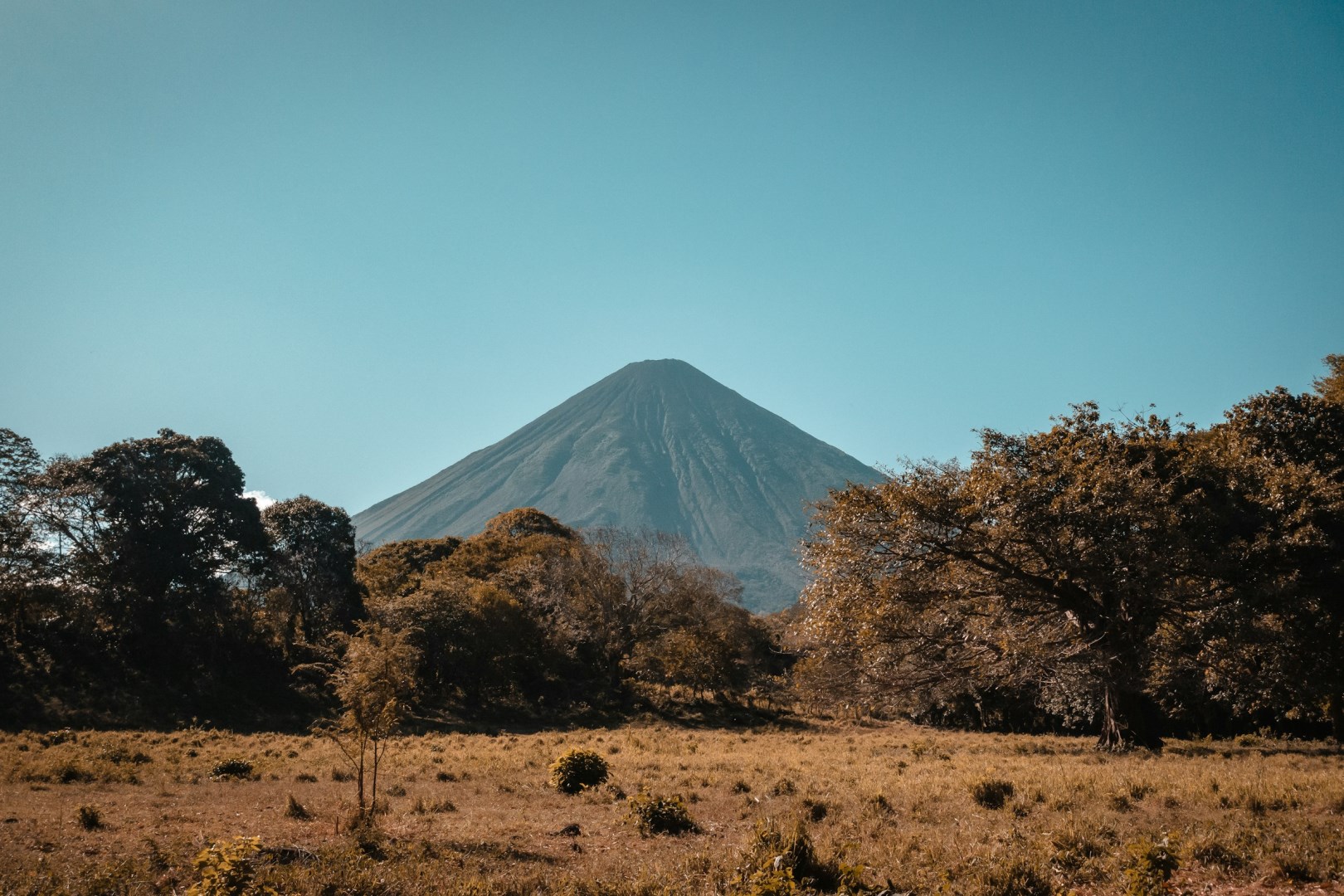
Ometepe is an island in southwestern Nicaragua, located in Lake Nicaragua and formed by two volcanoes joined by a narrow isthmus. Concepción rises on the northern side of the island, while Maderas occupies the southern section. The island includes the municipalities of Moyogalpa and Altagracia and has a landscape of farms, forests, wetlands, beaches, and rural communities.
Nanyuki
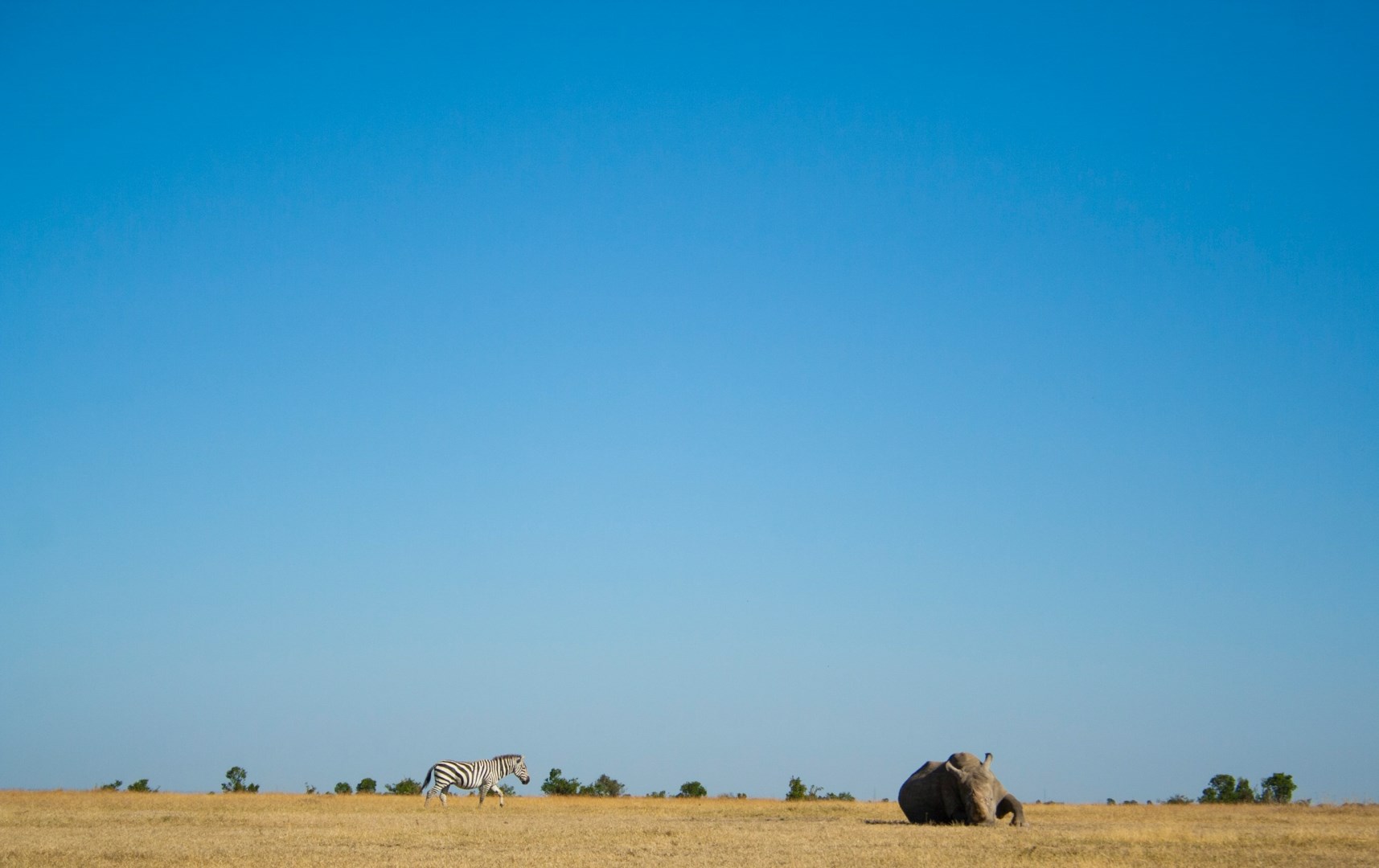
Nanyuki, located on the equator in central Kenya, is a lively town that serves as a gateway to Mount Kenya and the Laikipia Plateau. Founded by British settlers in the early 20th century, it still carries traces of its colonial past while embodying the energy and diversity of modern Kenya.

Zanzibar
Zanzibar Island, off the coast of Tanzania, is a captivating destination where history and natural beauty converge. The island’s Stone Town, a UNESCO World Heritage Site, is a maze of narrow alleys, vibrant markets, and historical buildings. Wander through the bustling Darajani Market, where local spices, textiles, and crafts create a sensory feast.

Denali National Park
Denali National Park and Preserve is an adventurer’s paradise! This scenic landscape and arctic tundra in the Alaska wilderness is one of the country’s most beautiful national parks, and with over six millions acres of land, the park offers plenty of exhilarating activities, breathtaking hikes, and majestic sights, all of which will leave you in awe.
Duluth
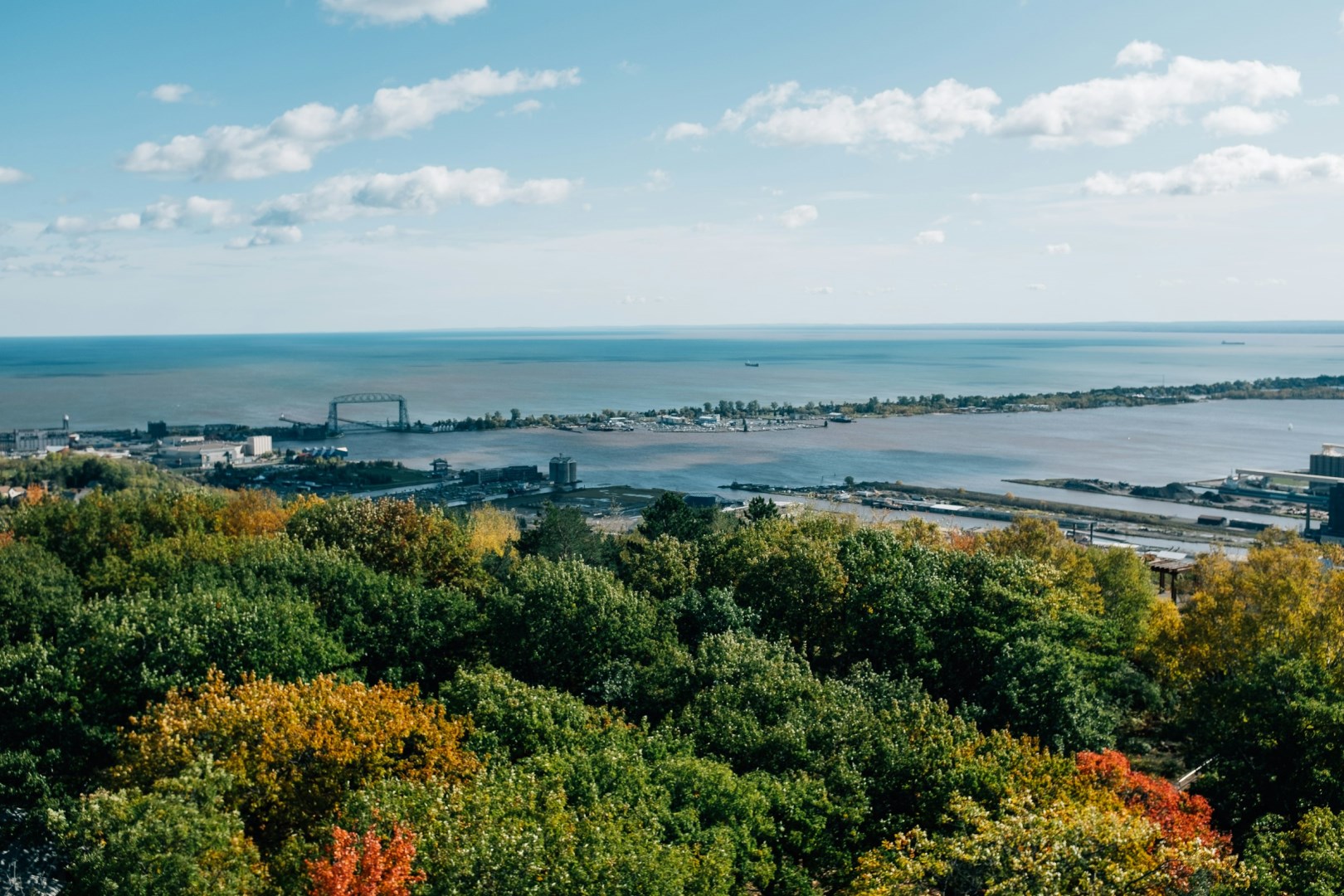
Located on Lake Superior, Duluth is a gateway for a year-round resort area, and tourism is a major industry.