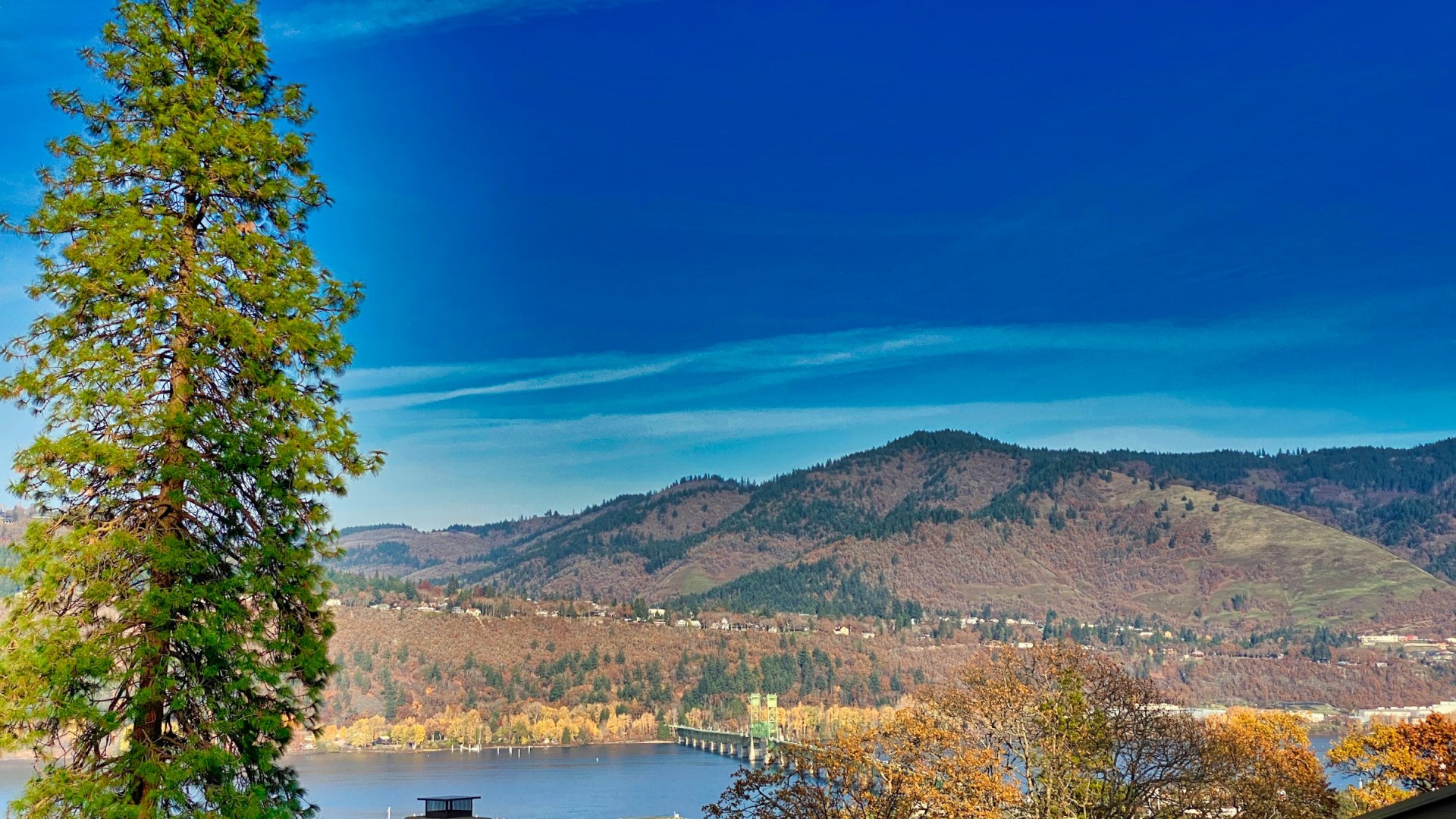
Hood River, Oregon, is a vibrant city nestled on the banks of the Columbia River and surrounded by the majestic peaks of the Cascade Range. Known for its stunning natural beauty and outdoor adventure opportunities, Hood River is a paradise for those who love windsurfing, kiteboarding, and mountain biking. The city's location on the Columbia River Gorge provides exceptional conditions for these water sports, making it a premier destination for thrill-seekers.
Paro, Bhutan, is a serene valley town that offers a gateway to the mystical charm of the Land of the Thunder Dragon. Nestled amidst verdant hills and bisected by the glistening Paro Chhu river, Paro is home to some of Bhutan’s most iconic landmarks and cultural treasures. At the heart of this picturesque valley stands the majestic Paro Dzong, or Rinpung Dzong, a fortress-monastery with a history dating back to the 17th century.
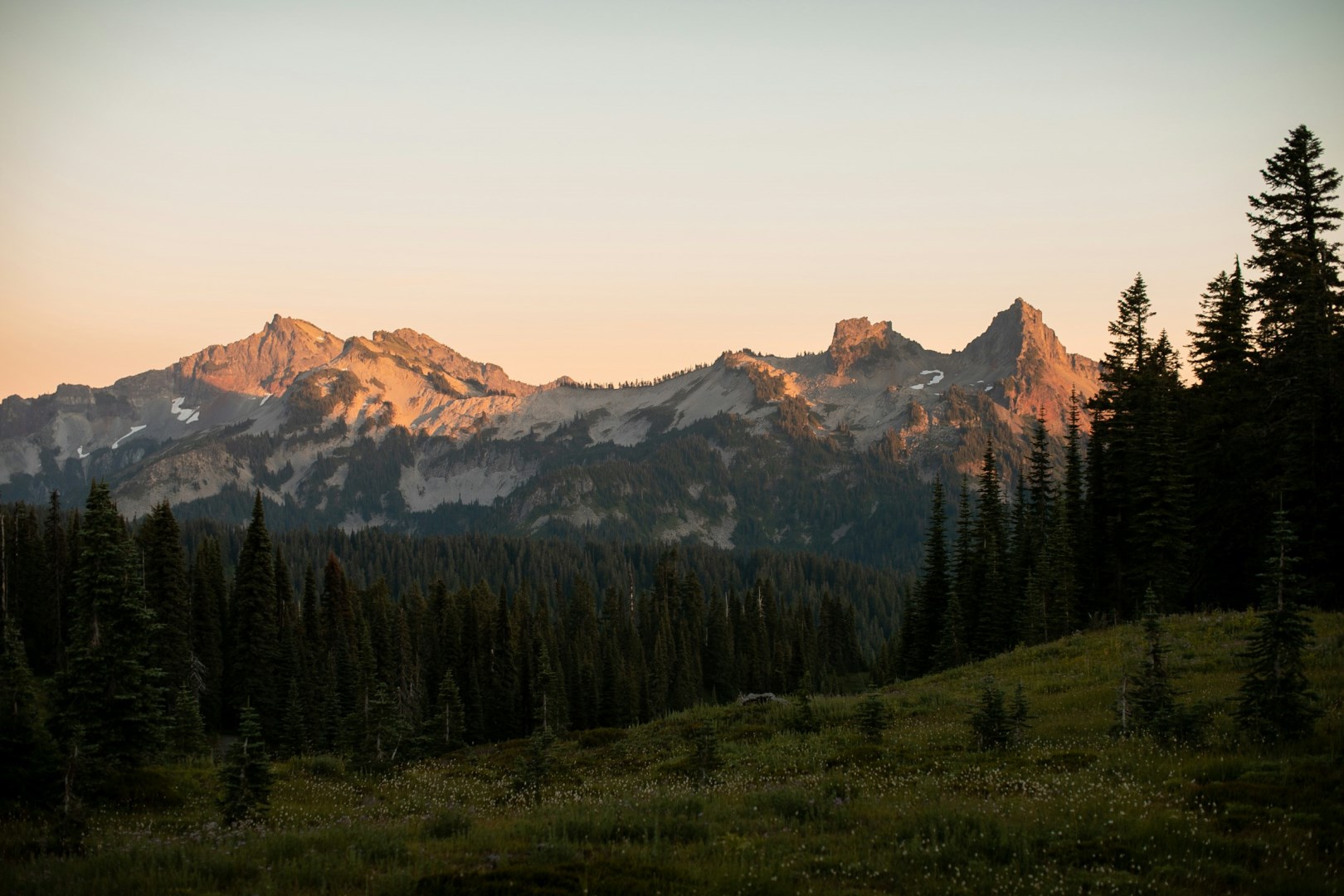
Mount Rainier National Park is centered on Mount Rainier, a massive glaciated volcano rising above the forests and valleys of Washington’s Cascade Range. The mountain dominates the surrounding landscape, with glaciers, snowfields, alpine meadows, old-growth forests, rivers, and waterfalls extending across the park. Its varied elevations create distinct environments, from dense lowland forest to open subalpine terrain and rugged alpine slopes.
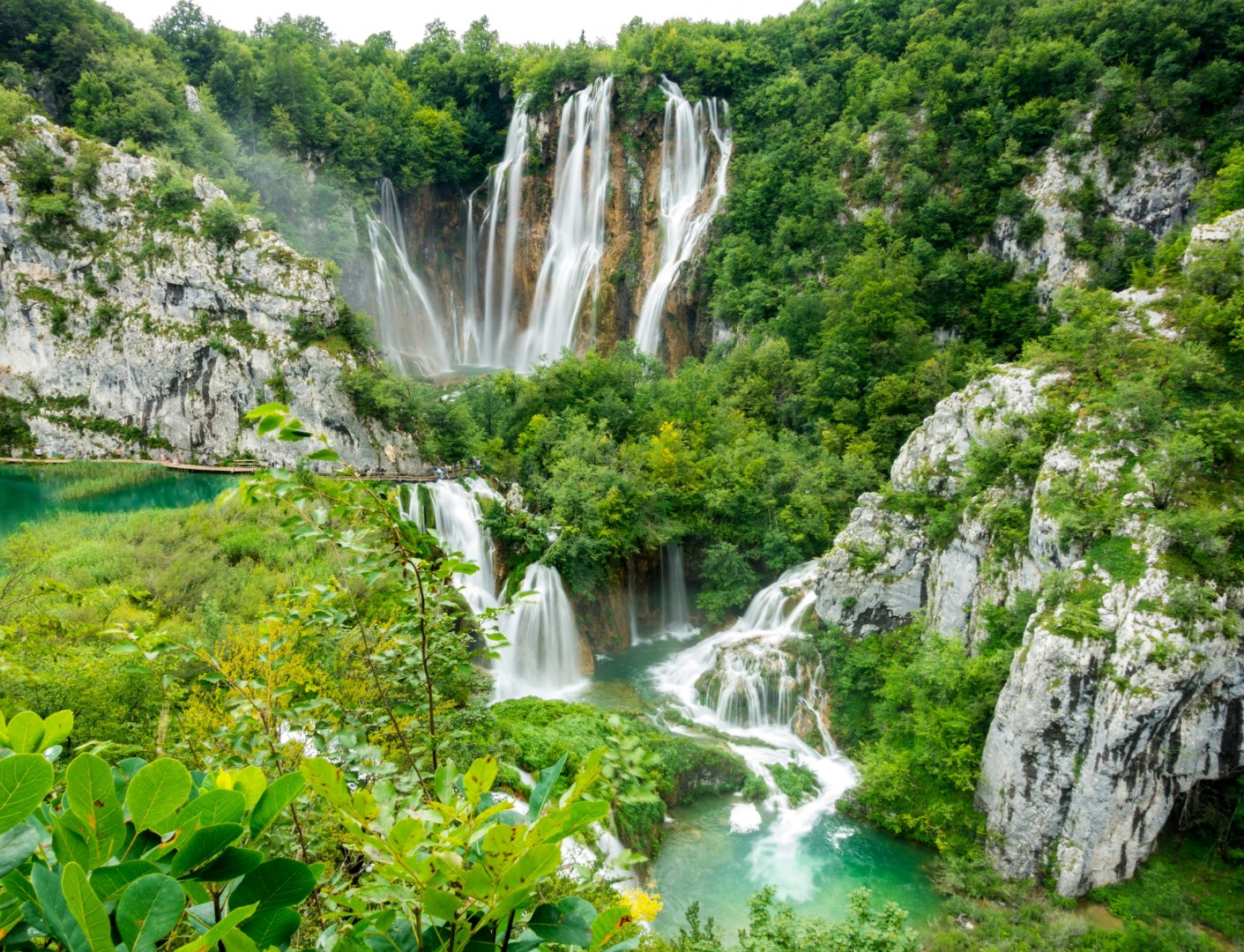
Plitvice Lakes National Park, a UNESCO World Heritage Site since 1979, is one of Croatia’s most captivating natural wonders. Located in the heart of the country, this mesmerizing park is renowned for its cascading lakes, lush greenery, and a network of waterfalls that create an enchanting landscape. The park’s 16 terraced lakes, connected by a series of waterfalls, range in color from emerald green to sapphire blue due to the unique mineral content and the reflection of sunlight. Visitors can ex
Banff, nestled in the heart of the Canadian Rockies, is one of Canada’s most celebrated mountain towns and a gateway to Banff National Park, a UNESCO World Heritage Site.
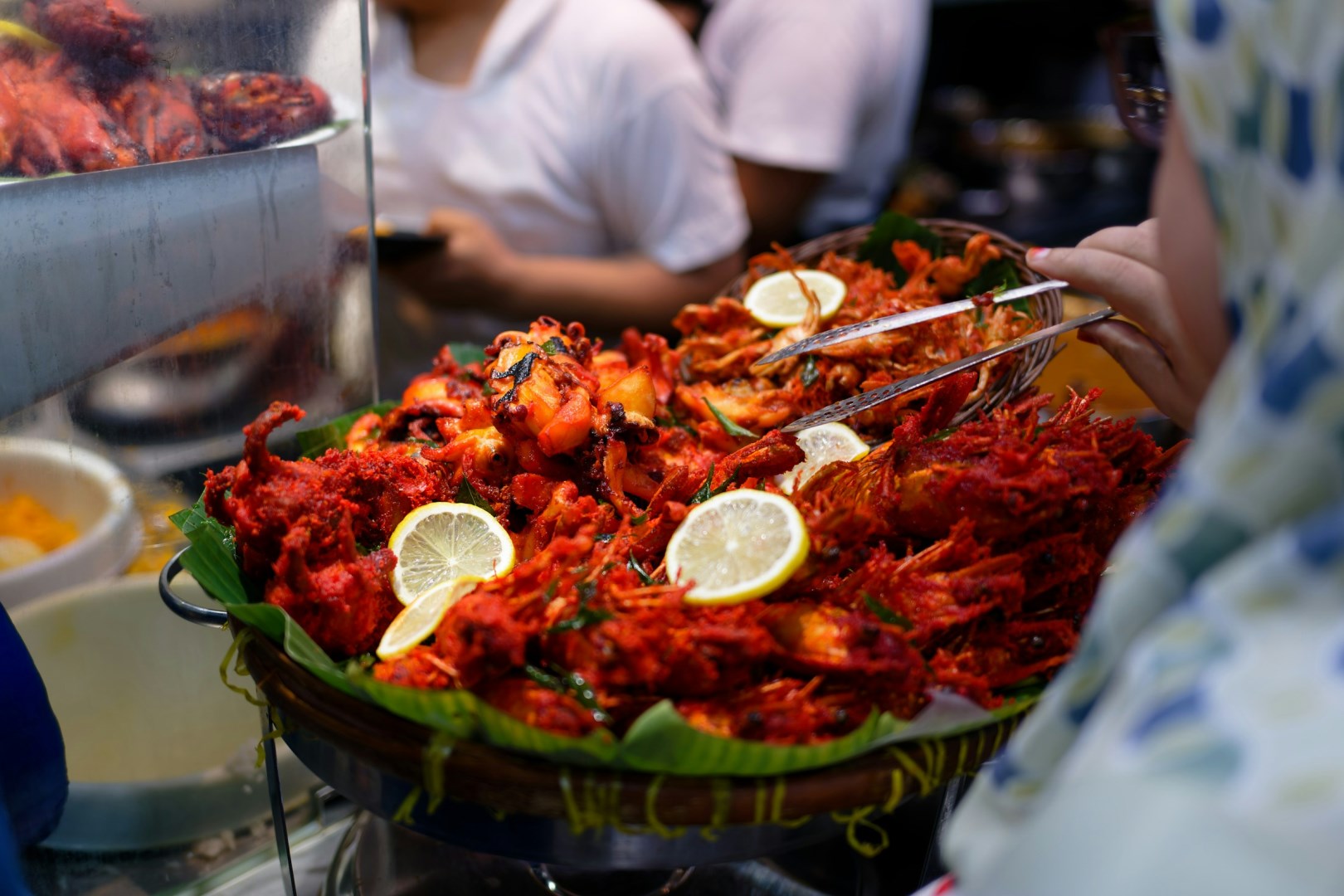
Photo Credit: Image by Iszarizal Ismail from Pixabay
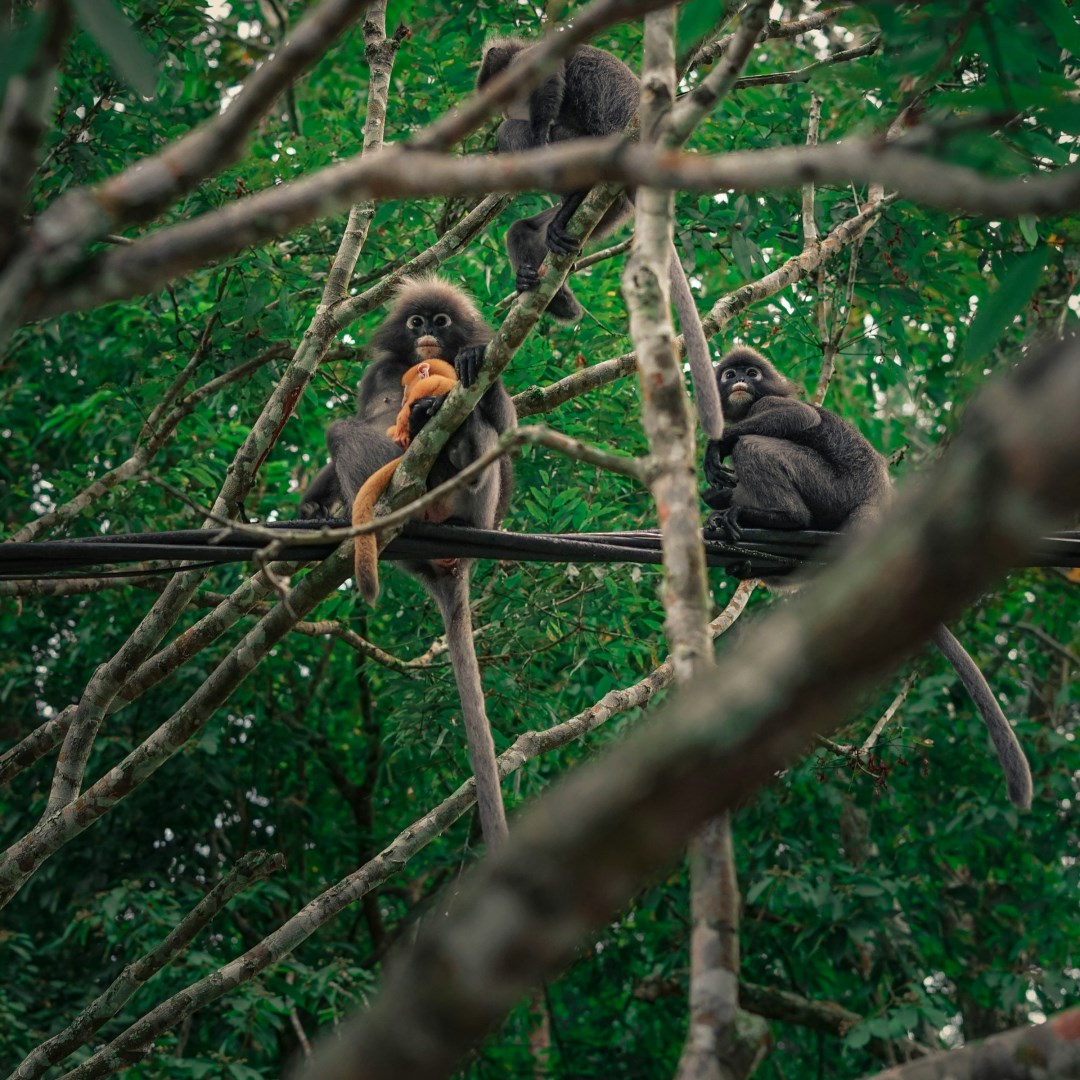
Photo Credit: Photo by Kelvin Zyteng on Unsplash
Penang Botanical Gardens
Photo Credit: Photo by James Thornton on Unsplash
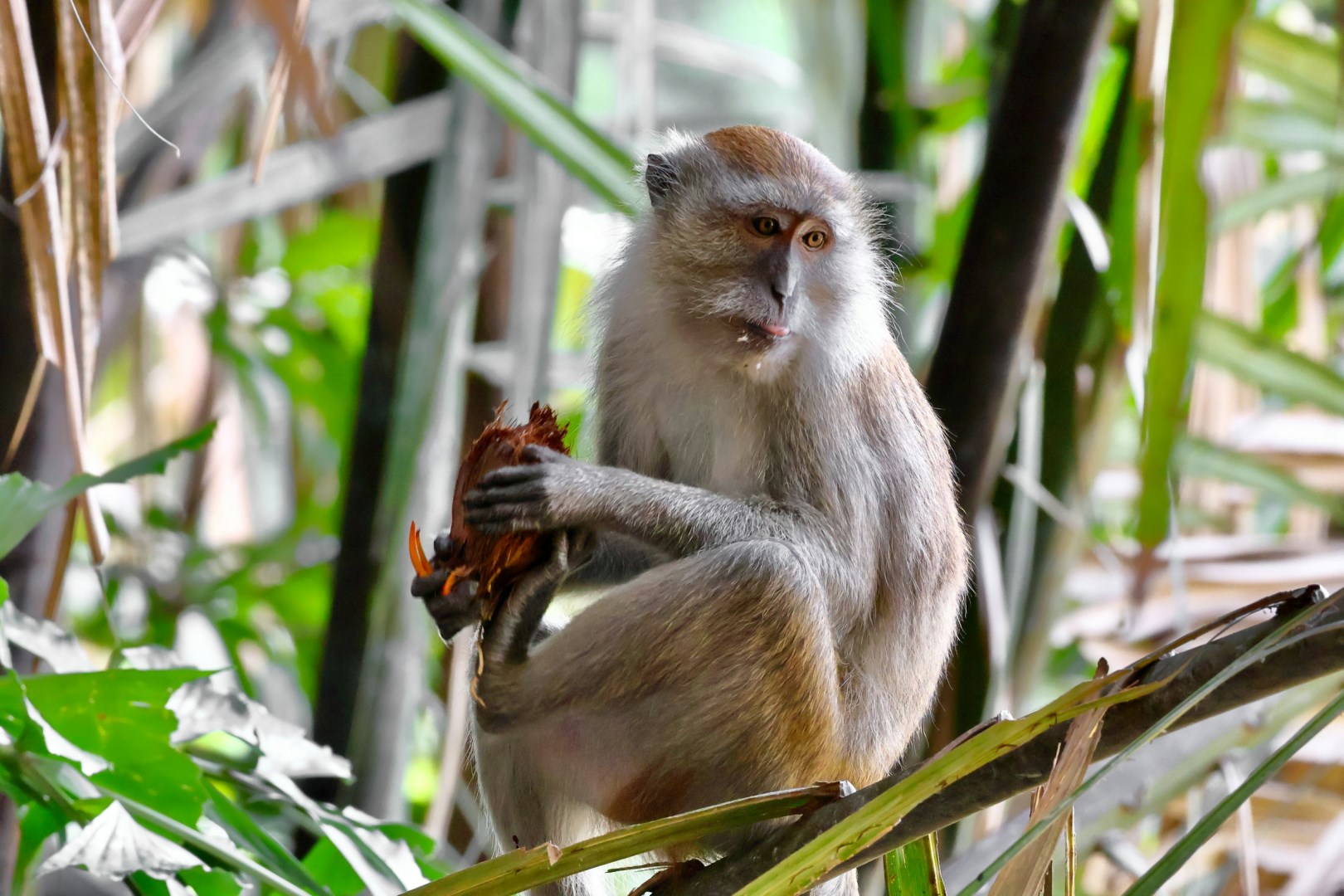
Crab-eating macaque at Air Hitam Dalam Educational Forest
Photo Credit: Photo by You Le on Unsplash
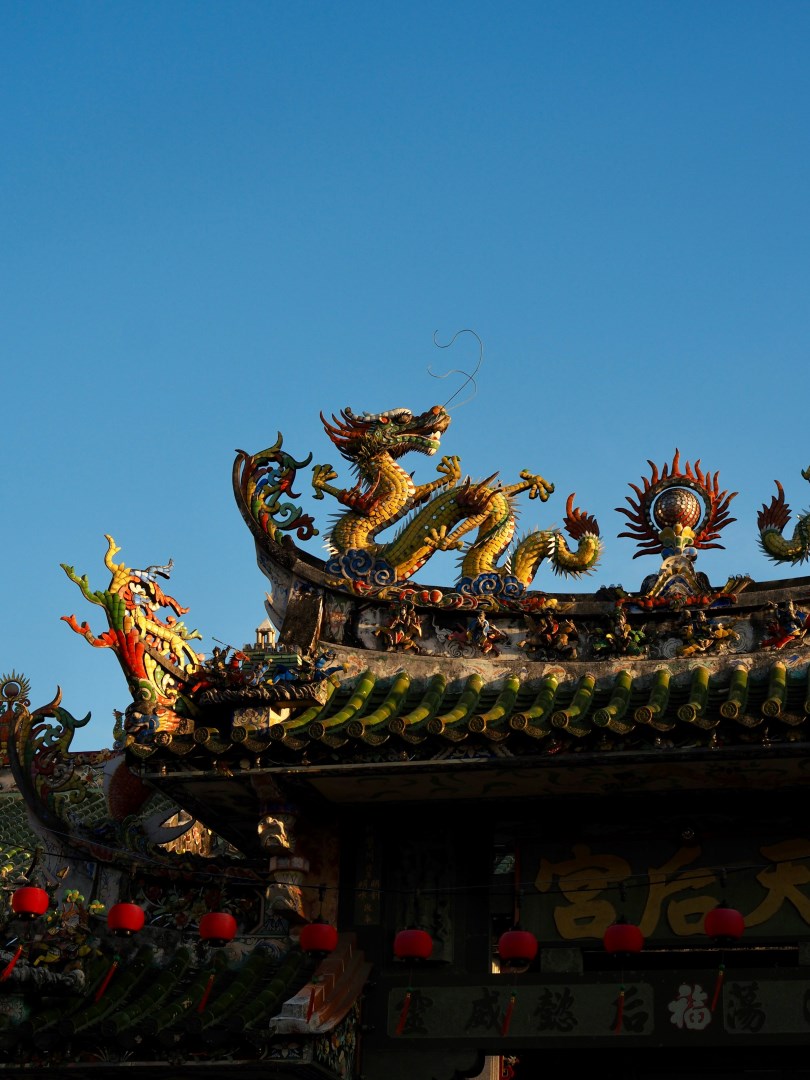
Photo Credit: Photo by Caitlin James on Unsplash
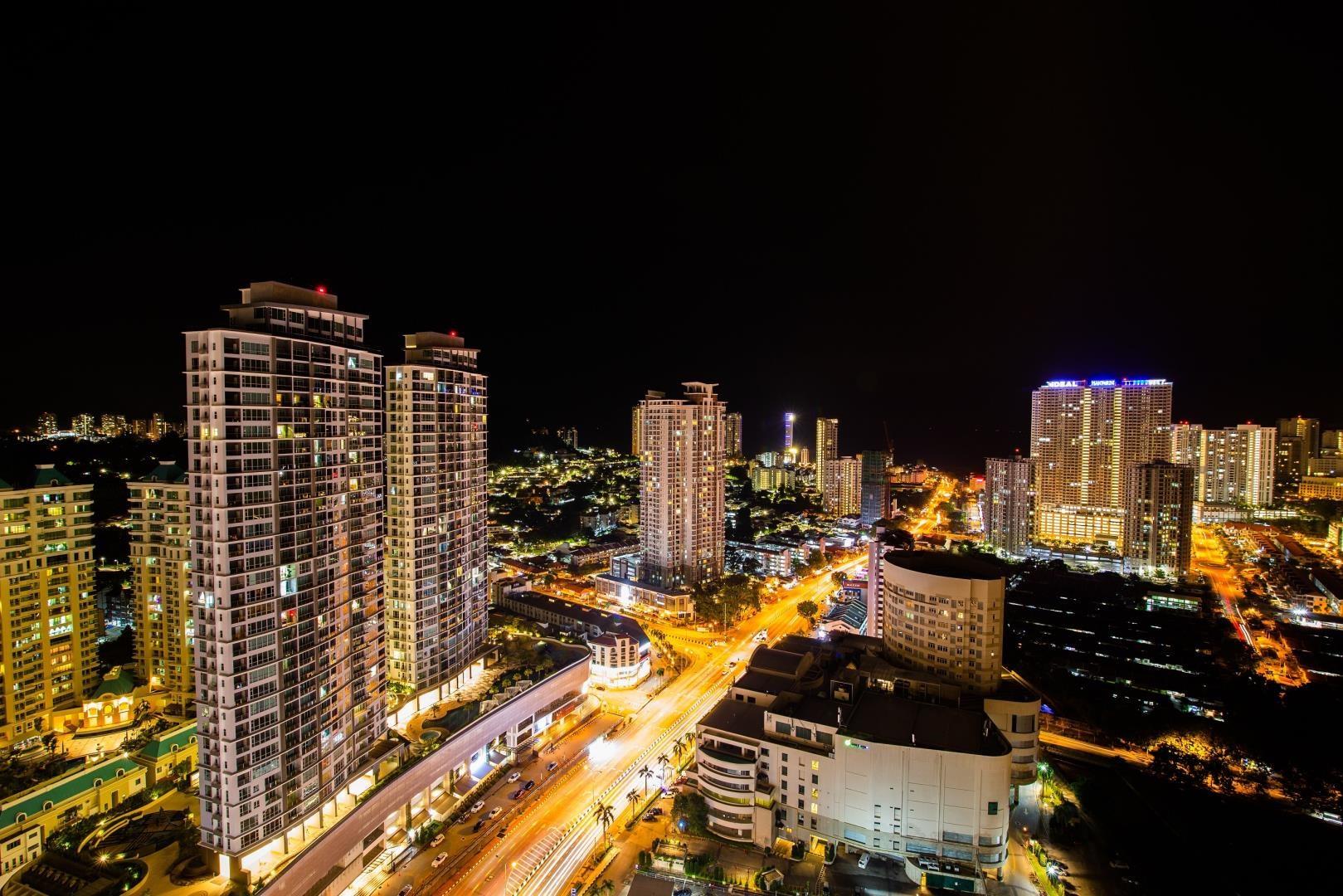
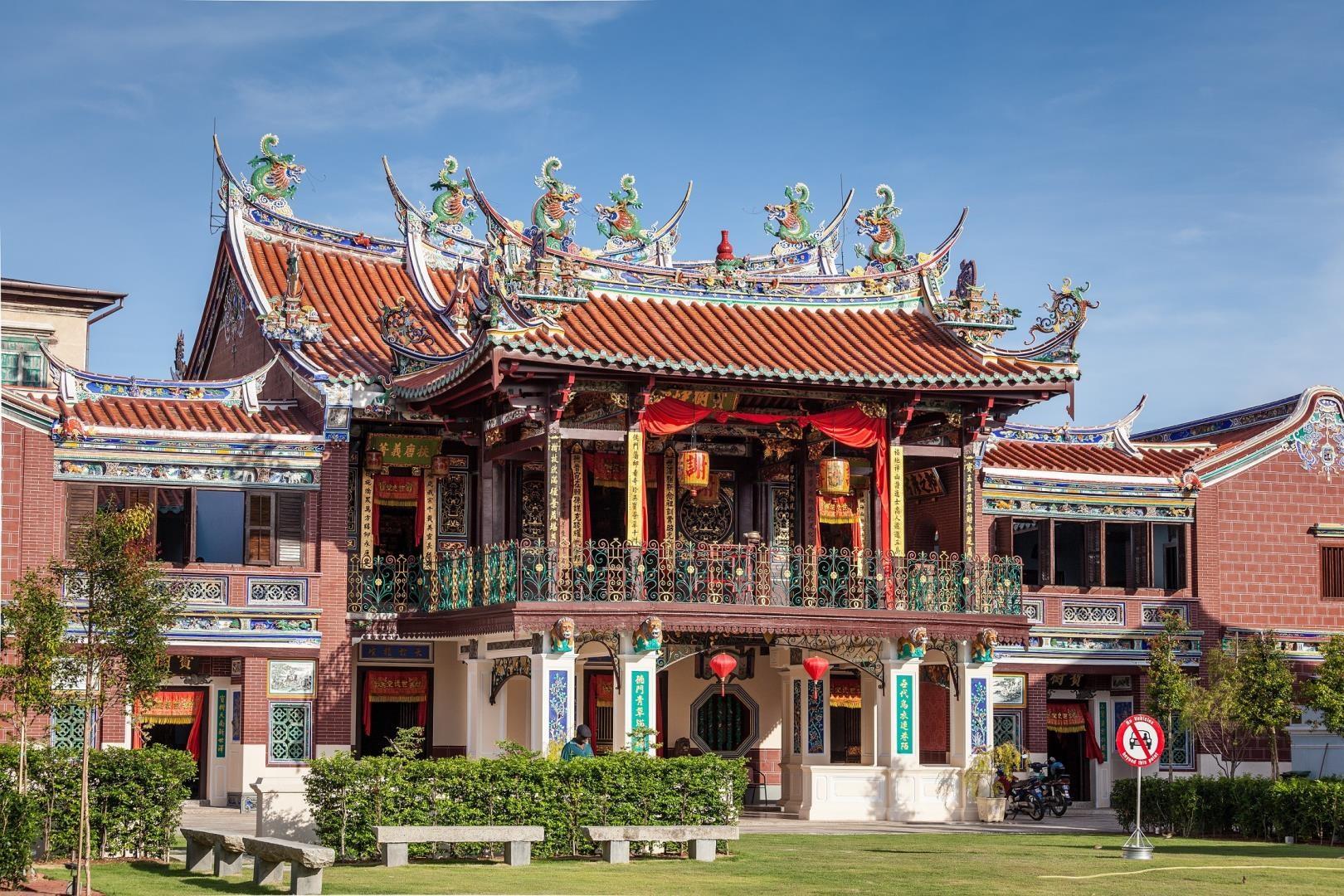
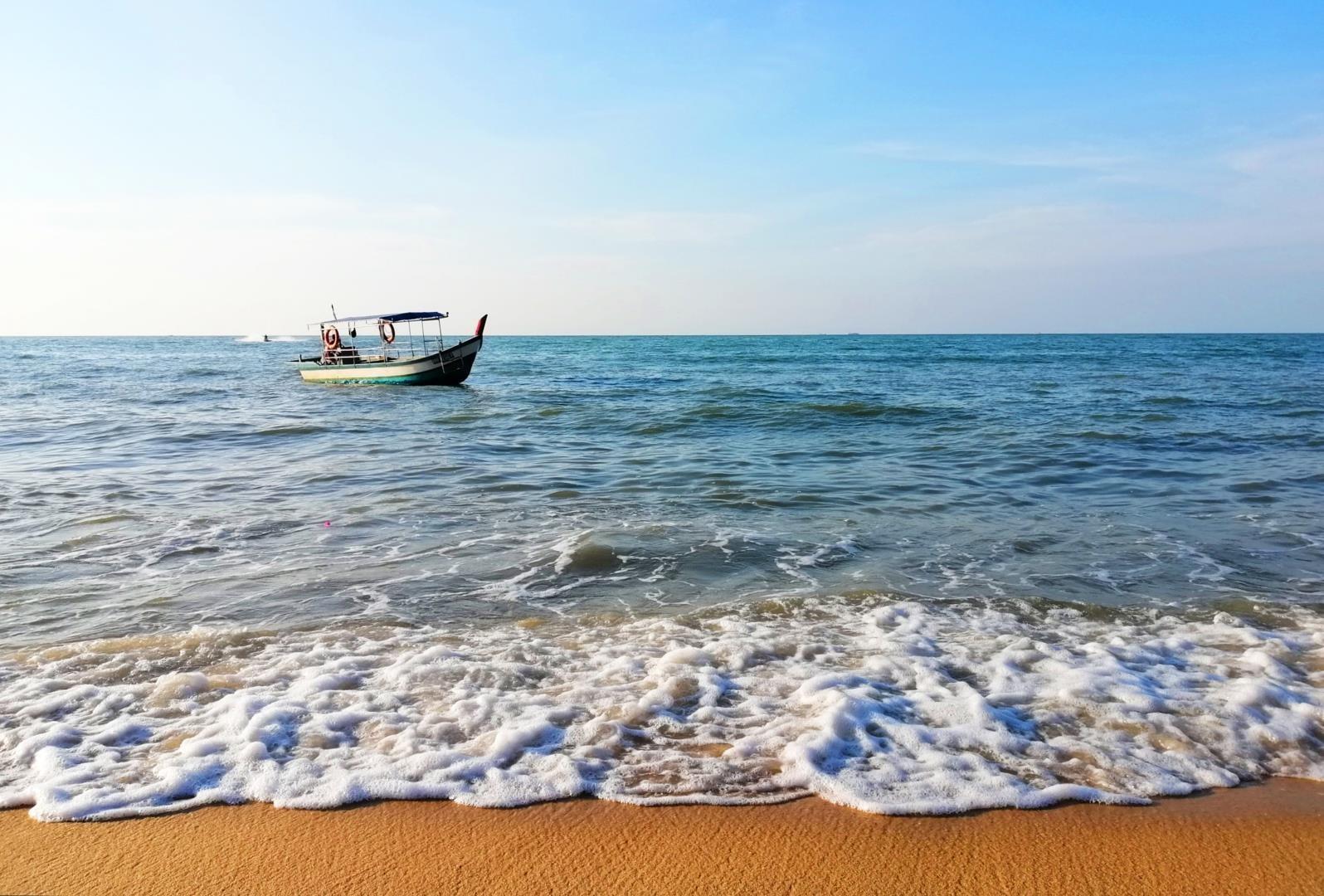
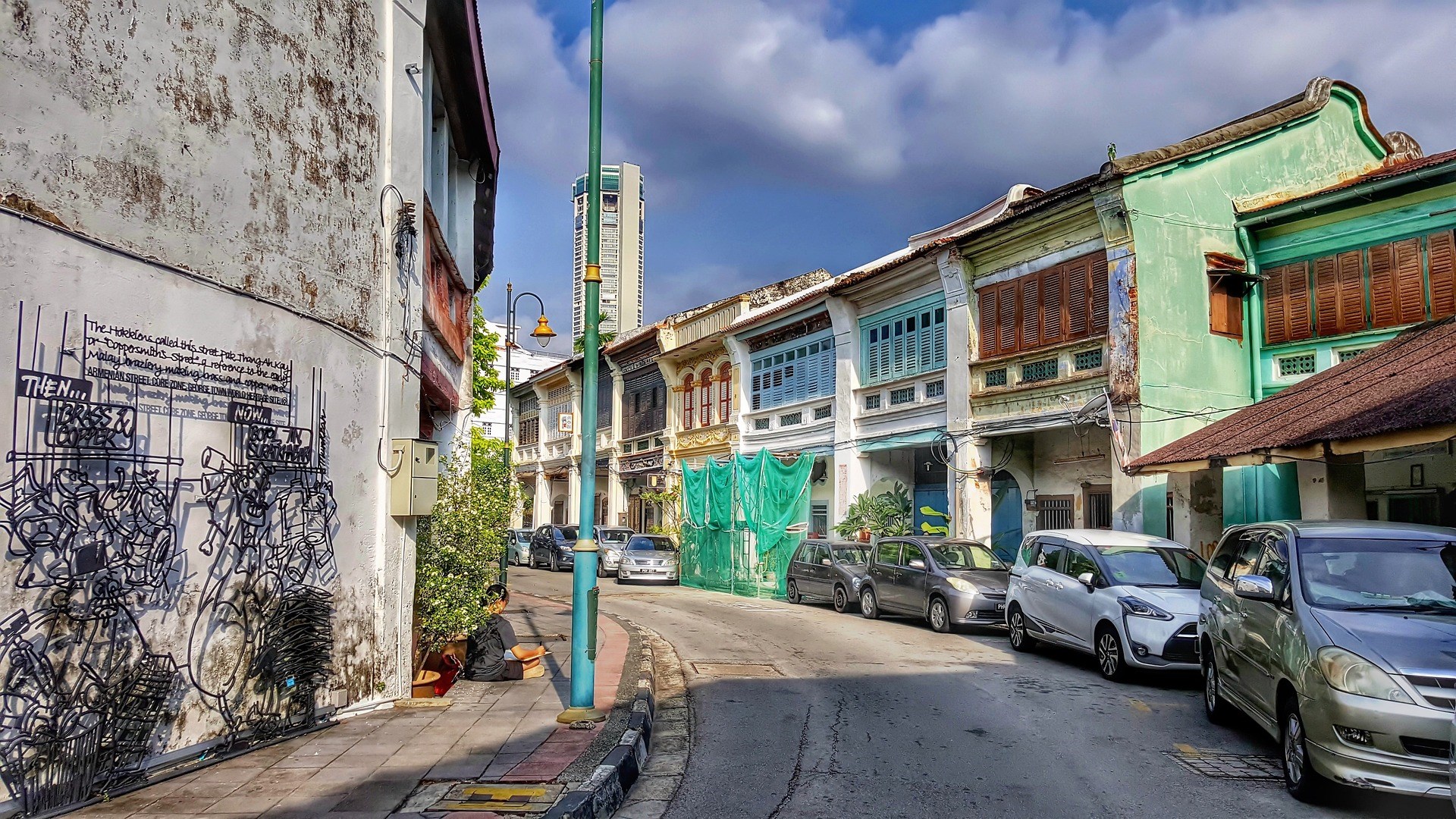
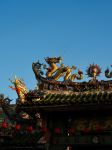
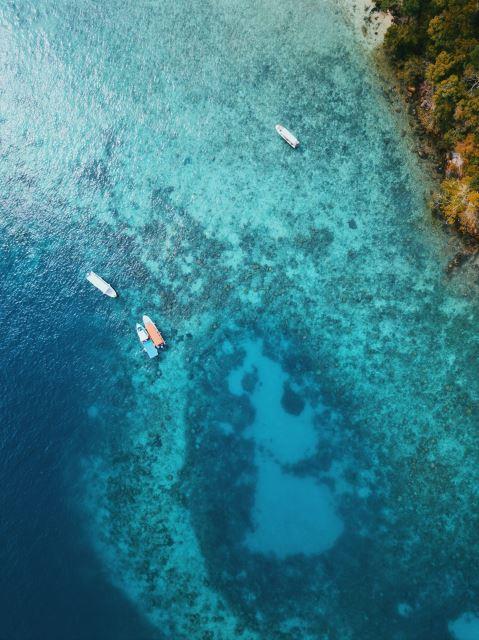
A dynamic island escape, Penang, Malaysia, is chock-full of exciting attractions, beautiful beaches, and stunning architecture. Head to the George Town neighborhood, a UNESCO World Heritage Site, to explore the island's best colonial architecture and historical landmarks, including the Penang Town Hall, Fort Cornwallis, and Queen Victoria Memorial Clock Tower. Just off Beach Street you'll find some of Penang's famously vibrant street art and murals, the perfect place for photos. A visit to Penang won't be complete without stopping by one of the islands many temples, most notably the iconic Kek Lok Si Buddhist Temple, whose bright yellow roofs and red lanterns beckon from the wooded hills west of George Town. The island's natural beauty is sure to impress: visit the Penang Botanic Gardens, Penang Butterfly Farm, or Tropical Spice Gardens to delight in vivid and exotic flora. The island's north coast offers spectacular and secluded beaches surrounded by lush tropical forests. Head to Monkey Beach, Batu Ferringhi, or Pantai Keracut to lounge on the warm sand, dip your toes in bright azure water, or watch local monkeys and wild turtles roam the beach.
Other Popular Destinations in Malaysia
Kota Kinabalu (Borneo)
Kota Kinabalu, the capital of Sabah on the island of Borneo, is a vibrant city where modern life meets wild landscapes. Overlooking the South China Sea and backed by lush rainforests and mountains, it serves as both a cultural hub and a gateway to Borneo’s extraordinary biodiversity.
Sandakan Sabah
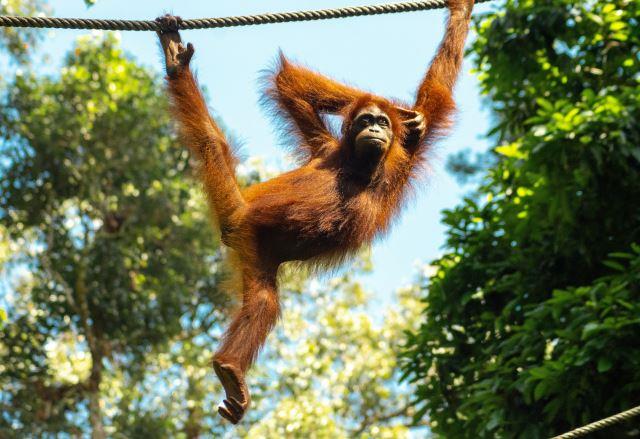
Sandakan, on the northeast coast of Sabah in Malaysian Borneo, is a city where history, wildlife, and culture come together. Once a major trading port known as “Little Hong Kong” for its bustling connections to the wider world, Sandakan has retained its multicultural character, with influences from Chinese, Malay, and Indigenous communities visible in its temples, markets, and cuisine.