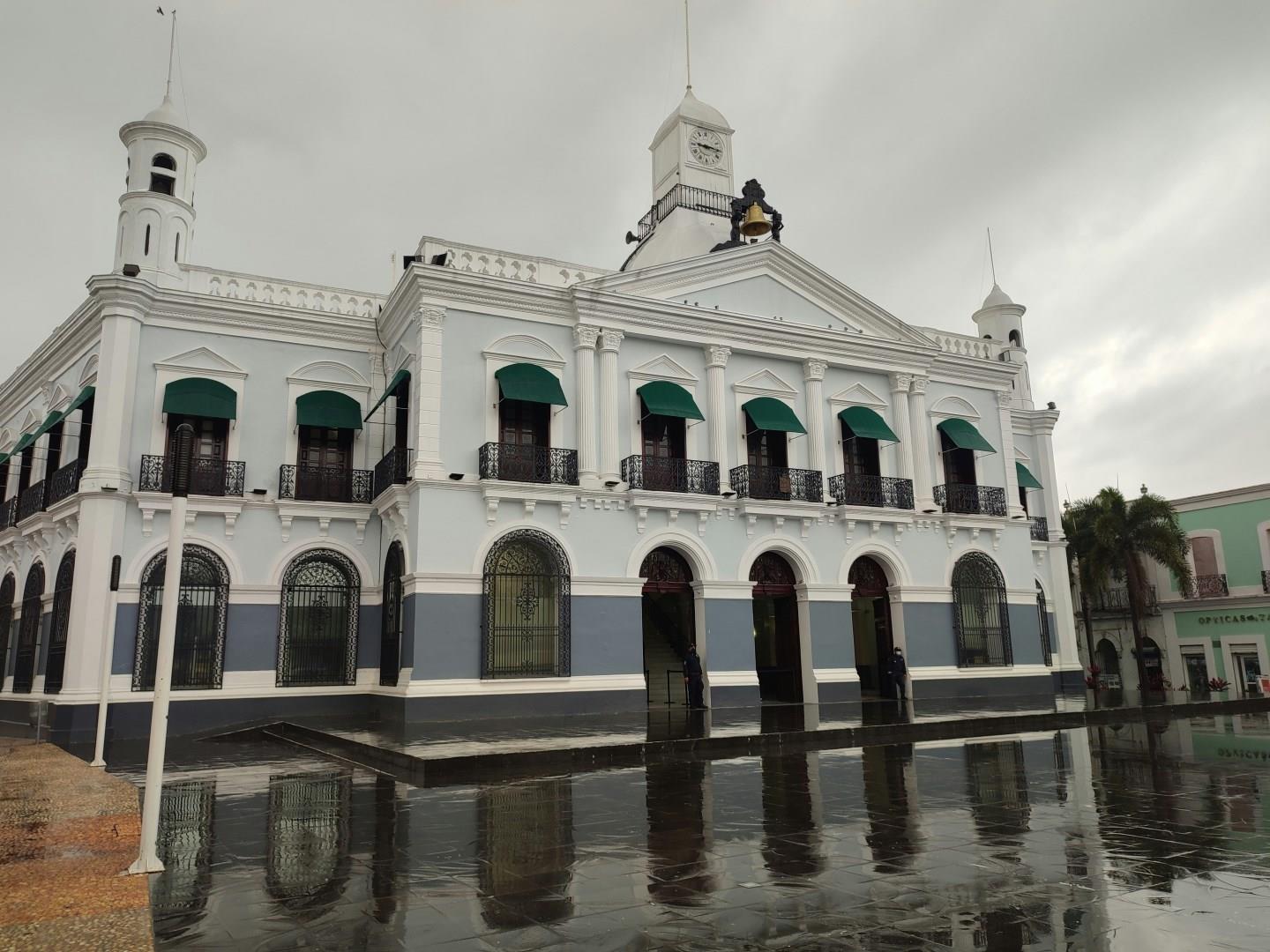
Villahermosa
Villahermosa, the capital of Tabasco, is a city where ancient civilizations, tropical landscapes, and modern life intersect. Known as the “gateway to the Mayan world,” the city sits on the banks of the Grijalva River and serves as a cultural hub for southeastern Mexico. One of its most unique attractions is Parque-Museo La Venta, an open-air museum that blends archaeology with a jungle setting.

Luganville
Luganville is Vanuatu’s second-largest town and the main urban center of Espiritu Santo, the country’s largest island. It stretches along the south coast of the Segond Channel, with roads, shops, markets, small businesses, and waterfront communities forming the center of daily life. The town developed around its harbor and remains closely connected with fishing, agriculture, and tourism.
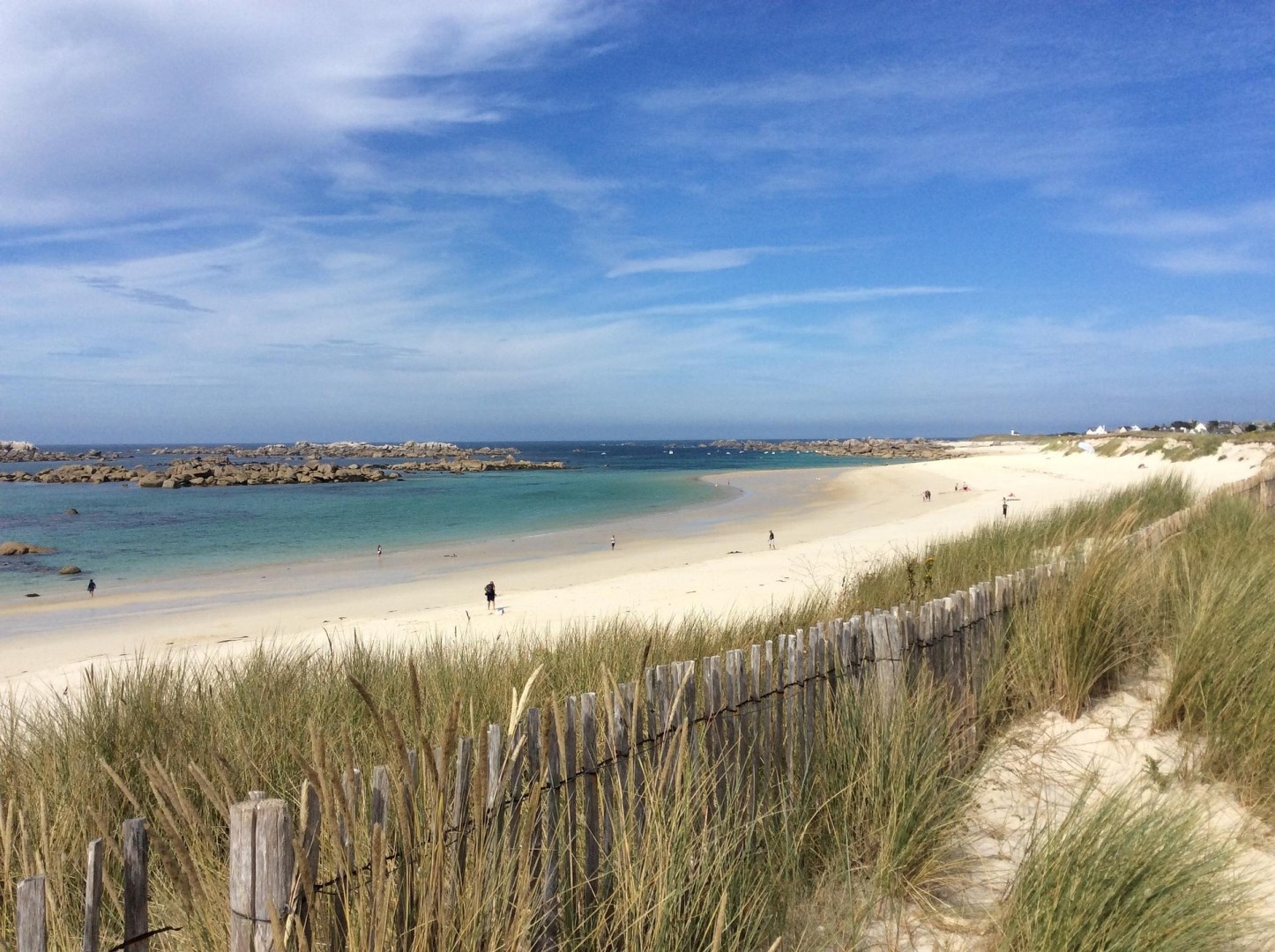
Brittany
Brittany is a region in northwestern France defined by a long Atlantic coastline, historic towns, fishing ports, farmland, and a strong regional identity. Its landscape ranges from sandy beaches and rocky headlands to tidal estuaries, islands, and inland forests. Cities such as Rennes, Saint-Malo, and Vannes provide different perspectives on Breton life, while smaller places such as Dinan, Locronan, and Rochefort-en-Terre preserve traditional architecture.
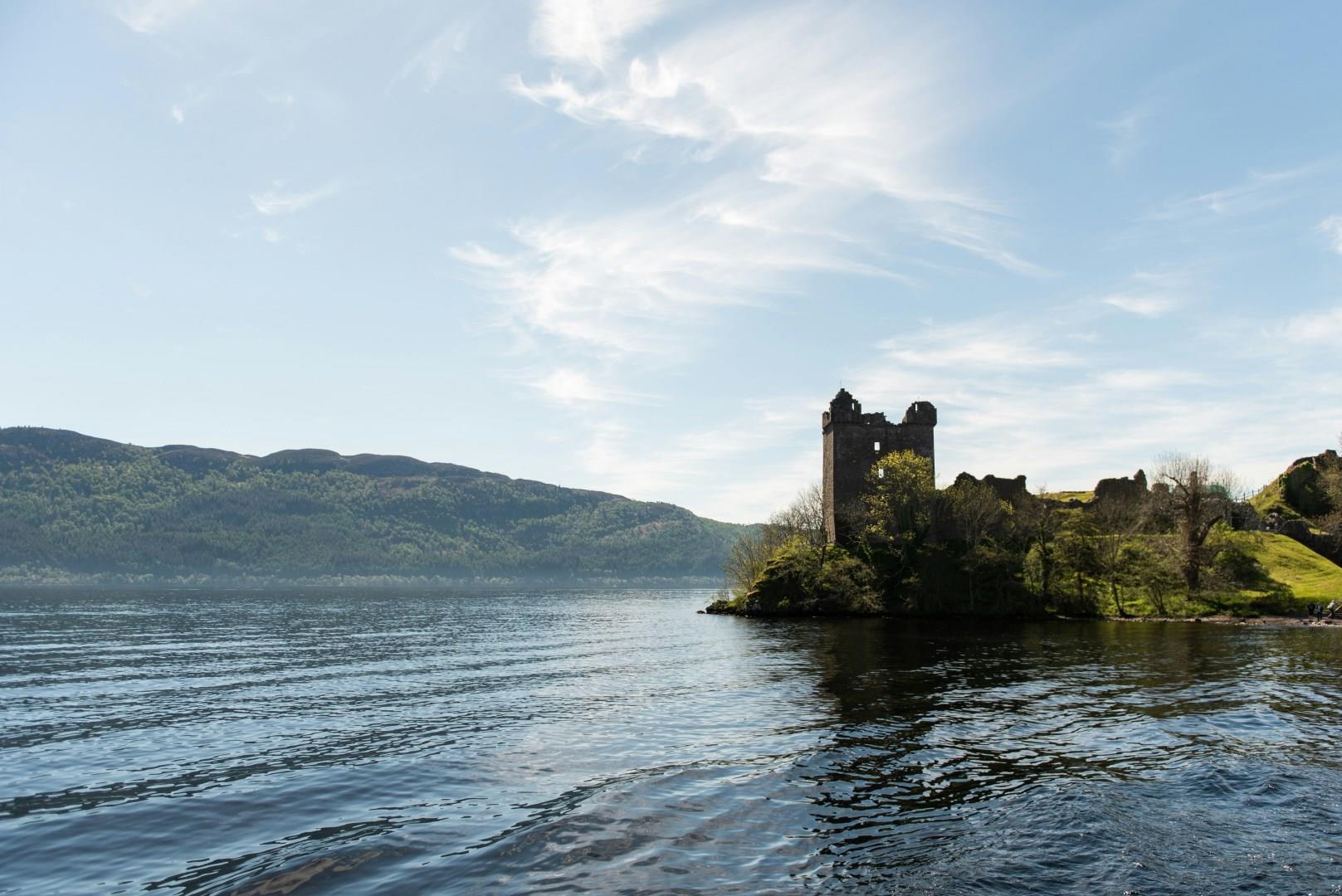
Loch Ness
Loch Ness stretches over 23 miles through the Scottish Highlands, holding more freshwater than all the lakes in England and Wales combined. Best known for its elusive resident, the so-called Loch Ness Monster, the loch has sparked international curiosity since the first modern "sighting" in 1933. While Nessie remains elusive, the surrounding landscape offers clear reasons to visit with steep hillsides, forested trails, and ancient ruins framing one of Scotland’s most iconic bodies of water.
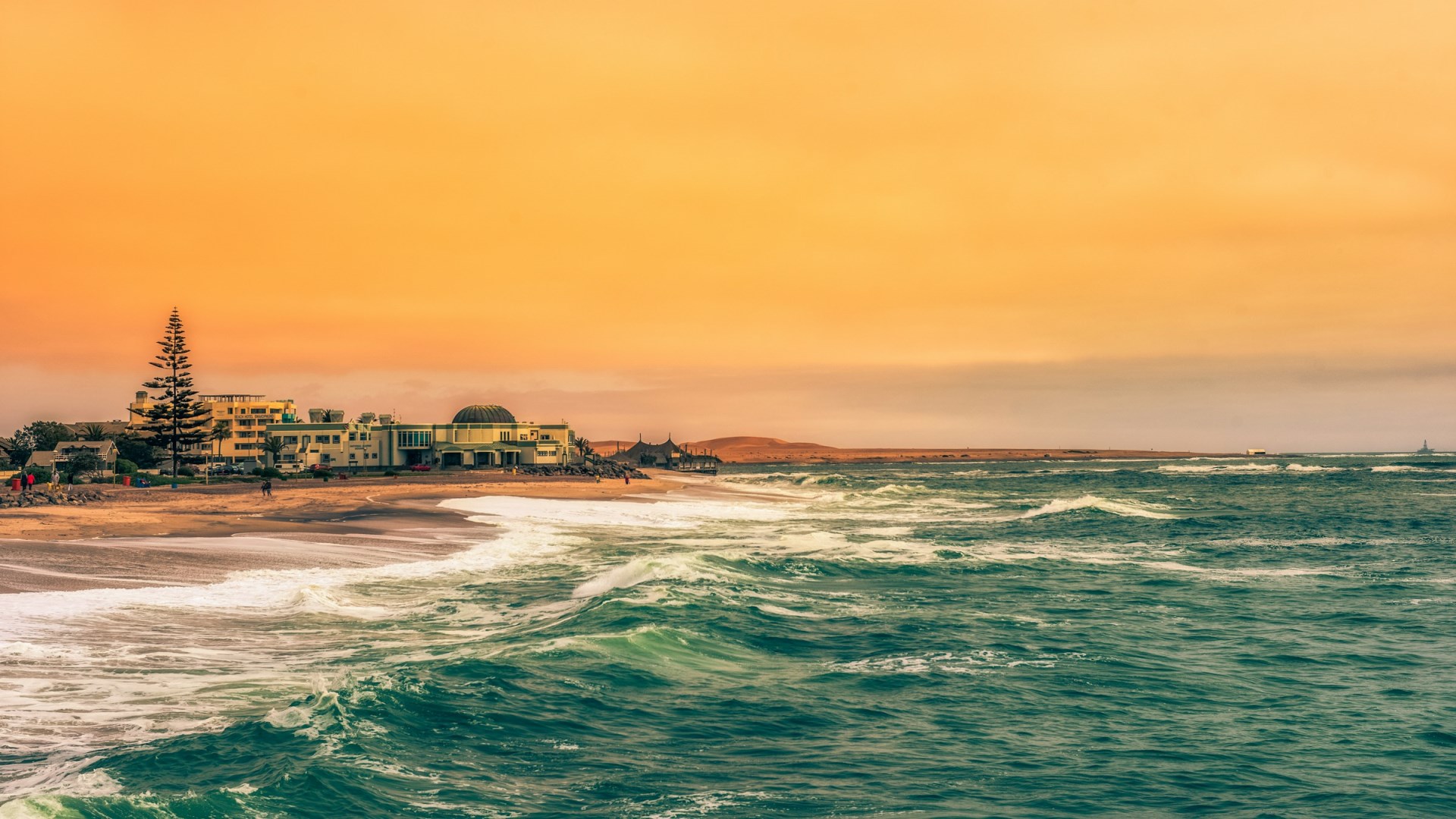
Swakopmund
Swakopmund, on Namibia’s Atlantic coast, is a town where desert meets ocean in striking contrast. Founded by German colonists in the late 19th century, its streets are lined with colonial-era buildings painted in pastel colors, giving the town a distinctly European feel.