Glacier Bay National Park
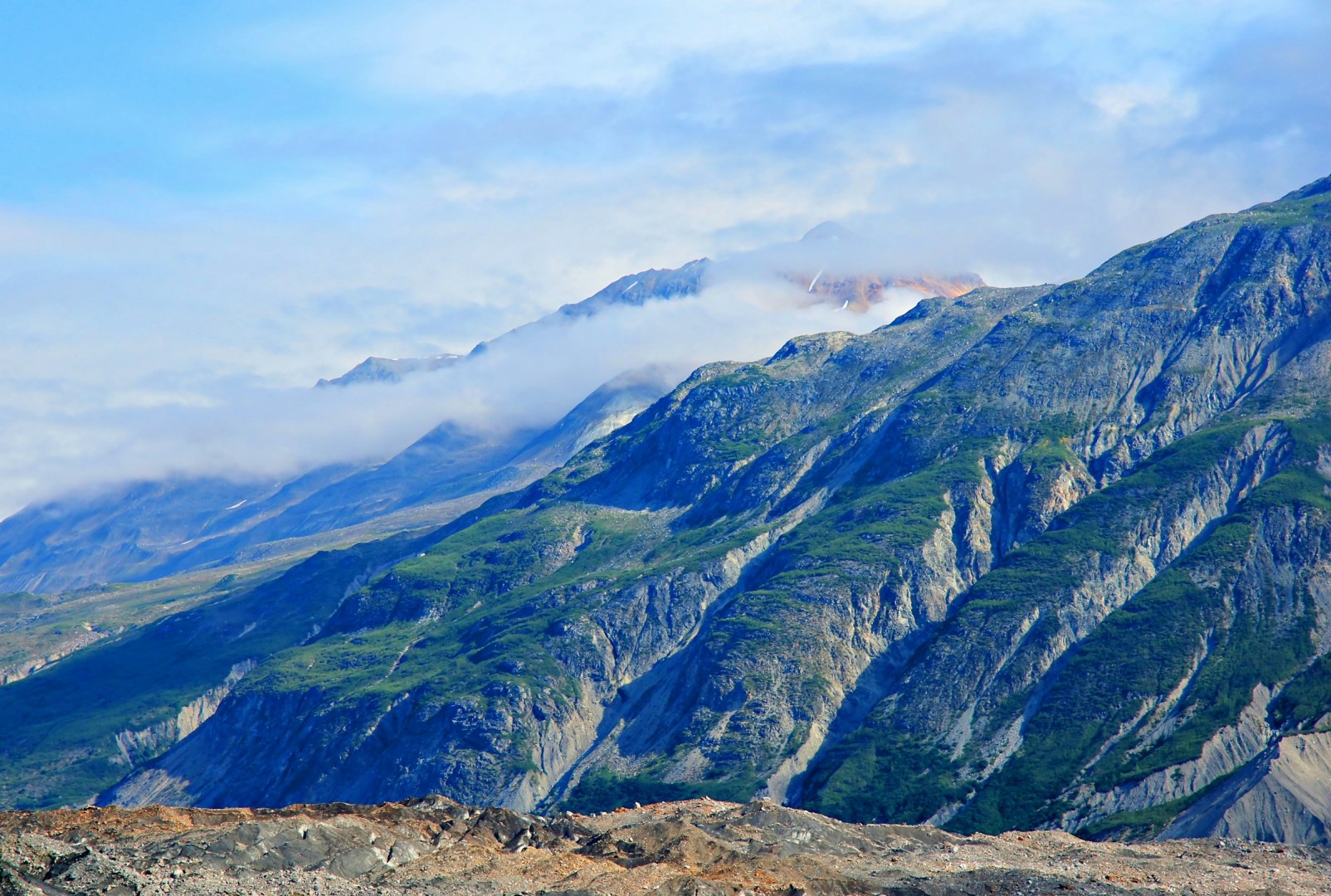
Adventure awaits at Glacier Bay National Park! Picture yourself cruising past towering glaciers, spotting playful sea lions, and marveling at the quiet grandeur of icy landscapes. Whether seeking wildlife encounters, kayaking adventures, or simply soaking in the serene wilderness, Glacier Bay is a dream destination for nature lovers. Let’s start planning your unforgettable journey to this breathtaking wonderland.
Española Island
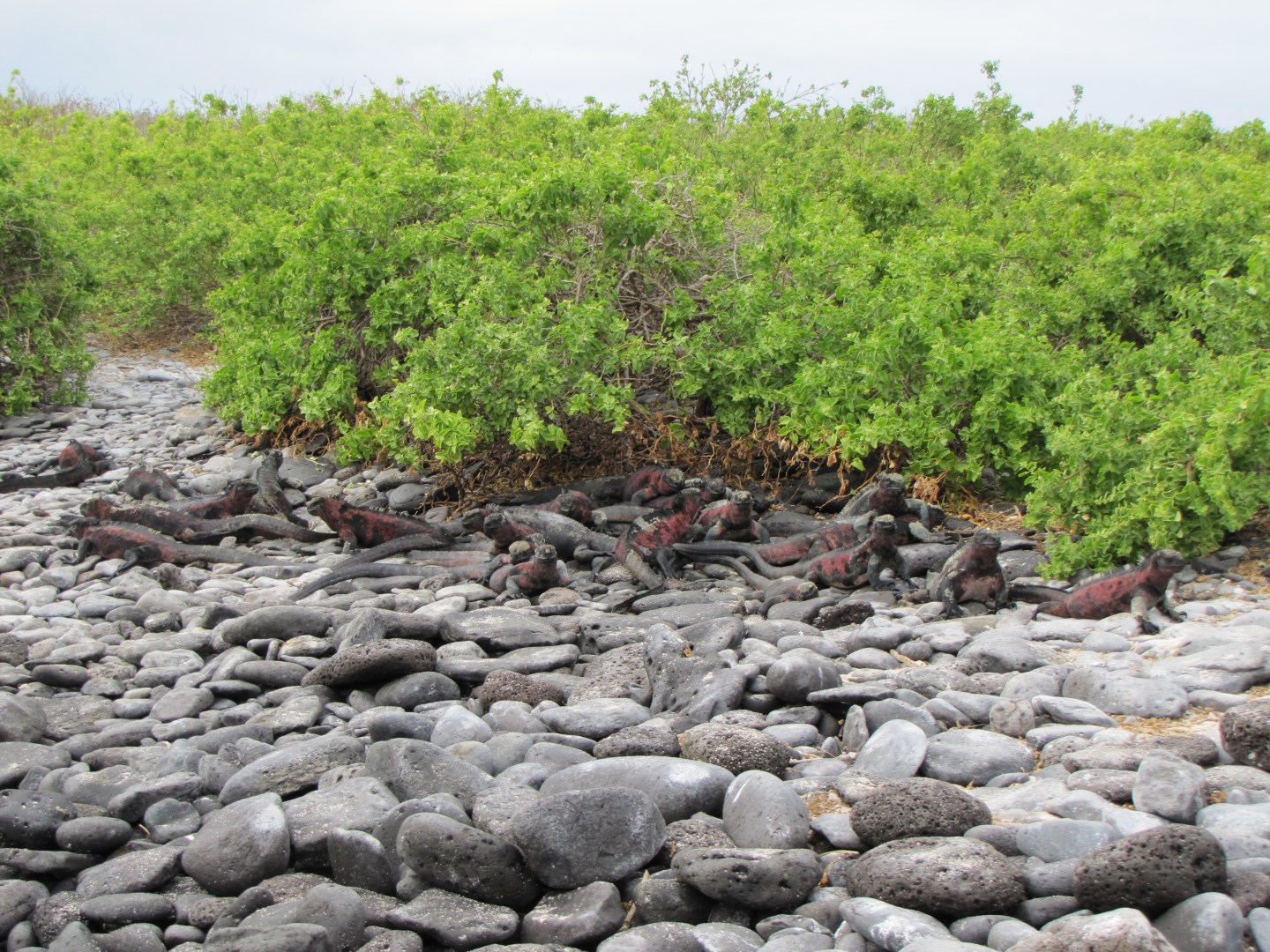
Española Island lies in the southeastern part of the Galápagos archipelago. Highlights of this tropical paradise include Punta Suarez, a popular scenic point for bird watching, and the beaches of Bahía Gardner on the island's north coast.
Black Hills National Forest
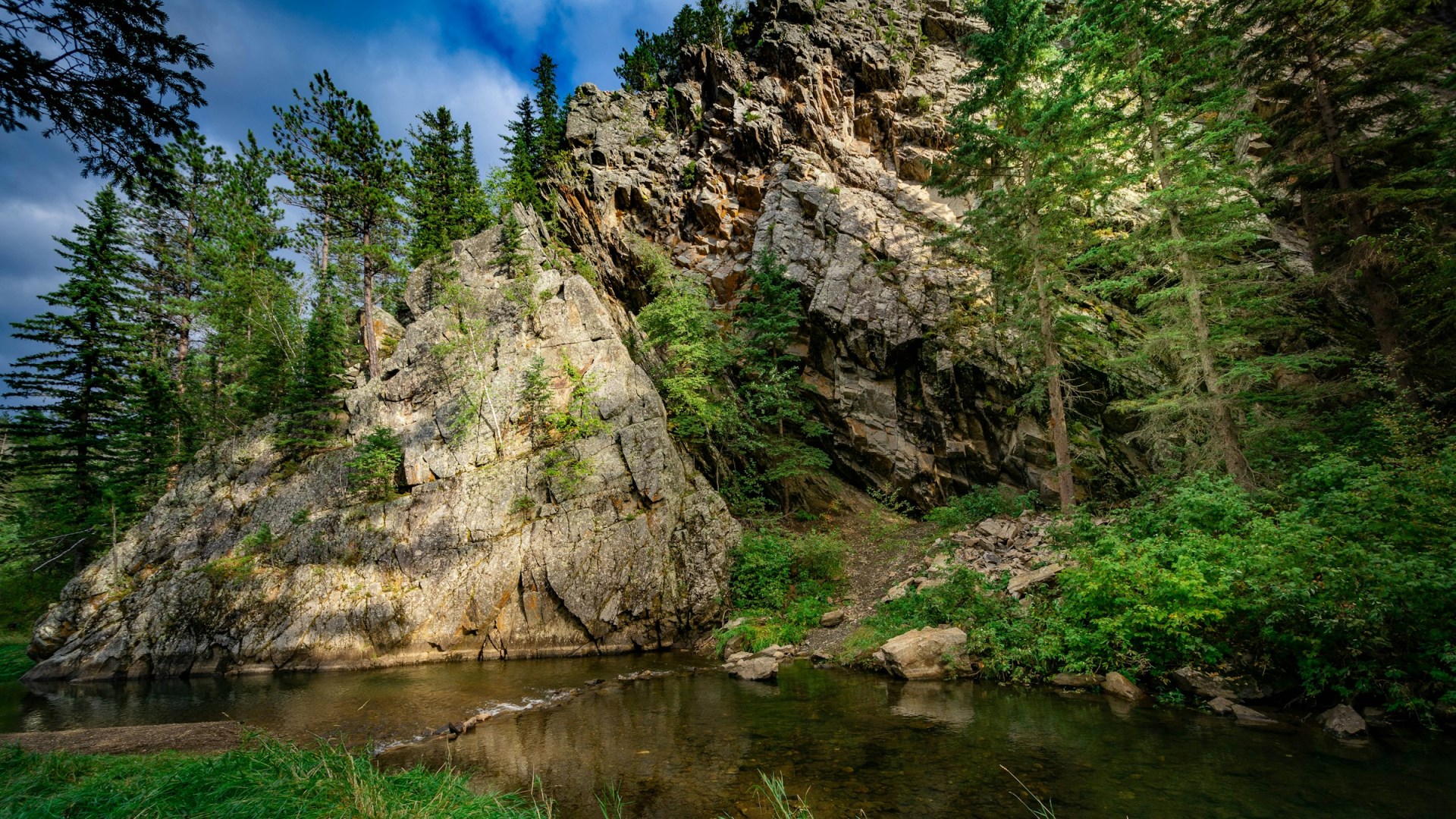
Black Hills National Forest covers a mountainous island of forests in western South Dakota, surrounded by the open plains of the Great Plains. The landscape includes granite peaks, narrow canyons, ponderosa pine forests, lakes, streams, and rolling grasslands. The forest stretches across a large portion of the Black Hills and contains some of the highest elevations in the region.
Oranjestad
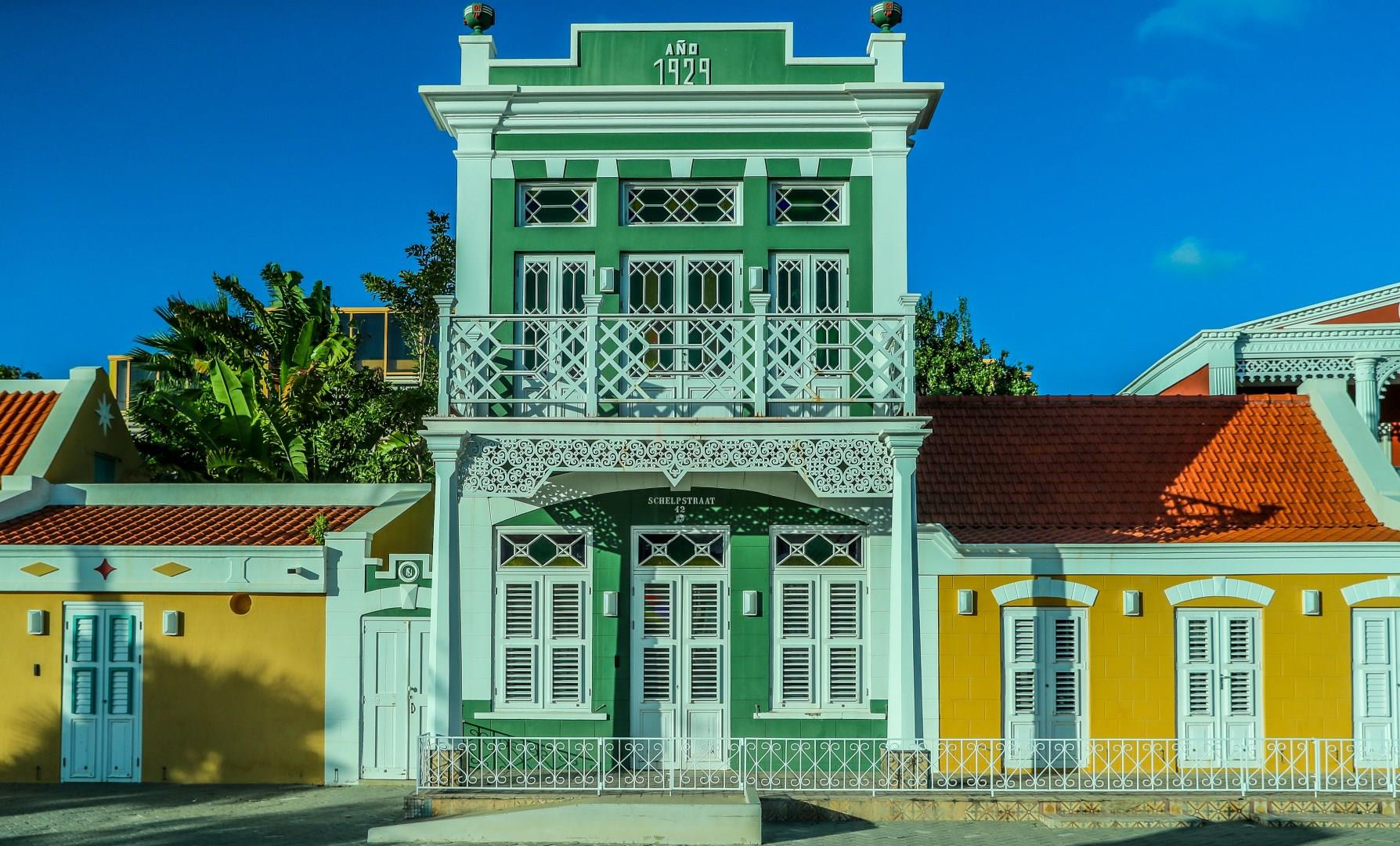
Oranjestad, Aruba’s colorful capital, blends Dutch colonial charm with the island’s easygoing Caribbean character. The city’s pastel-painted buildings, adorned with gables and decorative facades, recall its Dutch heritage while housing modern boutiques, cafés, and museums.
Katherine
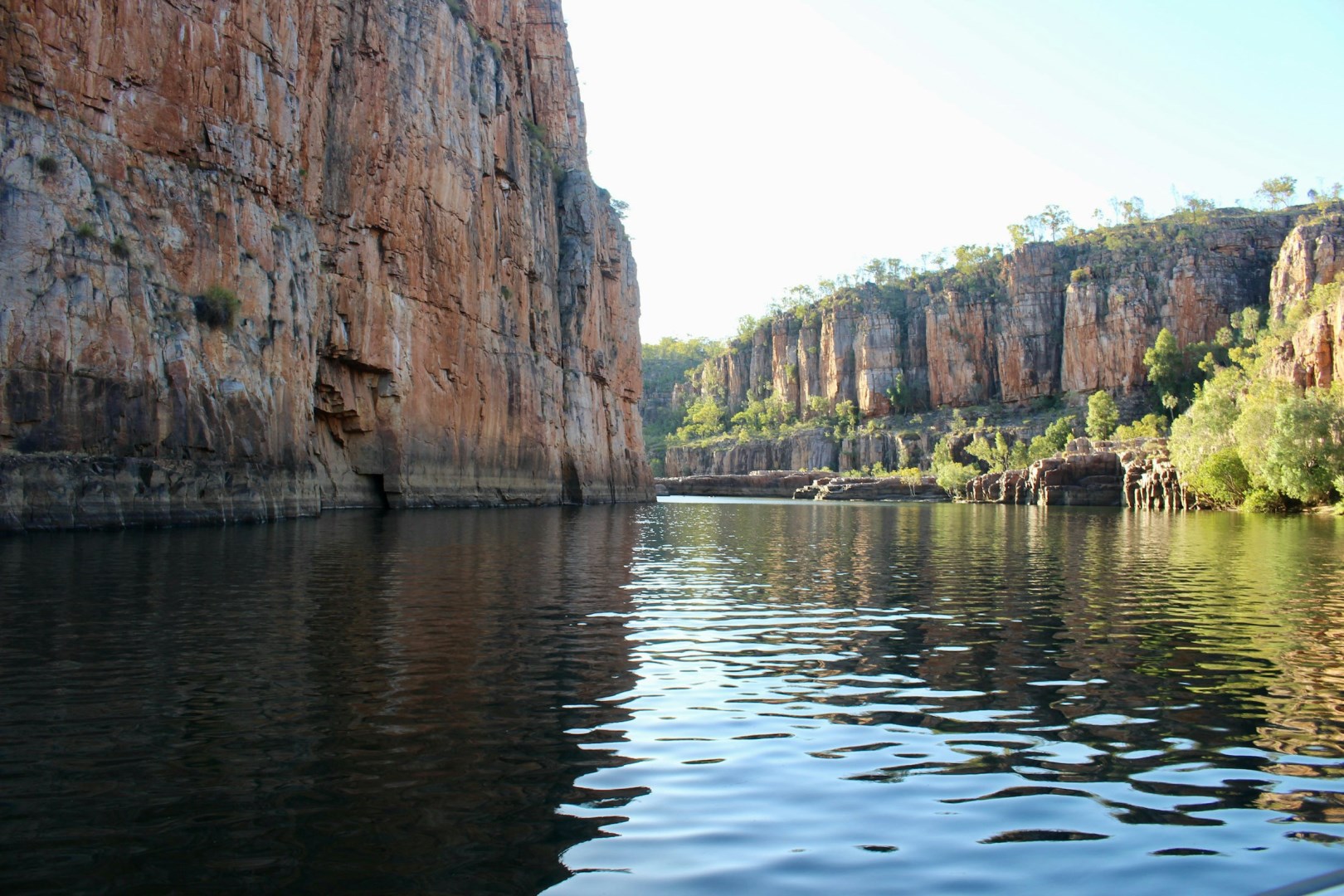
Katherine, located in the Northern Territory of Australia, is a vibrant outback town that serves as a gateway to some of the region’s most striking natural landscapes. Situated along the Katherine River, the town has historically been a hub for agriculture, cattle farming, and Aboriginal communities, blending modern infrastructure with deep-rooted cultural heritage.