Bratislava
Bratislava, Slovakia’s capital, sits along the Danube River at the crossroads of Central Europe. It's the only capital in the world bordering Austria and Hungary, which makes it an easy stop on many European itineraries. Yet Bratislava is more than a waypoint; it offers a compact city center filled with centuries of history. The Old Town’s cobbled lanes lead past Gothic cathedrals, Baroque palaces, and buildings once used by Habsburg royalty.
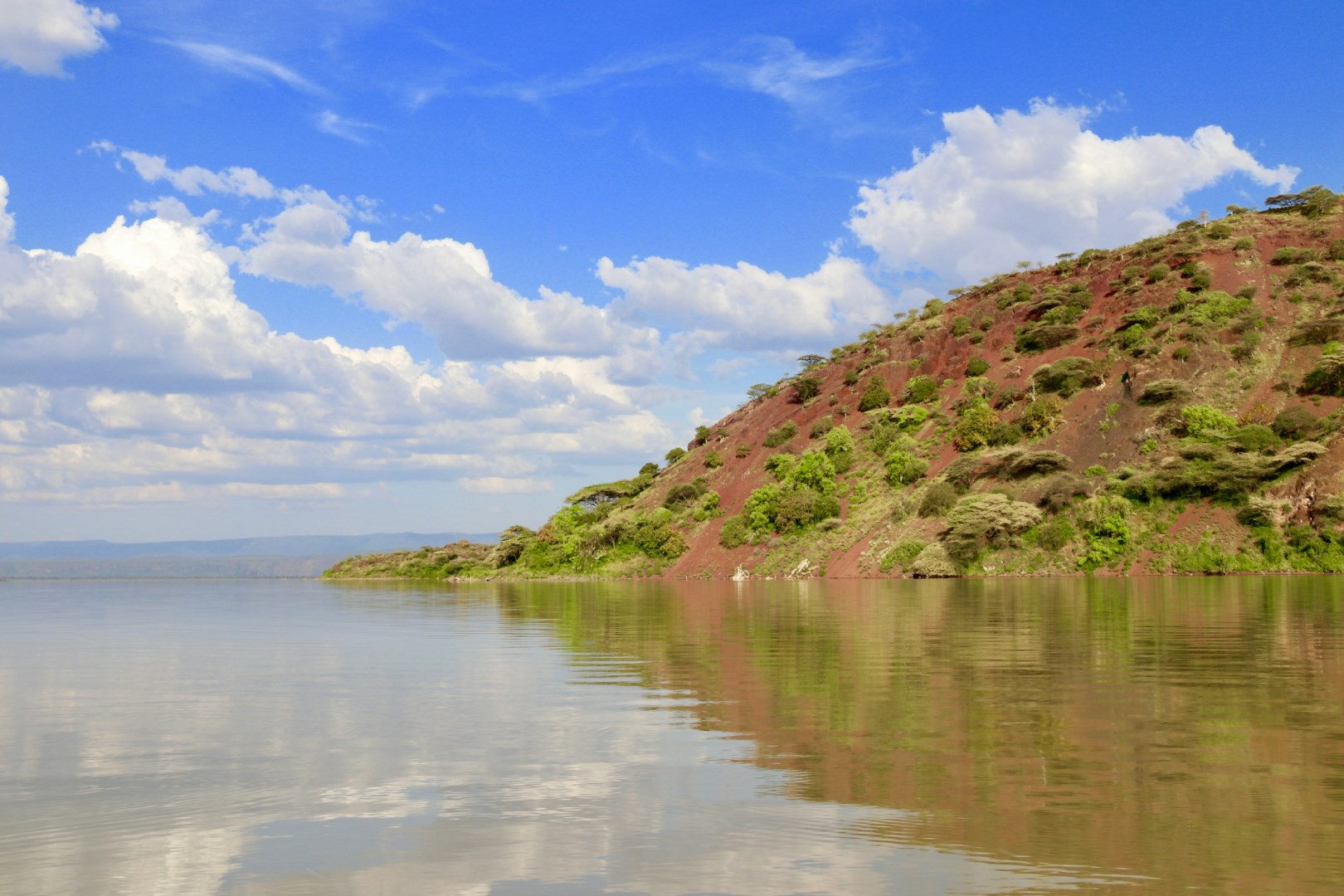
Lake Baringo
A shallow lake at over 3200 feet above sea level in central west Kenya, it is the home of the Kamasya and Njamus who raise cattle and crops and fish for tilapia. The lake covers about 50 square miles.

Chiang Mai
Chiang Mai, located in northern Thailand, is a city where ancient walls surround over 30 historic temples, and daily life continues just steps away from centuries-old rituals. Founded in 1296 as the capital of the Lanna Kingdom, the city still reflects its origins through distinctive architecture, moats, and cultural practices. Wat Phra Singh and Wat Chedi Luang are two of the most visited temples within the Old City, offering a chance to see traditional Lanna-style design.

Bamberg
Bamberg, located in northern Bavaria, stands out for its remarkably preserved medieval layout, which earned it a spot on the UNESCO World Heritage list. Built on seven hills and often compared to Rome for that reason, the city’s architecture reflects over a thousand years of uninterrupted development. Bamberg is well known for its beer, and not just in the usual Bavarian sense. The city has more breweries per capita than any other town in Germany, and it’s the birthplace of rauchbier.
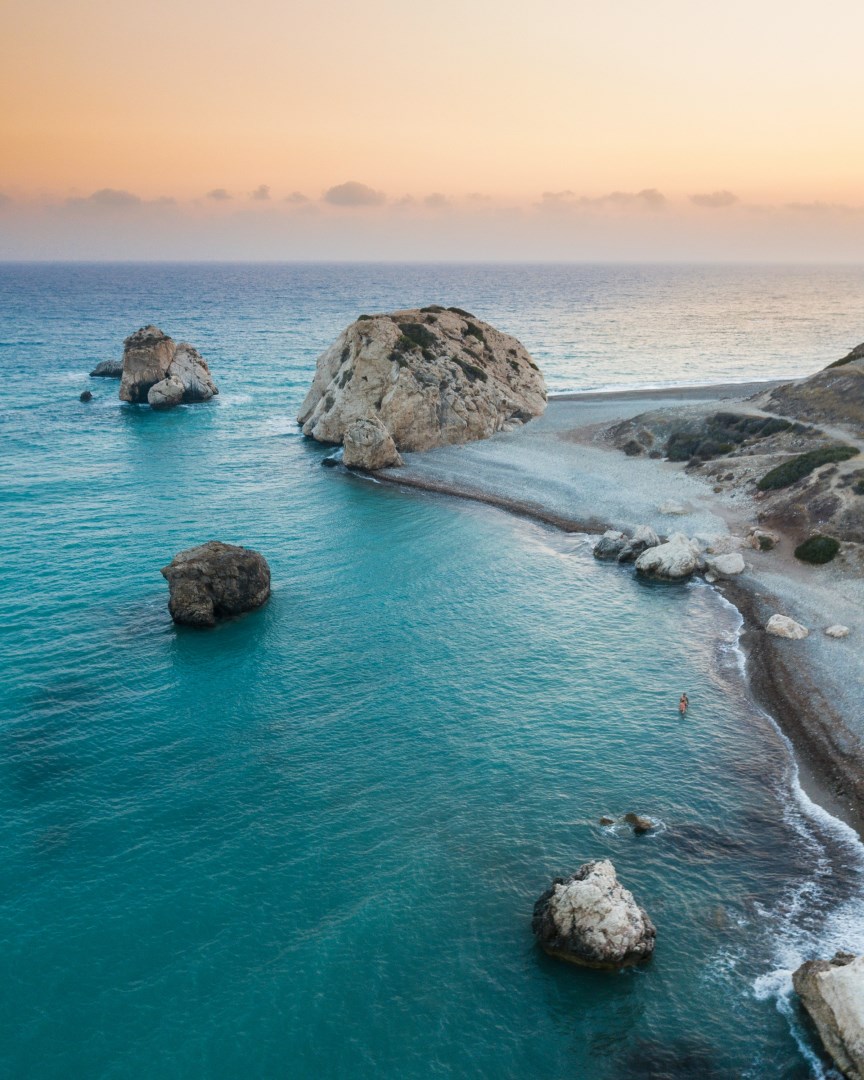
Kouklia
Kouklia is a village in the Pafos district of southwestern Cyprus, located inland from the coast on the site of ancient Palaipafos, or Old Pafos. The village is surrounded by cultivated fields, orchards, and low hills, with the Mediterranean coast nearby. Its main distinction is its connection with the ancient Sanctuary of Aphrodite, one of the most important archaeological sites associated with the goddess in the ancient Greek world.