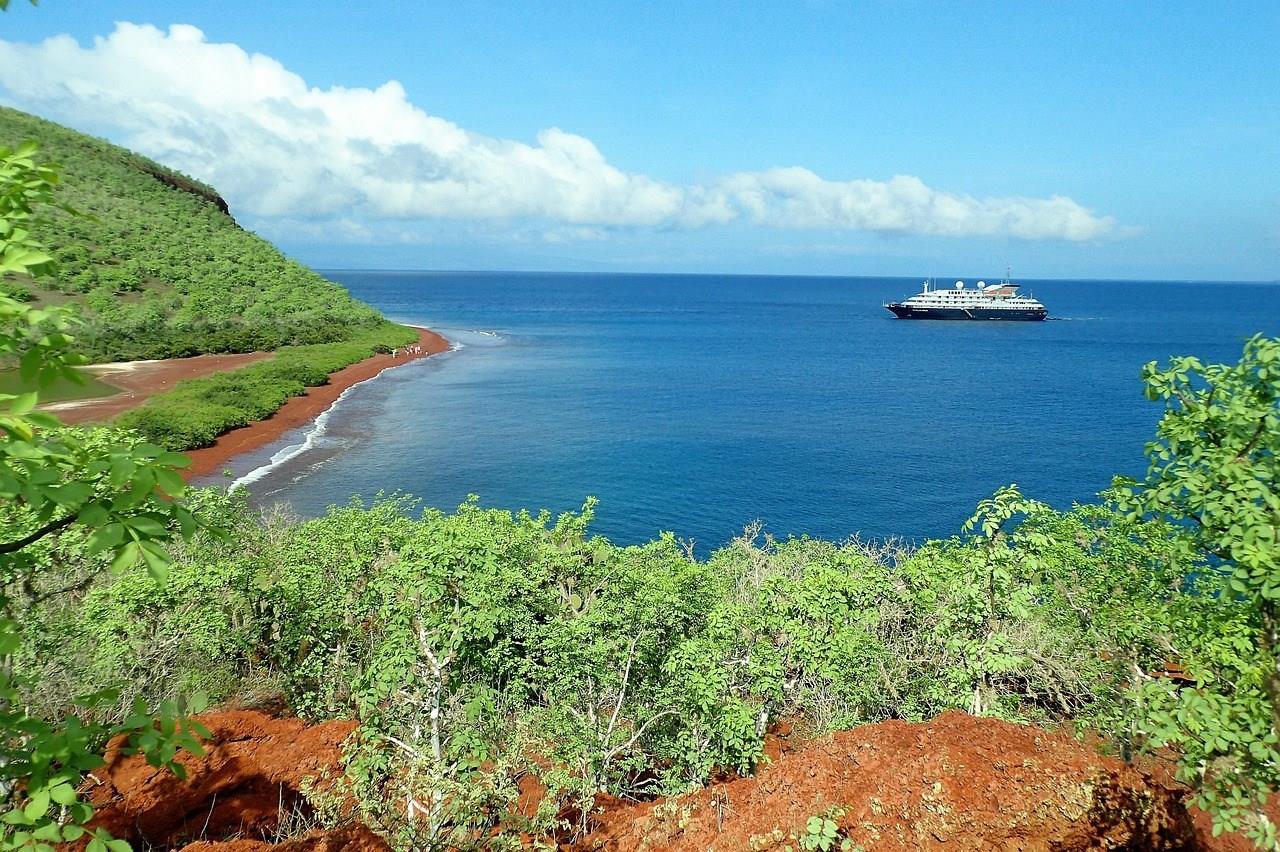
Rabida Island
Rábida Island is one of the most visually striking islands in the Galápagos, known for its deep red volcanic shoreline and quiet, unspoiled atmosphere. Located near the center of the archipelago, the island is geologically young, with iron-rich lava giving its beaches a dramatic rust-colored hue.
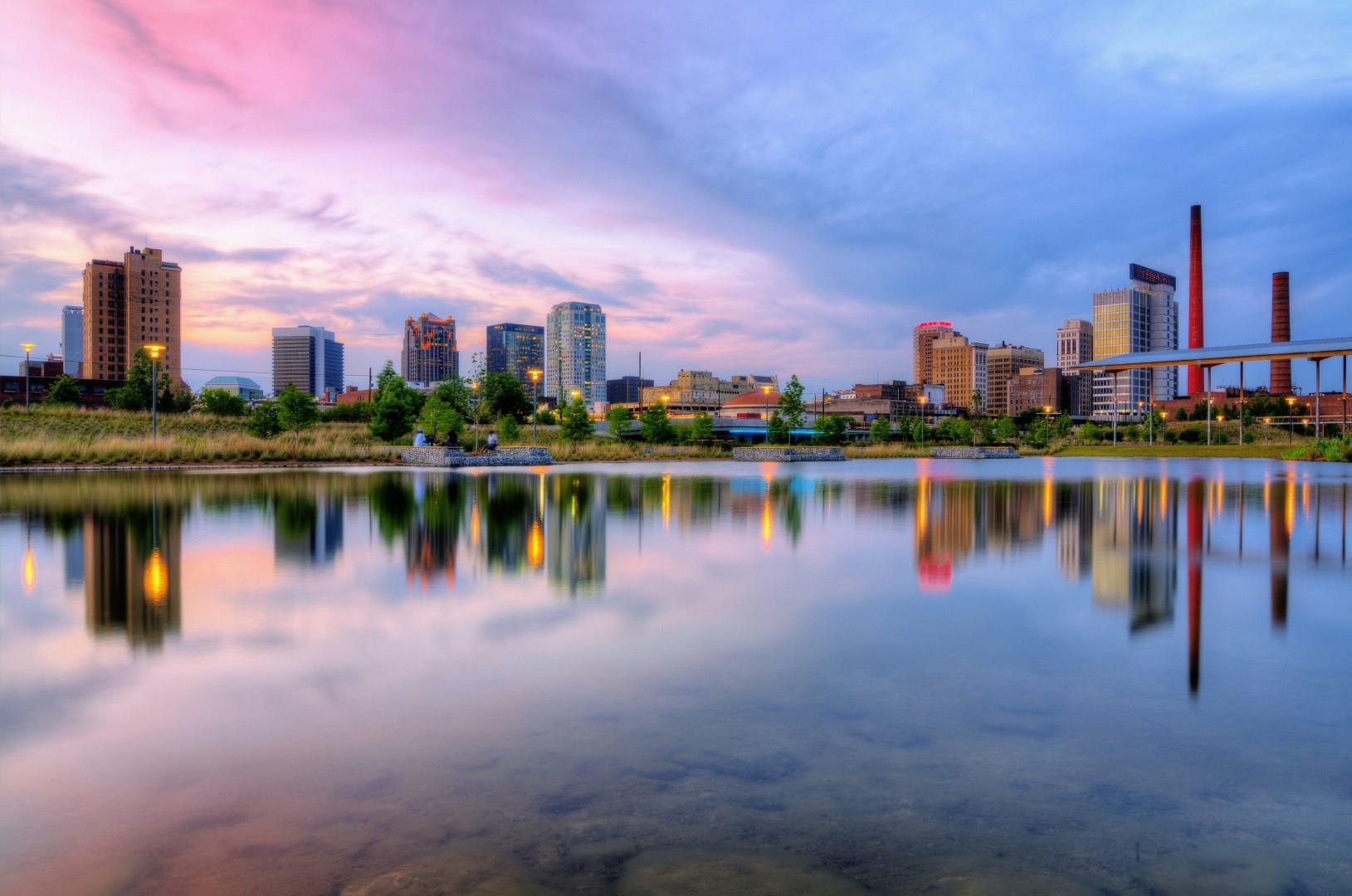
Birmingham
Birmingham, Alabama is a city that offers travelers a chance to experience Southern culture that’s both deeply rooted and constantly evolving. Known as the cradle of the Civil Rights Movement, the city features landmarks like the Birmingham Civil Rights Institute and the 16th Street Baptist Church, where pivotal moments in American history unfolded. The adjacent Kelly Ingram Park uses life-size sculptures to tell powerful stories of protest and resilience, making a walk through the area both mov

Mykonos
This gorgeous, breezy island is a lively paradise without equal. A celebratory atmosphere will be found here, from dance clubs and DJs to summer tourists simply reveling in the good life.

Šiaulia
Šiauliai, often referred to as the "City of the Sun" due to its high number of sunny days, is a vibrant gem in northern Lithuania. The city's most iconic landmark is the Hill of Crosses, a profound site of pilgrimage adorned with thousands of crosses placed by visitors over the decades. This unique and moving monument, which has been recognized by UNESCO for its cultural significance, symbolizes the resilience and spirit of the Lithuanian people.

Great Exuma
The Exumas are located in the middle of The Bahamas, yet remain mostly undisturbed. A collection of some 365 cays and islands stretching over 120 miles, The Exumas are supported at the far southern tip of the chain by two main islands, Great Exuma and Little Exuma.