Immerse yourself in adventure in the untouched wilderness of Masoala National Park, Madagascar, where pristine rainforests, secluded beaches, and diverse wildlife converge. Varied animal sightings await, from whale watching to lemur spotting; it's like nowhere else on this planet!
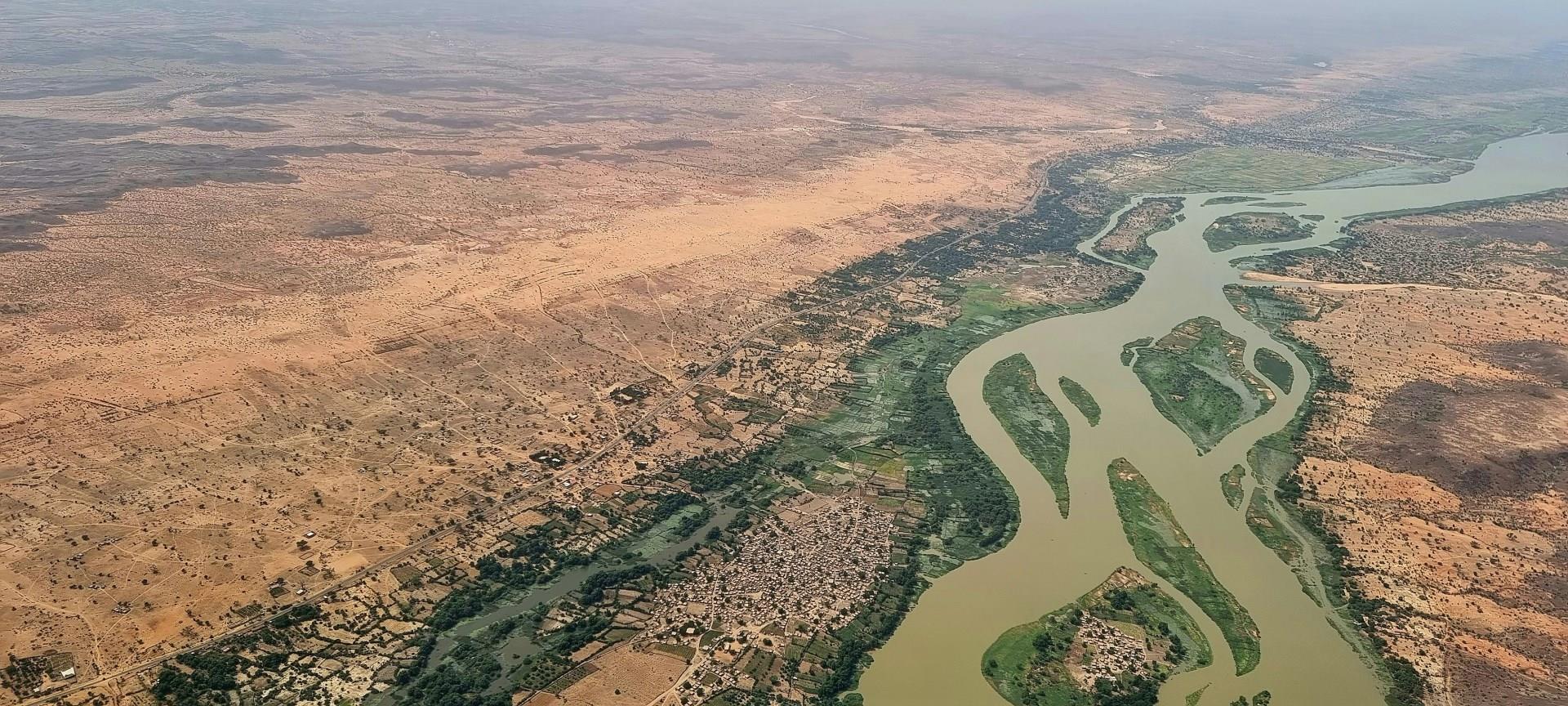
Niamey, the capital of Niger, sits along the banks of the Niger River and serves as the country’s political, economic, and cultural center. Its riverside setting provides both scenic views and a hub for local activities, from fishing to small boat transport.
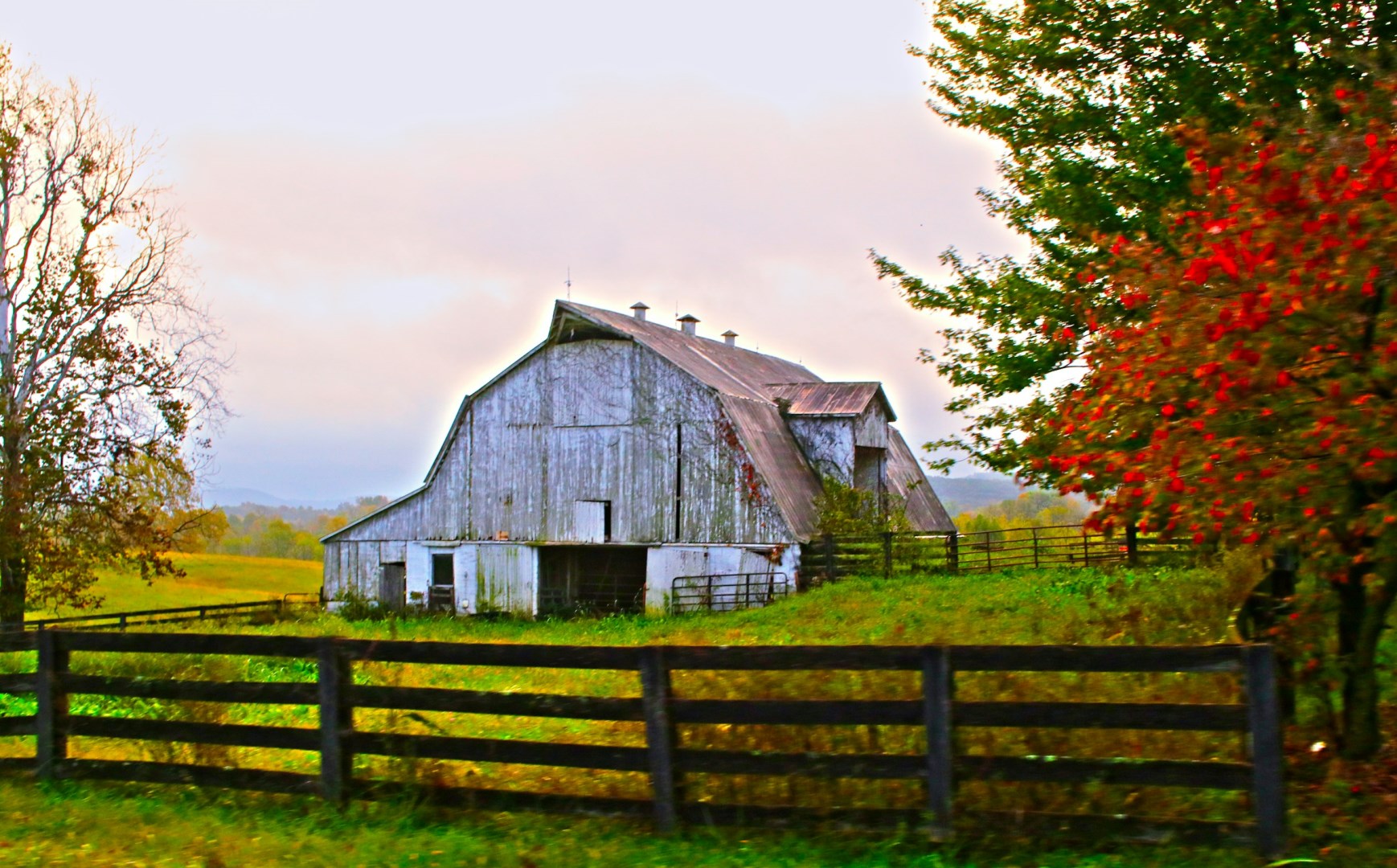
Kentucky is known worldwide for the Kentucky Derby, but there’s far more to this southern state than fast horses and fancy hats. Louisville, the largest city, pairs old-world charm with modern energy. Visitors can stroll along Museum Row on Main to explore the Louisville Slugger Museum & Factory or dive into boxing history at the Muhammad Ali Center, dedicated to the life and legacy of the Louisville-born champion.
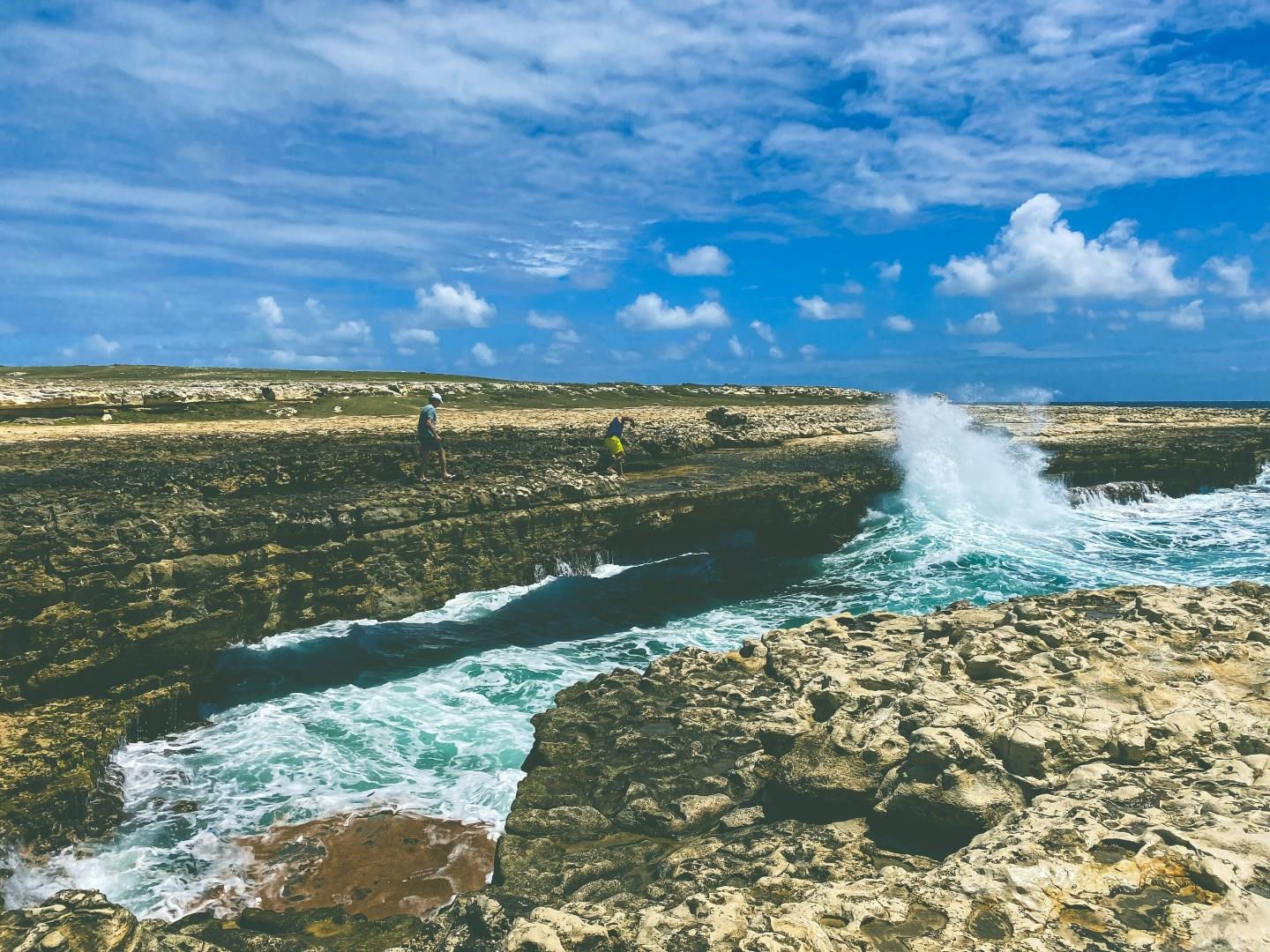
Devil’s Bridge National Park, located on the rugged Atlantic coast of Antigua, is one of the island’s most dramatic natural landmarks. The park is named after its striking limestone arch, carved over centuries by relentless waves and wind.
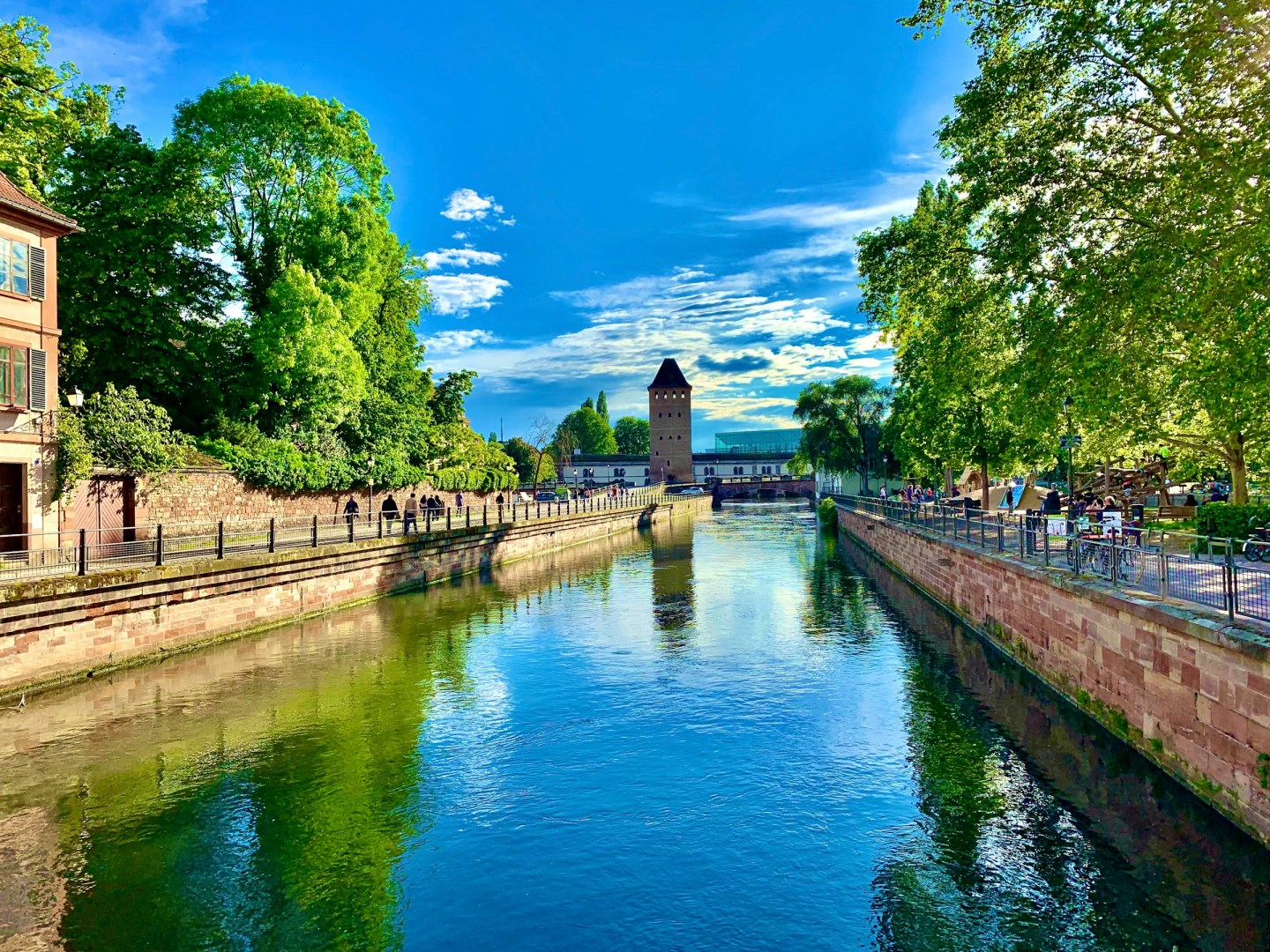
This vibrant and picturesque city sits near the German border and is the 2nd most popular tourist city in France. Its historic city center is classified a World Heritage Site by UNESCO, and the Stasbourg Cathedral is one of the finest examples of Rayonnant Gothic architecture.
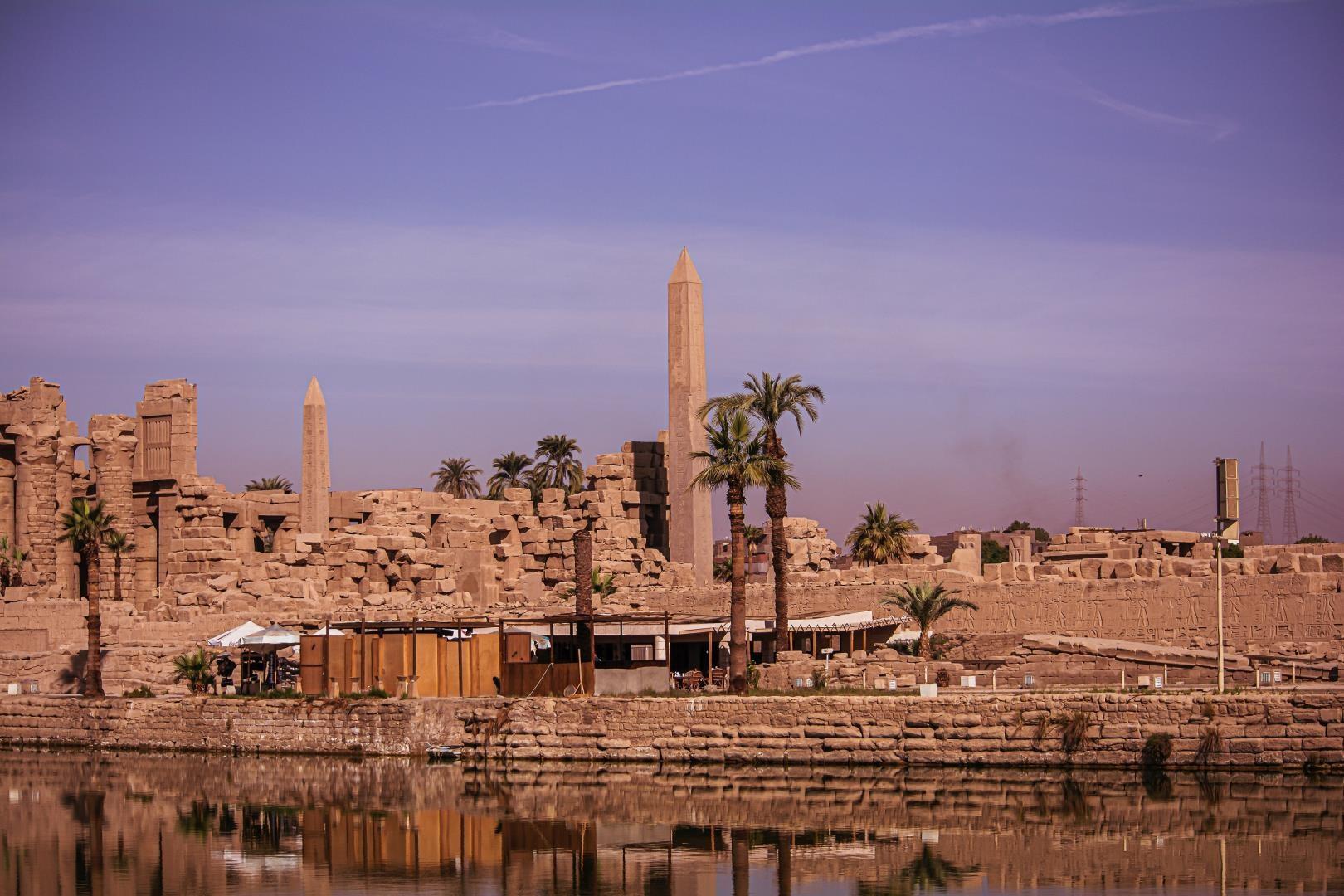
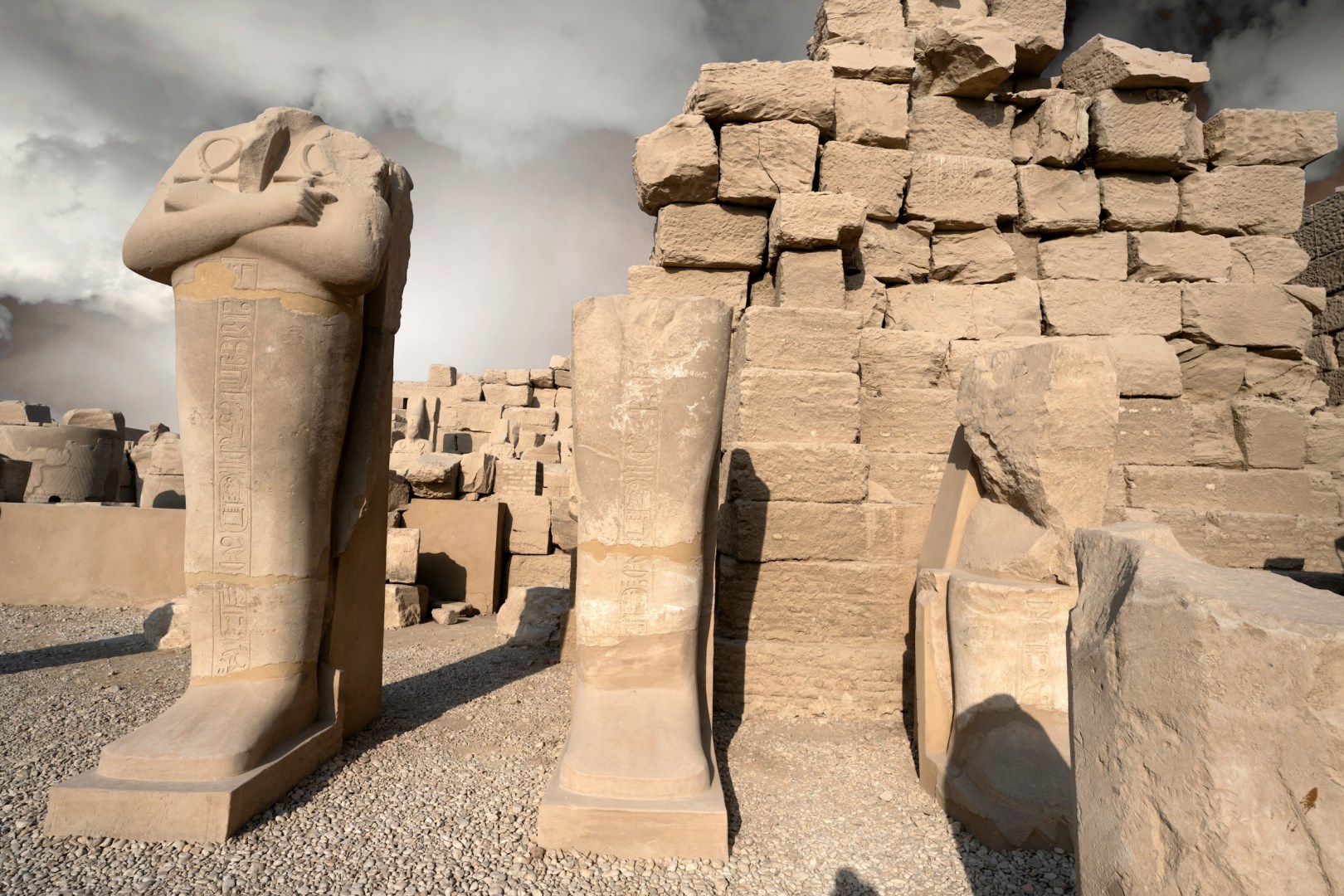
Luxor, often referred to as the world’s greatest open-air museum, is a city where ancient history and breathtaking archaeology converge. Nestled along the eastern bank of the Nile River, Luxor is home to some of the most remarkable and well-preserved relics of ancient Egypt. A visit to the Karnak Temple Complex, an expansive and awe-inspiring site dedicated to the Theban triad of gods, reveals the grandeur of ancient Egyptian architecture and religious practices. The massive columns, obelisks, and the Sacred Lake offer a glimpse into the grandeur of one of the most influential religious centers of ancient Egypt.
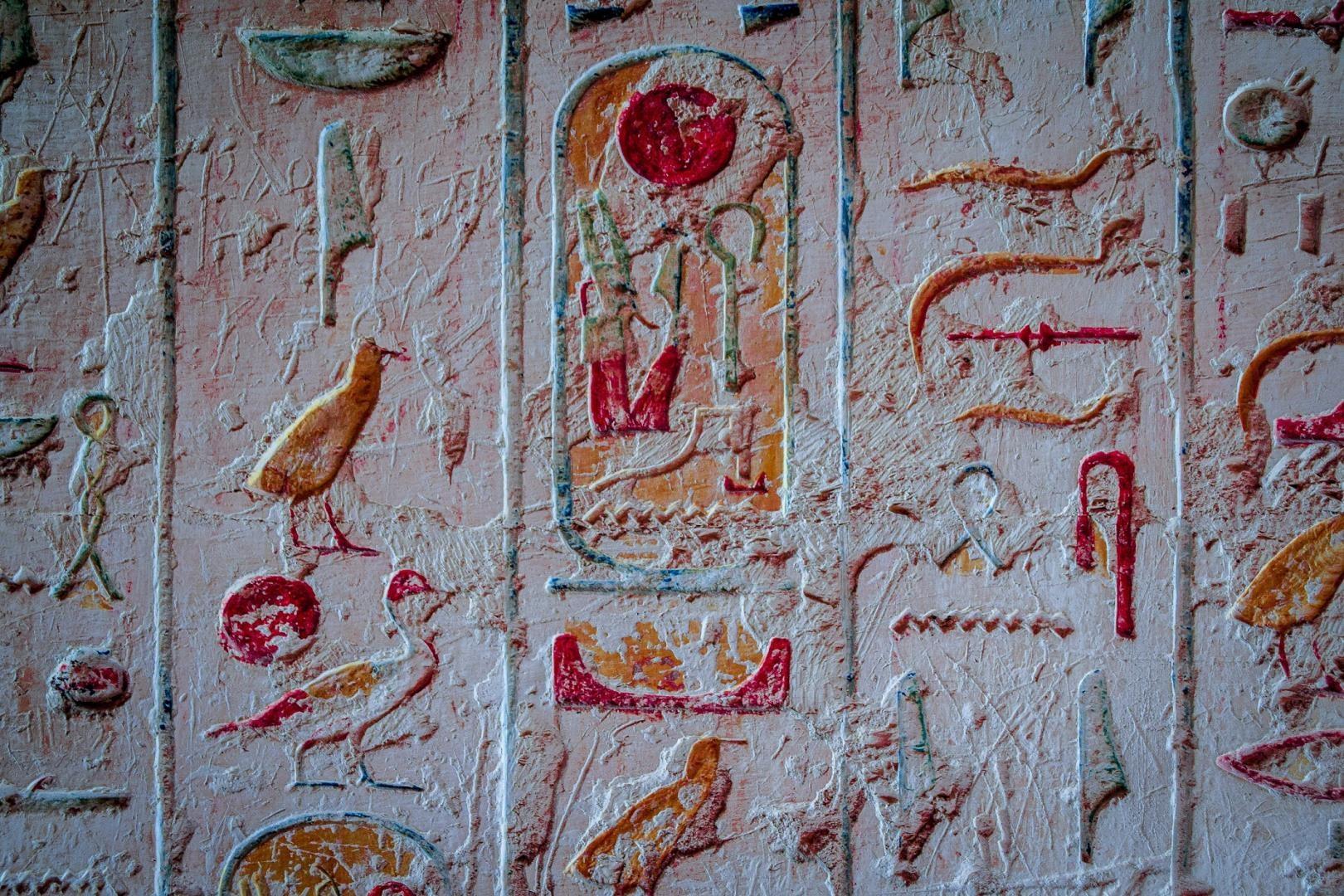
Just a short distance away lies the Valley of the Kings, a necropolis that served as the final resting place for many of Egypt’s pharaohs, including Tutankhamun. The richly decorated tombs, including the famous Tomb of Tutankhamun, provide unparalleled insights into the burial practices and art of ancient Egypt. Visitors can marvel at the intricate wall paintings and hieroglyphs that have been remarkably preserved over millennia.
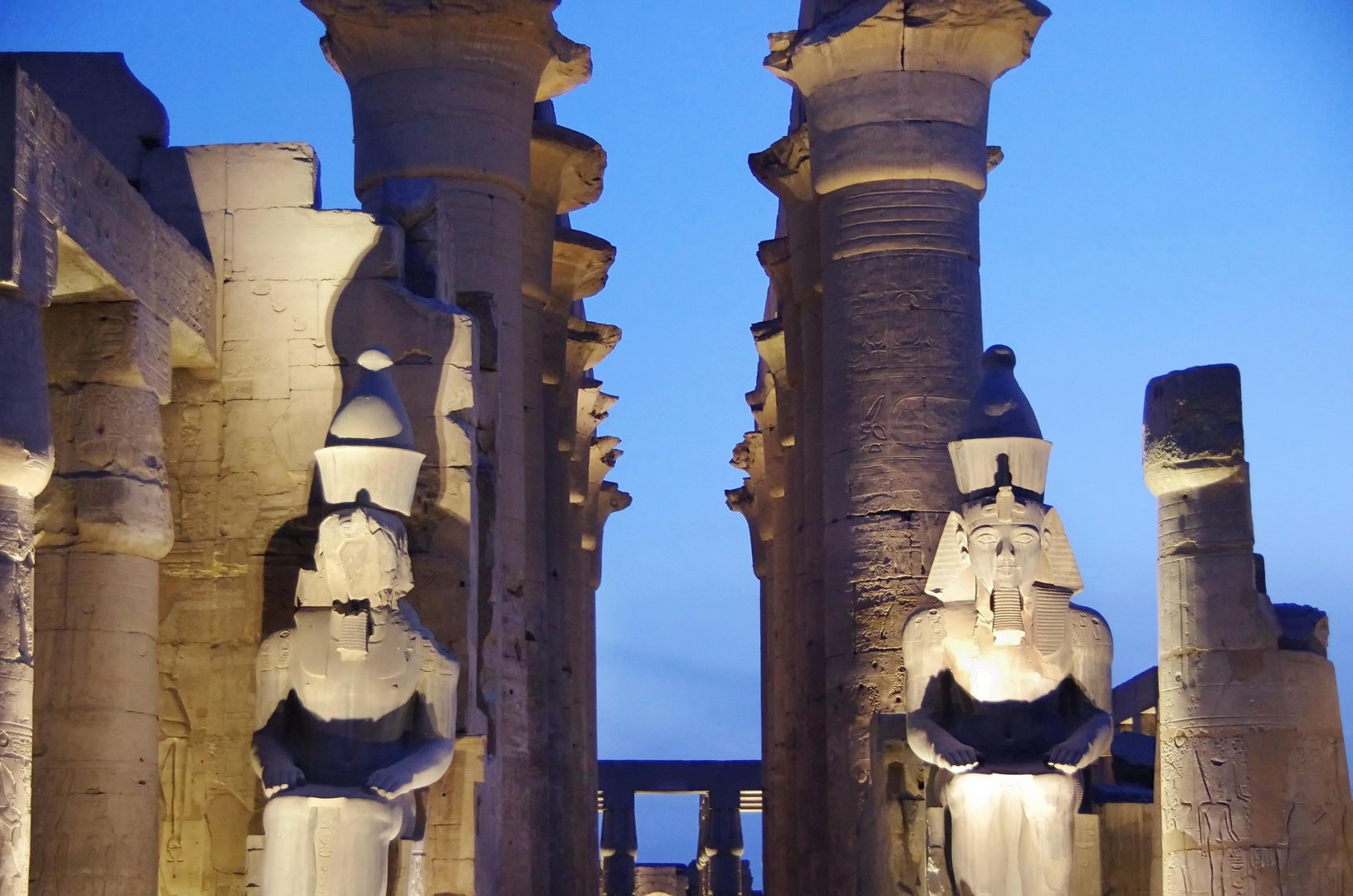
The Temple of Luxor, situated on the city’s main thoroughfare, offers another fascinating glimpse into ancient Egyptian religion and architecture. Originally built by Amenhotep III and later expanded by Ramesses II, this temple stands as a testament to the artistic and architectural achievements of ancient Egypt. The grand avenue of sphinxes that once connected it to Karnak Temple adds to the allure and historical significance of the site.
Fun Fact: Luxor was once known as Thebes and served as the capital of Egypt during the New Kingdom. The city’s rich history and architectural wonders make it a captivating destination for history enthusiasts and travelers alike. For a truly memorable experience, consider visiting Luxor between October and April when the weather is pleasant and ideal for exploring its ancient treasures.