This small cruise port is located in Mexico's Yucatan peninsula south of Playa del Carmen, near Belize. It is famous for Chacchoben, a breathtaking set of Mayan ruins. The port has a new and modern shopping mall and the central plaza has saltwater pools and 'swim-up' style bars for tourists to enjoy.
Eskişehir, located in northwestern Turkey, is a city where old meets new in unexpected ways. Known for its youthful vibe due to its two major universities, the city is also deeply rooted in history. It sits along the Porsuk River, which winds through lively neighborhoods and parks. The riverfront, once mostly industrial, has been transformed into a place where gondolas pass under bridges and locals gather at riverside cafes.
Roseau, the lively capital of Dominica, is a city where history and nature coexist in striking harmony. Established on the site of an ancient Kalinago settlement, the town reflects its colonial past through French-inspired architecture, colorful buildings, and historic churches.
Set high in the Khumbu Valley, Pheriche offers a quiet yet striking stop along the route toward Mount Everest. Surrounded by wide landscapes and rugged peaks, this small settlement sits in a windswept valley where the air is crisp and the views stretch for miles. Unlike busier stops along the trail, Pheriche gives travelers space to pause, adjust to the altitude, and take in the scale of the Himalayas without distraction.
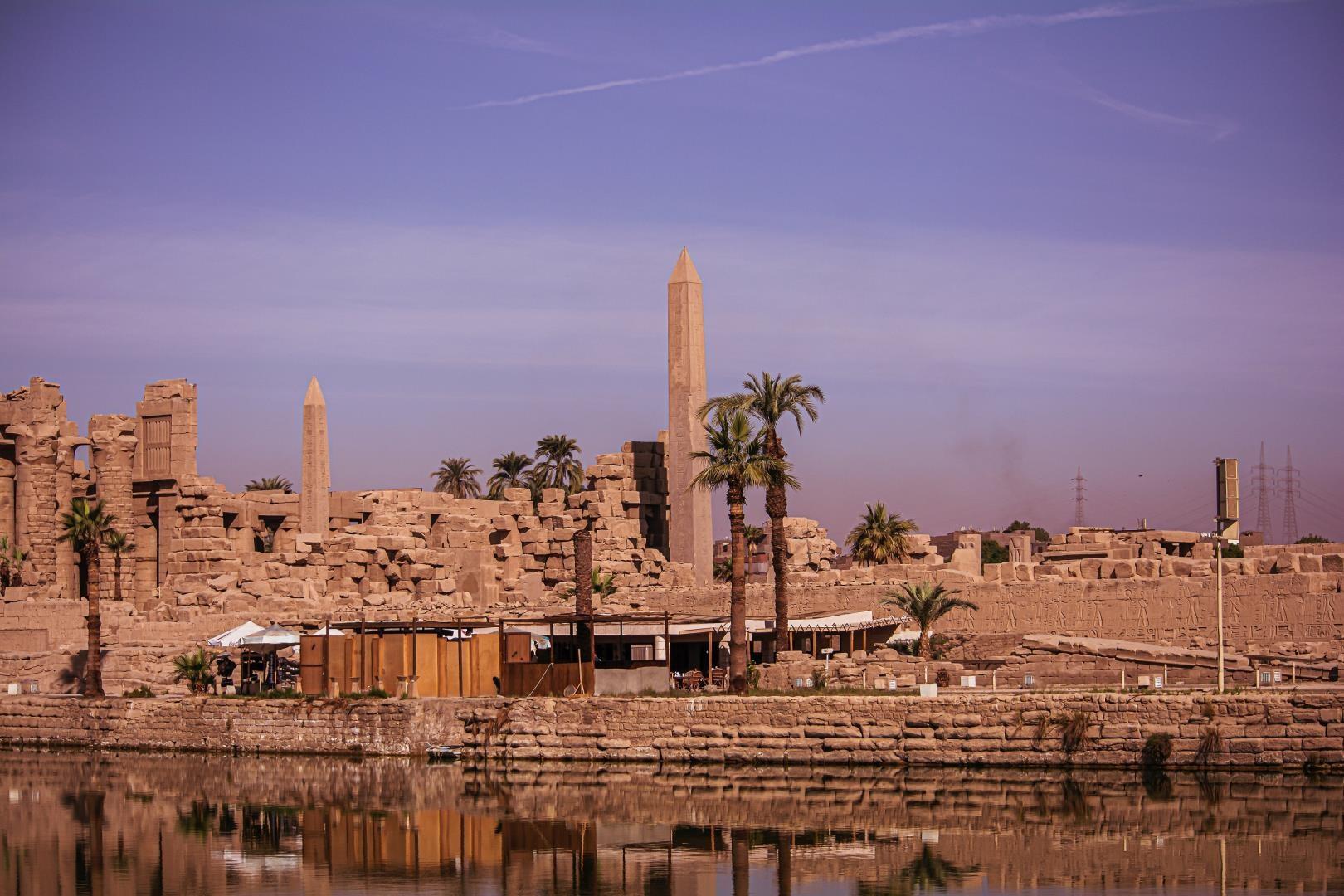
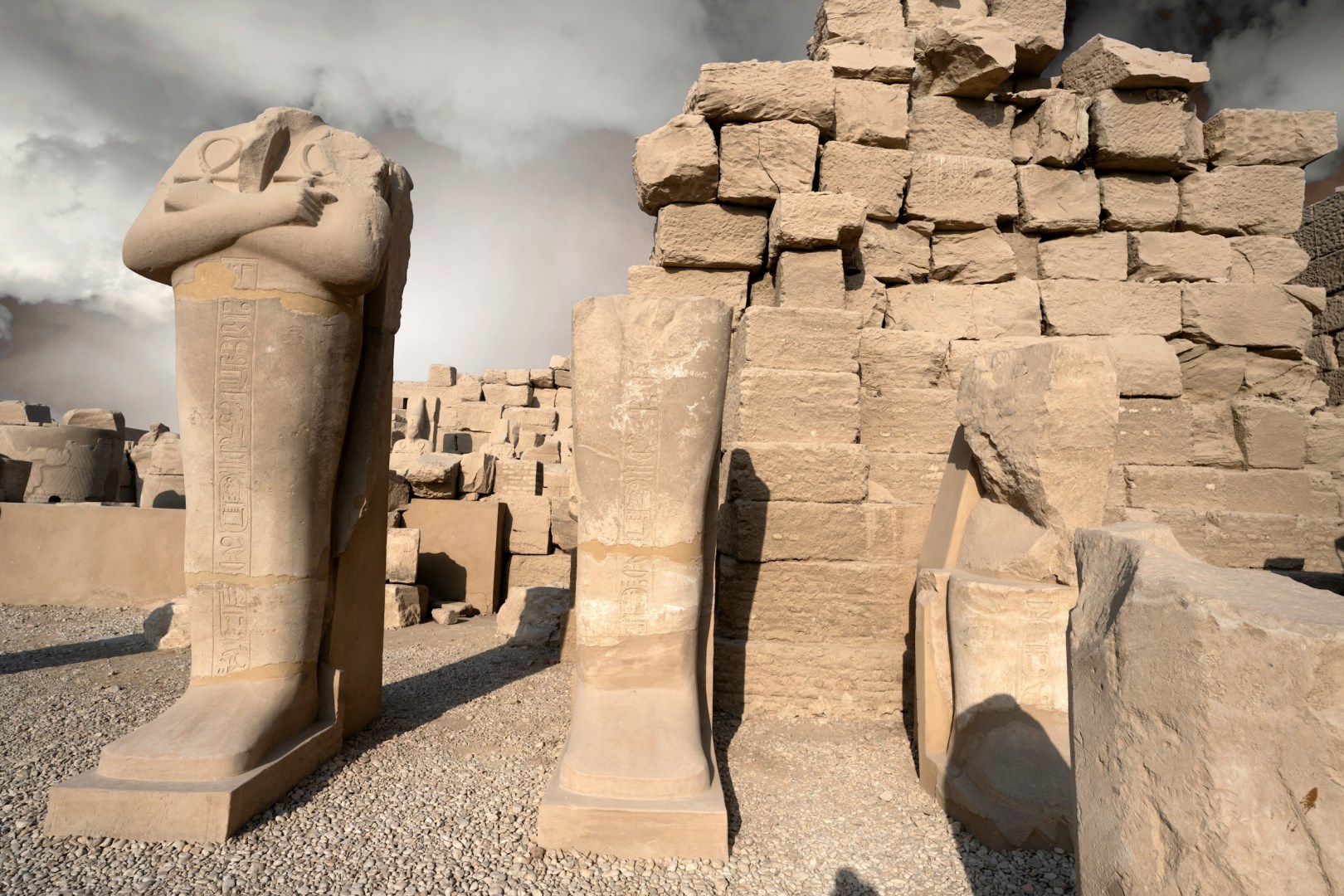
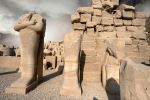
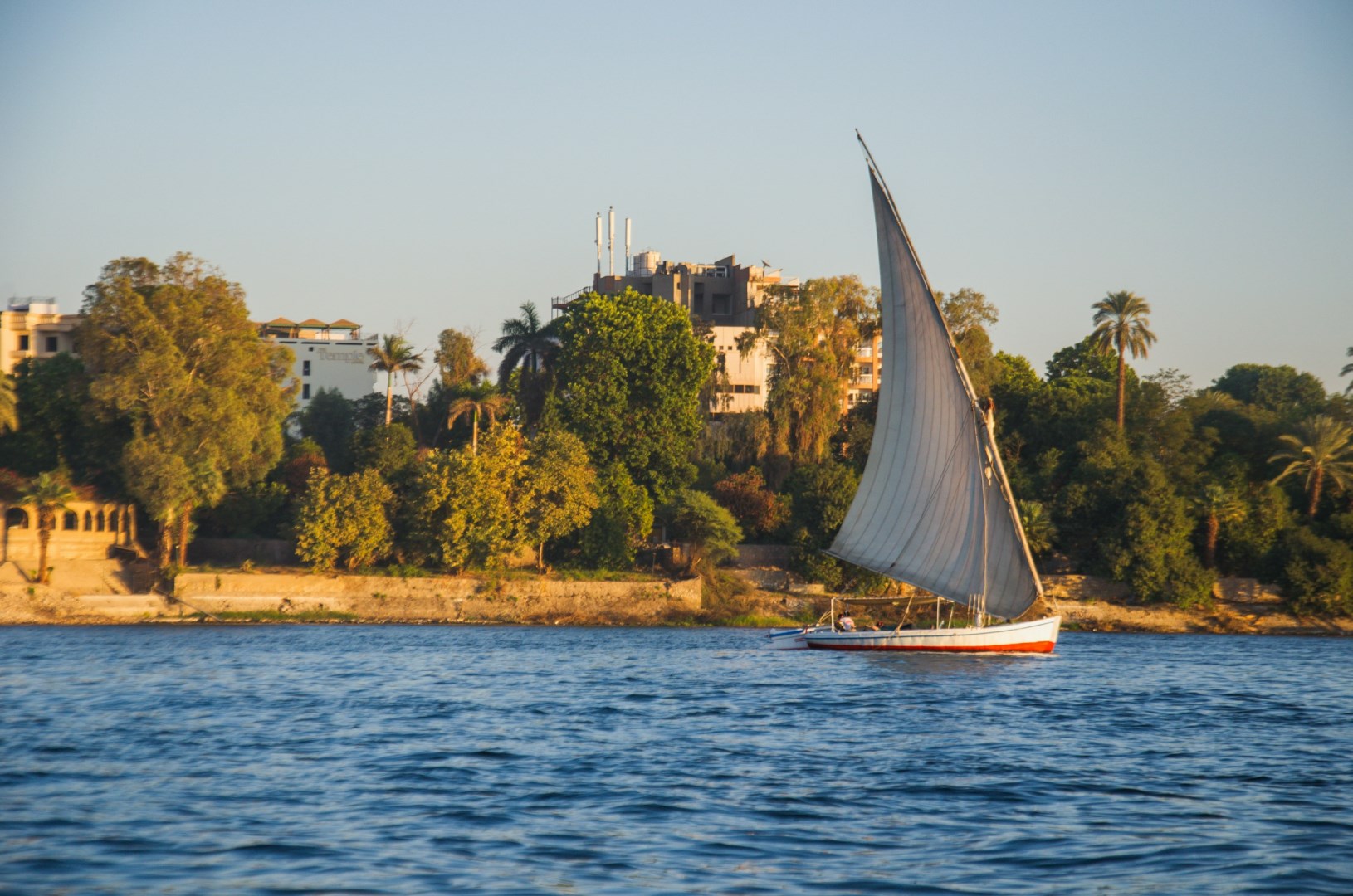
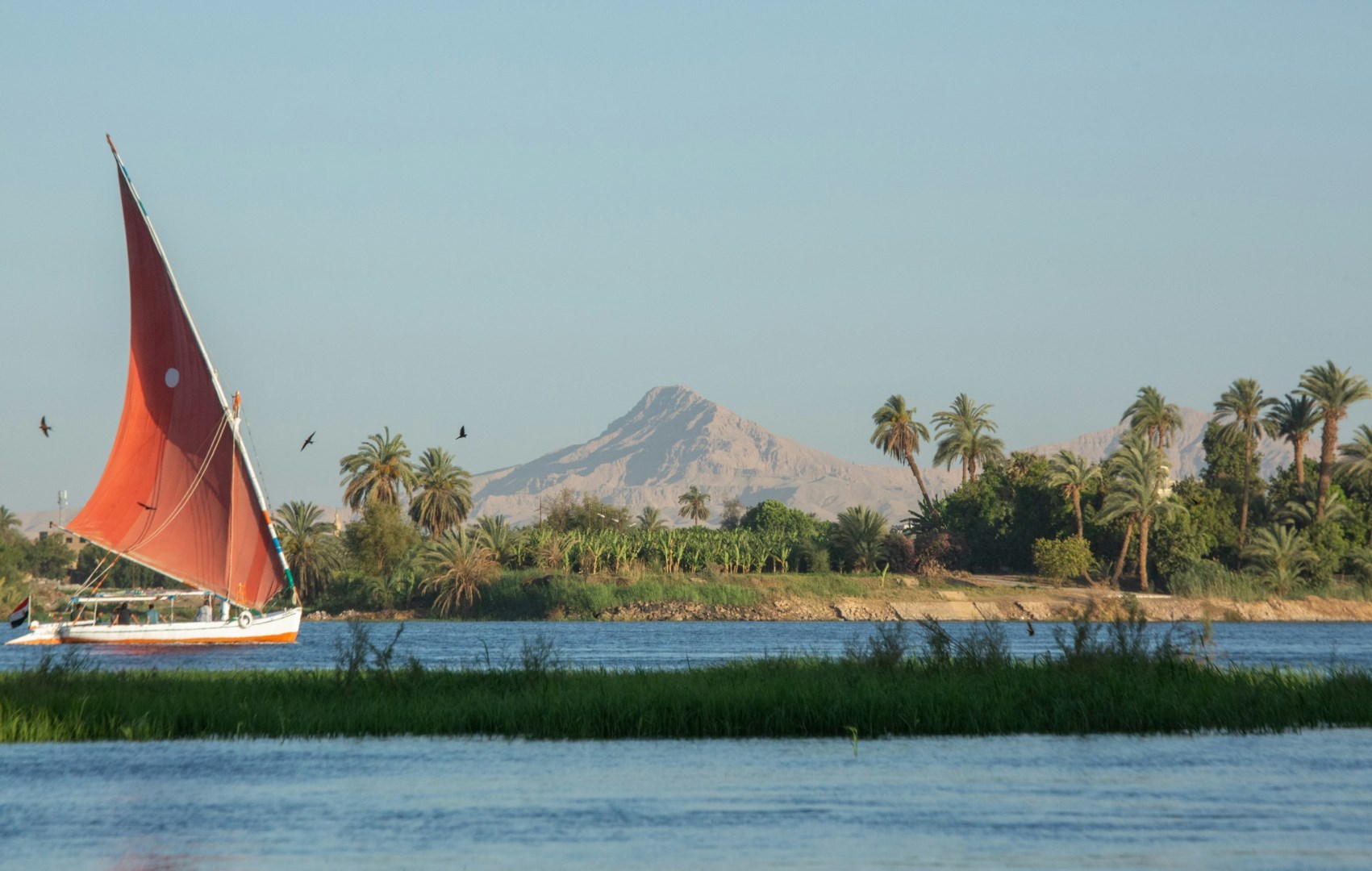
Luxor, often referred to as the world’s greatest open-air museum, is a city where ancient history and breathtaking archaeology converge. Nestled along the eastern bank of the Nile River, Luxor is home to some of the most remarkable and well-preserved relics of ancient Egypt. A visit to the Karnak Temple Complex, an expansive and awe-inspiring site dedicated to the Theban triad of gods, reveals the grandeur of ancient Egyptian architecture and religious practices. The massive columns, obelisks, and the Sacred Lake offer a glimpse into the grandeur of one of the most influential religious centers of ancient Egypt.
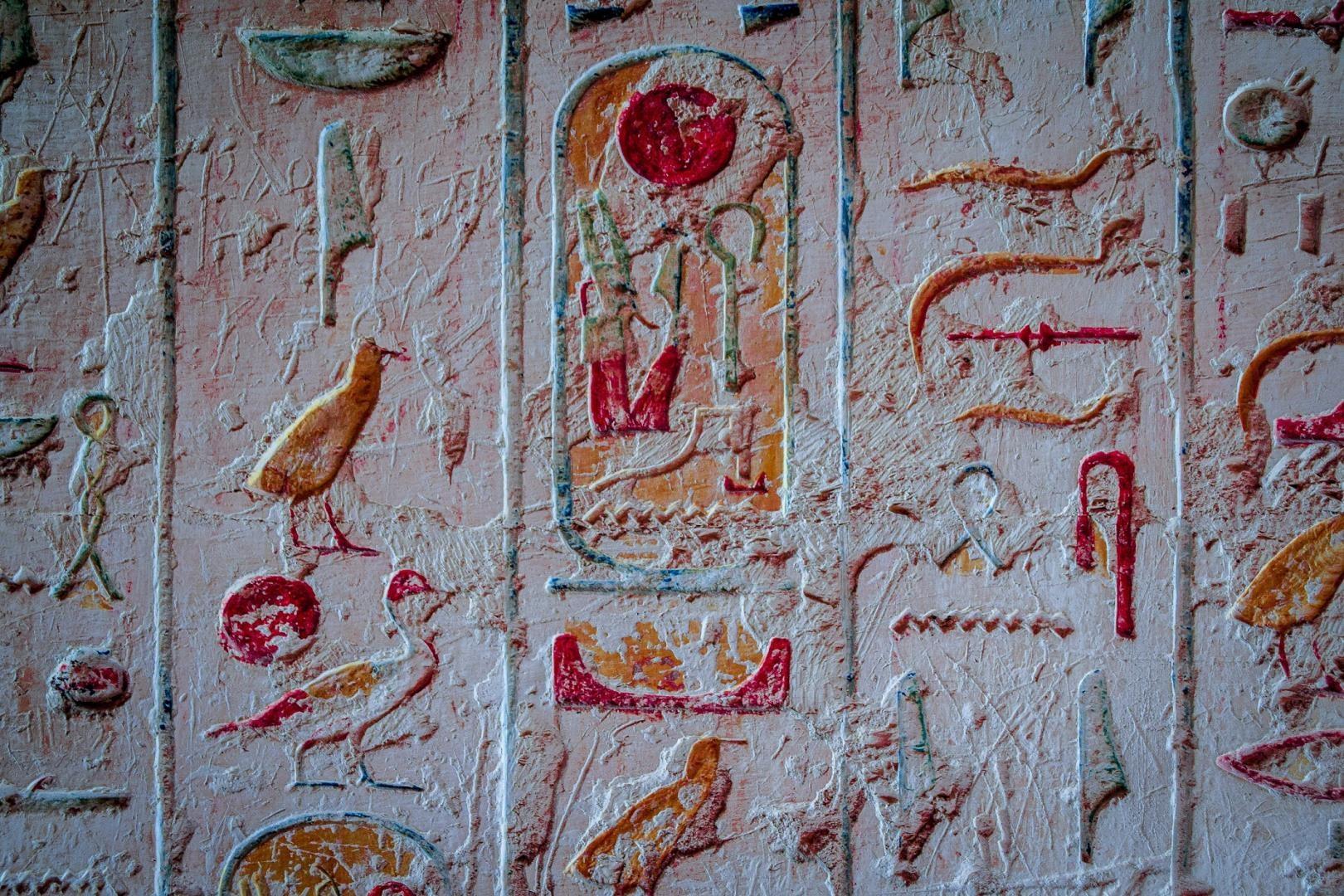
Just a short distance away lies the Valley of the Kings, a necropolis that served as the final resting place for many of Egypt’s pharaohs, including Tutankhamun. The richly decorated tombs, including the famous Tomb of Tutankhamun, provide unparalleled insights into the burial practices and art of ancient Egypt. Visitors can marvel at the intricate wall paintings and hieroglyphs that have been remarkably preserved over millennia.
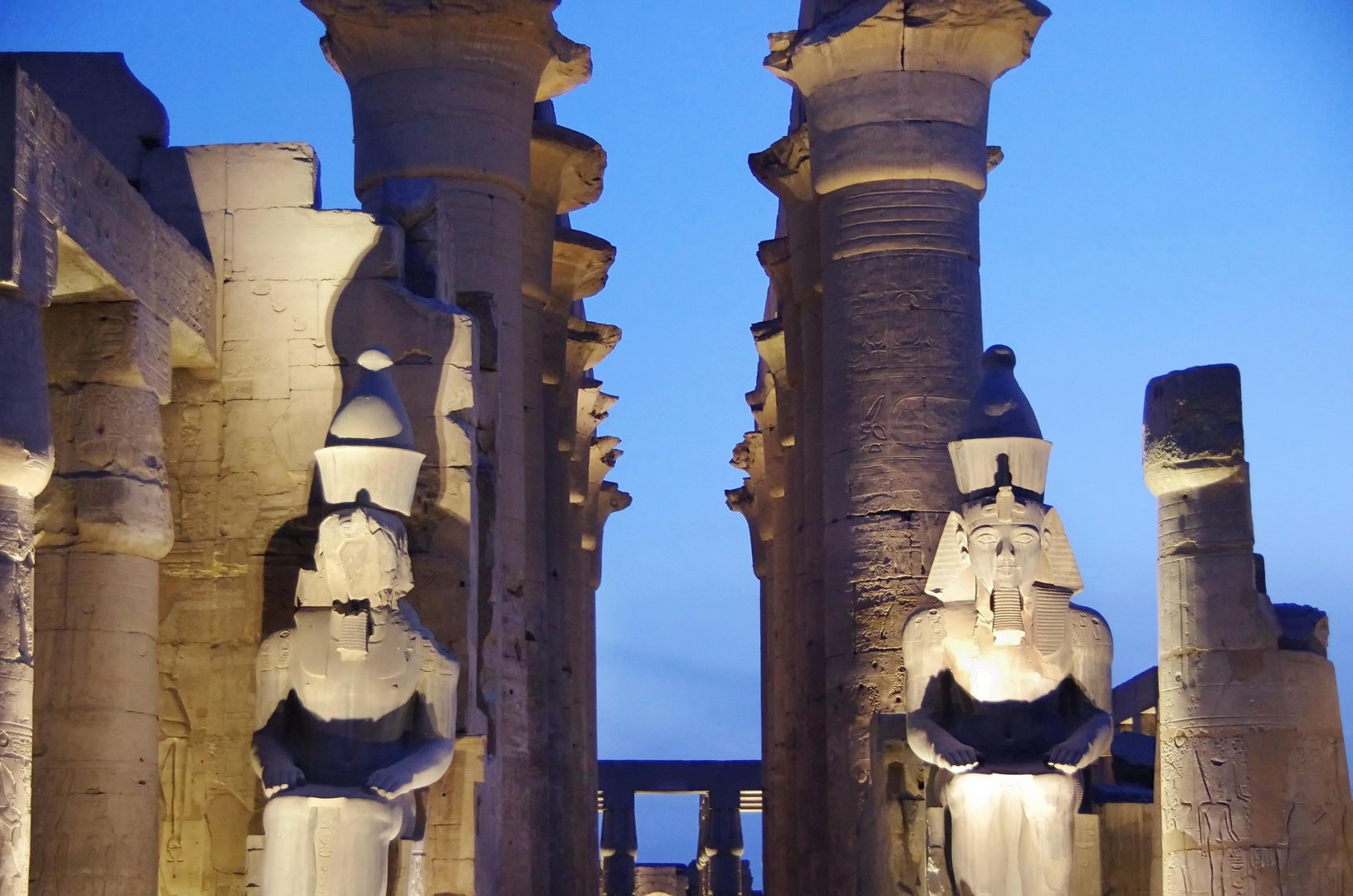
The Temple of Luxor, situated on the city’s main thoroughfare, offers another fascinating glimpse into ancient Egyptian religion and architecture. Originally built by Amenhotep III and later expanded by Ramesses II, this temple stands as a testament to the artistic and architectural achievements of ancient Egypt. The grand avenue of sphinxes that once connected it to Karnak Temple adds to the allure and historical significance of the site.
Fun Fact: Luxor was once known as Thebes and served as the capital of Egypt during the New Kingdom. The city’s rich history and architectural wonders make it a captivating destination for history enthusiasts and travelers alike. For a truly memorable experience, consider visiting Luxor between October and April when the weather is pleasant and ideal for exploring its ancient treasures.