Accra
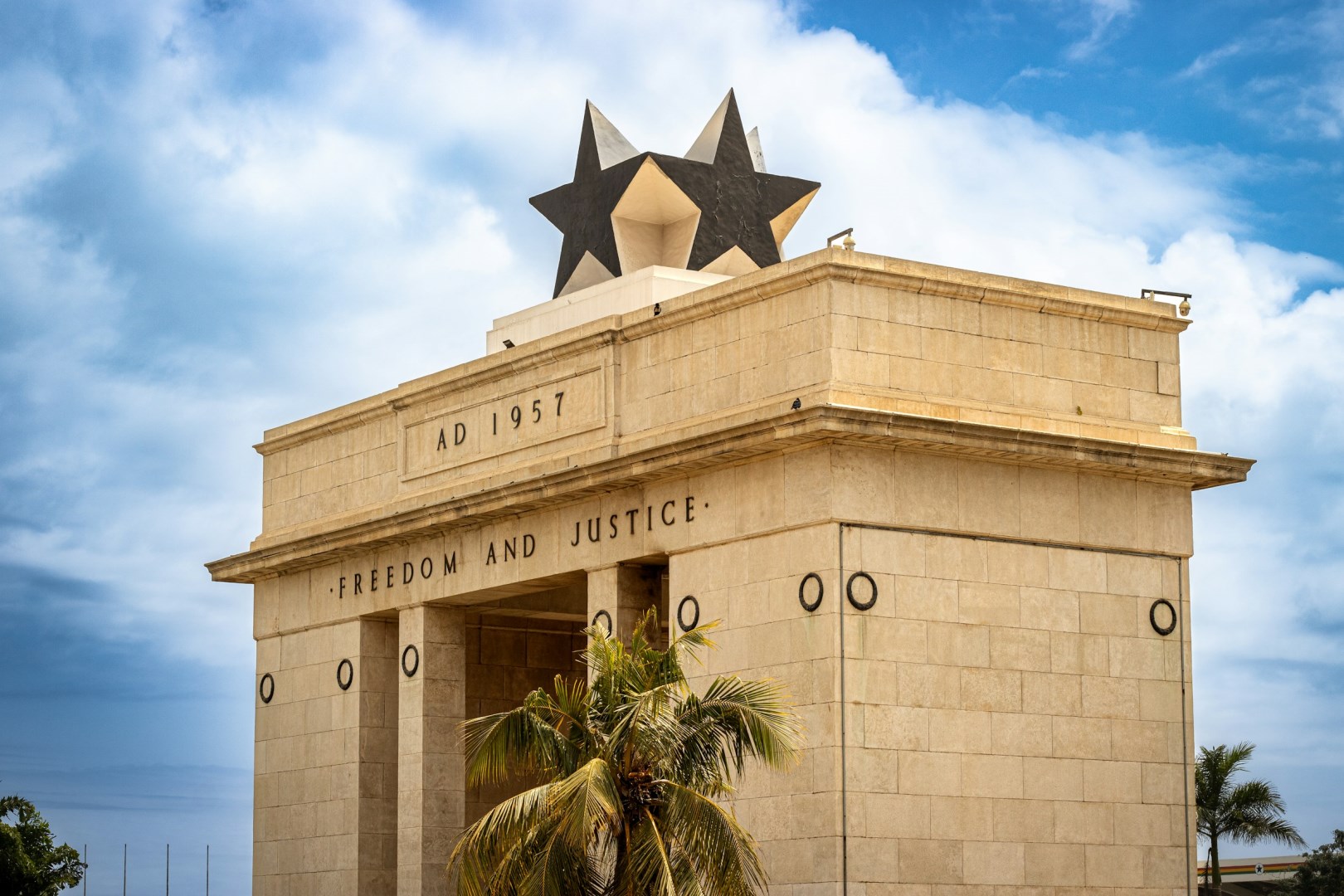
Accra, Ghana’s vibrant capital, blends coastal charm with an energetic urban atmosphere. Situated along the Atlantic Ocean, the city is a hub for arts, culture, and history, offering travelers a lively introduction to the country.
Chuuk
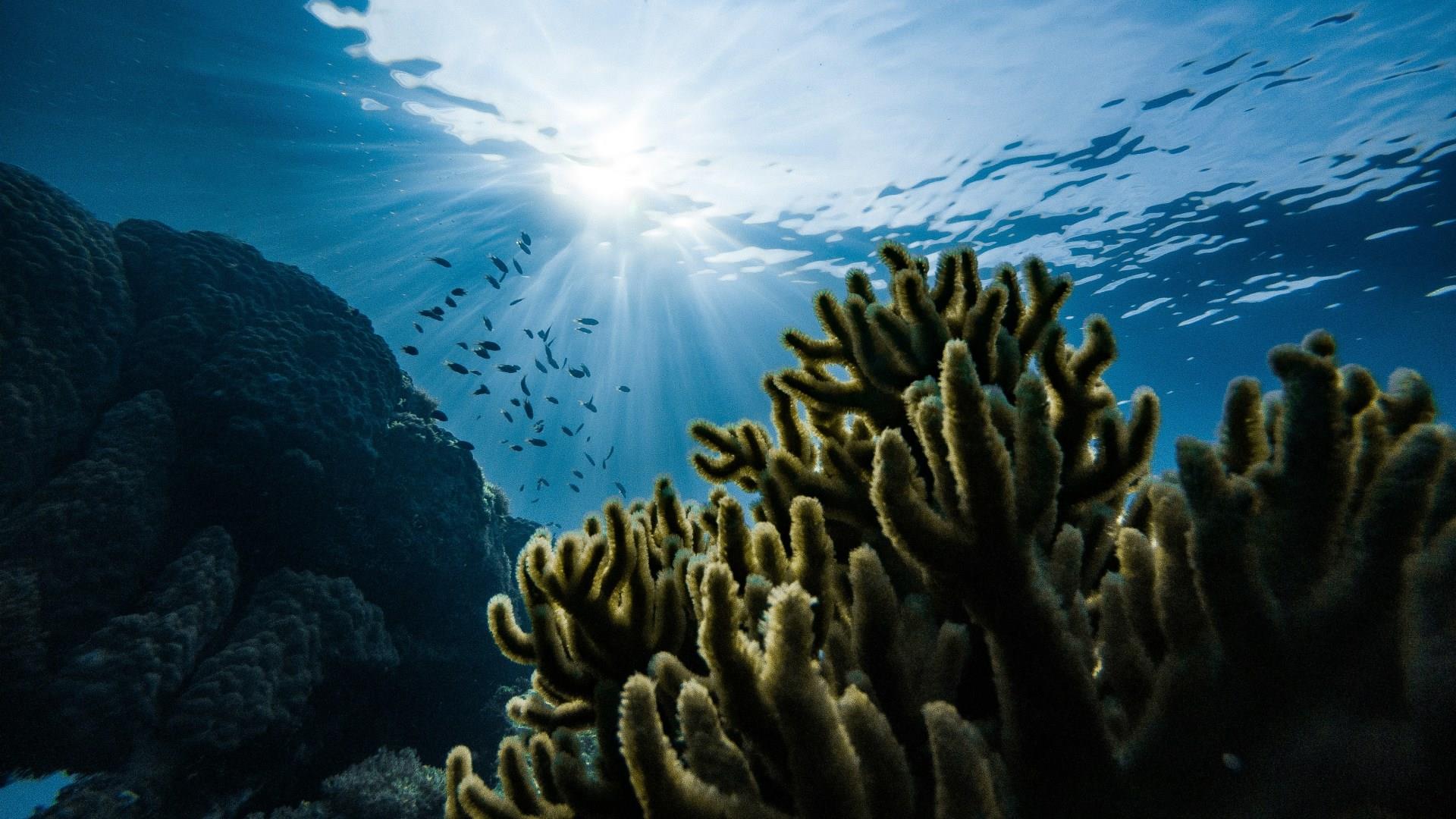
Chuuk, one of the four states of the Federated States of Micronesia, is best known for its vast lagoon which is one of the largest enclosed lagoons in the world. But what sets Chuuk apart is what lies beneath those calm blue waters: an entire underwater fleet of sunken warships, aircraft, and submarines left from World War II. Often called the "Ghost Fleet of Truk Lagoon," these wrecks make Chuuk a global destination for experienced divers.

Mikulov
Mikulov, located in the heart of South Moravia in the Czech Republic, is a picturesque town known for its rich history, stunning architecture, and exceptional wine culture. Dominating the skyline is Mikulov Castle, an elegant Baroque structure that has been a cultural landmark since the 13th century. Visitors can explore the castle’s historical exhibitions, including a fascinating display on the region’s winemaking traditions.
Apolonia
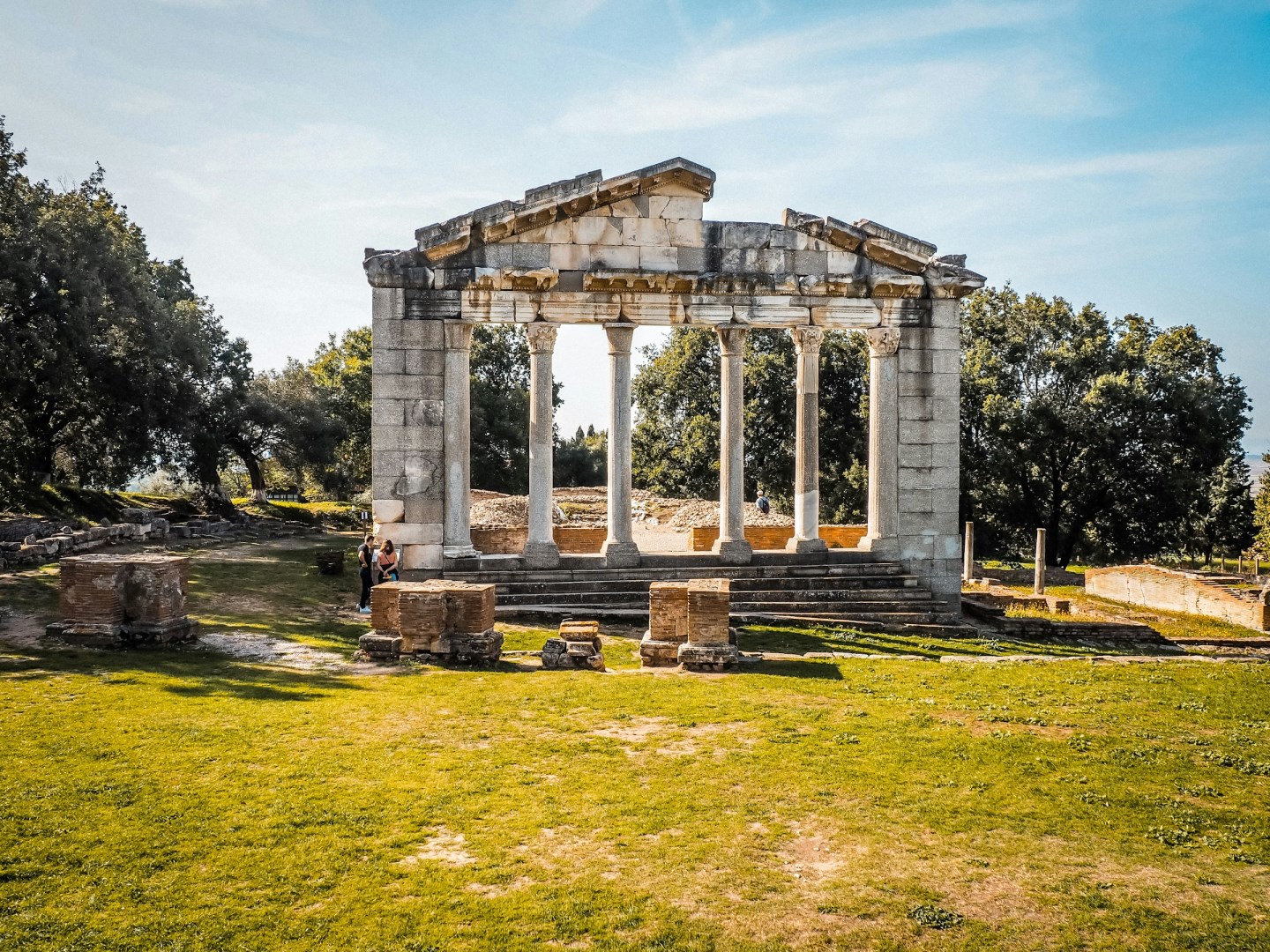
Apolonia, an ancient Roman city is famous for its exceptional ruins. See the city walls, the Bouletherion, the Odeon and the library.
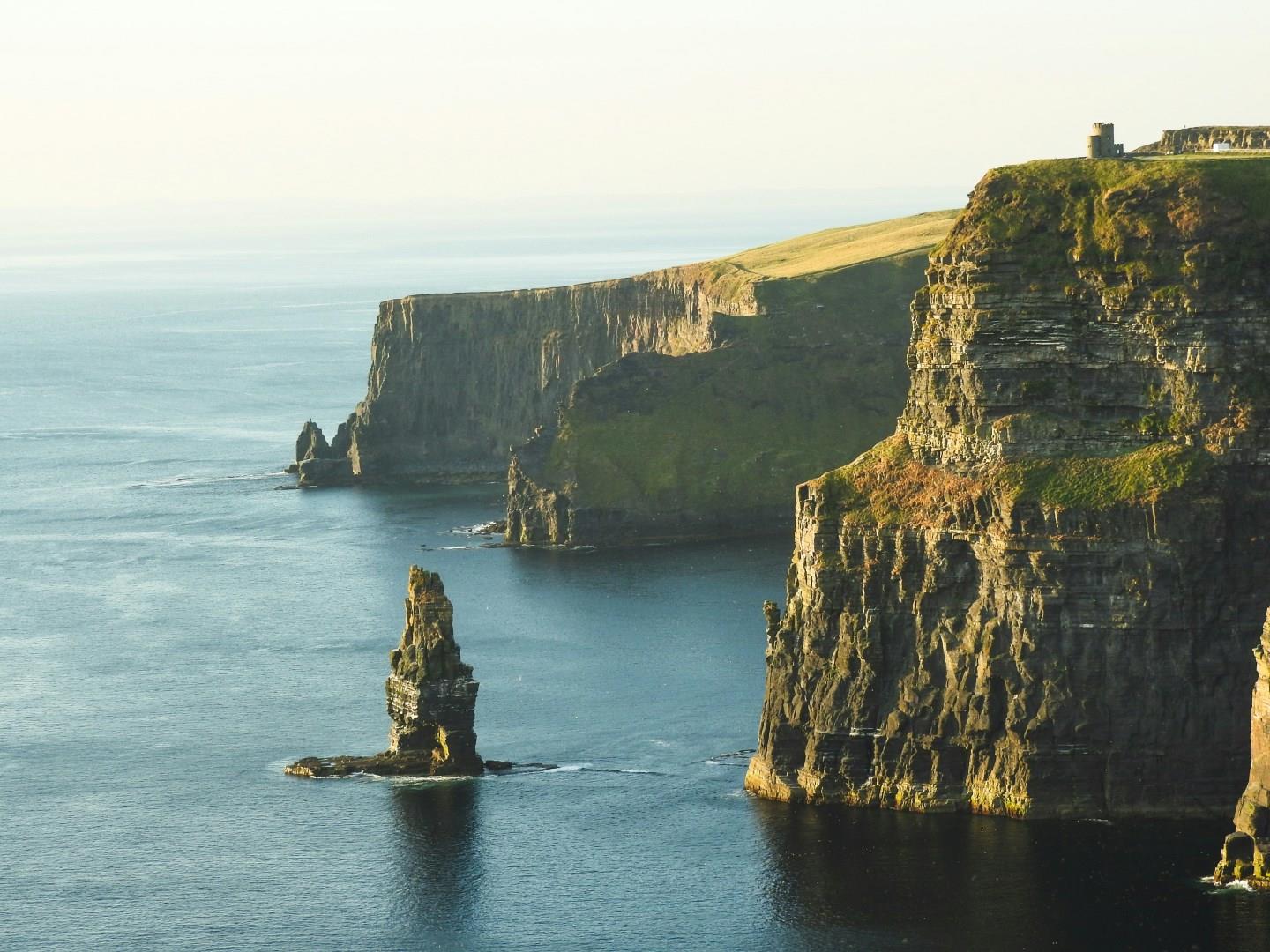
Cliffs of Moher
The Cliffs of Moher rise dramatically from the Atlantic Ocean, stretching for about 8 kilometers along Ireland’s western coast in County Clare. At their highest point near O'Brien's Tower, the cliffs reach 214 meters, offering uninterrupted views of the Aran Islands, Galway Bay, and the craggy peaks of Connemara on a clear day. These ancient sea cliffs have stood for over 300 million years and remain one of the most visited and photographed sites in Ireland.