Las Vegas
Las Vegas, Nevada, is an electrifying city where glitz and glamour meet entertainment and excitement. Known as "The Entertainment Capital of the World," Las Vegas offers an unparalleled array of attractions, from its iconic casinos and luxurious hotels to its world-class dining and live shows. The city's entertainment scene is second to none, featuring legendary headliners, cutting-edge performances, and an array of themed attractions.
Wildwood
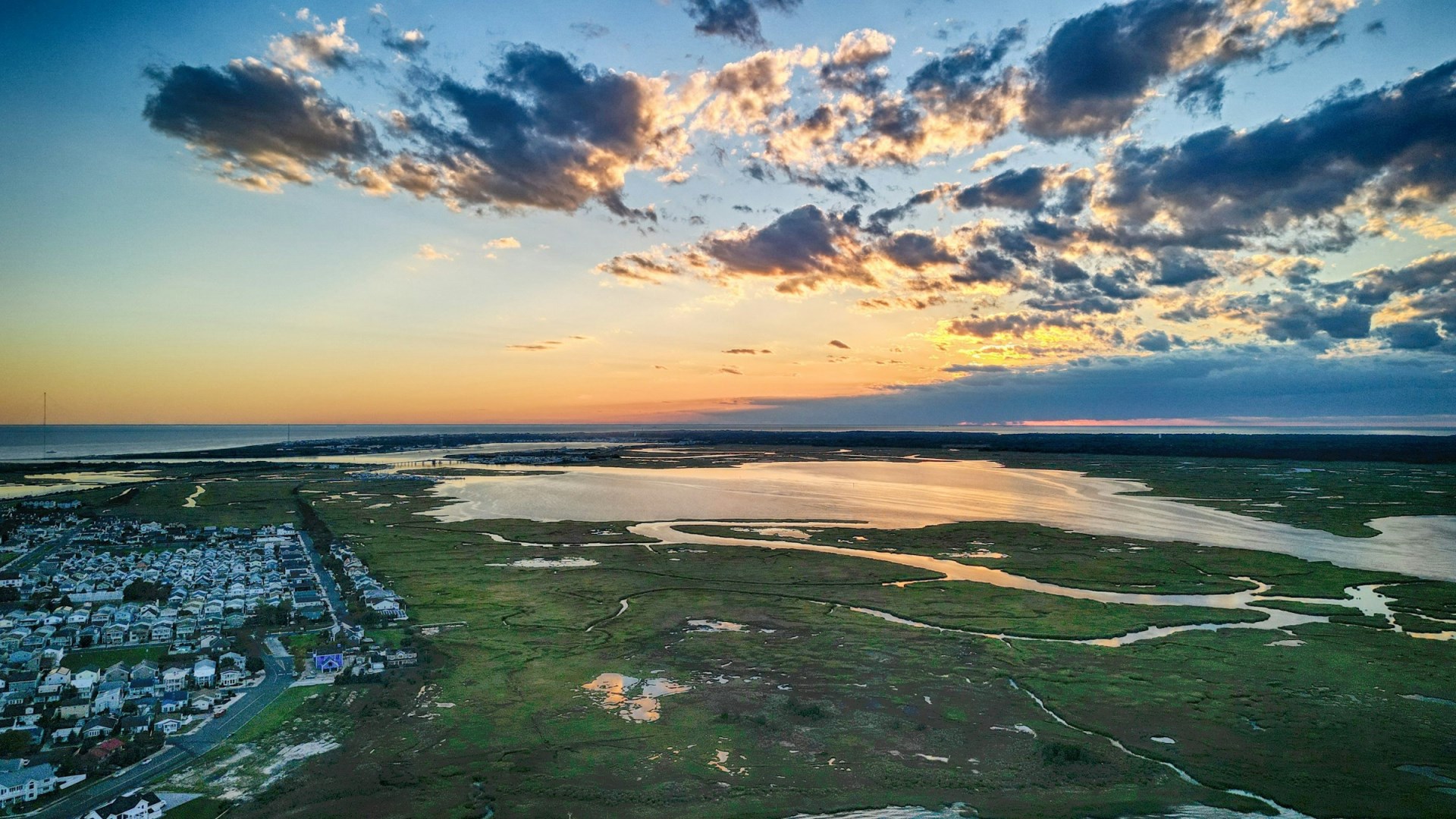
Wildwood is a seaside city on the barrier island of southern New Jersey, known for its broad beaches, oceanfront boardwalk, and distinctive collection of mid-century resort architecture. The community sits between the Atlantic Ocean and the back bays of Cape May County, giving it a landscape shaped by dunes, tidal wetlands, and coastal waterways. Its compact resort district contrasts with quieter residential areas and marshy edges.
Coquimbo
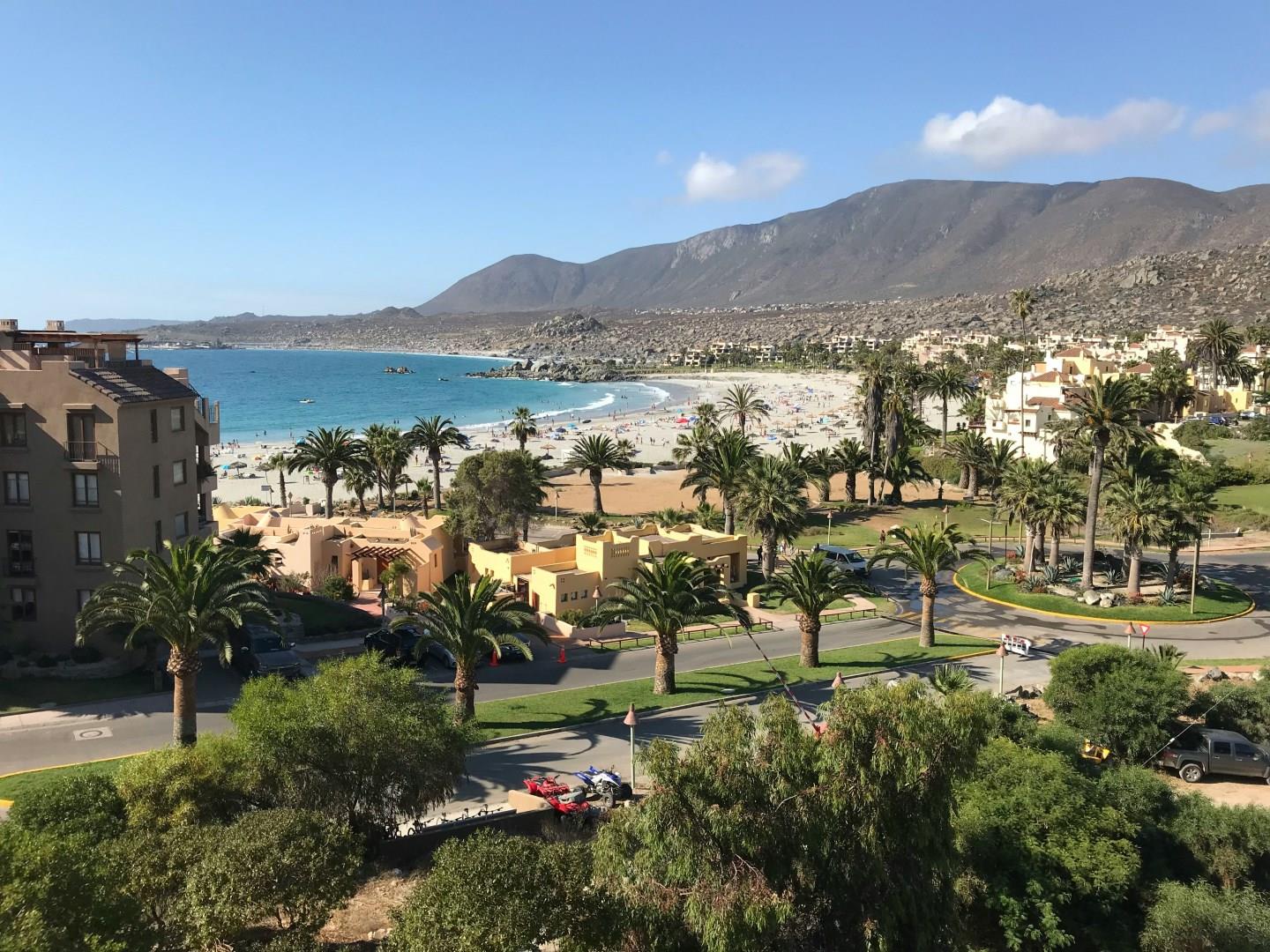
Coquimbo is a historic port city on Chile’s north-central coast, where maritime tradition and everyday life revolve around the Pacific.
Alajuela
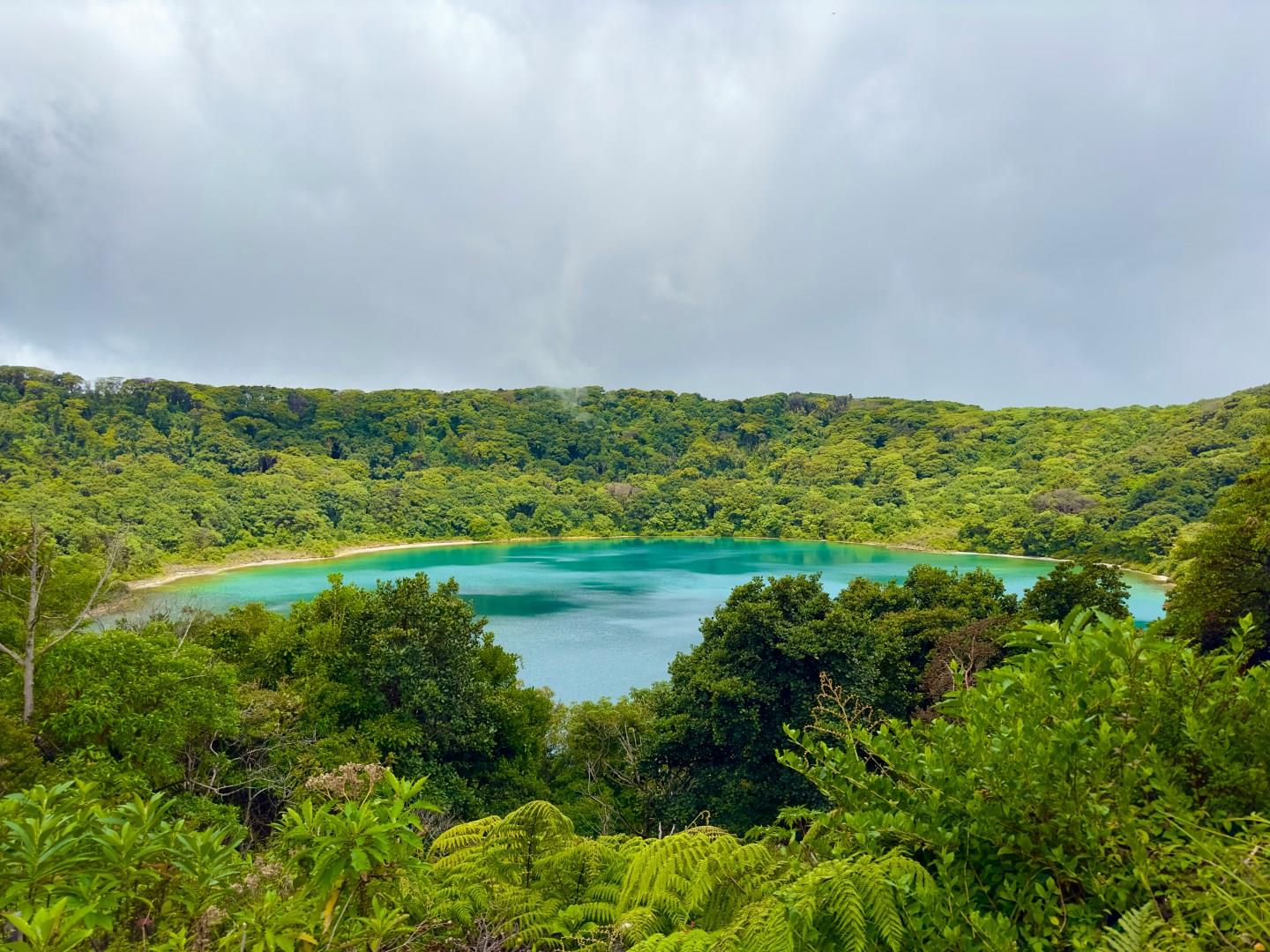
Alajuela, Costa Rica’s second-largest city, offers a mix of history, culture, and natural wonders that make it more than just the gateway to Juan Santamaría International Airport. The city’s central park, cathedral, and museums create a lively hub where local life unfolds, from weekend markets filled with fresh produce to festivals celebrating music and tradition.
Cameron Highlands
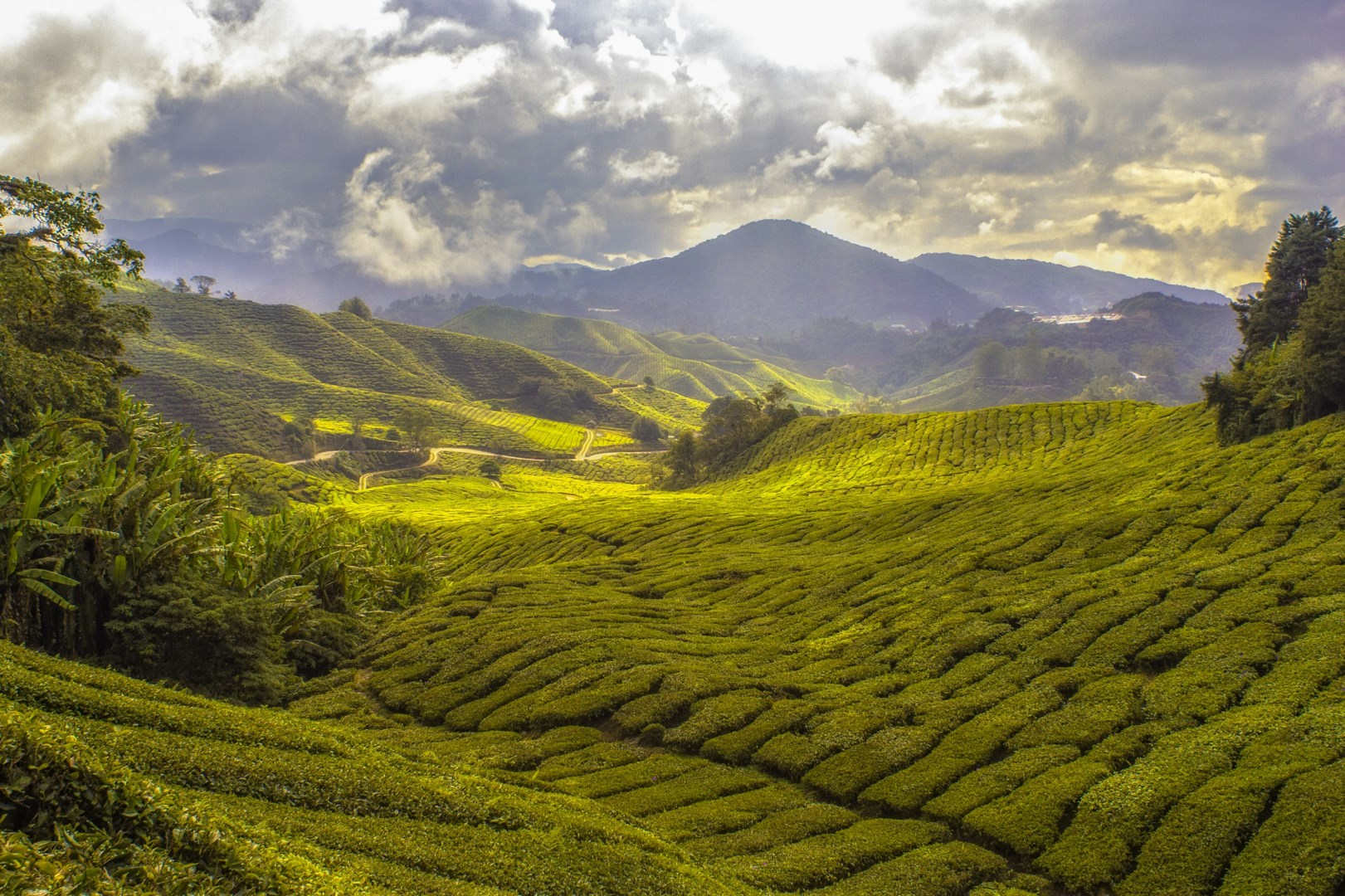
Cameron Highlands is a hill district in Pahang, Malaysia, known for its cool climate, rolling farmland, forested slopes, and mountain scenery. The highlands include several settlements, with Tanah Rata and Brinchang serving as the main visitor centers. Tea plantations cover many of the surrounding hillsides, while vegetable farms, flower gardens, and strawberry fields occupy other cultivated areas.