Nature is never far in Helsinki. Locals swim in the sea, walk forested trails, and gather mushrooms or berries all within city limits. One popular local habit is heading to the sauna, and the city offers several open-to-the-public options. Löyly, located on the waterfront, combines traditional wood-burning saunas with a sleek, modern design. In winter, visitors can even pair a sauna session with a quick dip through a hole cut in the ice for an experience both shocking and strangely calming.
Abruzzo, a hidden gem in central Italy, offers travelers a captivating blend of medieval history, stunning natural landscapes, and authentic Italian charm. Known as "the greenest region in Europe," Abruzzo is home to three national parks, including Gran Sasso e Monti della Laga, which features some of the highest peaks in the Apennines.
Sun Peaks is a mountain village in British Columbia, Canada, located northeast of Kamloops in the interior region of the province. The community is built around Sun Peaks Resort, one of Canada’s largest ski destinations, but the area also functions as a year-round alpine village with hiking trails, mountain biking routes, and access to surrounding forests.
Ilok, the easternmost town in Croatia on the Danube River, may be small but it has a lot to offer. A well-preserved Franciscan monastery and a 15th century castle make it a popular day trip for domestic as well as foreign tourists. Its wine-making tradition is even older; some say the region's viniculture dates back as early as 280 AD.
Torquay, located on England’s southwest coast in Devon, is often referred to as the gateway to the English Riviera. With origins as a small fishing village, it expanded rapidly in the 19th century as a seaside resort, attracting visitors with its mild climate, sandy beaches, and scenic coastline.
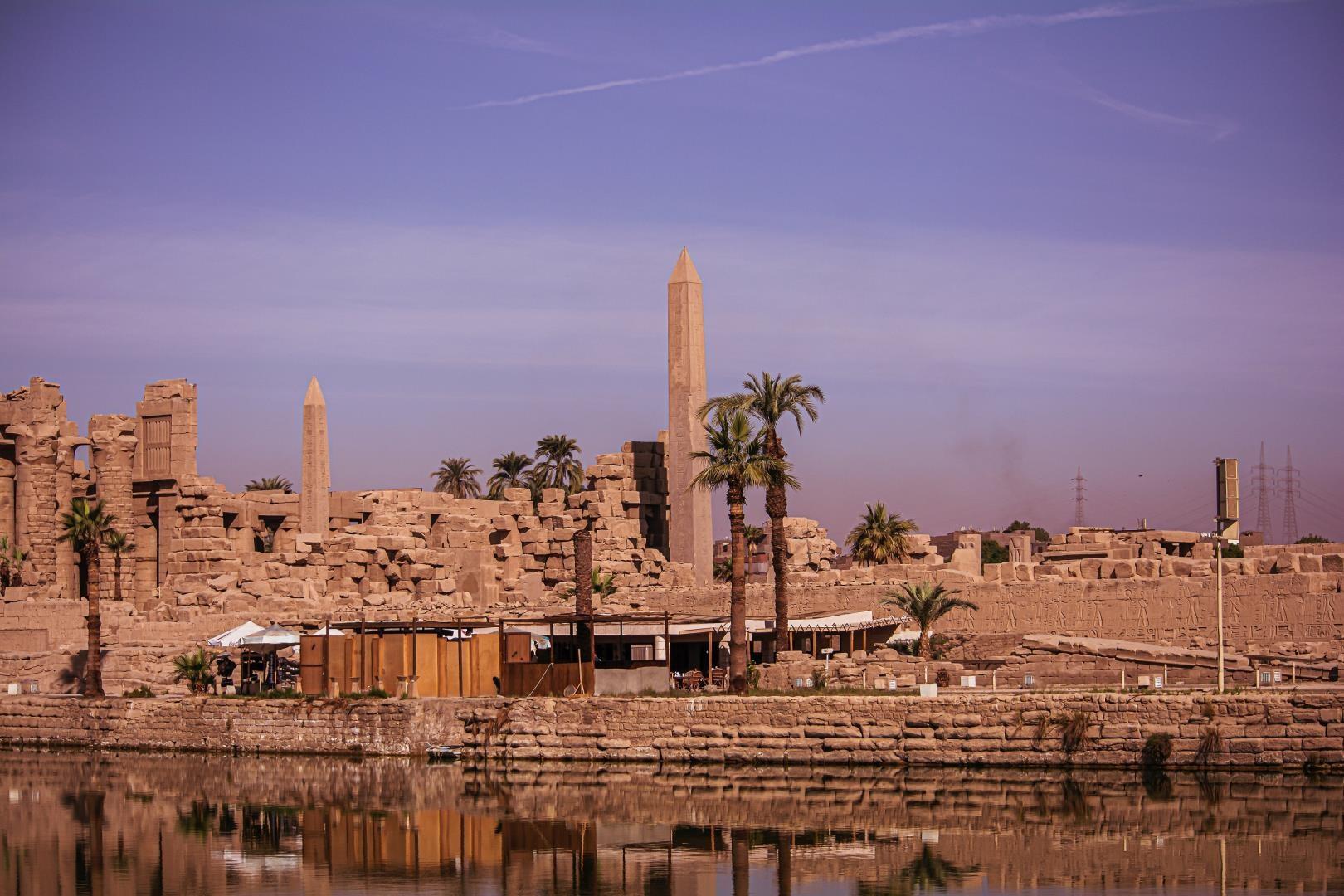
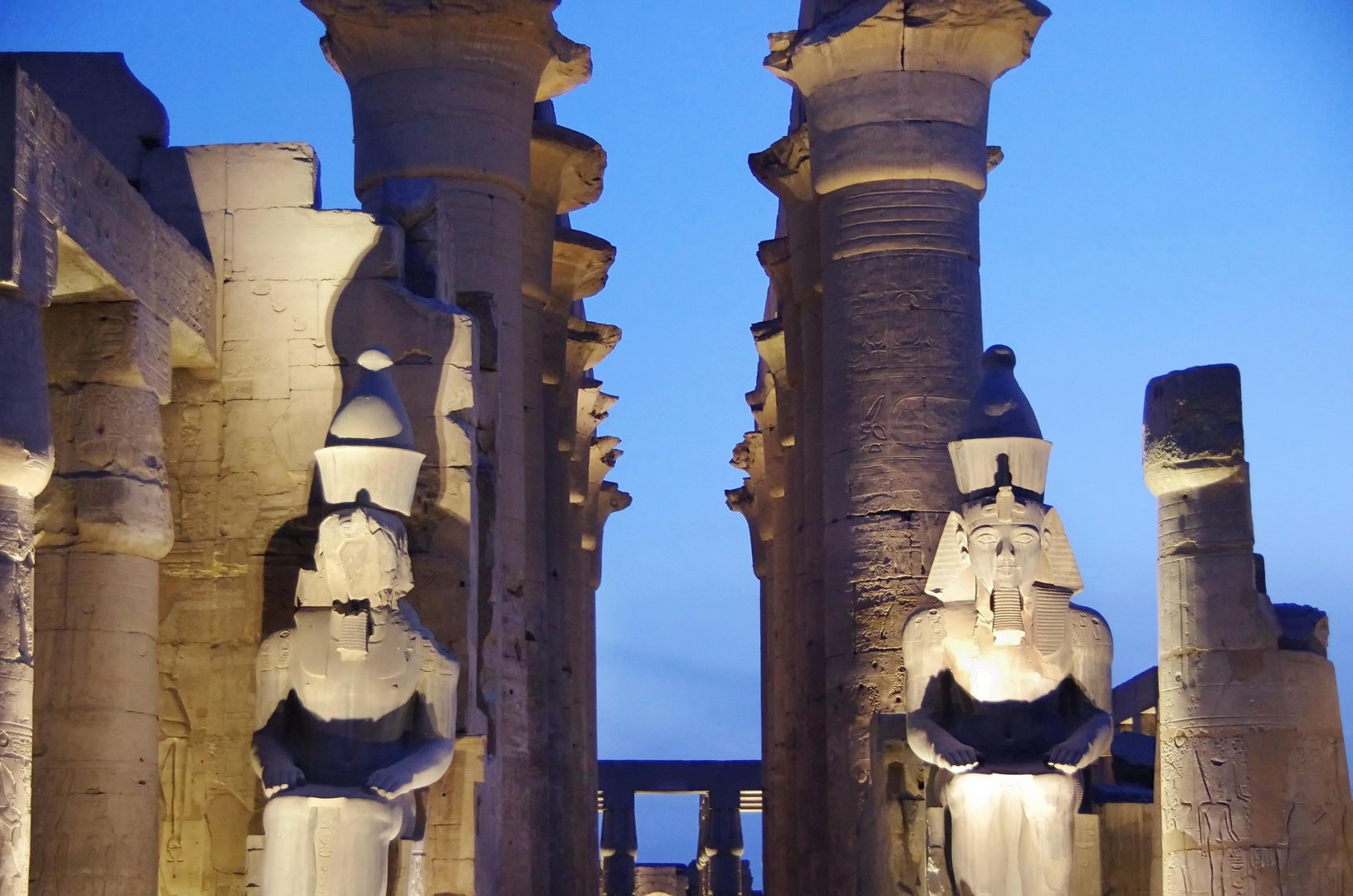
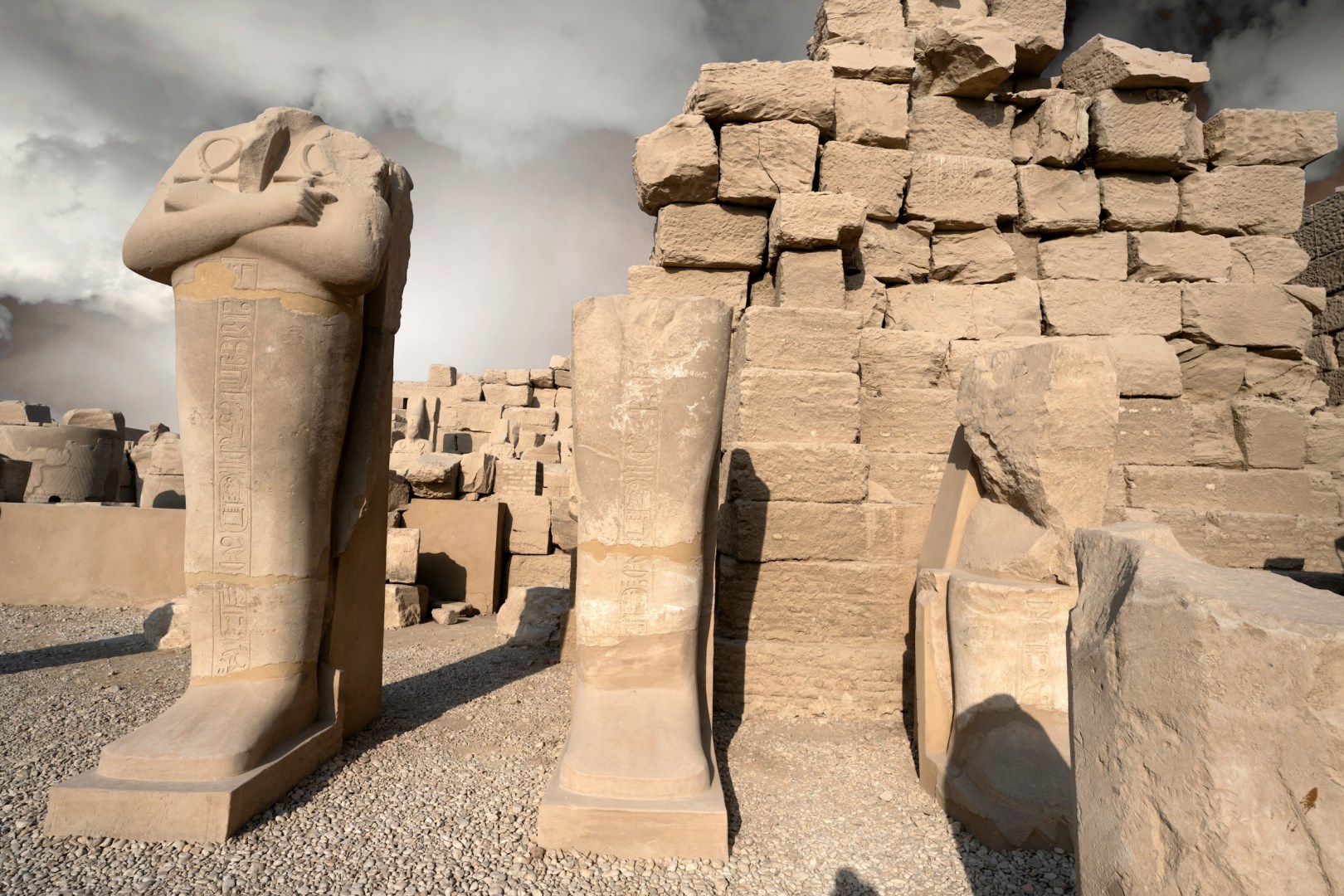
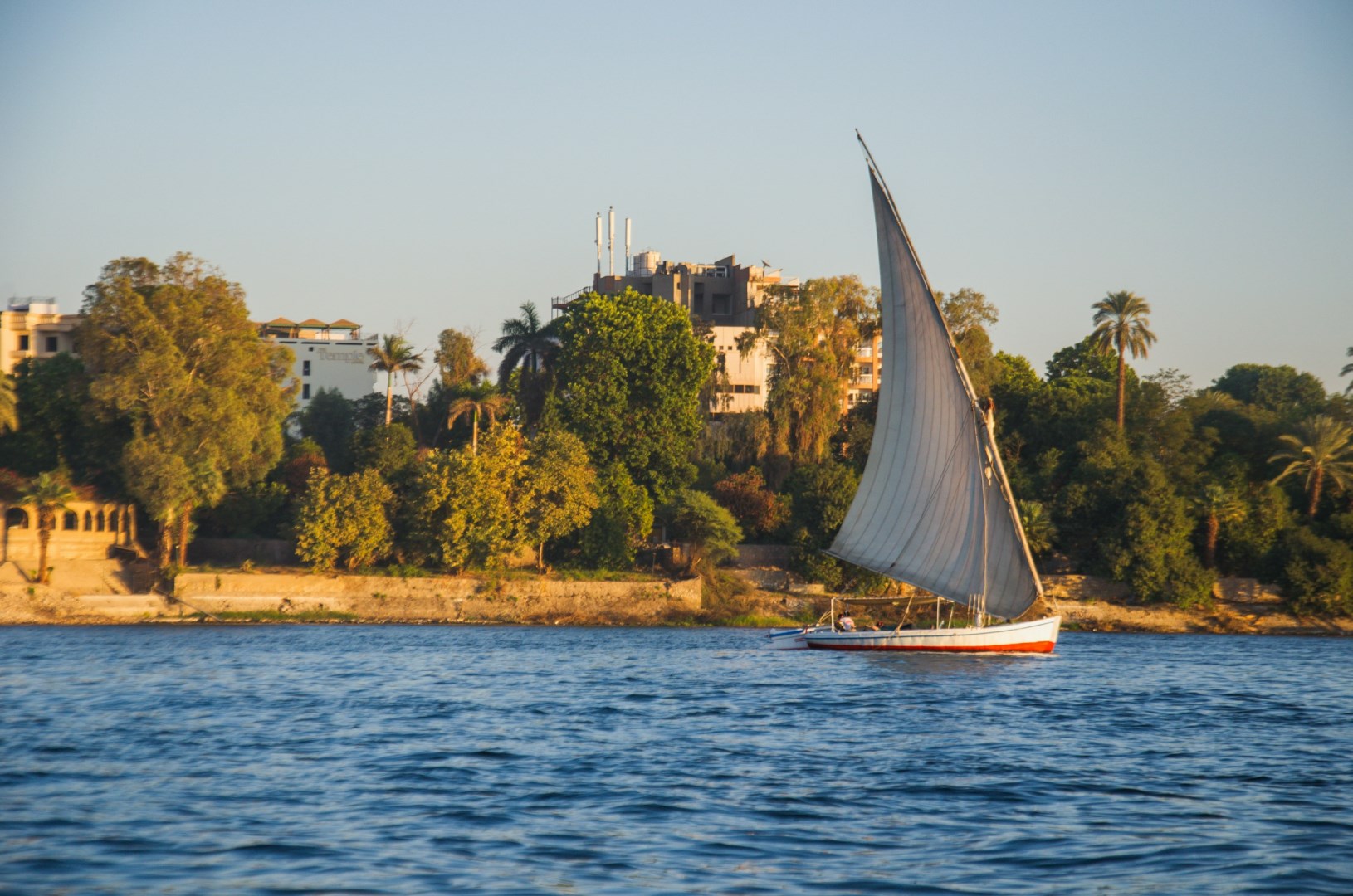
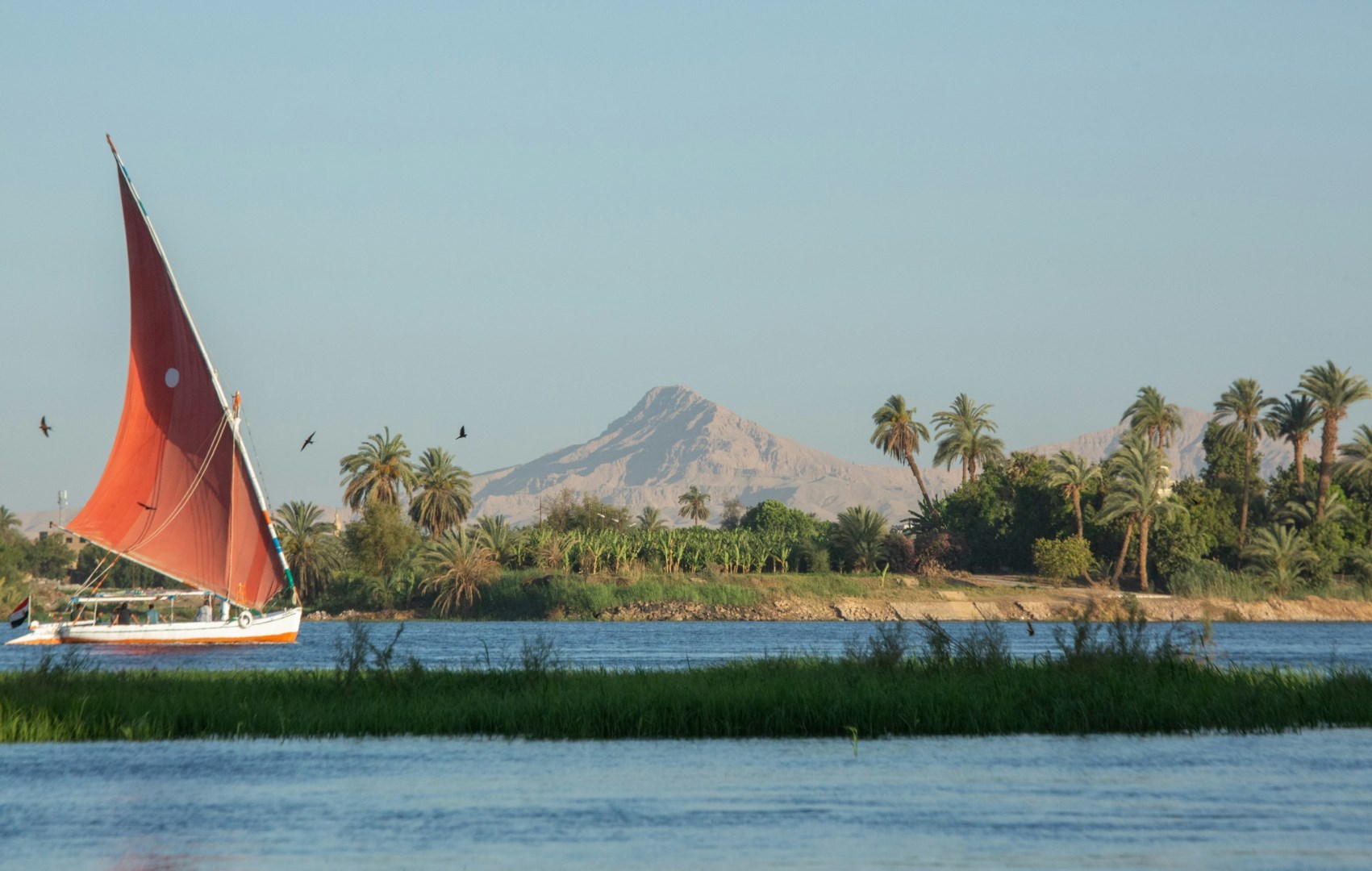
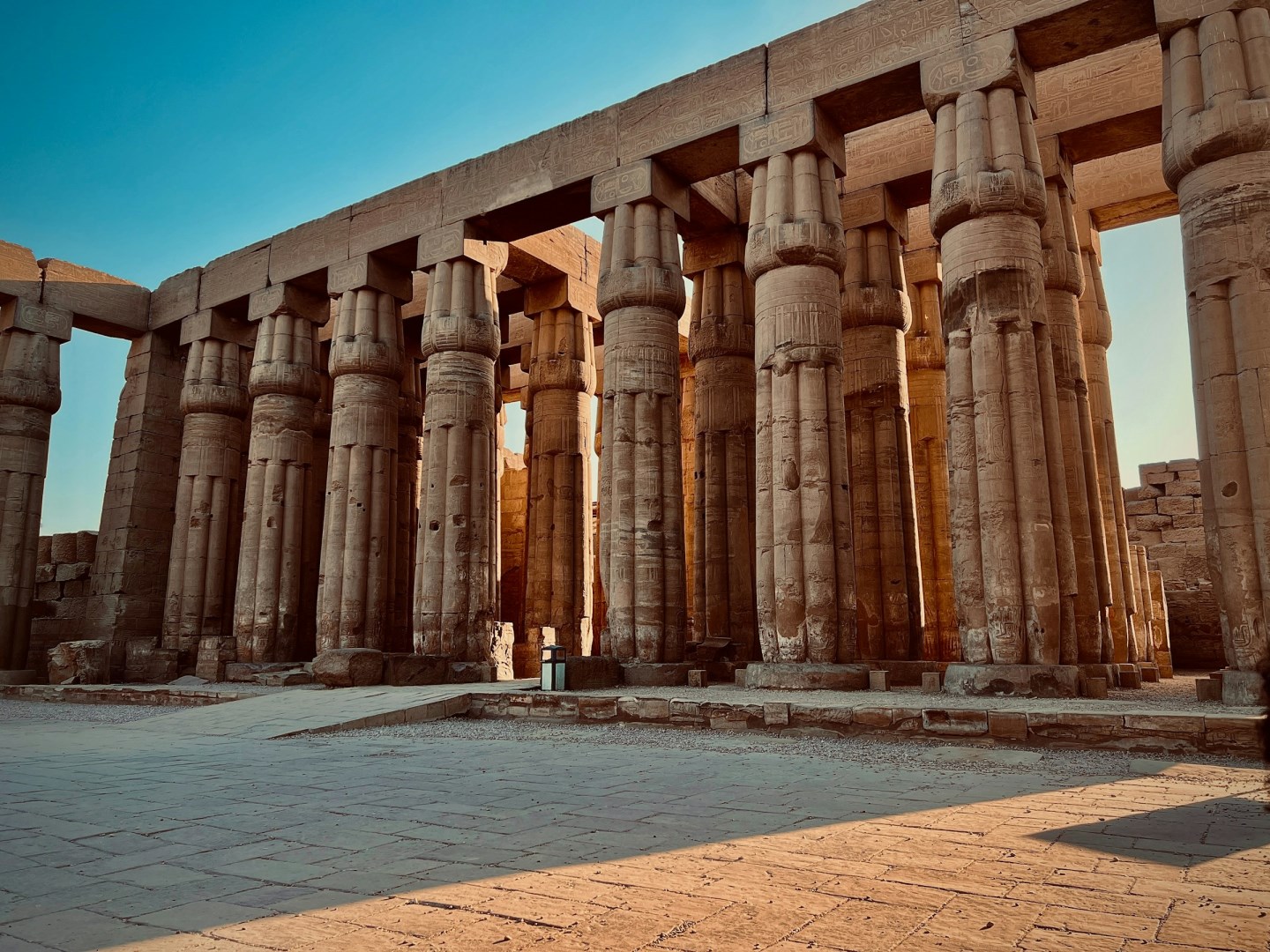
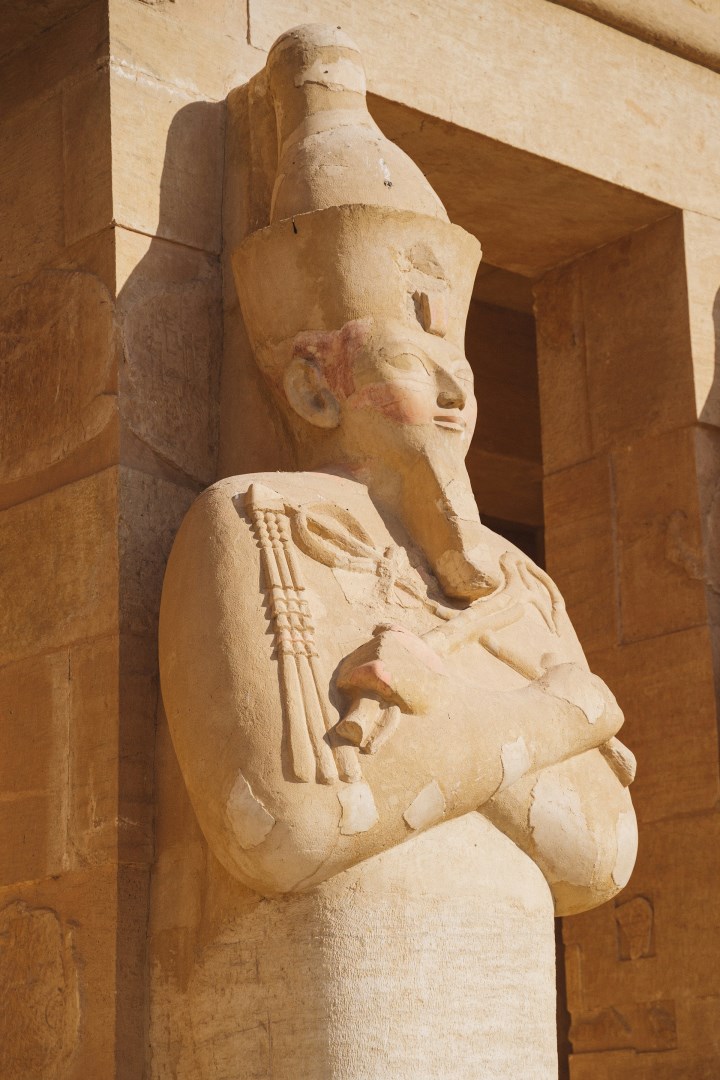
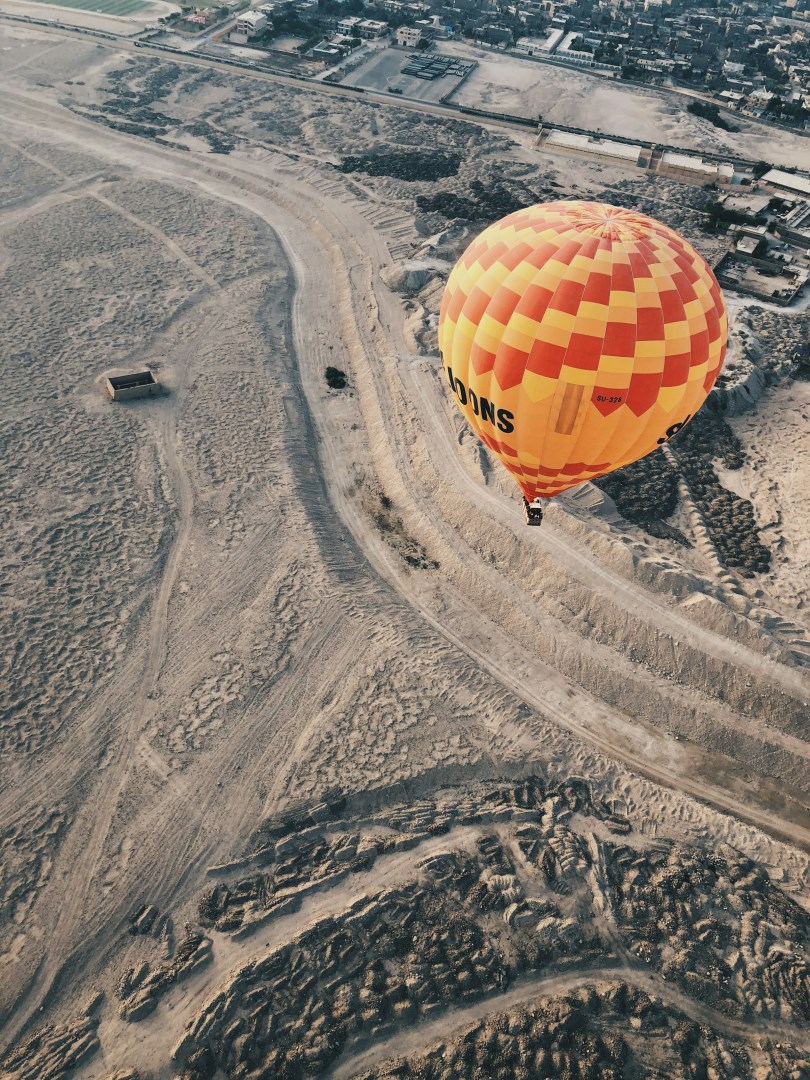
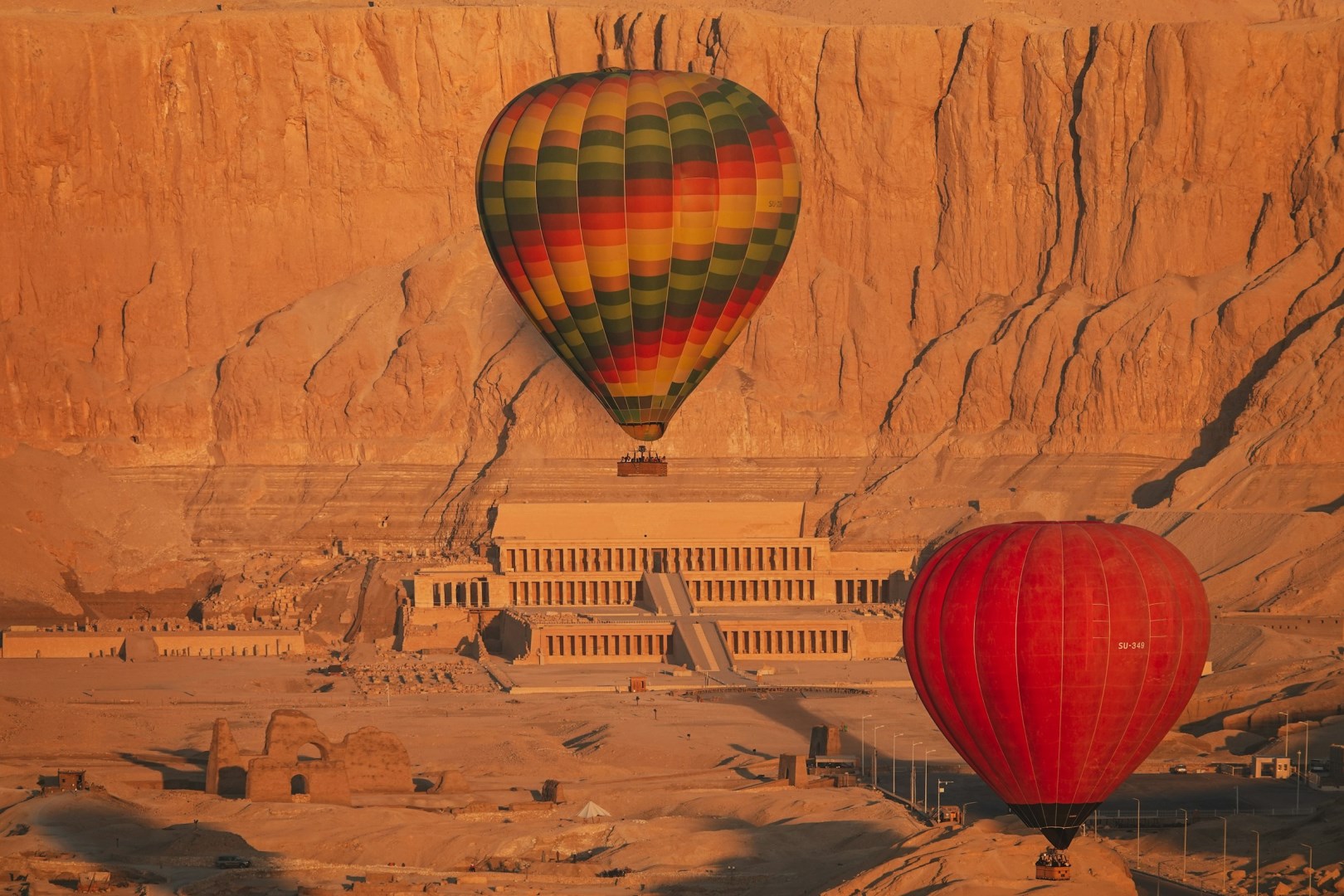
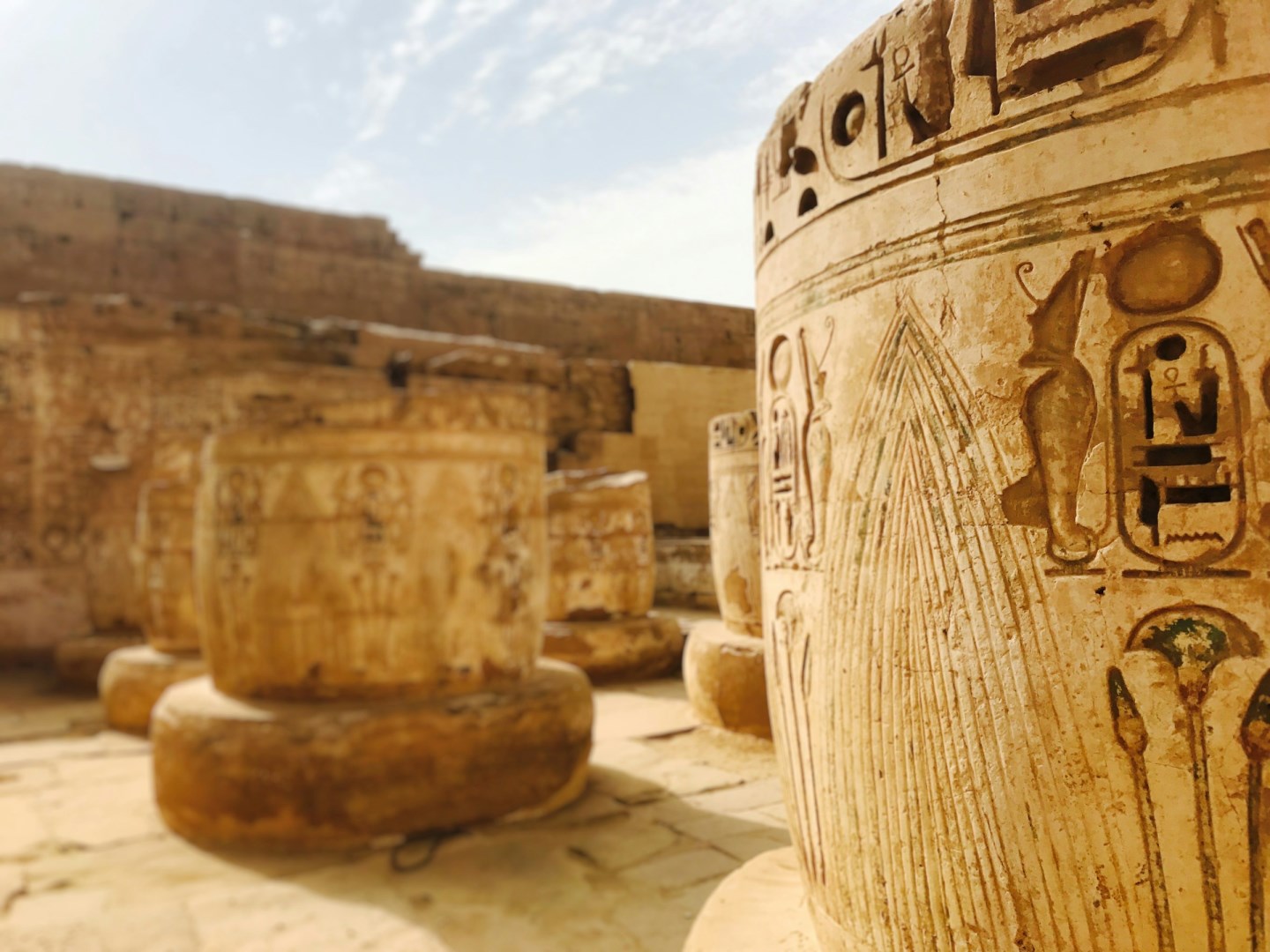
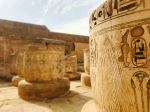
Luxor, often referred to as the world’s greatest open-air museum, is a city where ancient history and breathtaking archaeology converge. Nestled along the eastern bank of the Nile River, Luxor is home to some of the most remarkable and well-preserved relics of ancient Egypt. A visit to the Karnak Temple Complex, an expansive and awe-inspiring site dedicated to the Theban triad of gods, reveals the grandeur of ancient Egyptian architecture and religious practices. The massive columns, obelisks, and the Sacred Lake offer a glimpse into the grandeur of one of the most influential religious centers of ancient Egypt.
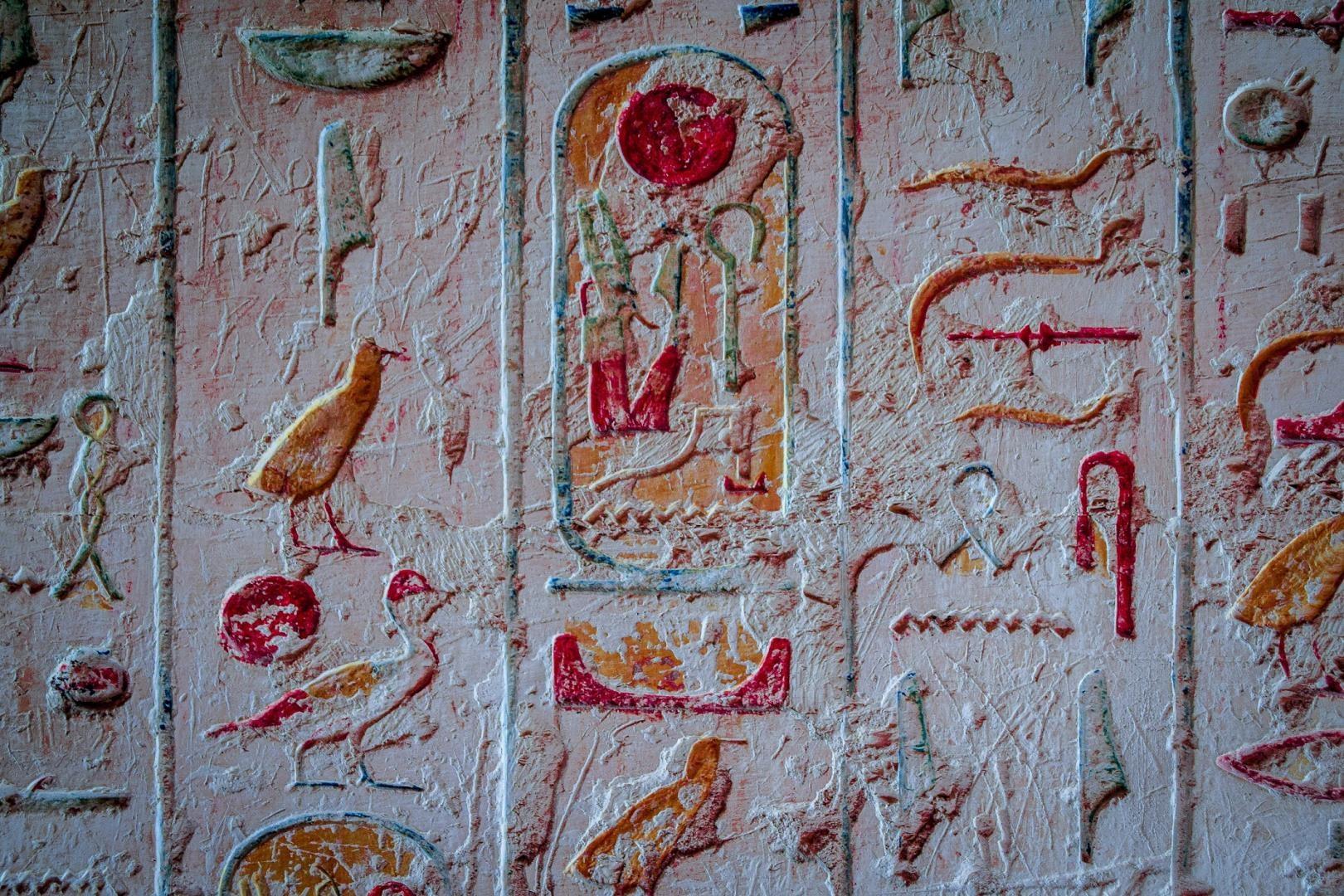
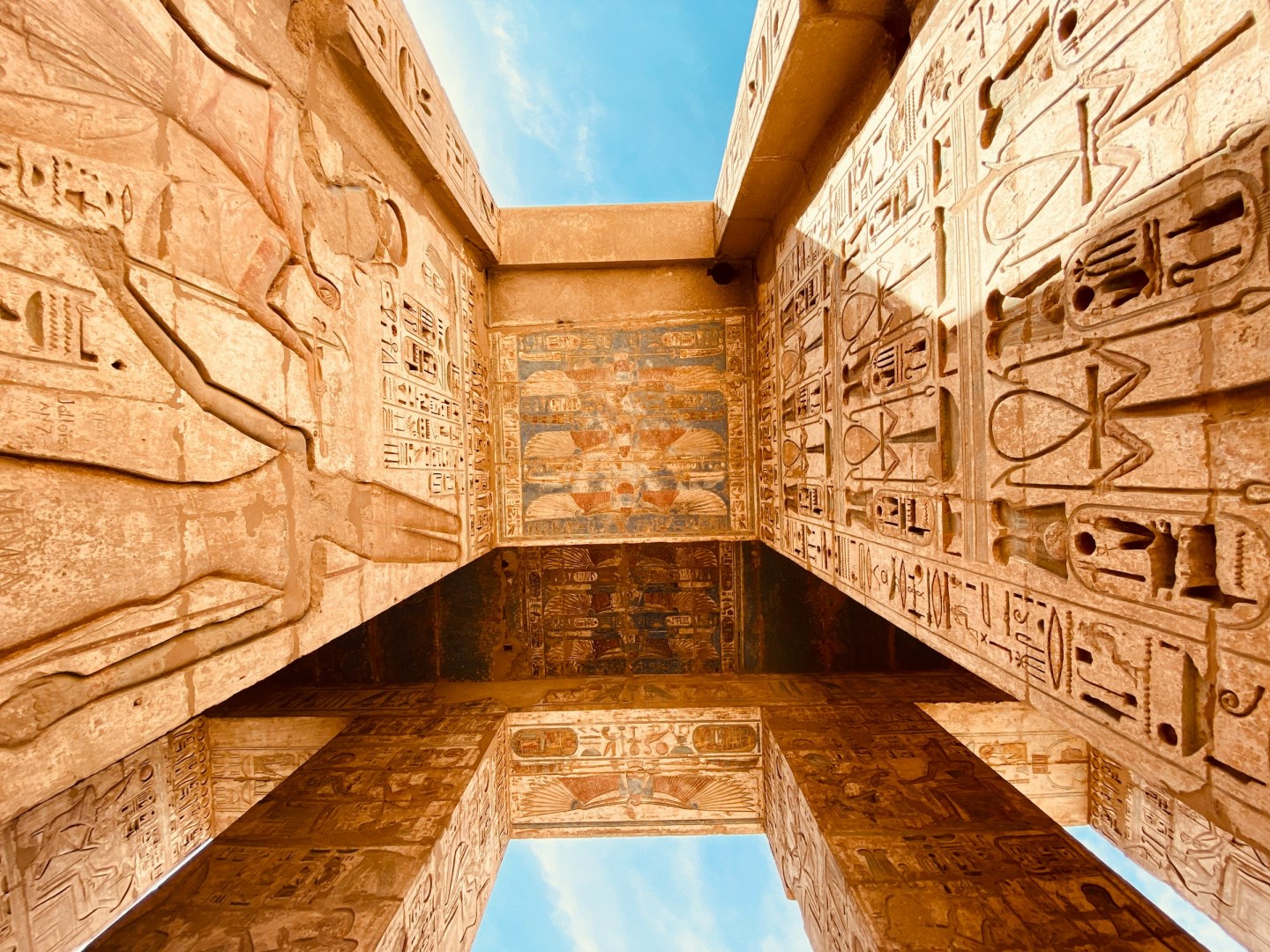
Just a short distance away lies the Valley of the Kings, a necropolis that served as the final resting place for many of Egypt’s pharaohs, including Tutankhamun. The richly decorated tombs, including the famous Tomb of Tutankhamun, provide unparalleled insights into the burial practices and art of ancient Egypt. Visitors can marvel at the intricate wall paintings and hieroglyphs that have been remarkably preserved over millennia.
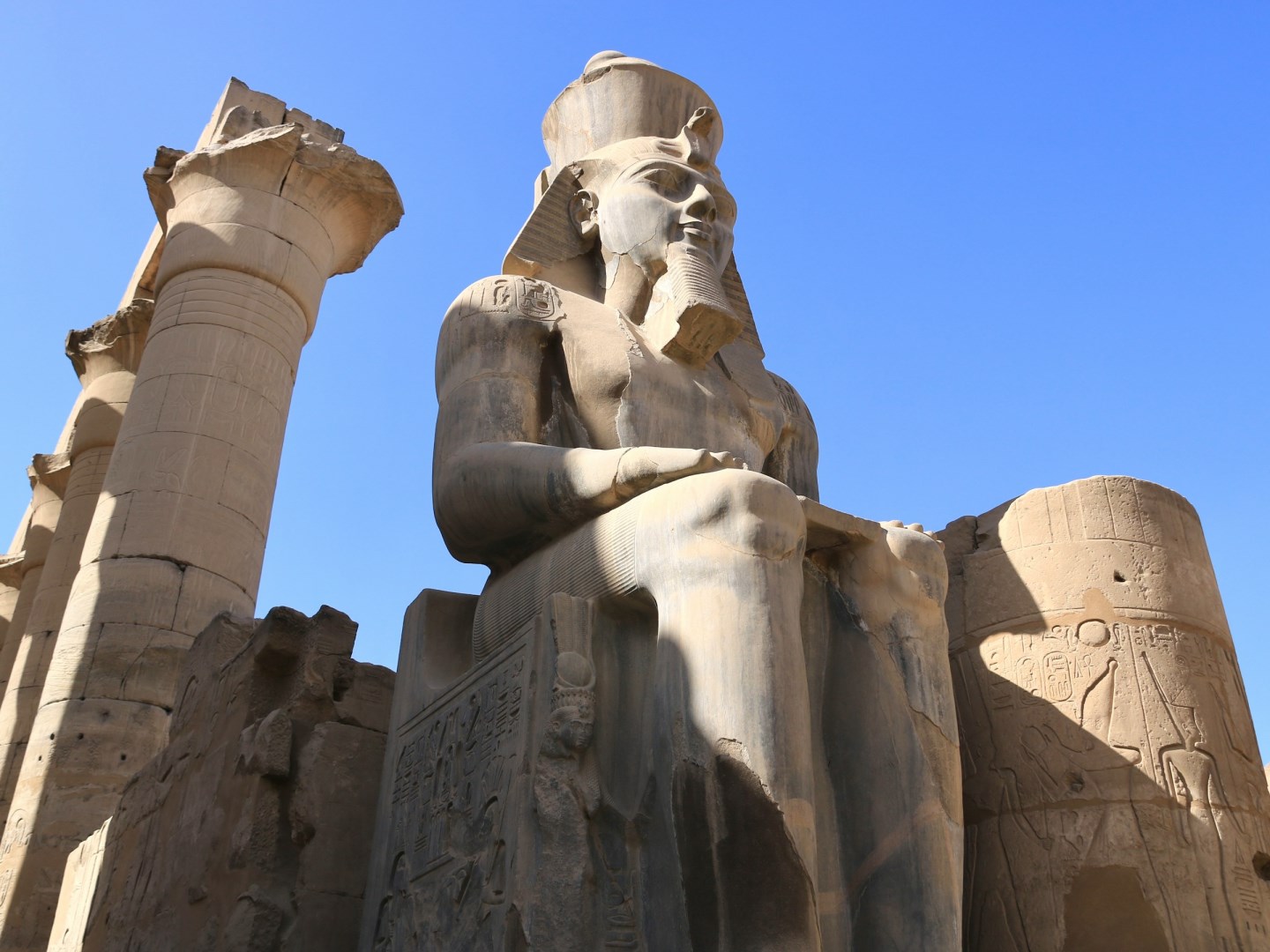
The Temple of Luxor, situated on the city’s main thoroughfare, offers another fascinating glimpse into ancient Egyptian religion and architecture. Originally built by Amenhotep III and later expanded by Ramesses II, this temple stands as a testament to the artistic and architectural achievements of ancient Egypt. The grand avenue of sphinxes that once connected it to Karnak Temple adds to the allure and historical significance of the site.
Fun Fact: Luxor was once known as Thebes and served as the capital of Egypt during the New Kingdom. The city’s rich history and architectural wonders make it a captivating destination for history enthusiasts and travelers alike. For a truly memorable experience, consider visiting Luxor between October and April when the weather is pleasant and ideal for exploring its ancient treasures.