Libya
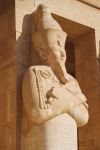
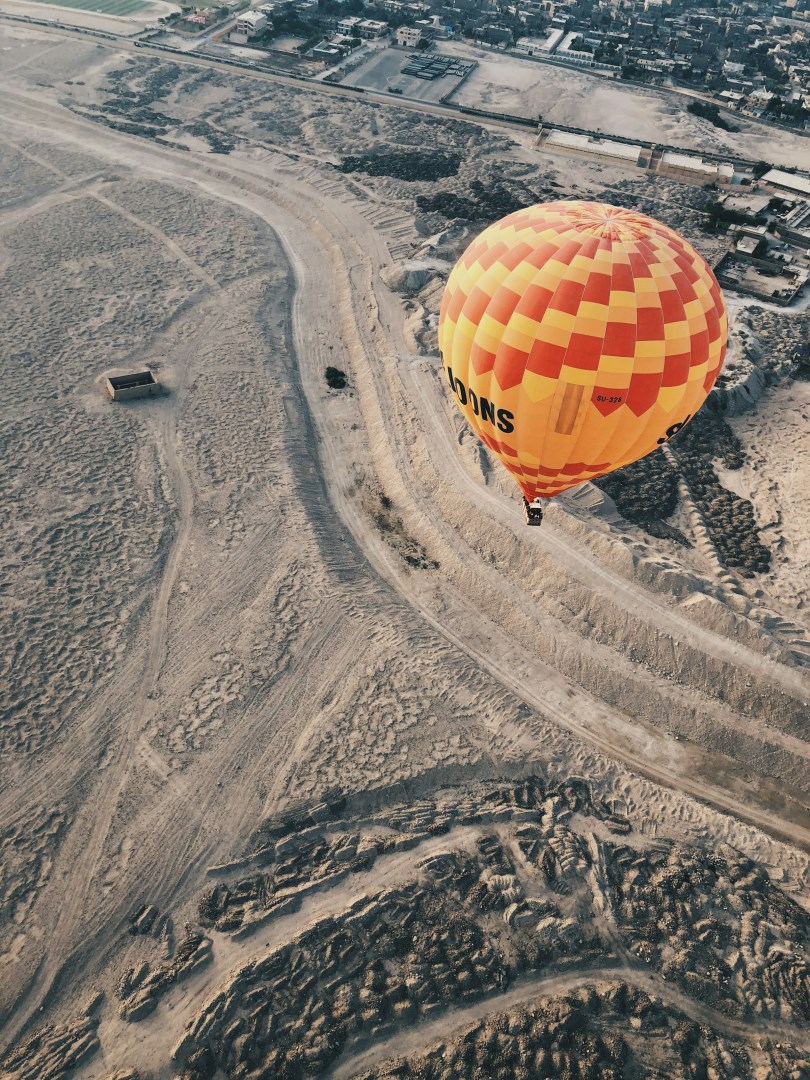
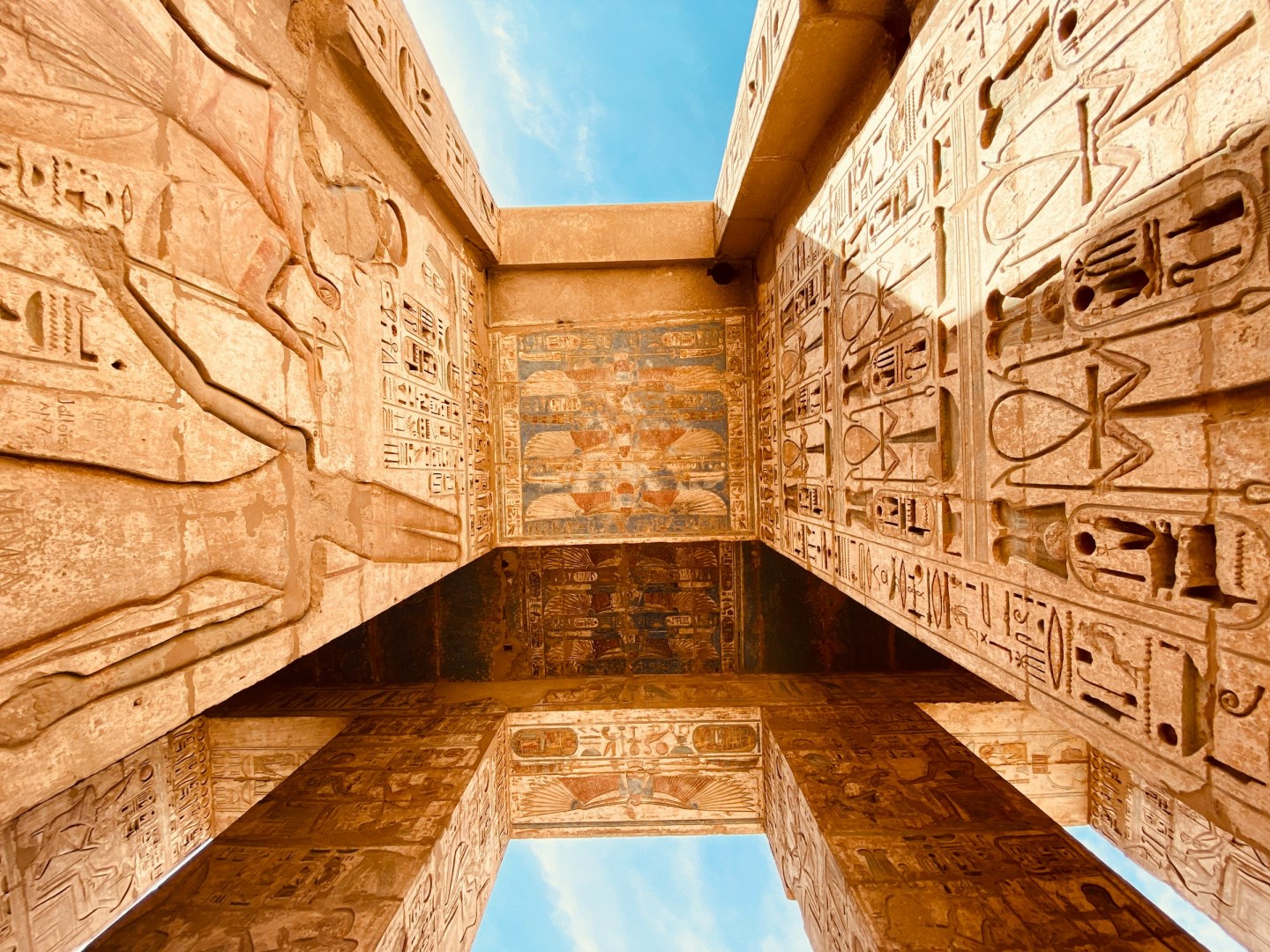
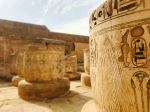
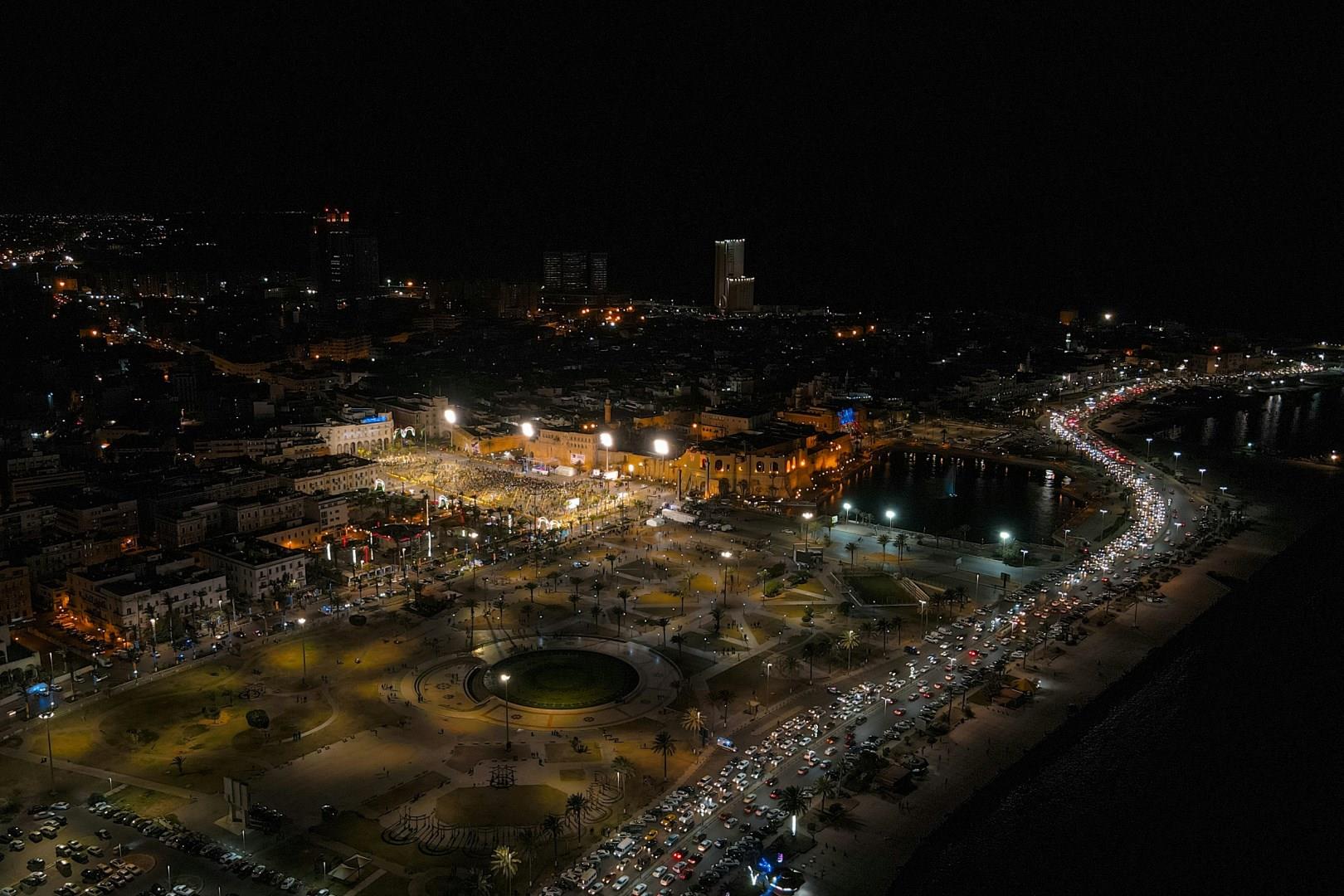
Libya, located in North Africa along the Mediterranean coast, is a country of vast deserts, ancient history, and dramatic landscapes. Much of its terrain is dominated by the Sahara Desert, with sand dunes, rocky plateaus, and oases shaping life across the country.
Loreto
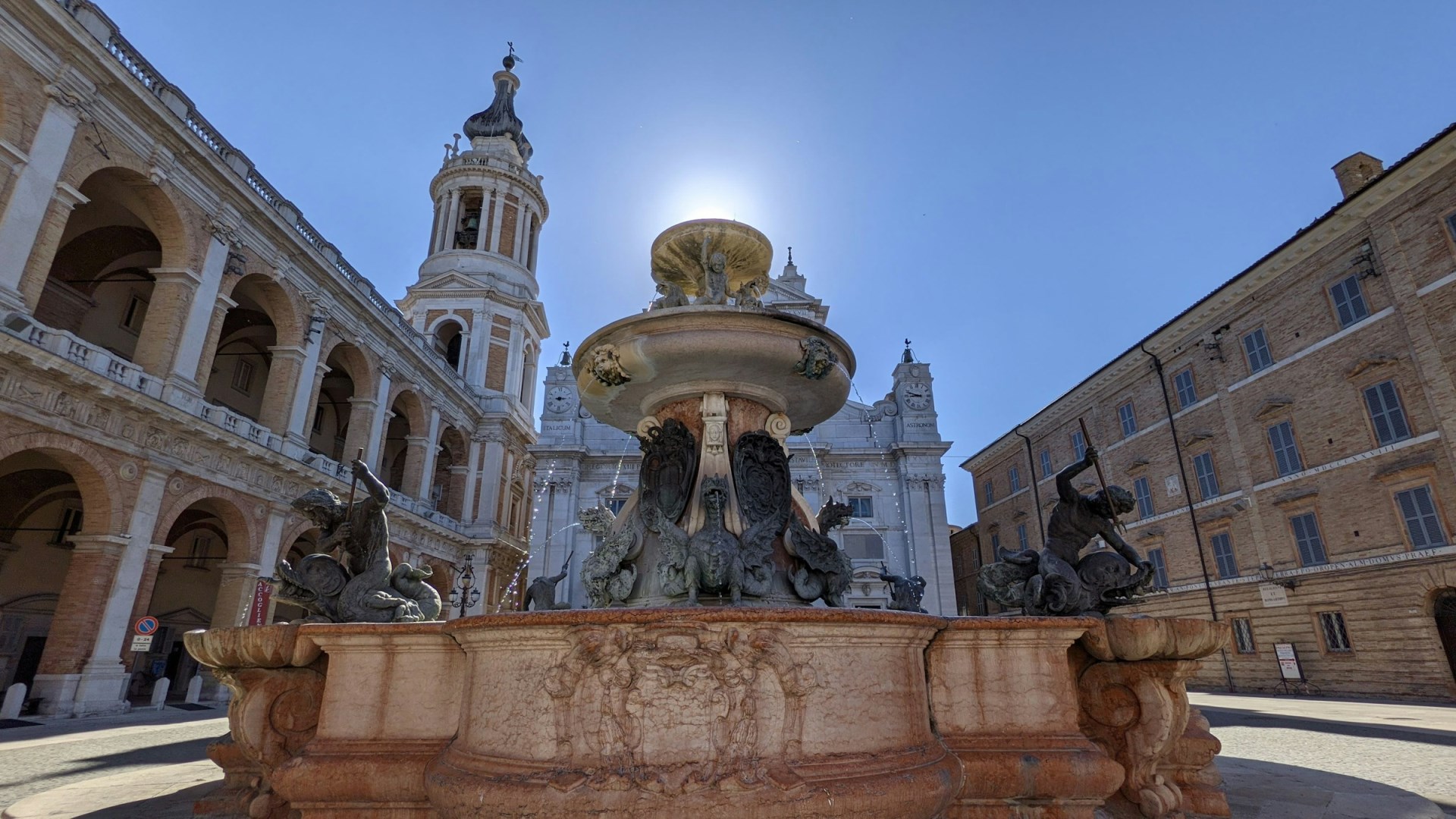
High on a hill, dominating the sea, Loreto is a small city that lives solely for the "Santa Casa", one of the most famous and revered monuments of Christianity. According to tradition, it was the Virgin Mary's birth house, which up until that time was kept intact and venerated in Palestine, then flown by angels from Nazareth to the Adriatic Coast and set on a green hill of laurels on the night of December 10, 1294; hence the name Loreto.
Coos Bay
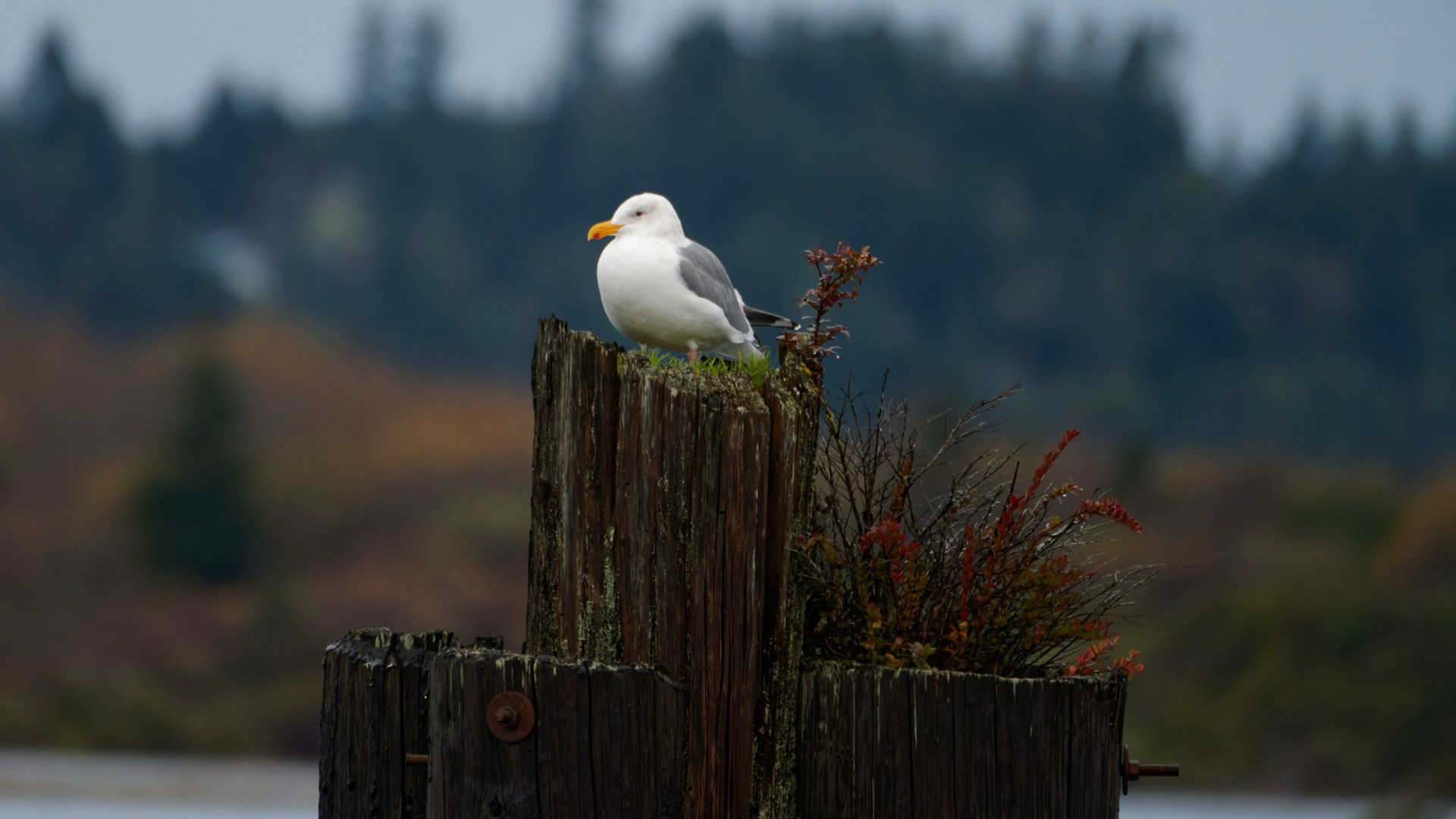
Coos Bay is the Coast's largest urban community and a major wood products shipping center, thanks to the deepest harbor between San Francisco and Puget Sound. In addition to museums, shops and theaters, Coos Bay is well known for its myrtlewood and diverse activities in beautiful surroundings. Visit the Coos Art Museum; fish for chinook and coho salmon in the Coos River or the ocean; take a drive out to Golden and Silver Falls State Park.
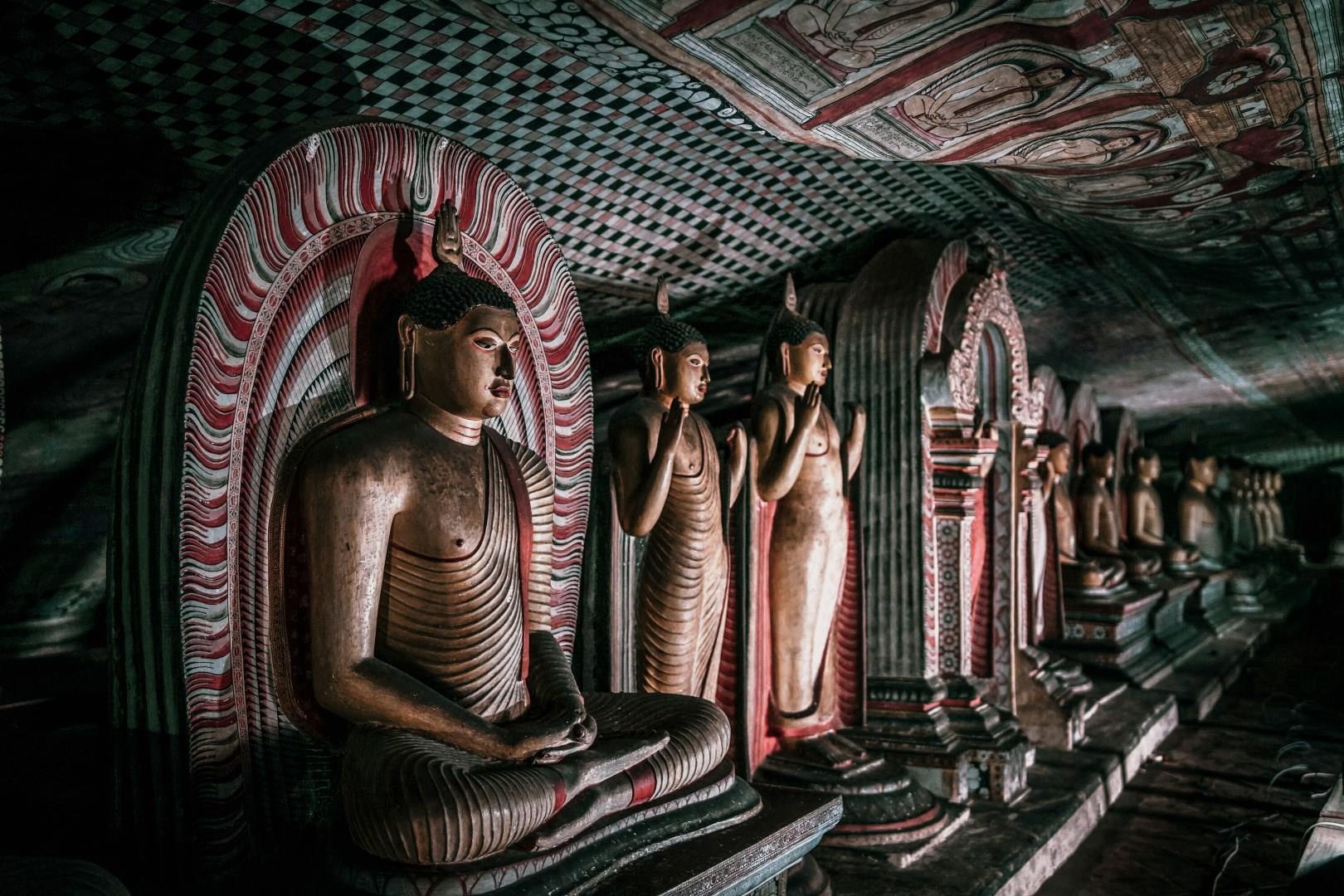
Dambulla
Dambulla, situated in the Central Province of Sri Lanka, is best known for its rock temple complex that has been in use for over two thousand years. The Dambulla Cave Temple, also called the Golden Temple of Dambulla, is made up of five caves carved into a granite outcrop, filled with over 150 Buddha statues and intricate wall paintings. These caves were first used by King Valagamba in the 1st century BCE as a refuge during exile, and later transformed into a sacred site.

Gobi Desert
The Gobi Desert, spanning across northern China and southern Mongolia, is one of the world’s most iconic and mysterious landscapes. Known for its vast stretches of arid plains, towering sand dunes, and rugged mountains, the Gobi offers a stark, breathtaking beauty that has captivated explorers and travelers for centuries.