

Grundarfjörður
Situated on the north coast of the Snæfellsnes peninsula between a mountain range and the sea is the small town of Grundarfjordur, Iceland. Though certainly now the most well-known town on the peninsula, its nearby mountain Kirkjufell ("church mountain" in Icelandic) is perhaps Iceland's most famous.
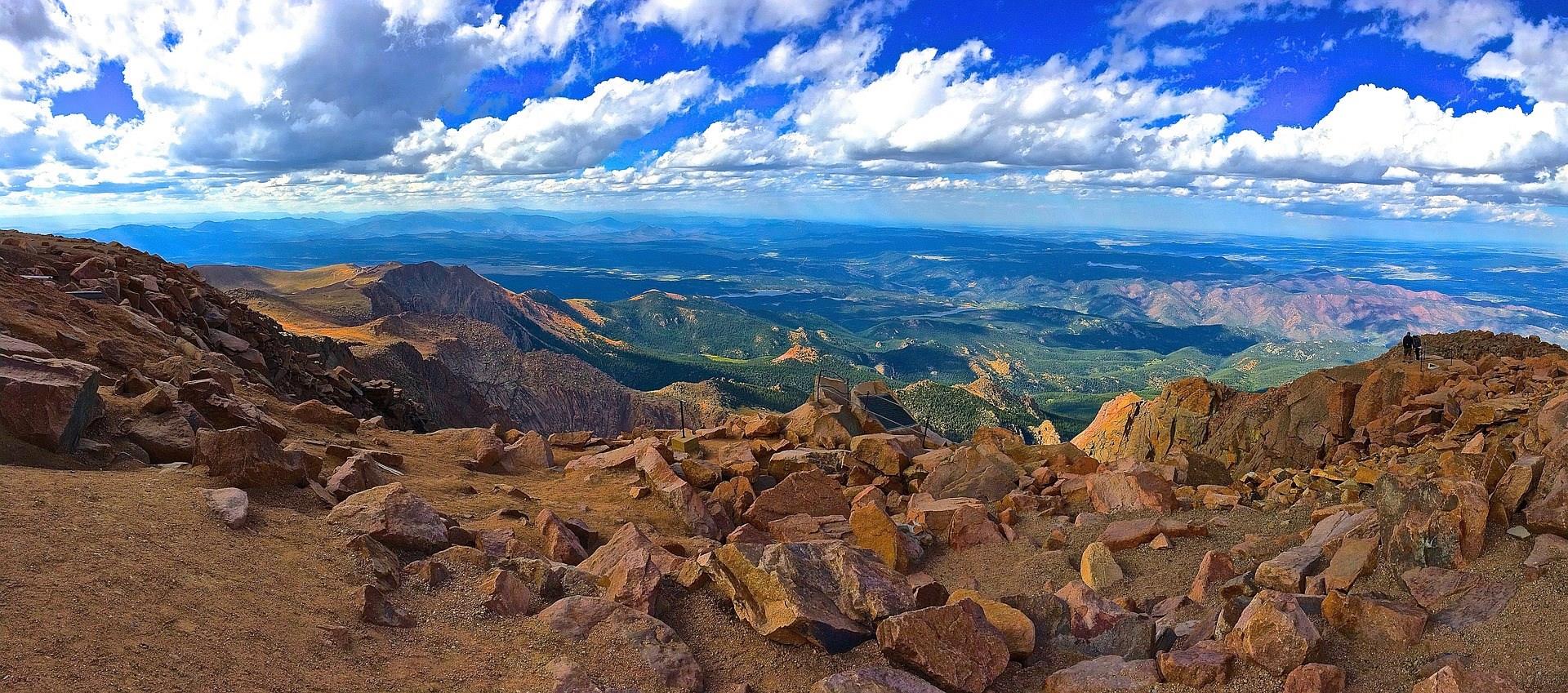
Pike's Peak
Pikes Peak, located in the heart of Colorado's Rocky Mountains, offers visitors an awe-inspiring natural experience. The Pikes Peak Highway, which ascends to the summit, allows travelers to reach the top by car, making it a popular choice for those looking to experience high-altitude vistas without the strenuous hike.

Rhode Island
Rhode Island may be the smallest state in the U.S., but it offers an outsized variety of experiences, from colonial history to coastline escapes. Founded in 1636 by Roger Williams as a haven for religious freedom, the state still reflects its independent spirit. In Providence, travelers can visit the John Brown House Museum to explore the city’s role in early American commerce, or walk Benefit Street, lined with preserved 18th- and 19th-century homes.
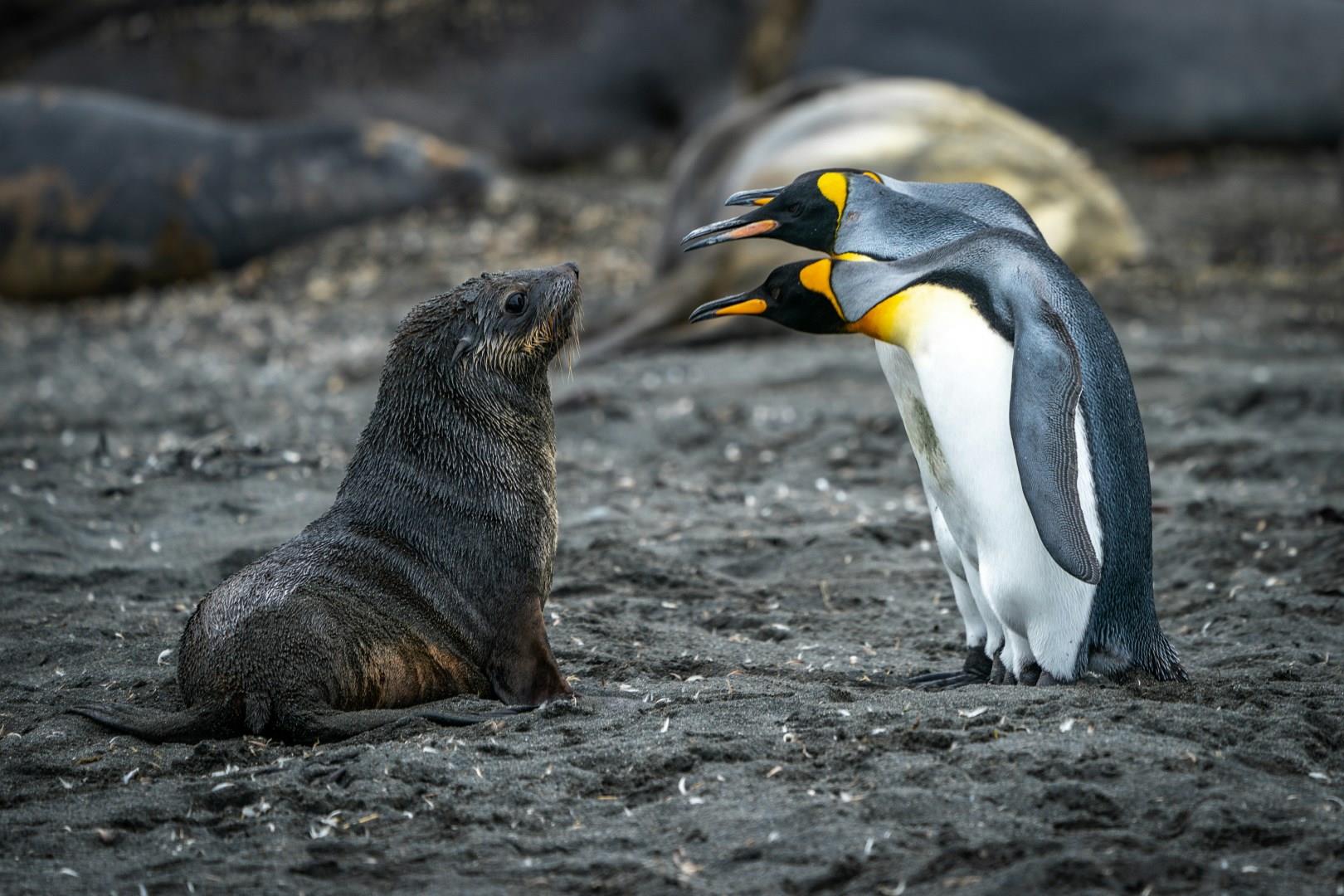
South Sandwich Islands
The South Sandwich Islands are among the most remote places on Earth, a chain of volcanic peaks rising from the Southern Ocean, over 1,300 kilometers southeast of South Georgia. With no permanent residents, no ports, and no infrastructure, these islands remain untouched by tourism in the conventional sense. What they offer instead is a rare glimpse into one of the planet’s most extreme and least disturbed environments.

Sisimiut
Sisimiut, Greenland's second-largest city, offers a captivating glimpse into Arctic life and stunning natural beauty. Nestled on the shores of the Davis Strait, Sisimiut is renowned for its striking landscapes and rich cultural heritage.


