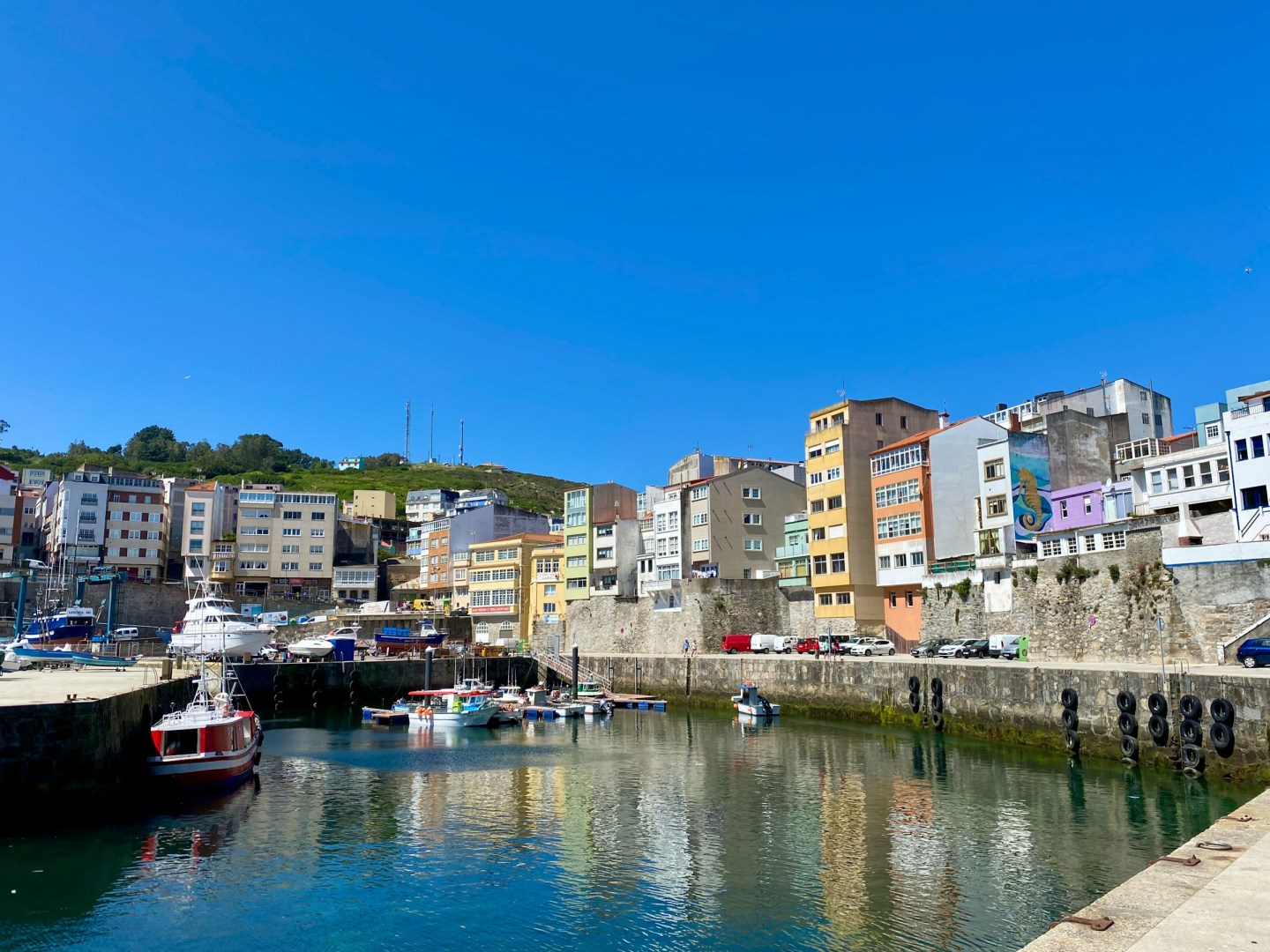
Barranquilla sits near the mouth of the Magdalena River on Columbia's Caribbean side. It is a major seaport and a center of commerce, but everyone breaks loose for four days in February for one of the liveliest carnivals outside of Rio.

Chyulu Hills National Park lies in southeastern Kenya between Amboseli and Tsavo, forming a long range of volcanic hills covered by grassland, shrubland, and patches of montane forest. The hills rise from the surrounding plains and are shaped by relatively recent volcanic activity, with lava flows, cones, caves, and other geological features visible across the landscape.
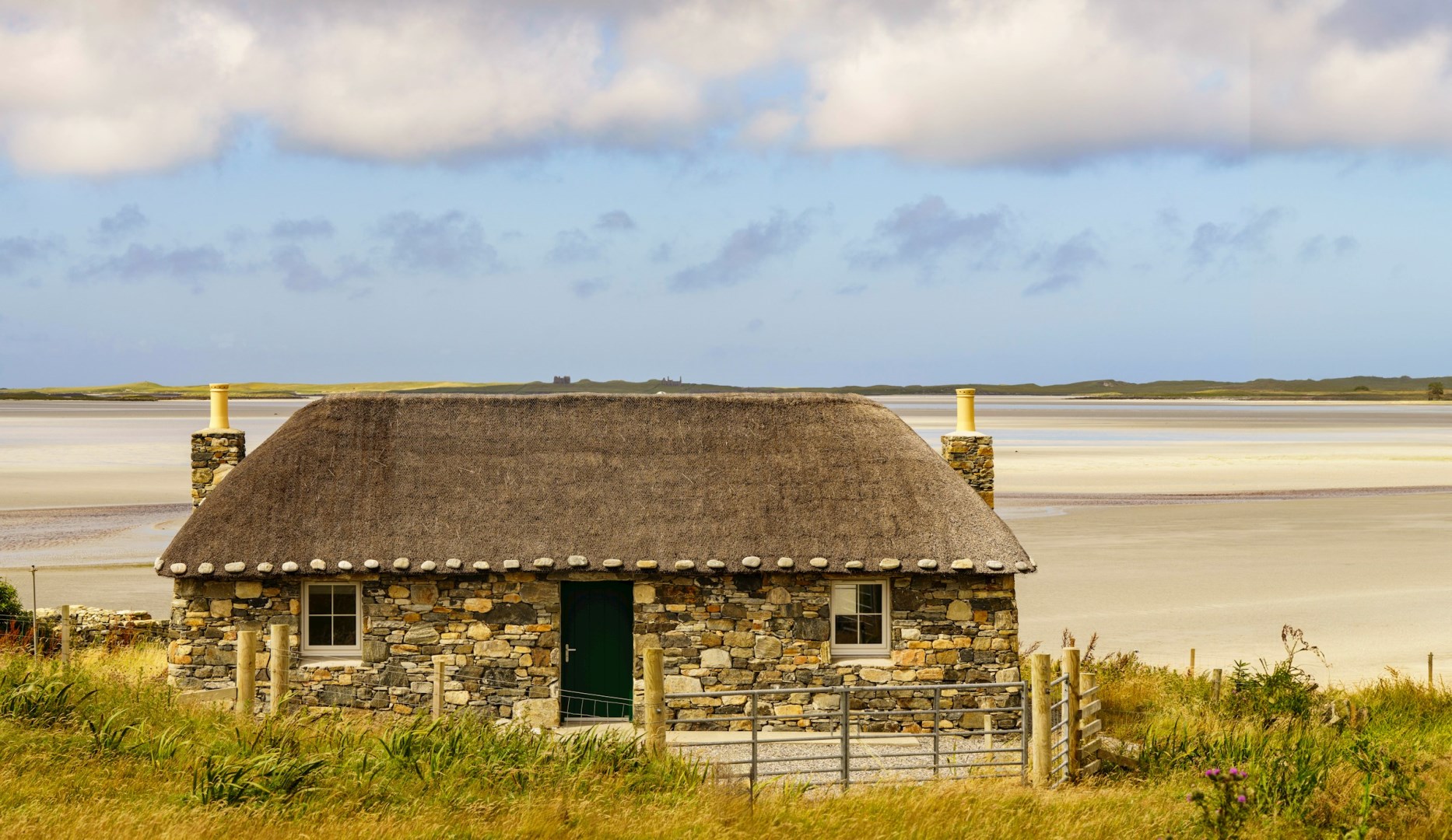
The Outer Hebrides form a long chain of more than 70 islands off Scotland’s northwest coast, stretching from Lewis and Harris through the Uists to Barra and Vatersay. The islands are linked by ferries, bridges, and causeways, but each has a distinct landscape and community character. Stornoway on Lewis is the principal town and a center for local administration, arts, and commerce.
Port Moresby sits by the Coral Sea as Papua New Guinea’s capital and shows visitors a city of contrasts where glittering new buildings rise beside traditional villages built on stilts. One such place is Hanuabada, the original Motuan village, where roofs reach above water’s edge and everyday life still unfolds in Tok Pisin and local tongue.
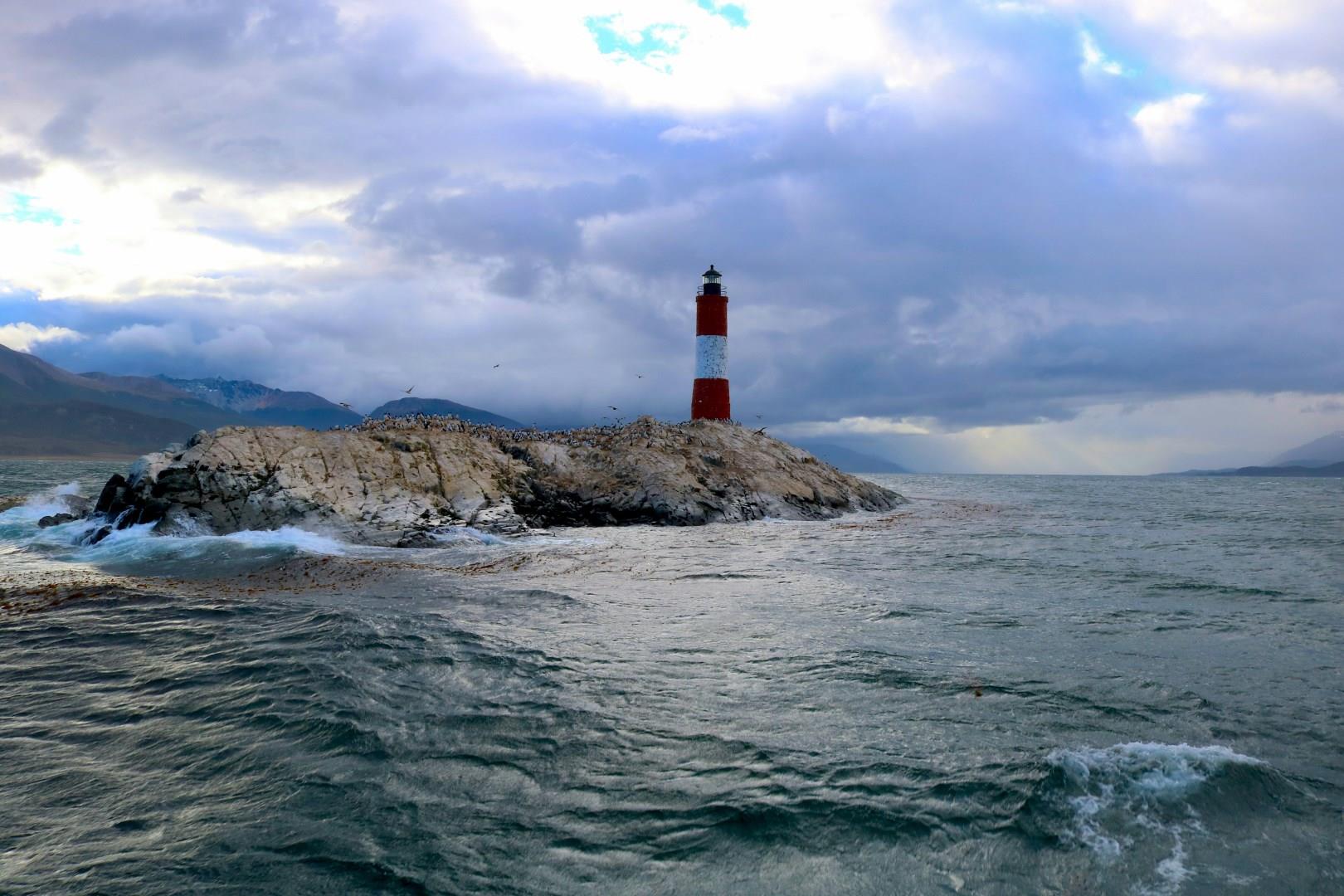
The Beagle Channel, at the southern tip of South America, stretches between Chile and Argentina and offers one of the most striking maritime landscapes in the world. This narrow passage, framed by snow-covered peaks and rocky islands, connects the Atlantic and Pacific Oceans. Its waters are calm compared to the open sea, which has made it a historic navigation route for explorers and sailors for centuries.
Photo Credit: Photo by Eduardo Fernández on Unsplash
Faro de A Coruña
Photo Credit: Photo by Manuel Torres Garcia on Unsplash
Photo Credit: Photo by Robert Jan Schokking on Unsplash
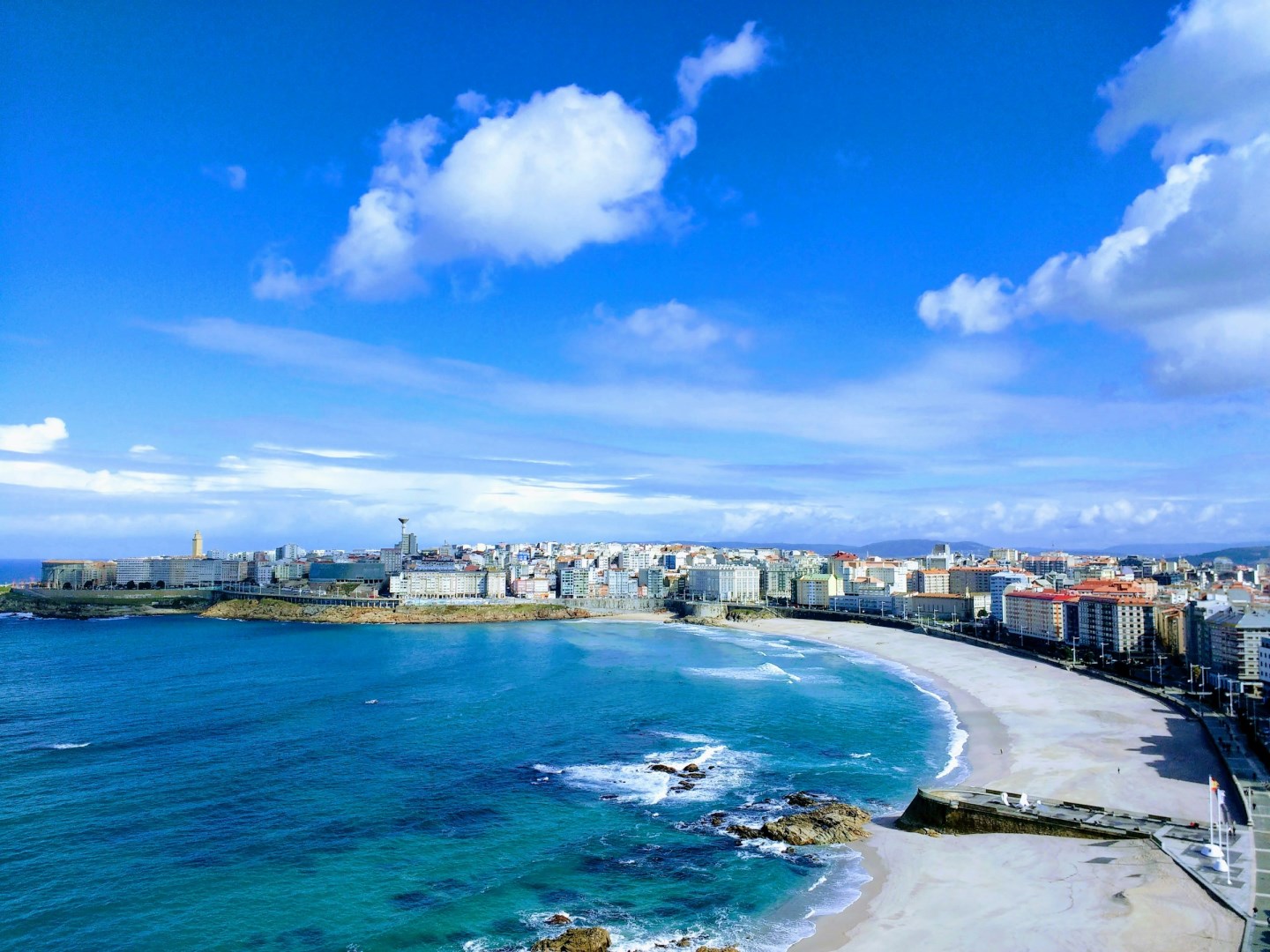
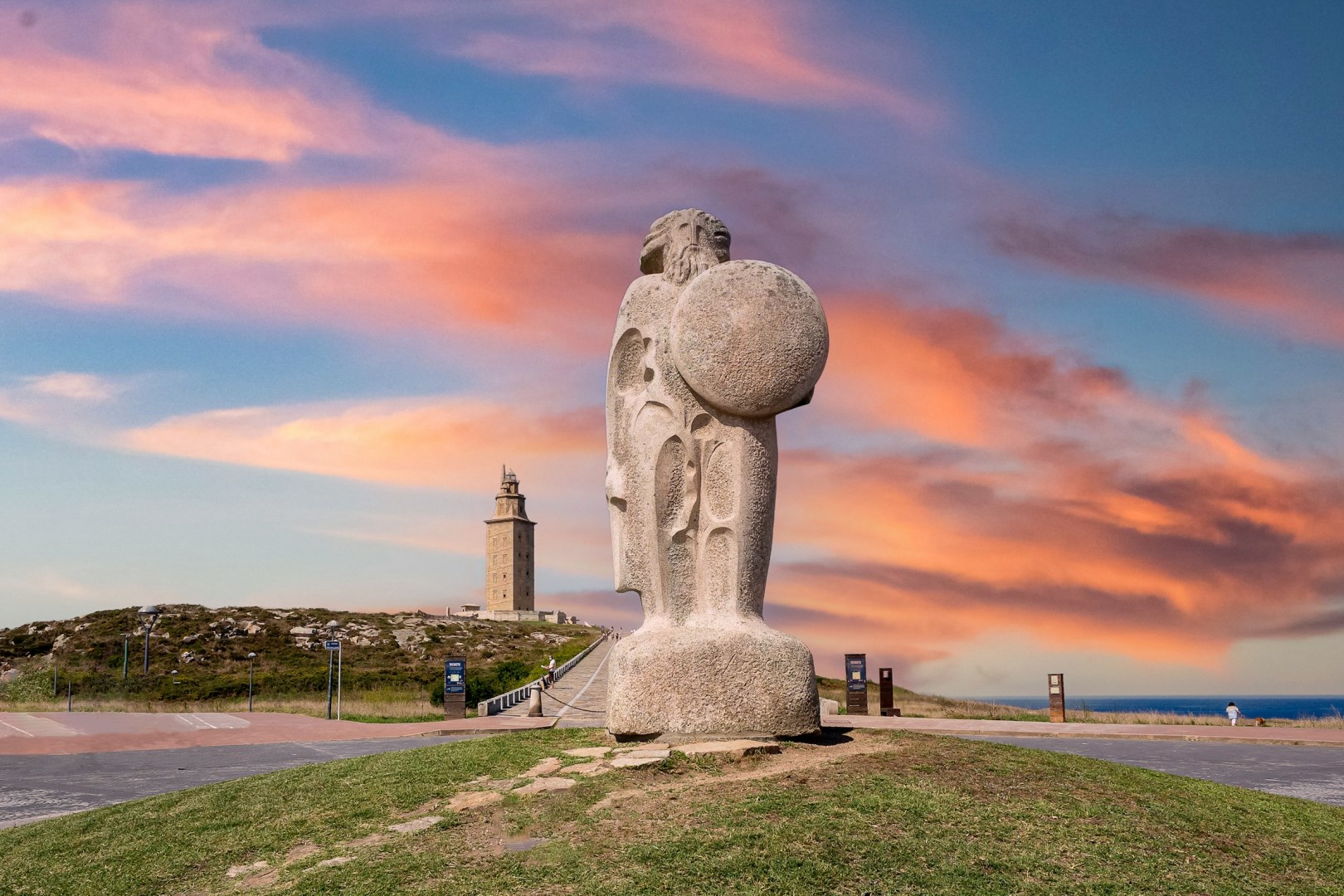
Perched on the northern coast of Spain, A Coruña (or La Coruña) is a captivating city with a rich maritime heritage and scenic beauty. Dominated by its iconic lighthouse, the Torre de Hércules, which is the oldest functioning lighthouse in the world, A Coruña offers a unique glimpse into ancient engineering. The Torre de Hércules, a UNESCO World Heritage Site, stands as a beacon of the city's historical and cultural significance source.
A Coruña's charm extends to its bustling Old Town, where you can wander through picturesque streets lined with colorful Galician buildings and traditional tapas bars. The Plaza de María Pita, named after the local heroine who defended the city from English invaders, serves as the heart of the city’s social life and features impressive architectural landmarks like the City Hall source. Don’t miss a stroll along the scenic promenade that encircles the city, offering panoramic views of the Atlantic Ocean and the rugged coastline source.
For nature enthusiasts, A Coruña provides easy access to the stunning beaches of Riazor and Orzán, ideal for sunbathing and water sports. The city is also a gateway to the lush green landscapes of Galicia, with numerous trails and parks such as the beautiful Monte de San Pedro, which offers spectacular views over the city and the sea source.
Slogan: "A Coruña: Where Ancient Legends Meet Atlantic Breezes."
Fun Fact: A Coruña is famous for its "meigas" or witches, a nod to the region’s rich folklore and magical traditions source.
Visiting A Coruña in the spring or early fall provides the best weather for exploring its outdoor attractions and enjoying its cultural events with fewer crowds.
Other Popular Destinations in Spain
Barcelona
To visit Barcelona is to embrace both the past and the future. There is much to do and see in this cosmopolitan capital of Catalonia, from medieval structures to beaches to UNESCO Heritage Sites by Antoni Gaudí and Lluís Doménech i Montaner.
Seville
Must-sees in Seville include the landmark palace Royal Alcázar of Seville, the Gothic, bell-towered Catedral de Sevilla, and Plaza de España, an architectural marvel with Moorish, Baroque and Renaissance influences. Meanwhile, Museo del Baile Flamenco is the place to learn about flamenco dancing culture.