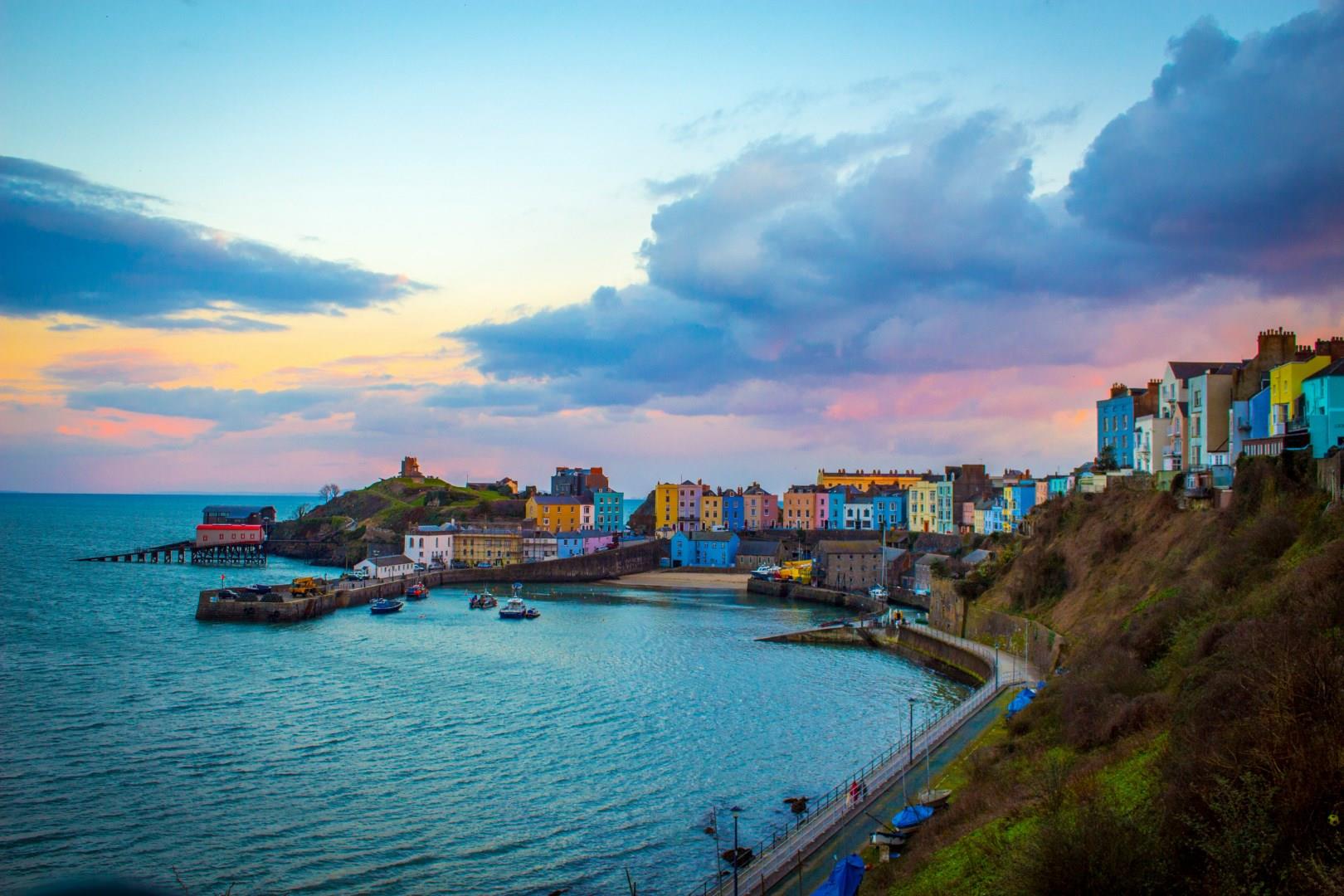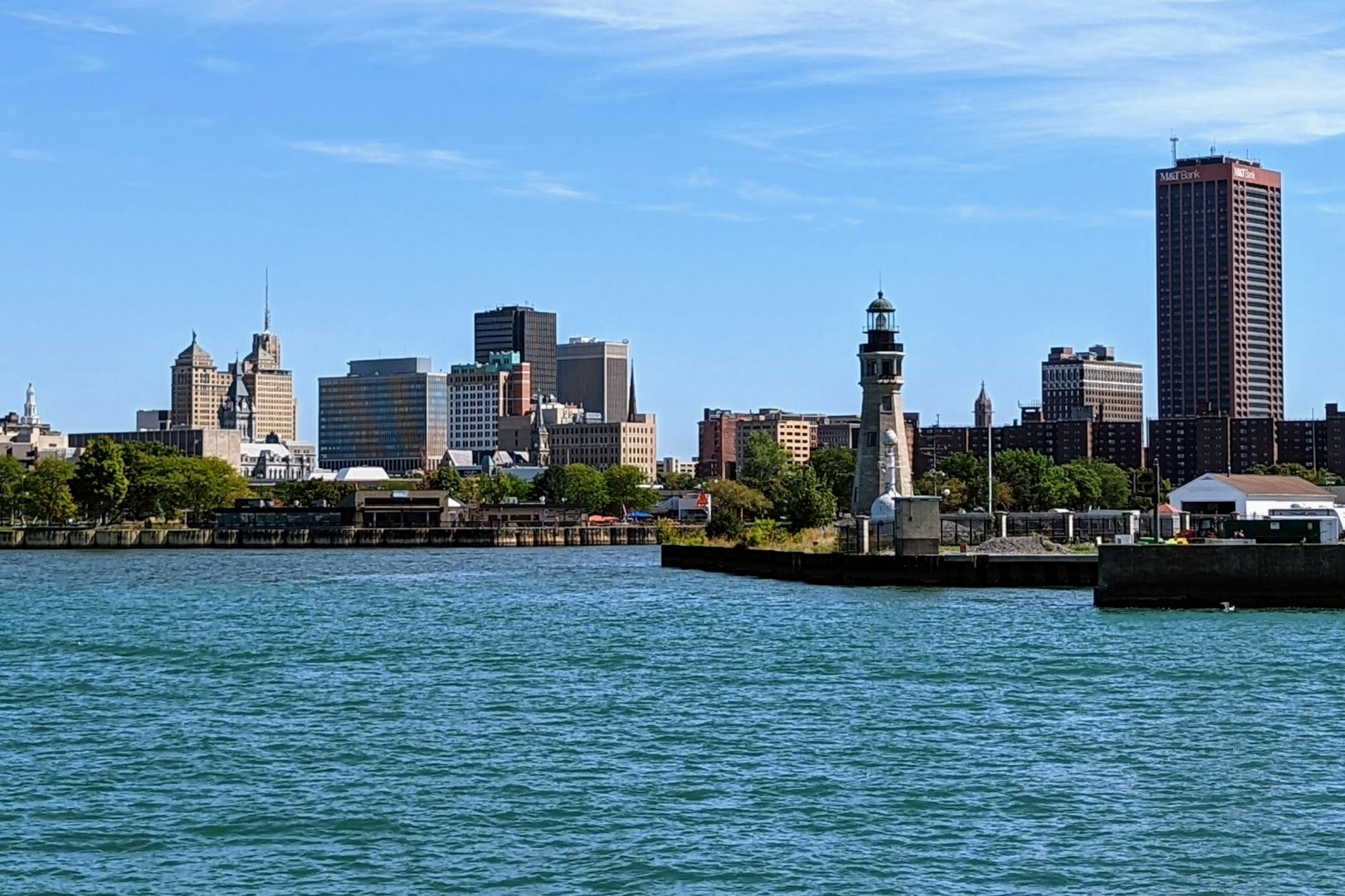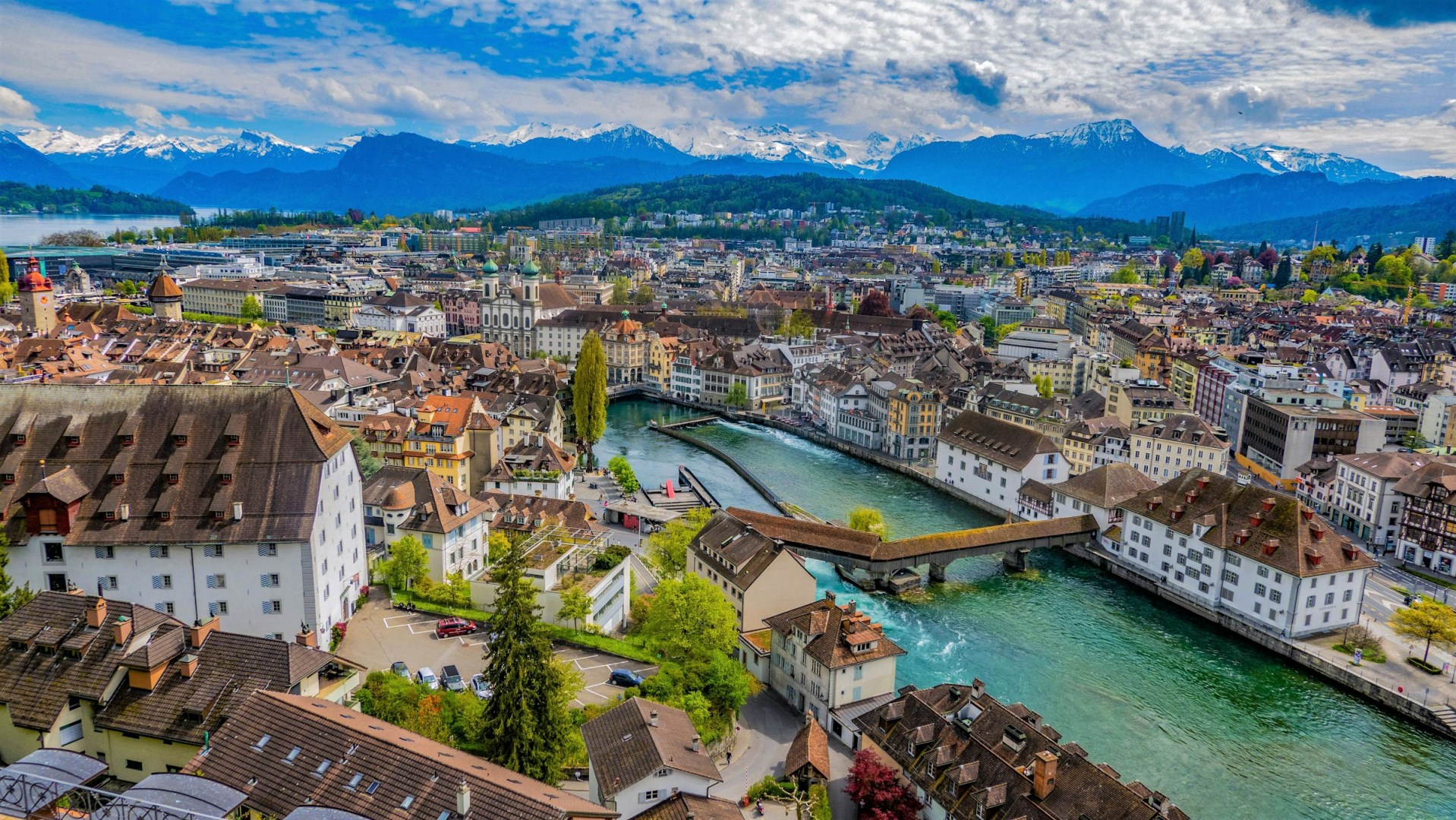
Curacao, a gem in the Caribbean Sea, offers a captivating blend of Dutch colonial charm and vibrant Caribbean culture. Its capital, Willemstad, is a UNESCO World Heritage Site renowned for its colorful 17th-century architecture and historic waterfront. The city's iconic Handelskade, lined with pastel-hued buildings, presents a picturesque setting for leisurely strolls and waterfront dining.
Akureyri, often referred to as the capital of North Iceland, offers travelers a distinct experience shaped by its Arctic location and rich local culture. Nestled at the base of Eyjafjörður fjord, the town has served as a trading center since the 1600s and continues to thrive with a mix of fishing, arts, and tourism. Within a few hours’ drive, visitors can reach the geothermal fields of Hverir, the volcanic craters at Lake Mývatn, and the powerful Goðafoss waterfall.
Rovinj, a picturesque city on Croatia’s Istrian Peninsula, invites travelers to immerse themselves in its enchanting blend of history and natural beauty. The city's charming Old Town, with its narrow, cobblestone streets and colorful facades, is a delight to explore. The heart of this historic area is the Church of St. Euphemia, a Baroque masterpiece that offers panoramic views of the Adriatic Sea from its bell tower.
Guatemala is a country where ancient history and living tradition meet in unexpected ways. The ruins of Tikal, once a major center of the Maya civilization, rise from the dense Petén jungle. Visitors can climb stone temples that pierce the forest canopy and listen for howler monkeys echoing through the trees. Tikal National Park, a UNESCO World Heritage Site, contains over 3,000 structures and still holds secrets under layers of earth and vegetation.
Jaisalmer, known as the "Golden City" of India, rises from the sands of the Thar Desert with a breathtaking display of medieval architecture and vibrant culture. Dominated by its imposing fort, the Jaisalmer Fort, a UNESCO World Heritage Site, this city is a striking example of Rajput architecture.
Photo Credit: Photo by Eduardo Fernández on Unsplash
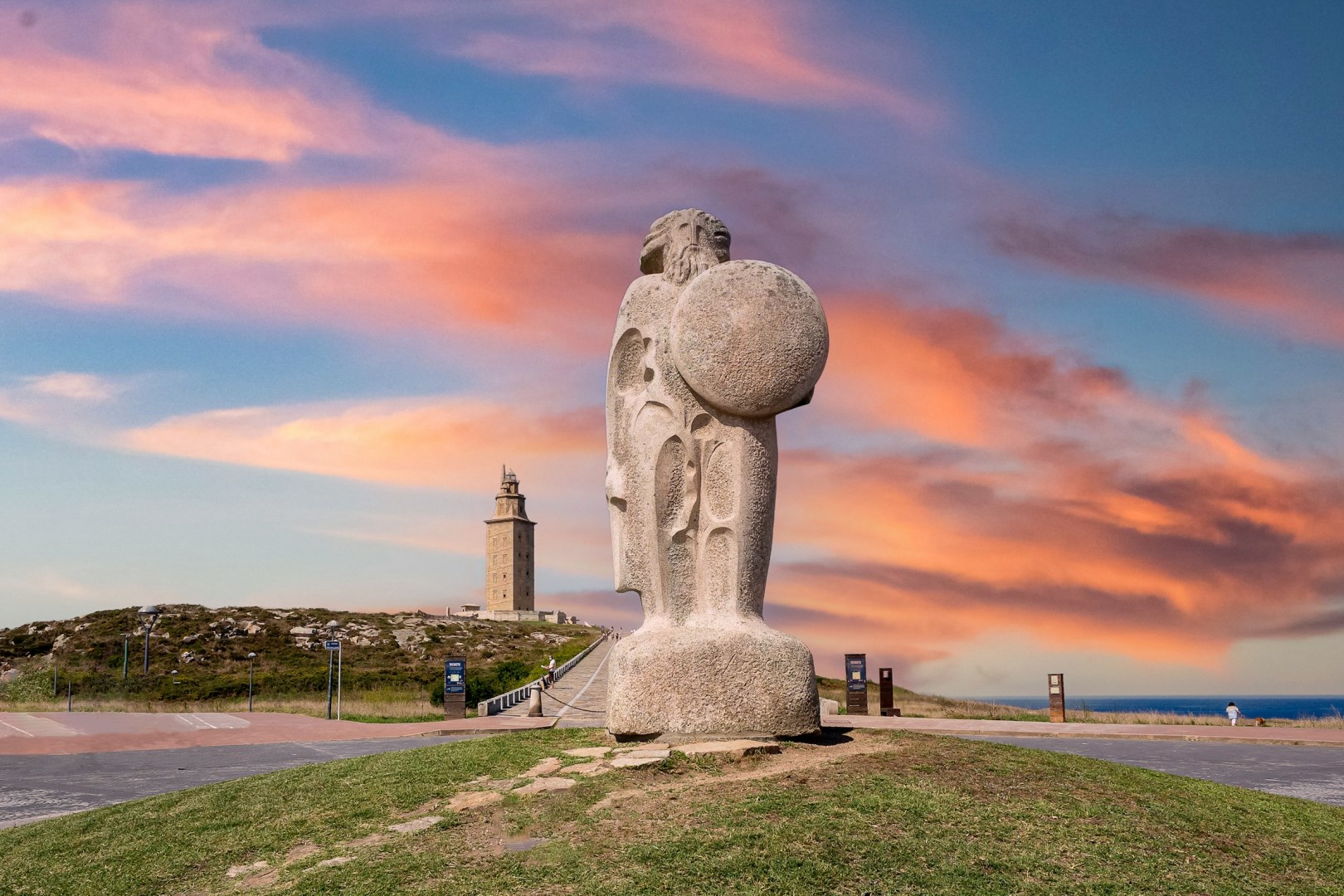
Faro de A Coruña
Photo Credit: Photo by Manuel Torres Garcia on Unsplash
Photo Credit: Photo by Robert Jan Schokking on Unsplash
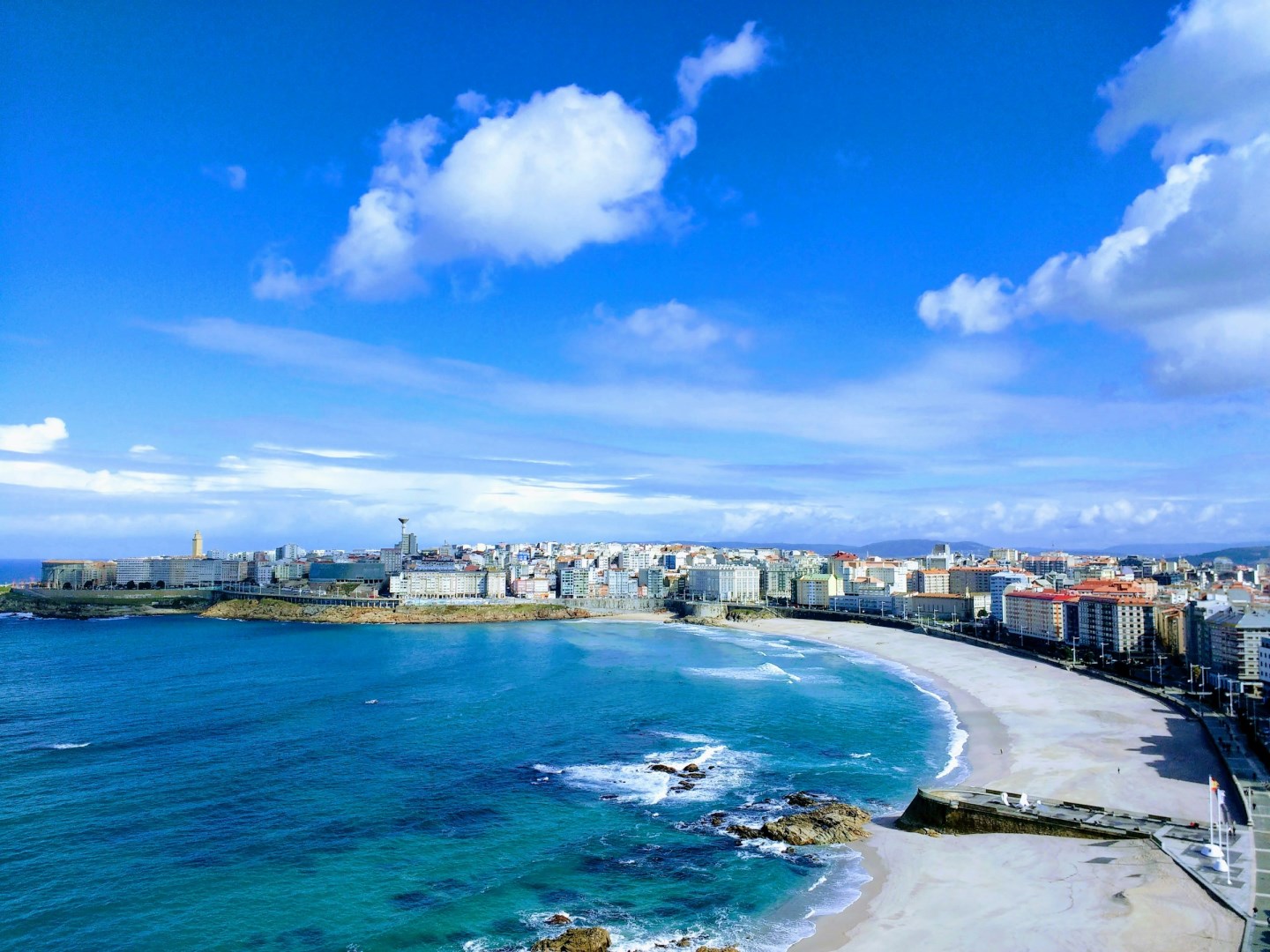
Perched on the northern coast of Spain, A Coruña (or La Coruña) is a captivating city with a rich maritime heritage and scenic beauty. Dominated by its iconic lighthouse, the Torre de Hércules, which is the oldest functioning lighthouse in the world, A Coruña offers a unique glimpse into ancient engineering. The Torre de Hércules, a UNESCO World Heritage Site, stands as a beacon of the city's historical and cultural significance source.
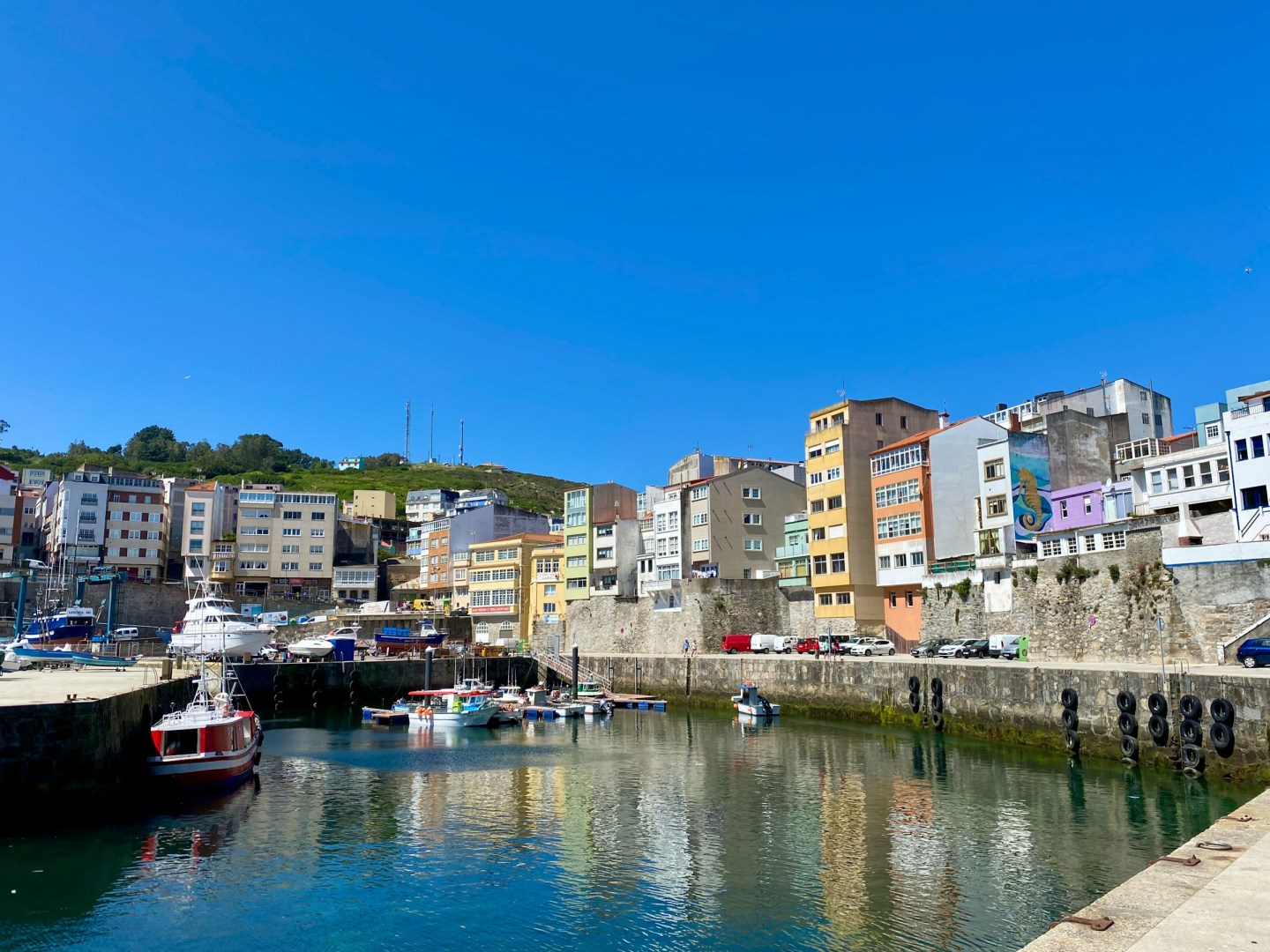
A Coruña's charm extends to its bustling Old Town, where you can wander through picturesque streets lined with colorful Galician buildings and traditional tapas bars. The Plaza de María Pita, named after the local heroine who defended the city from English invaders, serves as the heart of the city’s social life and features impressive architectural landmarks like the City Hall source. Don’t miss a stroll along the scenic promenade that encircles the city, offering panoramic views of the Atlantic Ocean and the rugged coastline source.
For nature enthusiasts, A Coruña provides easy access to the stunning beaches of Riazor and Orzán, ideal for sunbathing and water sports. The city is also a gateway to the lush green landscapes of Galicia, with numerous trails and parks such as the beautiful Monte de San Pedro, which offers spectacular views over the city and the sea source.
Slogan: "A Coruña: Where Ancient Legends Meet Atlantic Breezes."
Fun Fact: A Coruña is famous for its "meigas" or witches, a nod to the region’s rich folklore and magical traditions source.
Visiting A Coruña in the spring or early fall provides the best weather for exploring its outdoor attractions and enjoying its cultural events with fewer crowds.