Lincoln
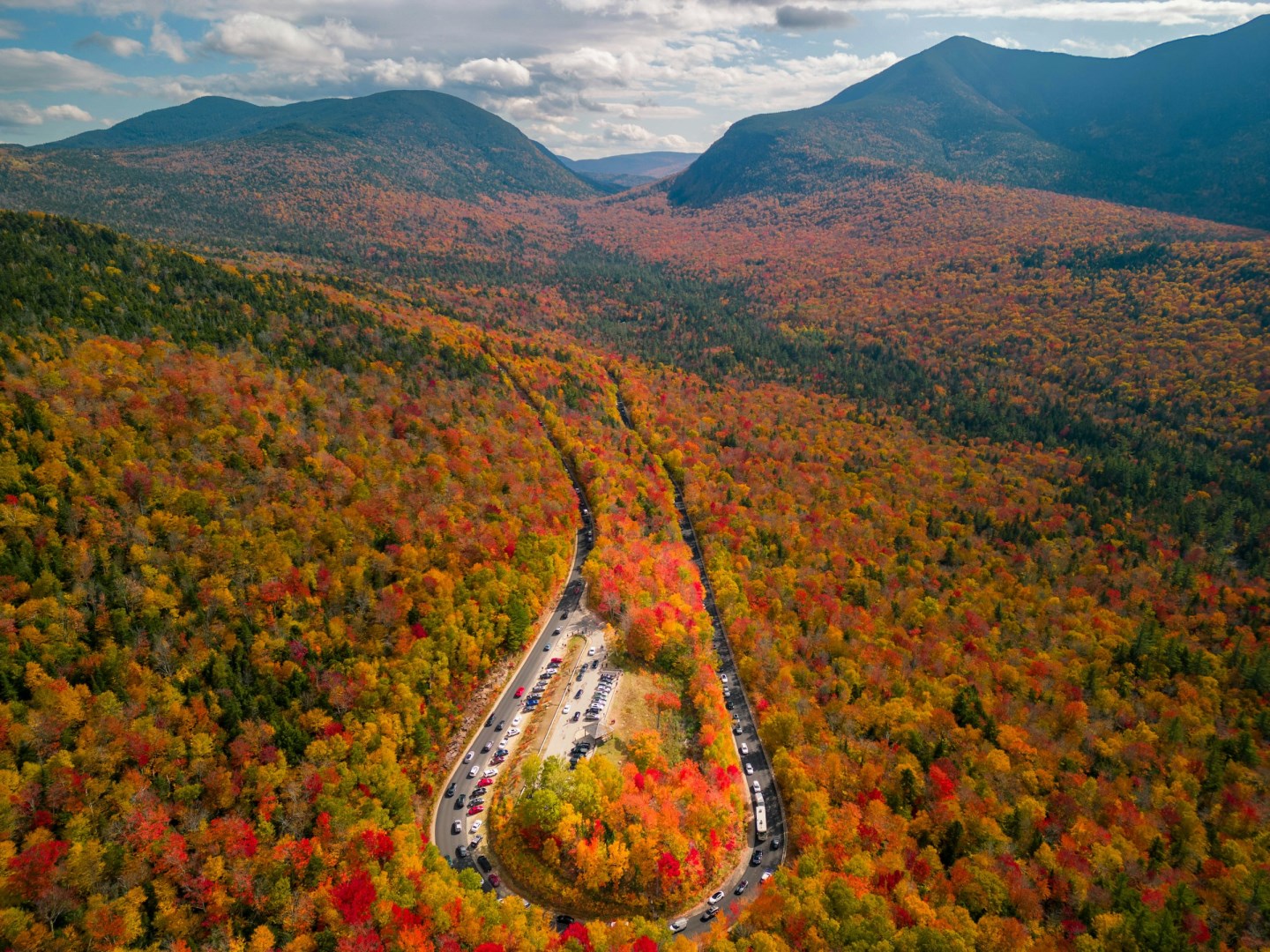
Lincoln is a town in New Hampshire’s White Mountains, situated along the Pemigewasset River near the western entrance to Franconia Notch. Its setting combines a compact commercial center with wooded hills, mountain valleys, and easy access to protected public lands. Lincoln is closely connected with the larger Franconia Notch landscape, while its location along Interstate 93 makes it an important stopping point for travelers crossing the White Mountains.
Tripoli
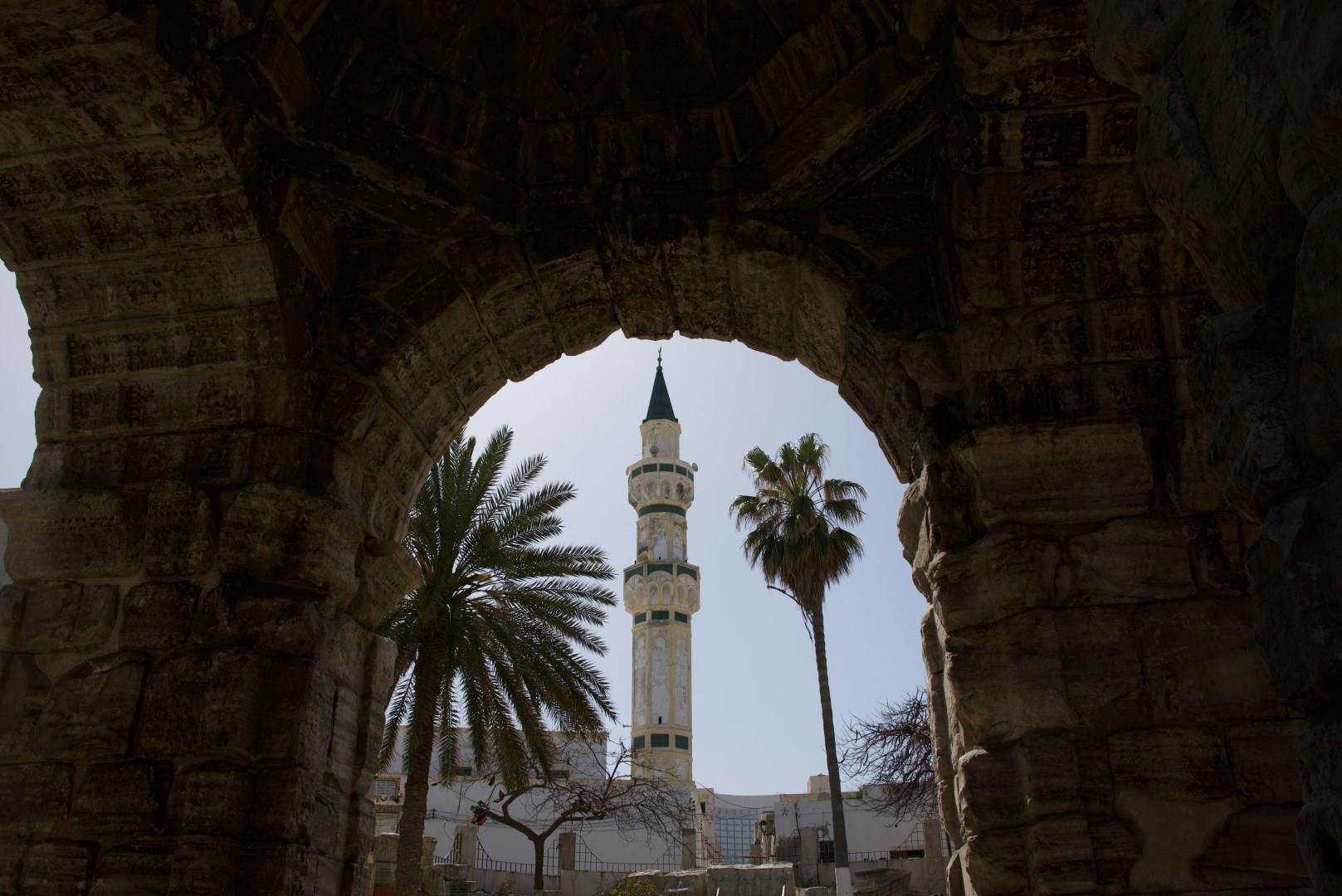
Tripoli, the capital city of Libya, sits on the country’s Mediterranean coast and serves as its political, economic, and cultural center.
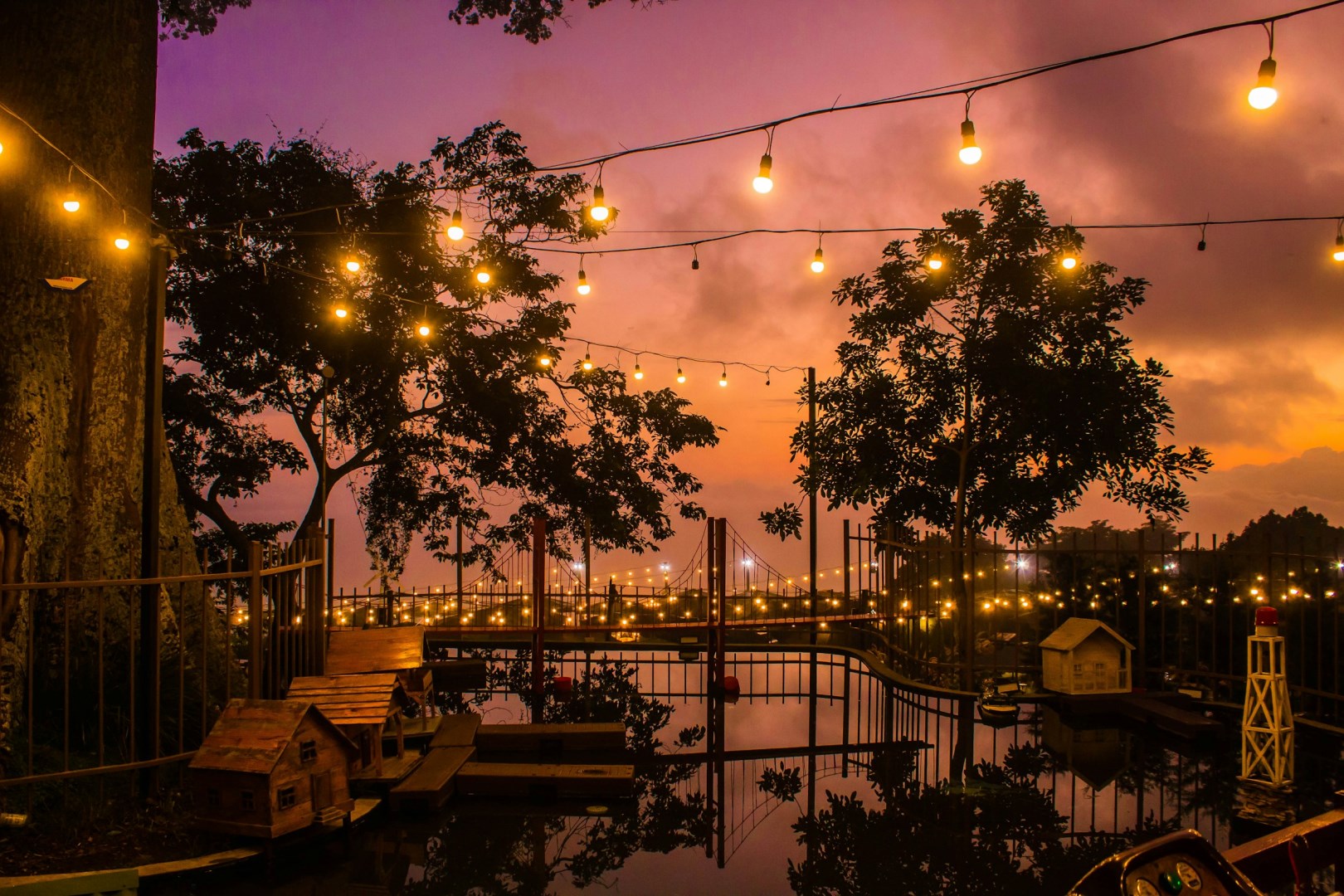
Santa Tecla
Santa Tecla is a city in the department of La Libertad, located west of San Salvador at the foot of the San Salvador Volcano. It combines a historic urban center with green hills, cafés, restaurants, and residential districts extending toward the slopes of El Boquerón. The city is known for its walkable streets and older buildings, many of which now house shops, restaurants, and cultural spaces.
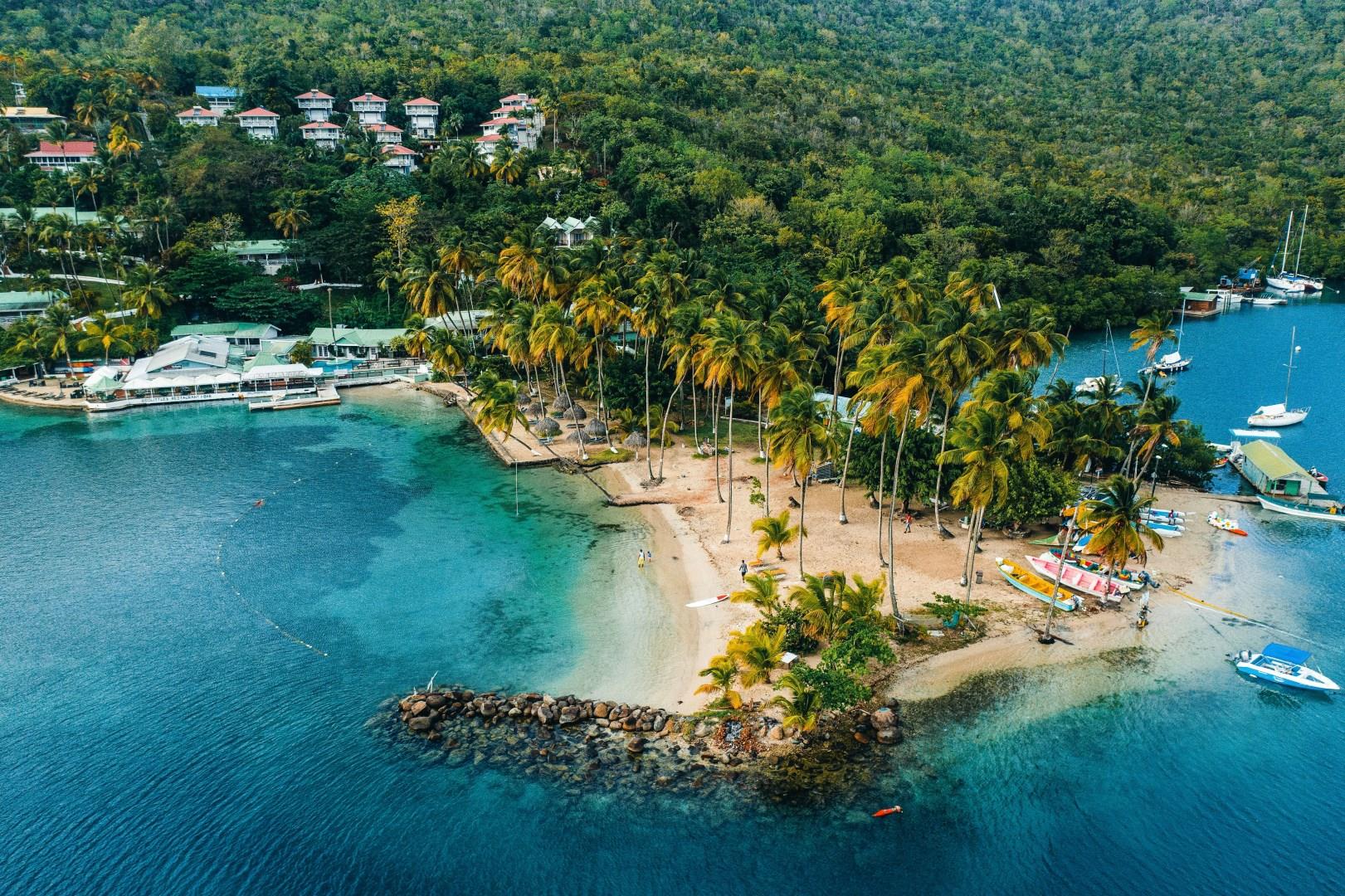
Marigot Bay
Marigot Bay, located on the western coast of Saint Lucia, is often regarded as one of the Caribbean’s most picturesque natural harbors. Enclosed by lush green hills and swaying palms, the bay has long drawn sailors, writers, and filmmakers.
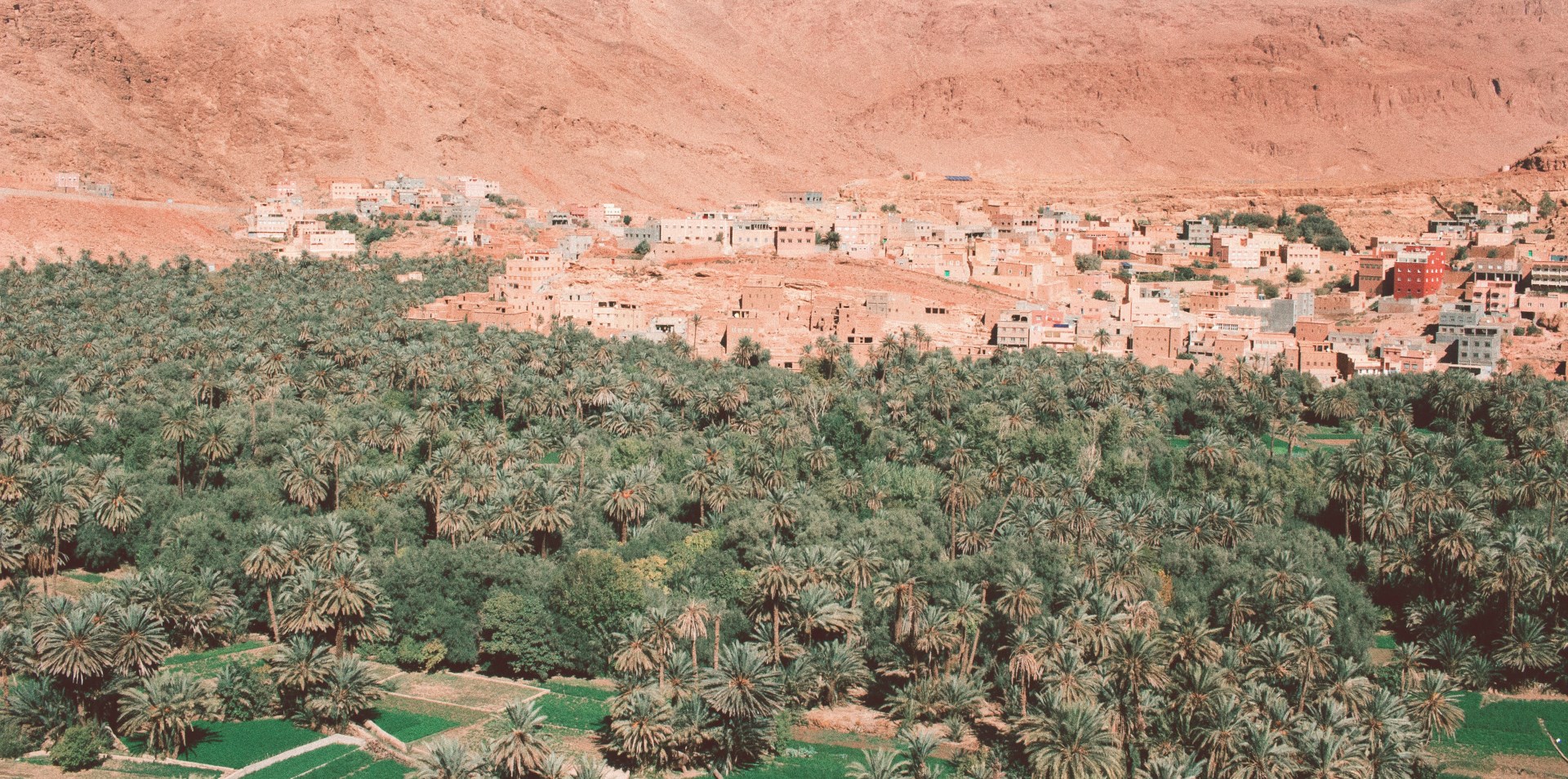
Boumalne Dades
At the edge of the High Atlas Mountains, Boumalne Dades stands as a gateway to one of Morocco’s most striking landscapes. The town stretches along a broad valley where the Dades River cuts through layers of red and ochre rock. This setting creates a dramatic backdrop that shifts in color throughout the day. Travelers often arrive here as a stopping point, but many stay longer after discovering the slower rhythm of village life and the easy access to nearby valleys and gorges.