Bali
Bali, an island province of Indonesia, has been shaped by centuries of Hindu influence, volcanic activity, and a deep connection between daily life and ritual. The island’s temples are a major part of its landscape as more than 20,000 exist across Bali. One of the most visited is Uluwatu Temple, perched dramatically on a cliff 70 meters above the Indian Ocean.
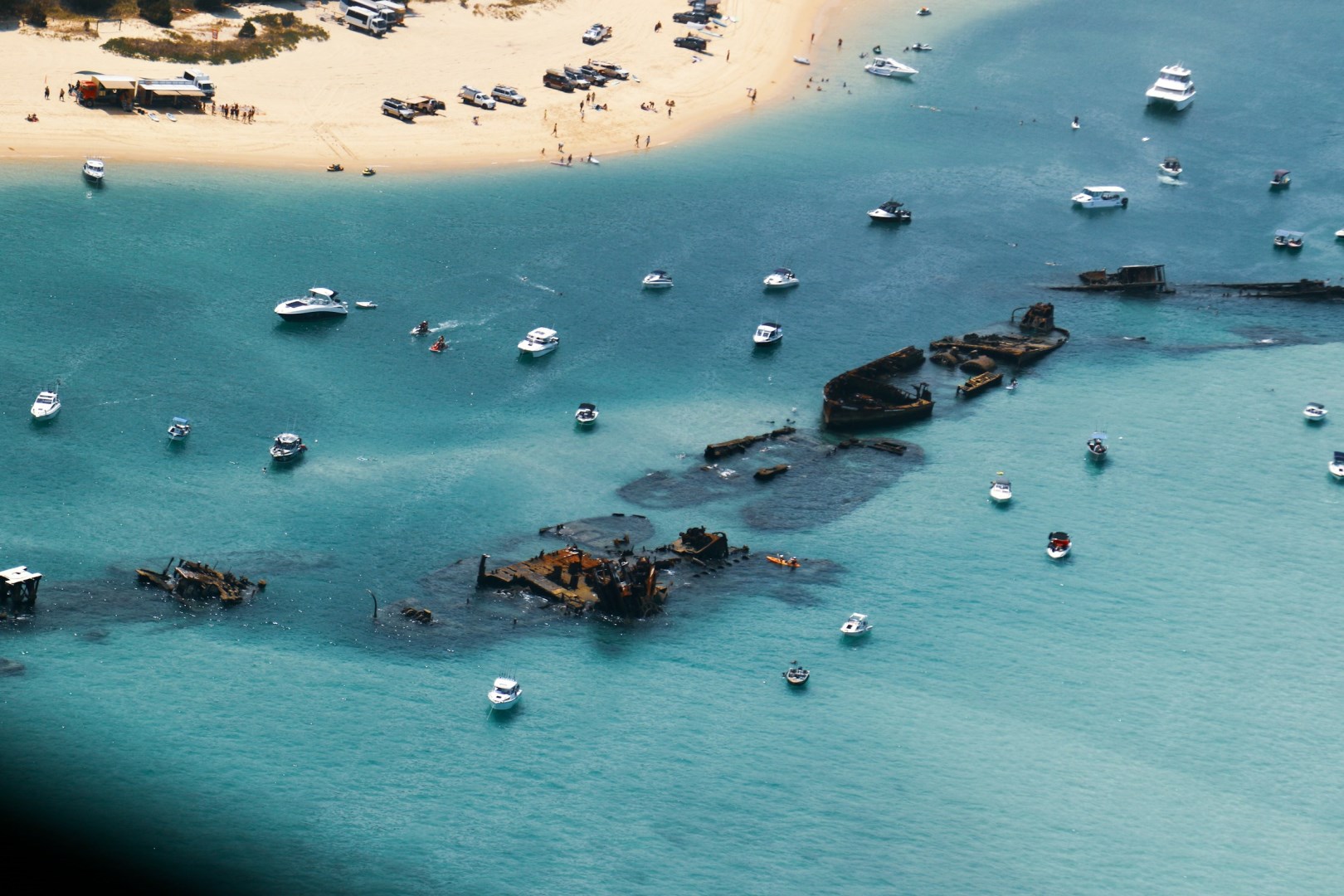
Moreton Island
There is a whole host of wildlife on Moreton Island which you can see on the numerous beaches, and along the walking and 4WD trails. Many wading birds can be found on the island, in particular between September and April when many birds migrate from other countries. You may also be lucky enough to see Green and Loggerhead Turtles which often nest between November - February.
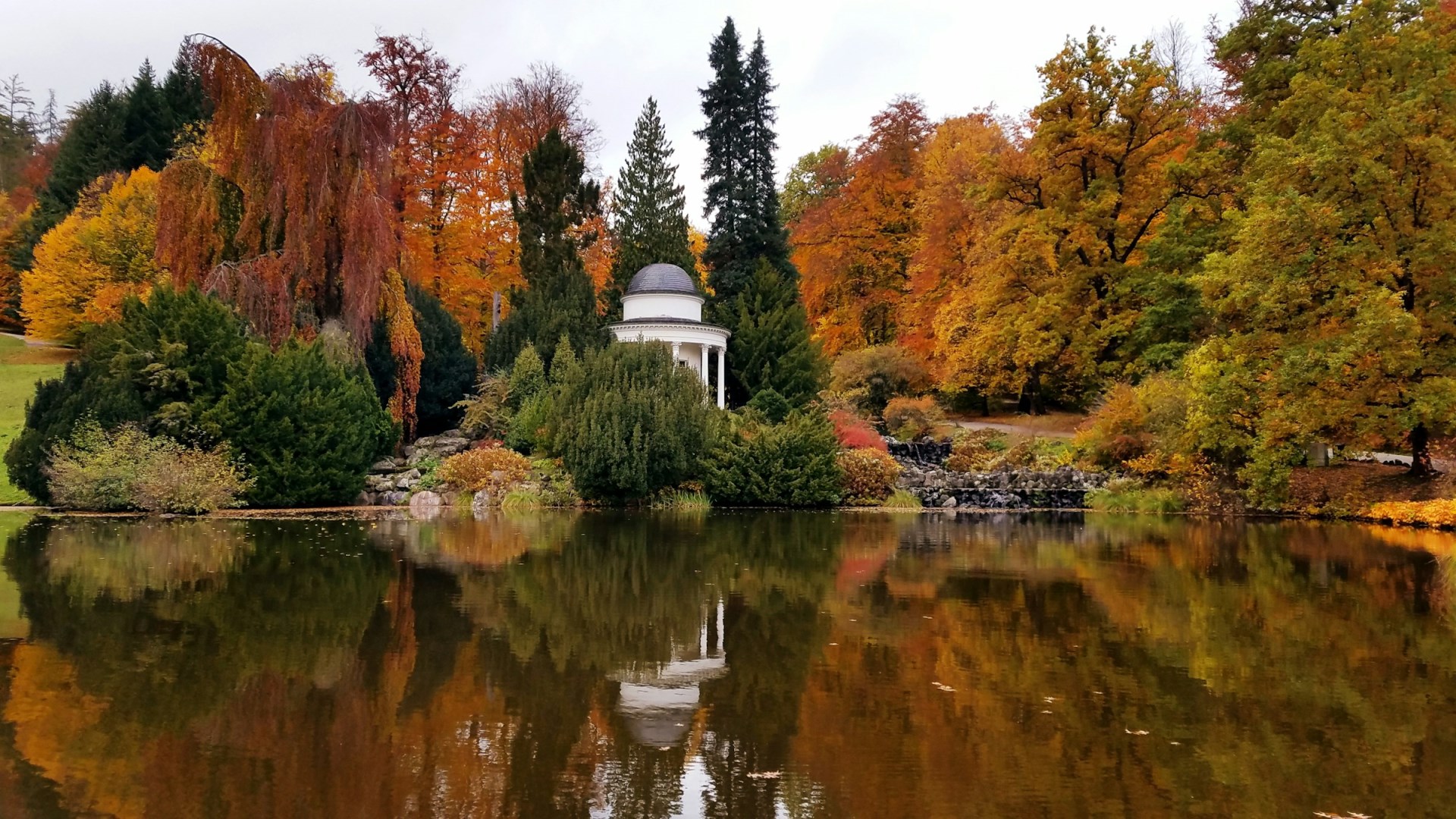
Kassel
Nearly 80% of the city was destroyed in WWII. It is now known for its many museums, including the Museum of Tapestry, the Brothers Grimm Museum and Fredericianum Museum.
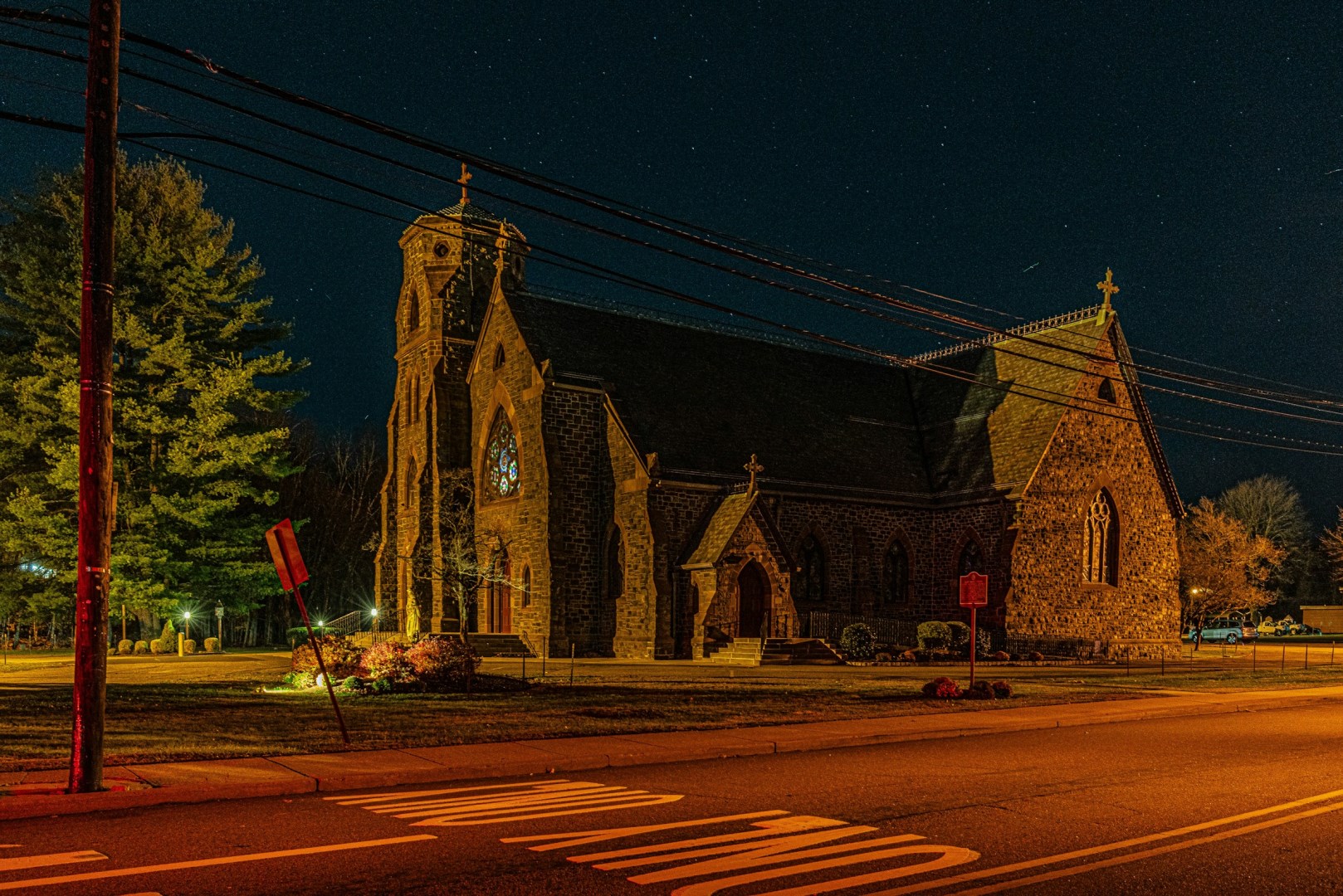
Dover
Dover, located in Morris County, New Jersey, is a small yet historically rich town nestled along the Rockaway River about 30 miles west of New York City. Founded in the early 1700s, Dover grew as an important ironworking and industrial center during the 18th and 19th centuries, thanks to its proximity to the Morris Canal and the region’s abundant natural resources.
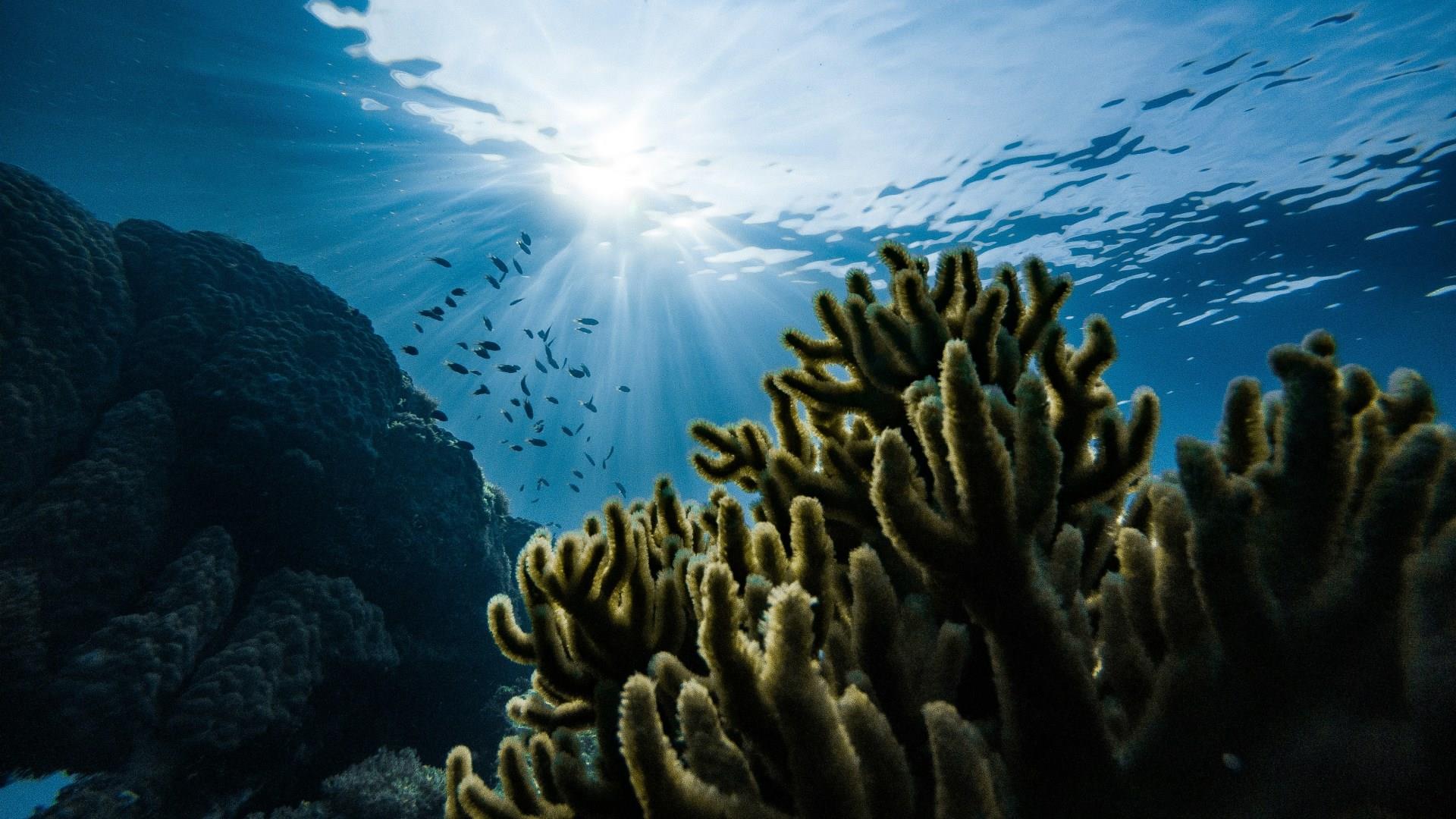
Chuuk
Chuuk, one of the four states of the Federated States of Micronesia, is best known for its vast lagoon which is one of the largest enclosed lagoons in the world. But what sets Chuuk apart is what lies beneath those calm blue waters: an entire underwater fleet of sunken warships, aircraft, and submarines left from World War II. Often called the "Ghost Fleet of Truk Lagoon," these wrecks make Chuuk a global destination for experienced divers.