La Romana
Whether you're a golf enthusiast, beach lover, or history buff, La Romana offers something for everyone. Its perfect mix of relaxation, culture, and adventure makes it an ideal destination for all types of travelers.
Polonnaruwa
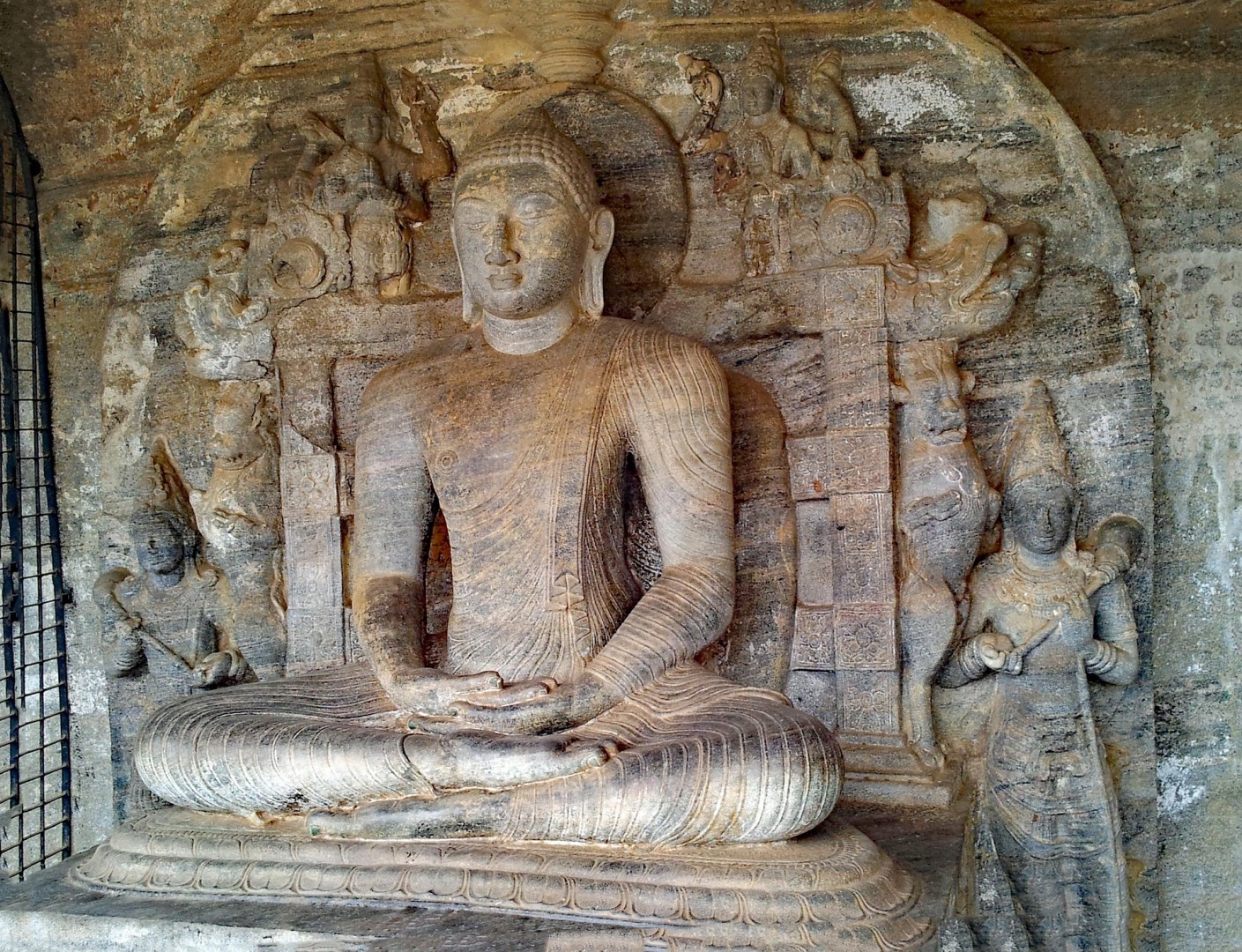
Polonnaruwa, located in Sri Lanka’s North Central Province, served as the island’s capital nearly a thousand years ago. Today, it offers one of the most extensive and well-preserved archaeological sites in South Asia. Visitors can walk among the ruins of royal palaces, Buddhist monasteries, and intricately carved stone temples. One of the highlights of Polonnaruwa is the Gal Vihara, a group of colossal Buddha statues carved directly into granite.

Portland, Oregon
Portland, Oregon, is a city where natural beauty and urban innovation coexist harmoniously. Nestled between the Columbia and Willamette Rivers and framed by volcanic mountains, Portland offers an array of outdoor adventures alongside its renowned cultural scene. Visitors can explore the lush expanses of Forest Park, one of the largest urban forests in the U.S., or take a leisurely stroll through the Portland Japanese Garden, which showcases exquisite traditional Japanese landscape design.

Sweden
Sweden is a country where medieval towns, coastal archipelagos, and expansive forests sit side by side with modern design and a strong cultural identity. Stockholm, the capital, is built across 14 islands connected by bridges and ferries. The historic district of Gamla Stan features narrow, cobbled streets and colorful buildings dating back to the 13th century.
Bijaipur
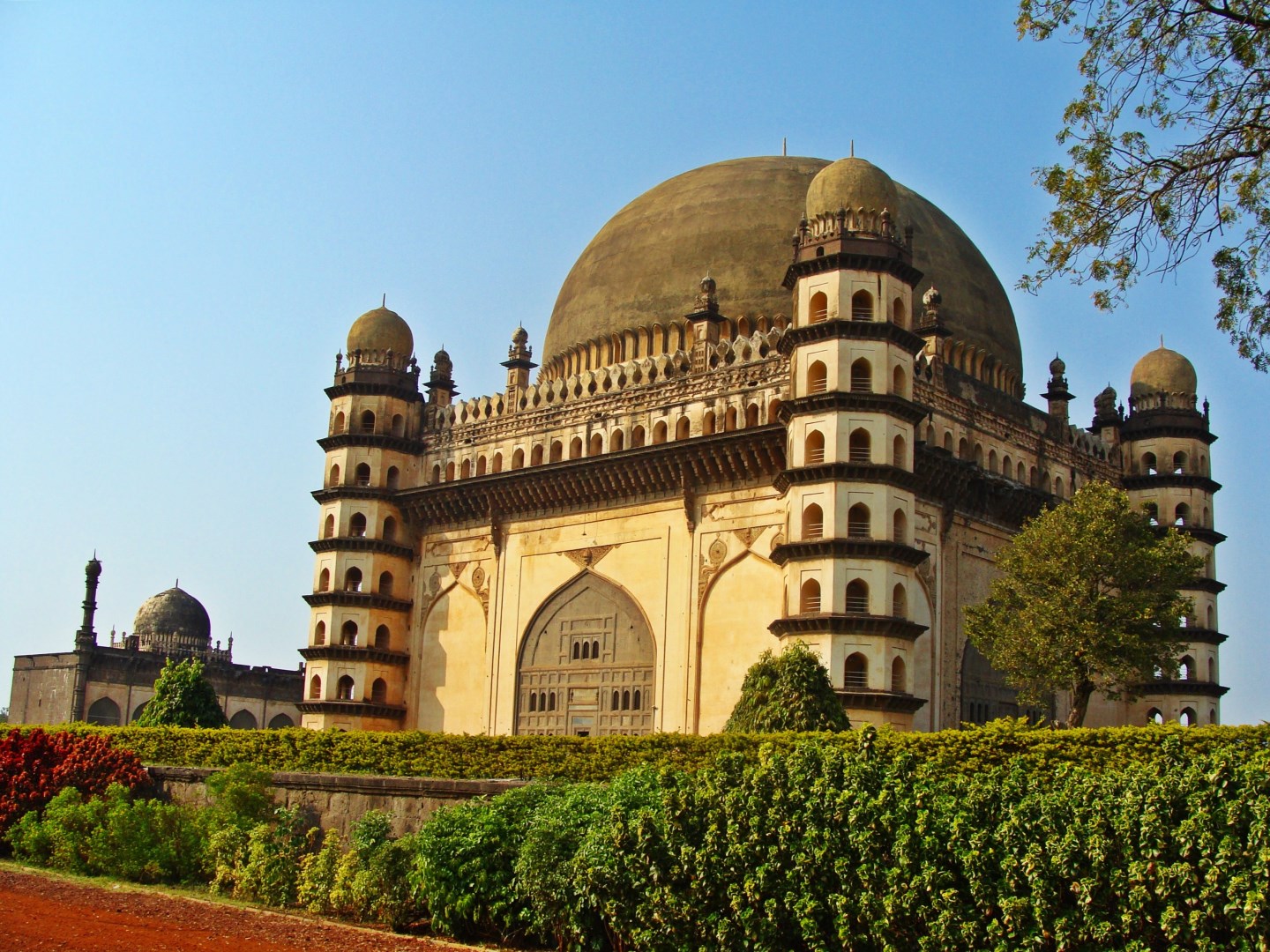
Bijaipur is a small rural destination in Rajasthan, India, set within the Aravalli hills and surrounded by farmland and quiet village landscapes. It is best known for its historic fort, Castle Bijaipur, which has been adapted into a heritage stay.