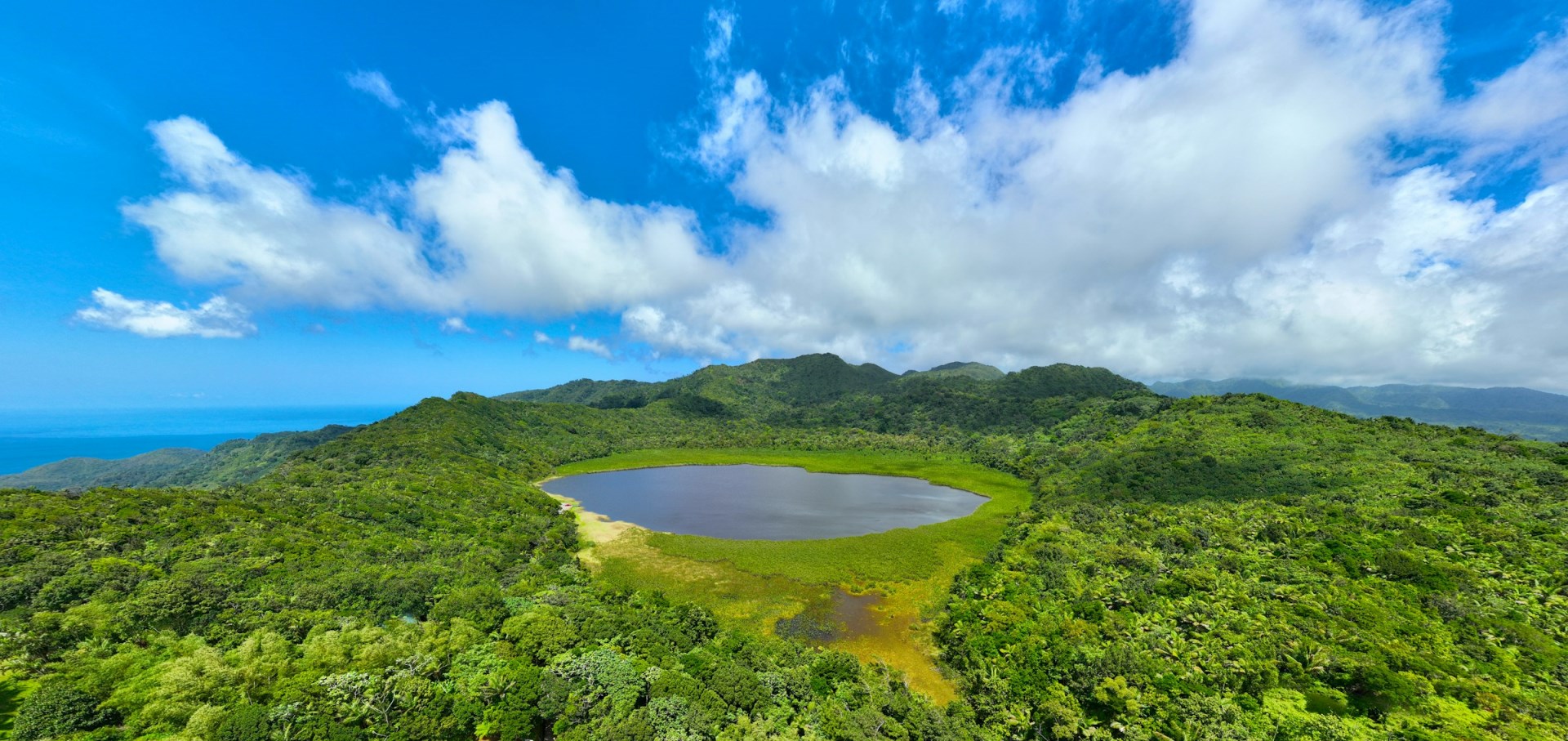
Dominica, known as the “Nature Island of the Caribbean,” is a haven for eco-tourists and adventure seekers. Nestled between the French islands of Guadeloupe and Martinique, this lush island boasts a remarkable landscape of volcanic mountains, dense rainforests, and stunning waterfalls. Dominica’s most iconic natural wonder is the Boiling Lake, the second-largest hot spring in the world.
Remich, often referred to as the “Pearl of the Moselle,” is a captivating town nestled along the Moselle River in Luxembourg. This riverside gem is known for its historic vineyards that have shaped the region’s culture for centuries. Visitors can stroll along the river promenade, enjoying views of the gently flowing water framed by rolling hills covered in vineyards that produce some of Luxembourg’s finest wines.
Burgos, located in northern Spain, is a city where medieval heritage is still part of daily life. At its heart stands the Burgos Cathedral, a UNESCO World Heritage Site and one of the most striking examples of Gothic architecture in Europe. Construction began in 1221 and continued for over 300 years, resulting in a cathedral that features elaborate spires, stained glass, and the tomb of El Cid, Spain’s legendary military leader.
Amboise has 12,000 inhabitants and is in the heart of Touraine, in the land of chateaux. It is a town both traditional and modern, lively and quiet. In Amboise, there is a royal castle set above the Loire Valley and is a strong point extensively embellished during the 15th and 16th centuries.
Mysore, often called the “Cultural Capital of Karnataka,” is a city where centuries-old royal heritage meets living tradition. Located at the foothills of the Chamundi Hills, it is best known for its palaces, wide boulevards, and colorful festivals. Once the seat of the Wadiyar dynasty, Mysore still carries an unmistakable royal influence that can be seen in its architecture, markets, and cultural celebrations.
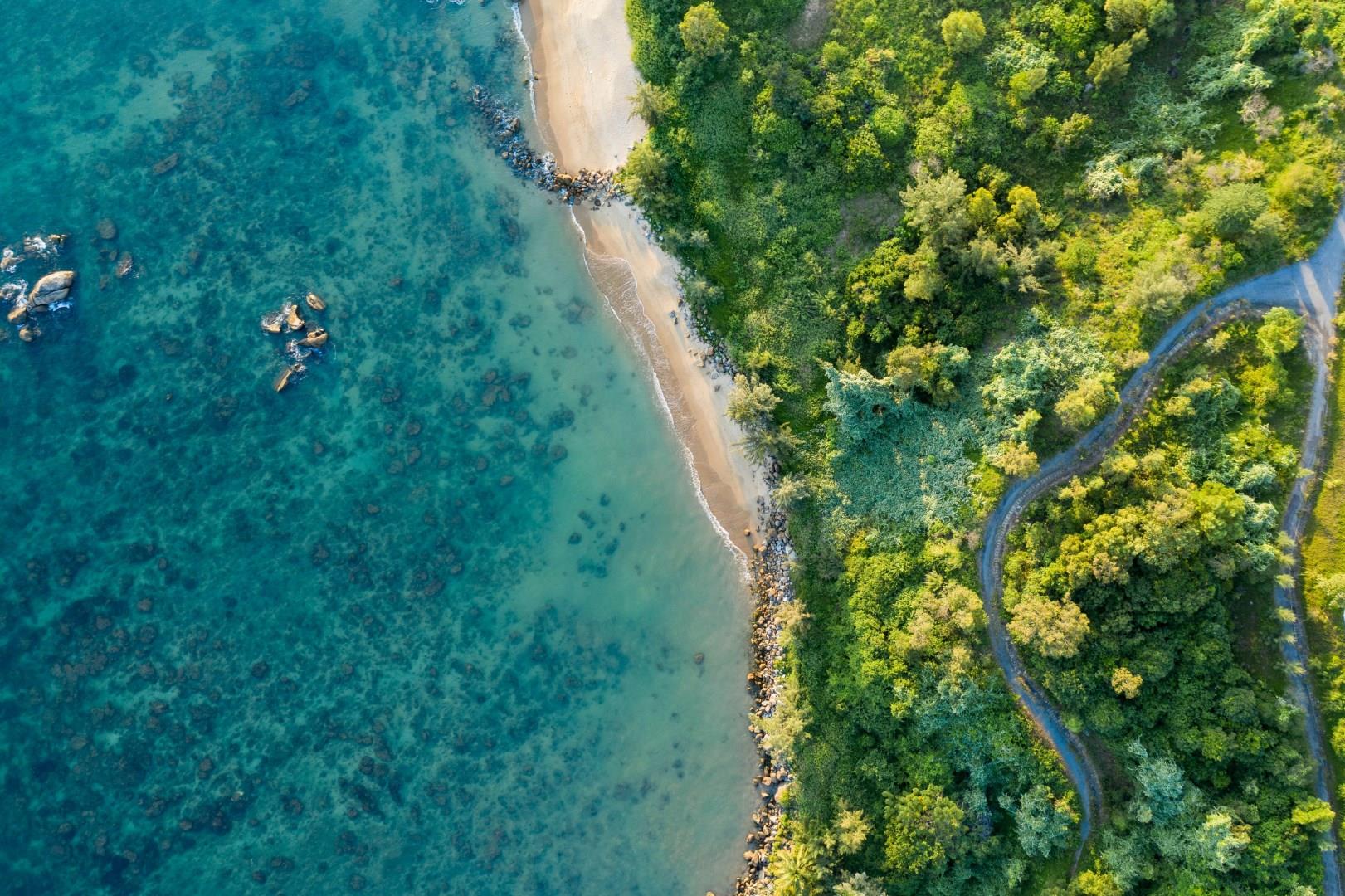
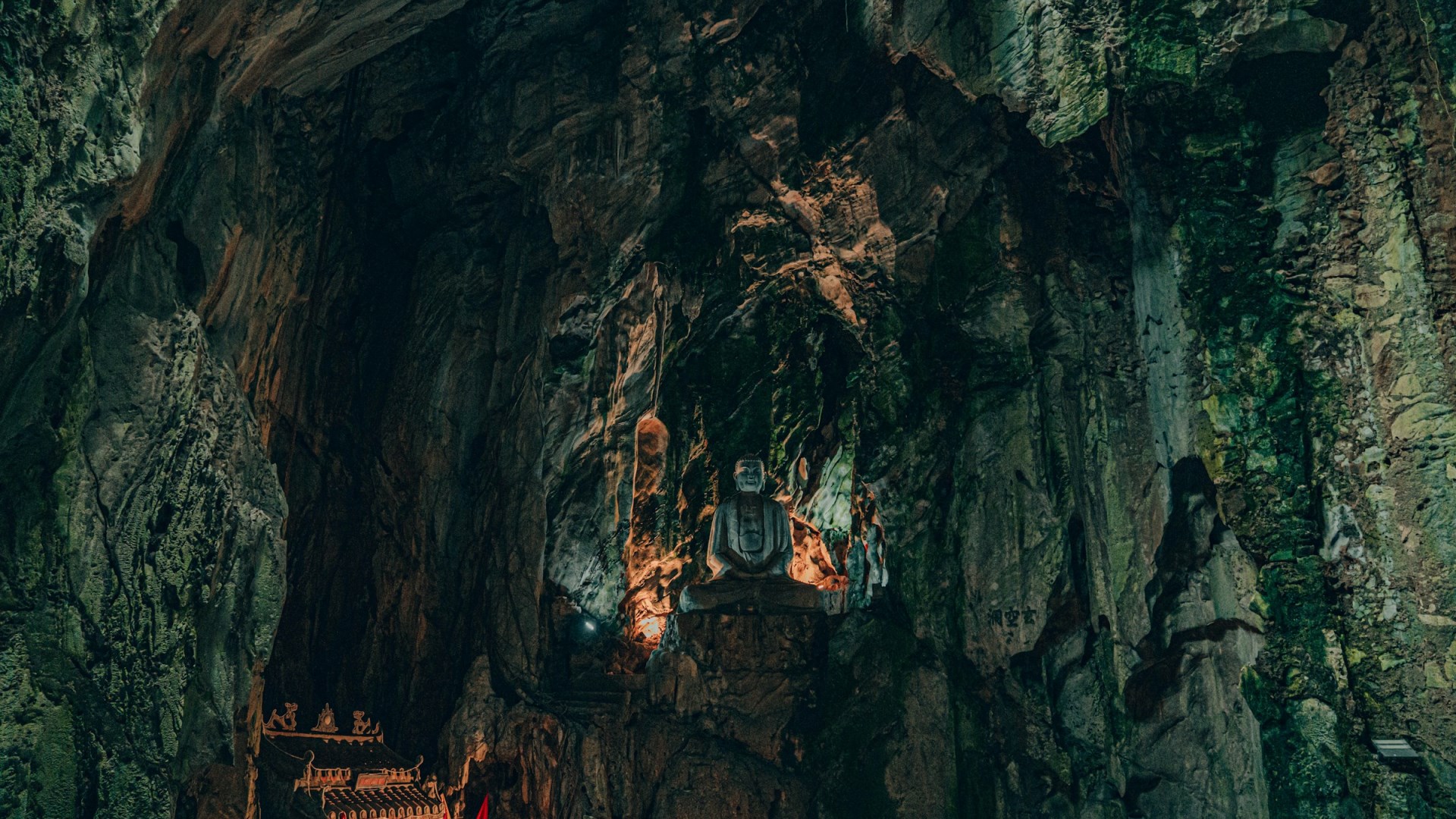
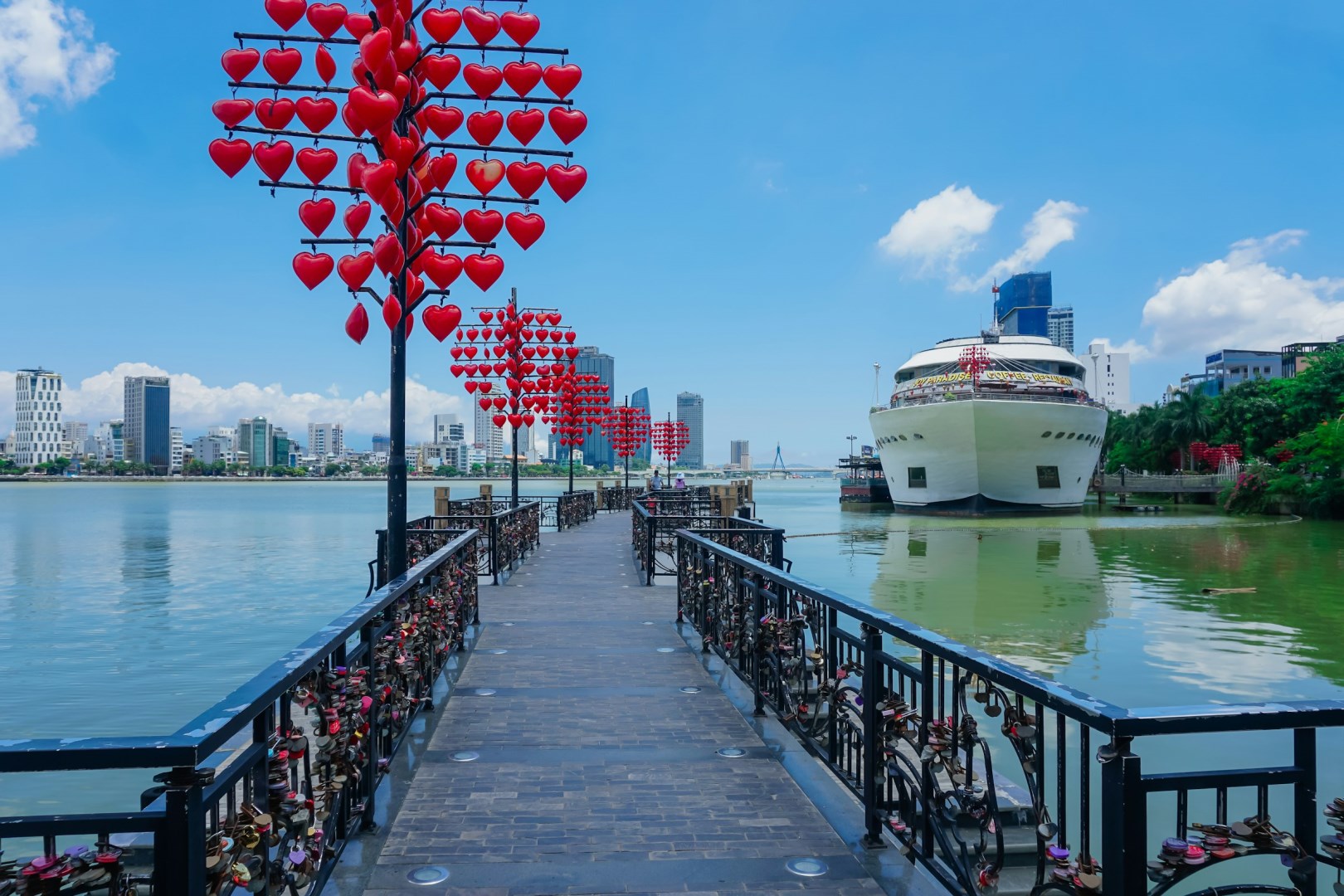
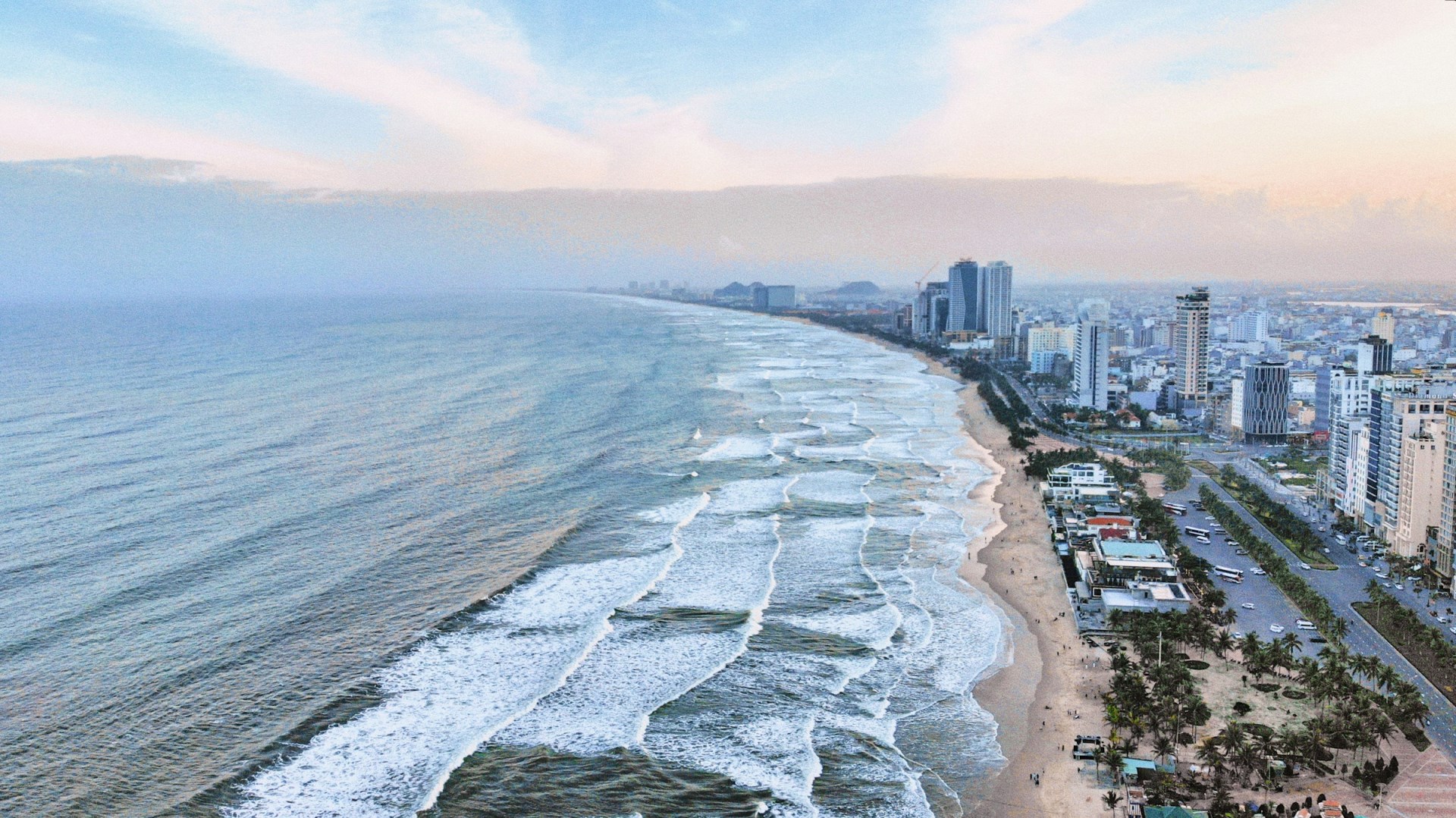
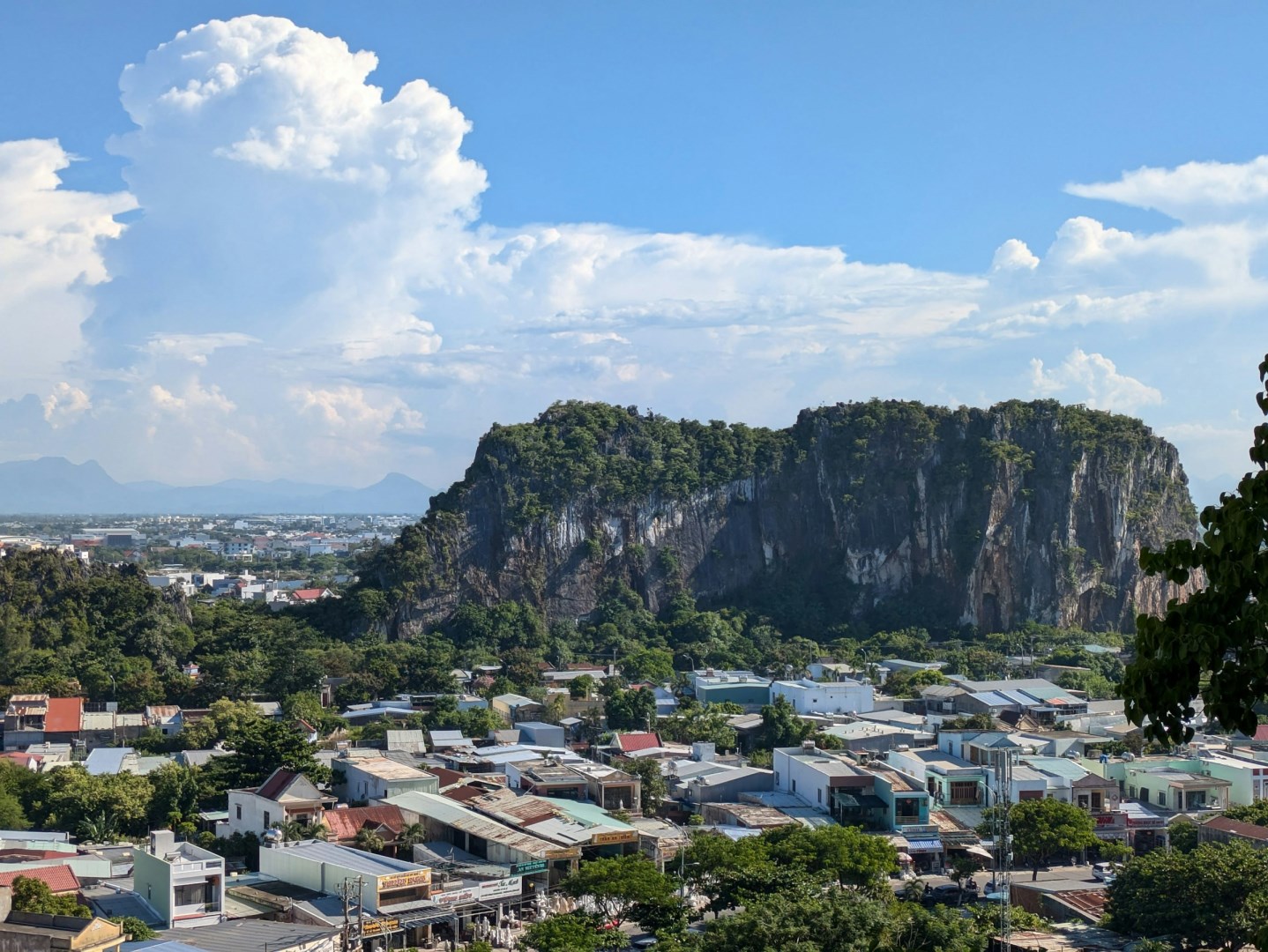
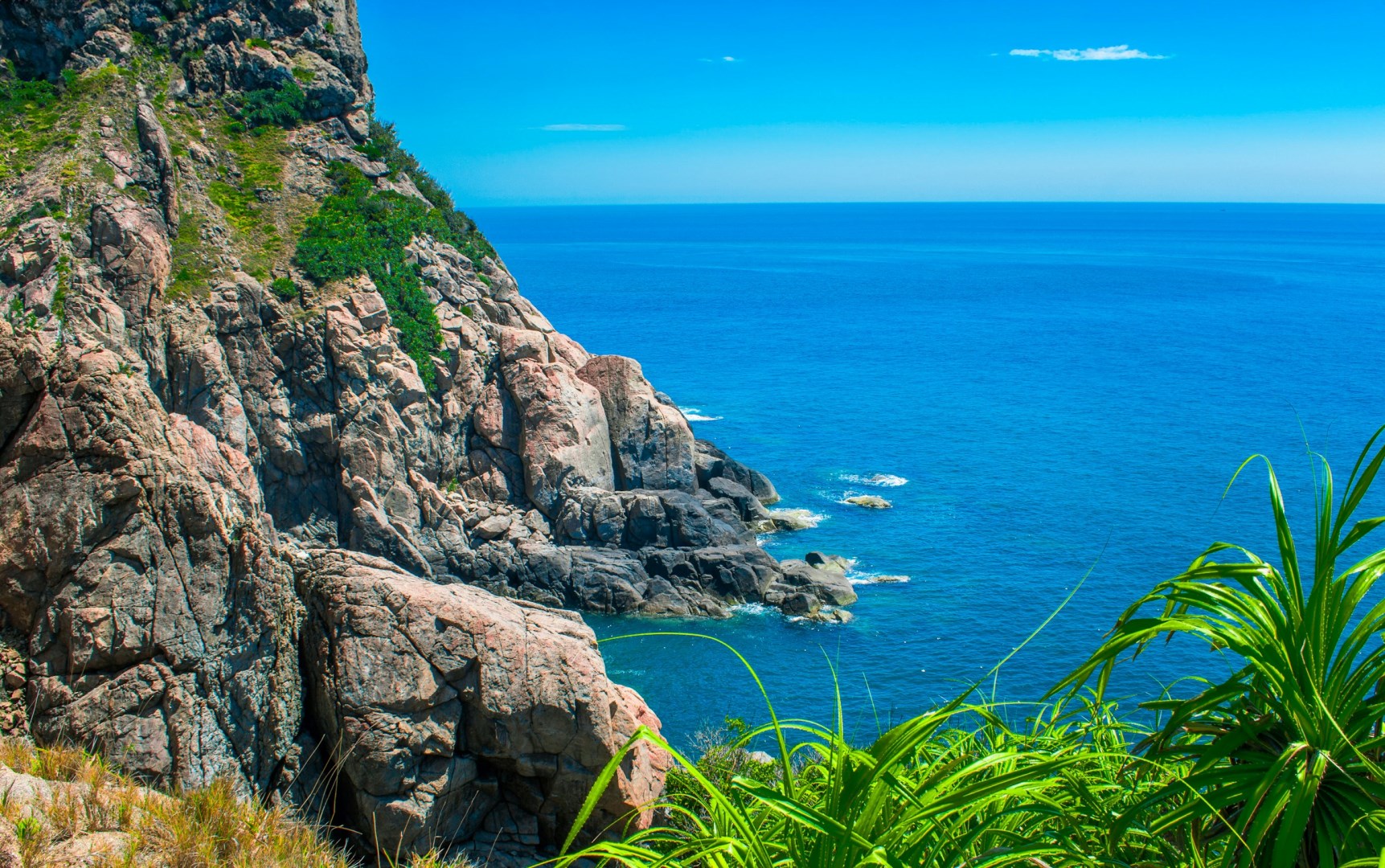
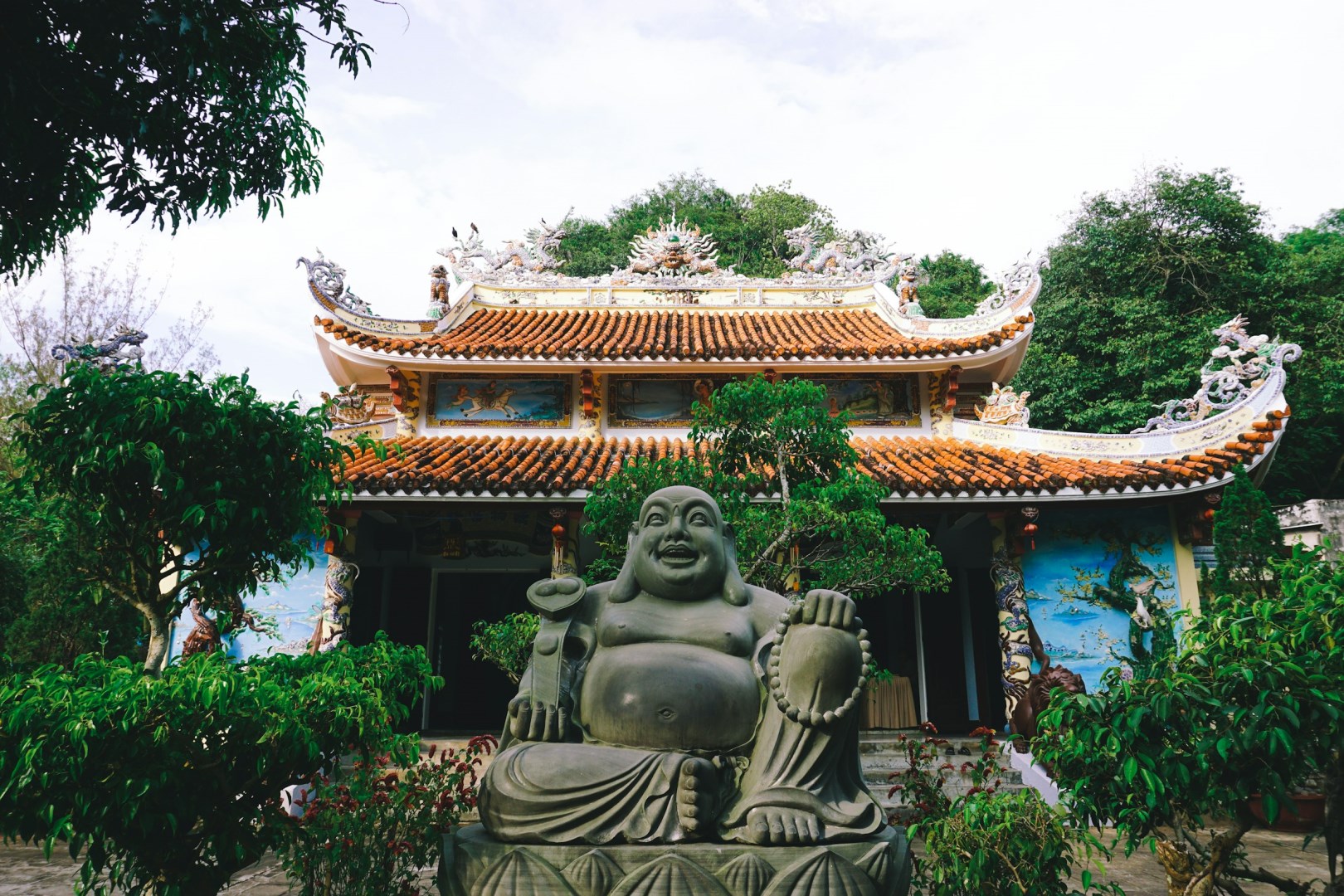
Da Nang, a vibrant coastal city in central Vietnam, offers a delightful blend of natural beauty, rich history, and modern attractions. Known for its stunning beaches and dynamic skyline, Da Nang is a gateway to some of Vietnam’s most iconic landmarks. The Marble Mountains, a cluster of five marble and limestone hills, provide breathtaking views and an opportunity to explore ancient Buddhist grottoes and temples. Nearby, the serene My Khe Beach, often referred to as China Beach, offers a picturesque setting for relaxation and water sports.
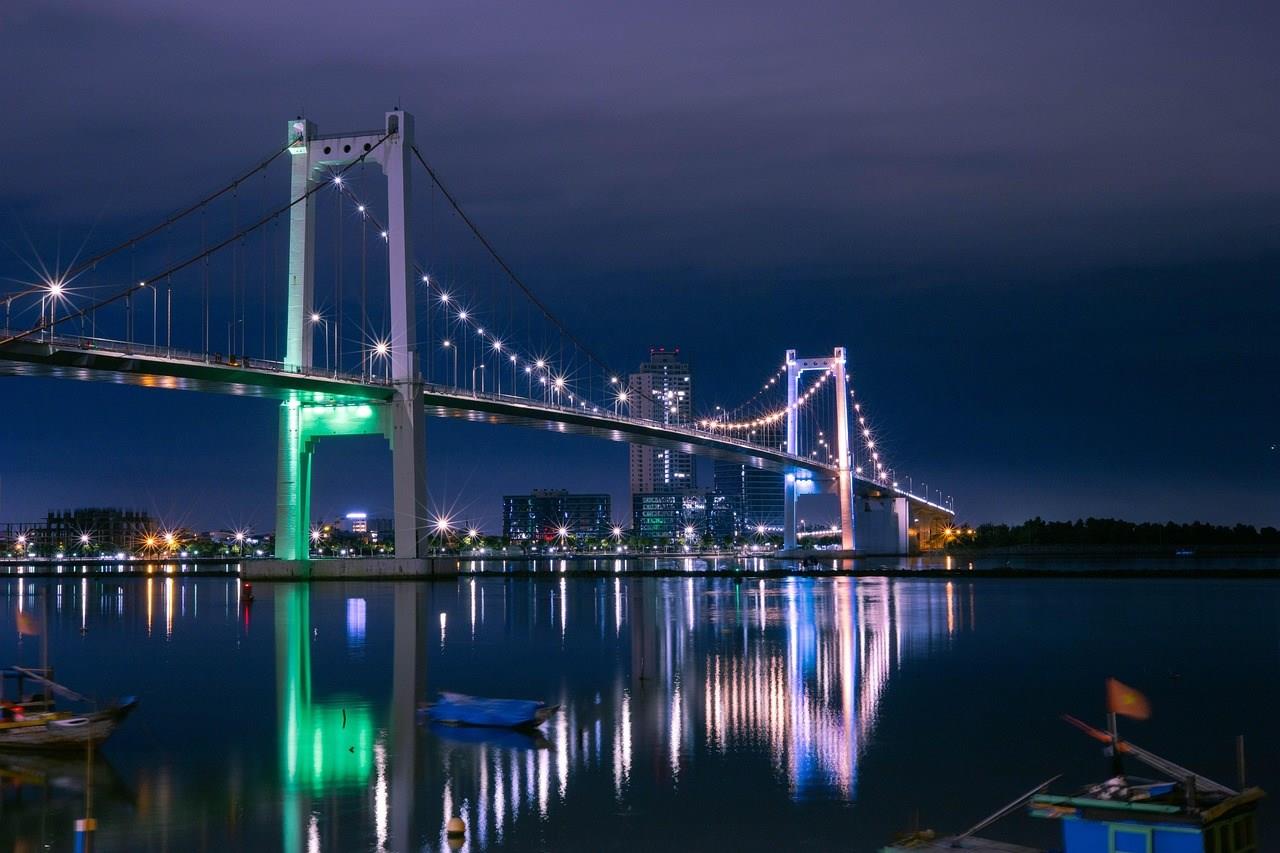
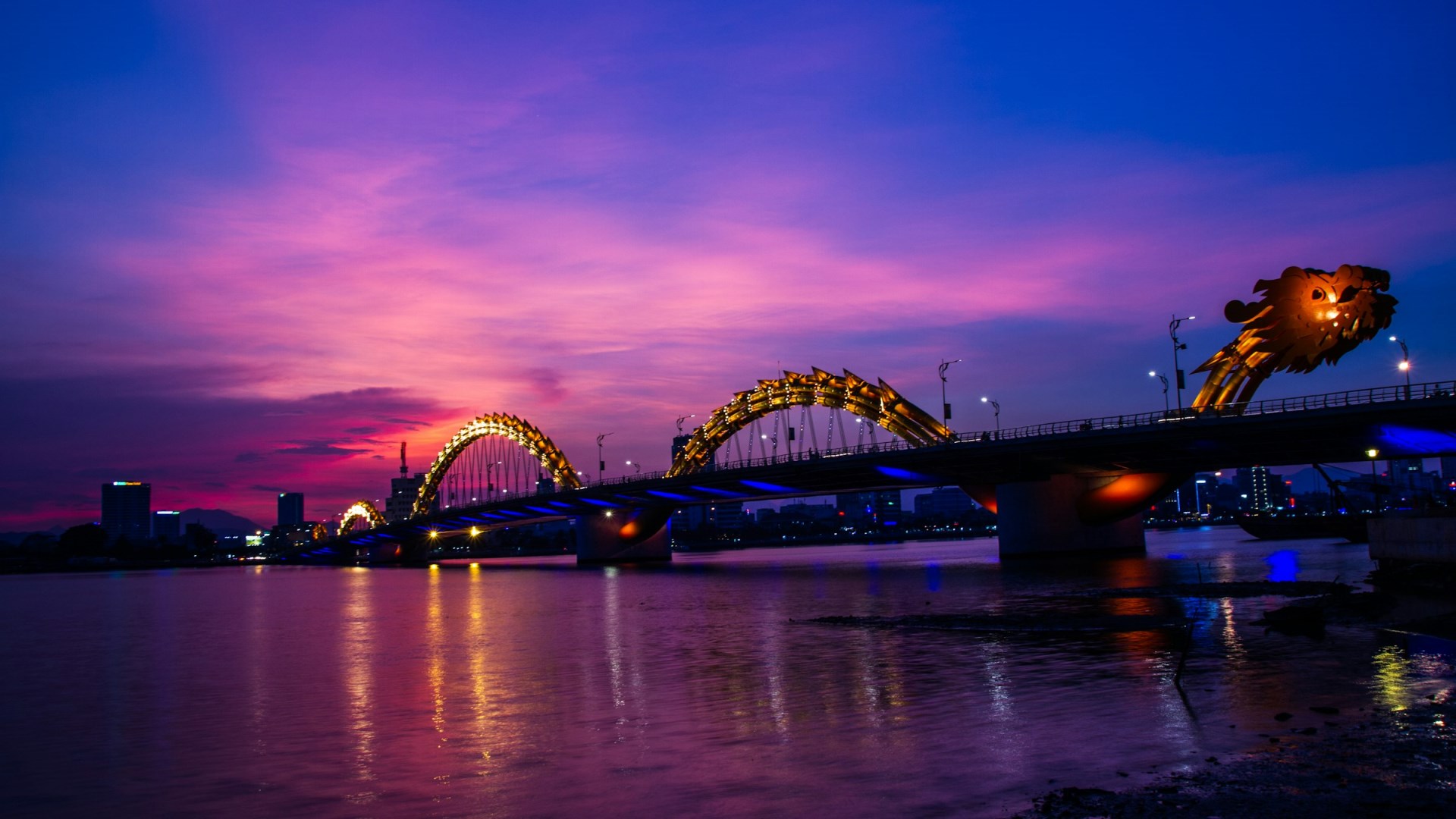
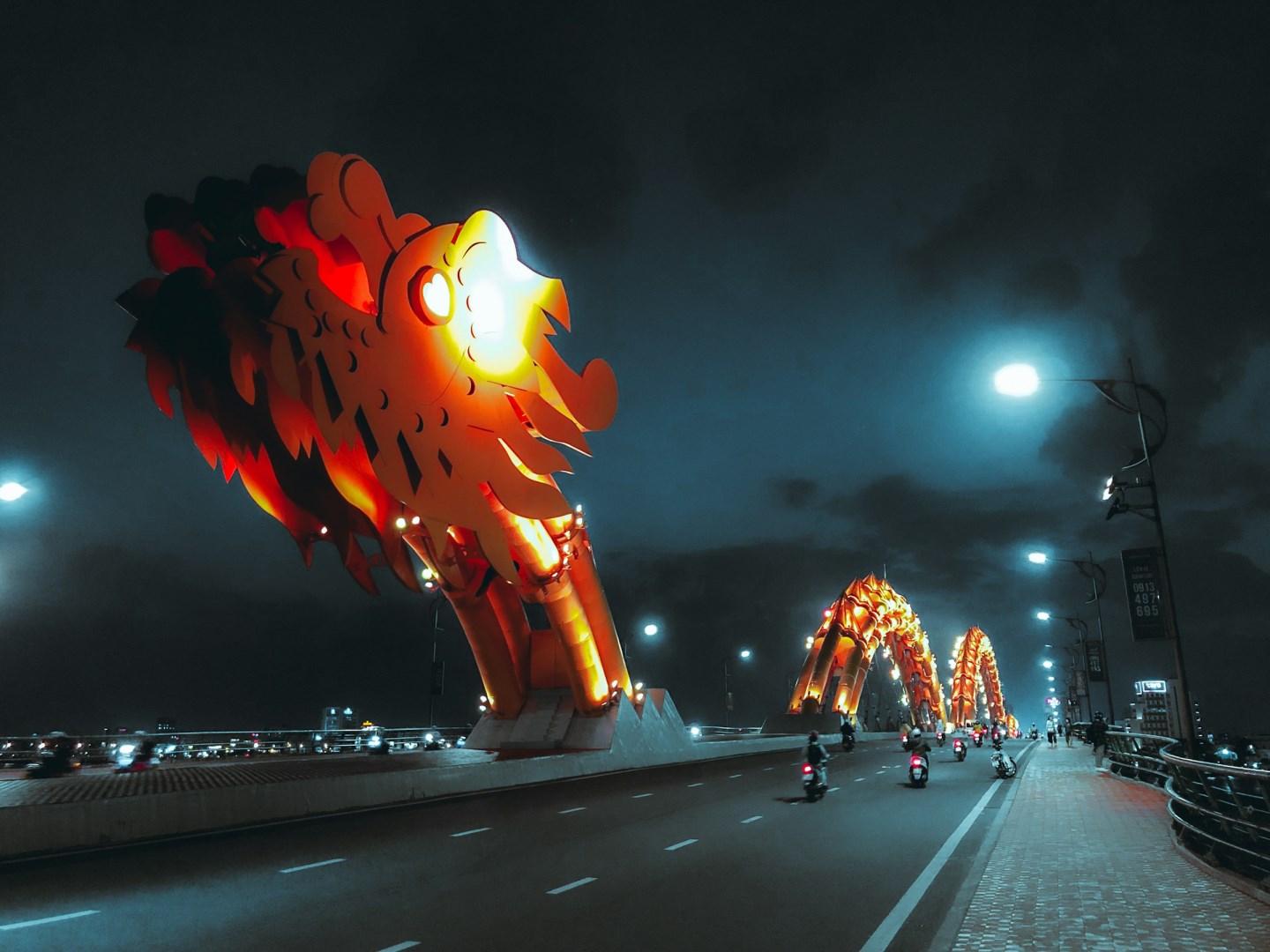
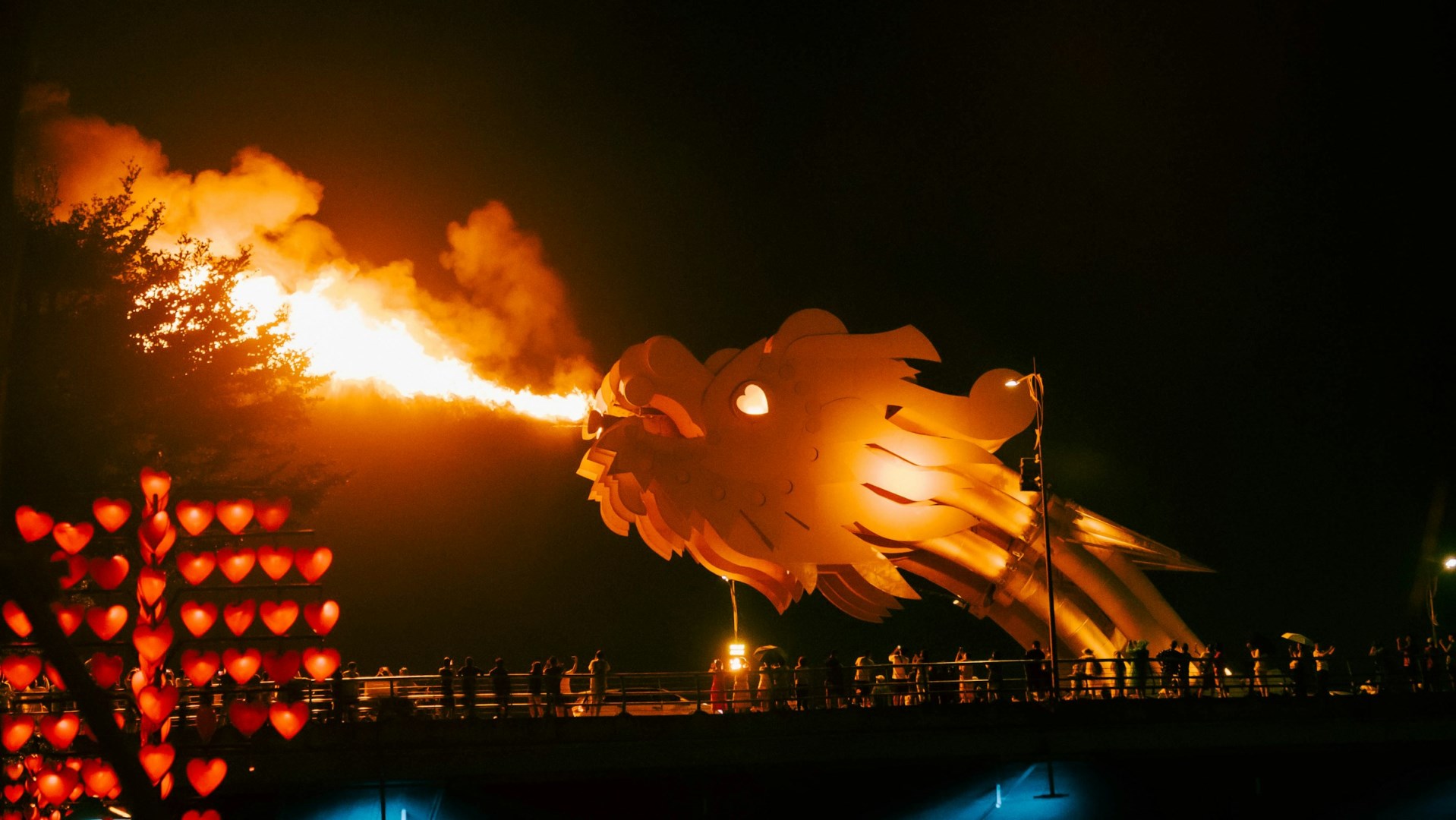
Cultural enthusiasts will appreciate Da Nang's unique blend of traditional and contemporary influences. The city’s culinary scene is a highlight, with local dishes such as Mi Quang (turmeric noodles) and banh xeo (Vietnamese pancakes) offering a taste of regional flavors. For a touch of historical charm, visit the Han Market, a bustling hub where you can shop for local crafts and sample authentic Vietnamese street food. The city is also home to the Dragon Bridge, a modern marvel that breathes fire and water on weekends, showcasing Da Nang's innovative spirit.
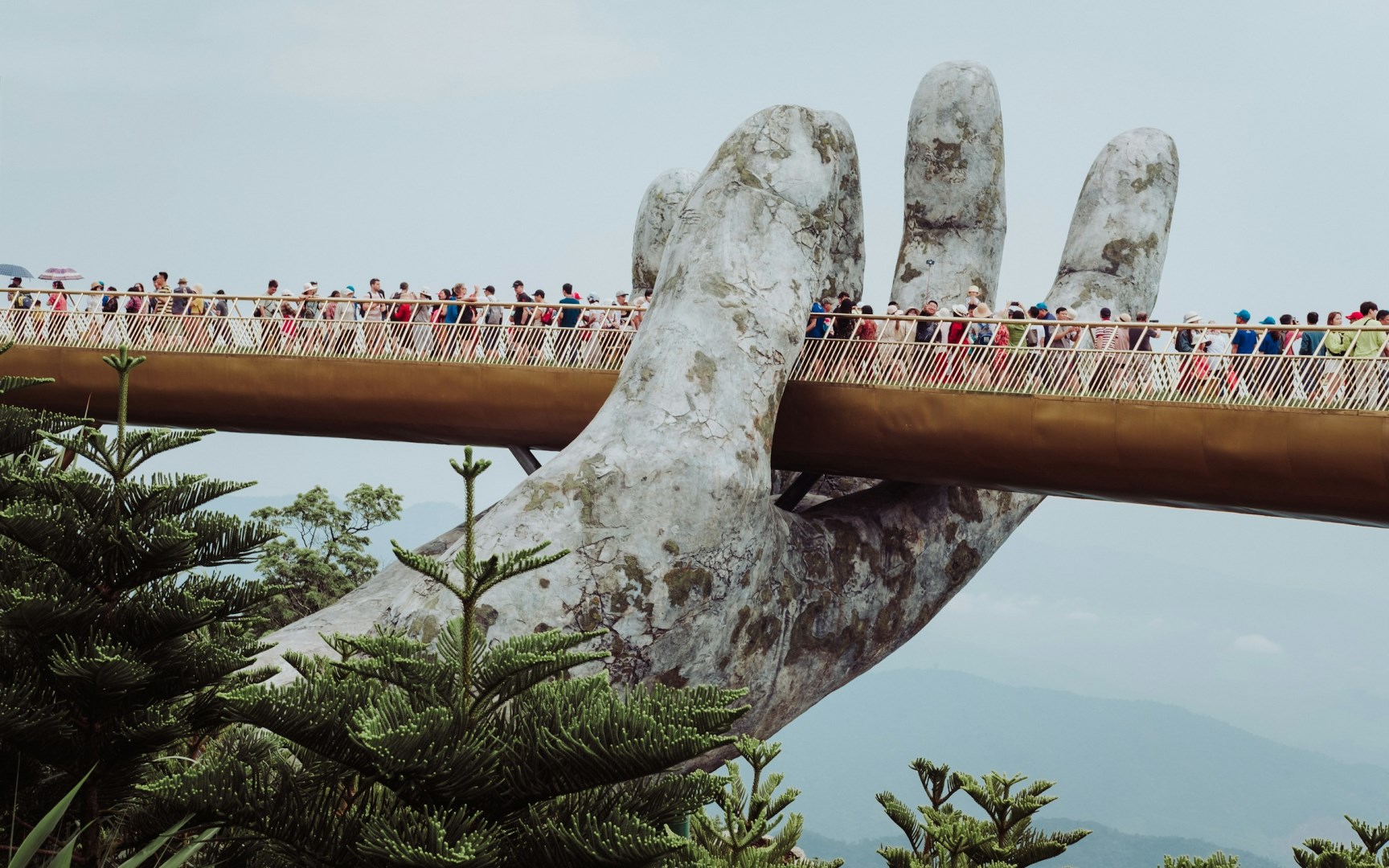
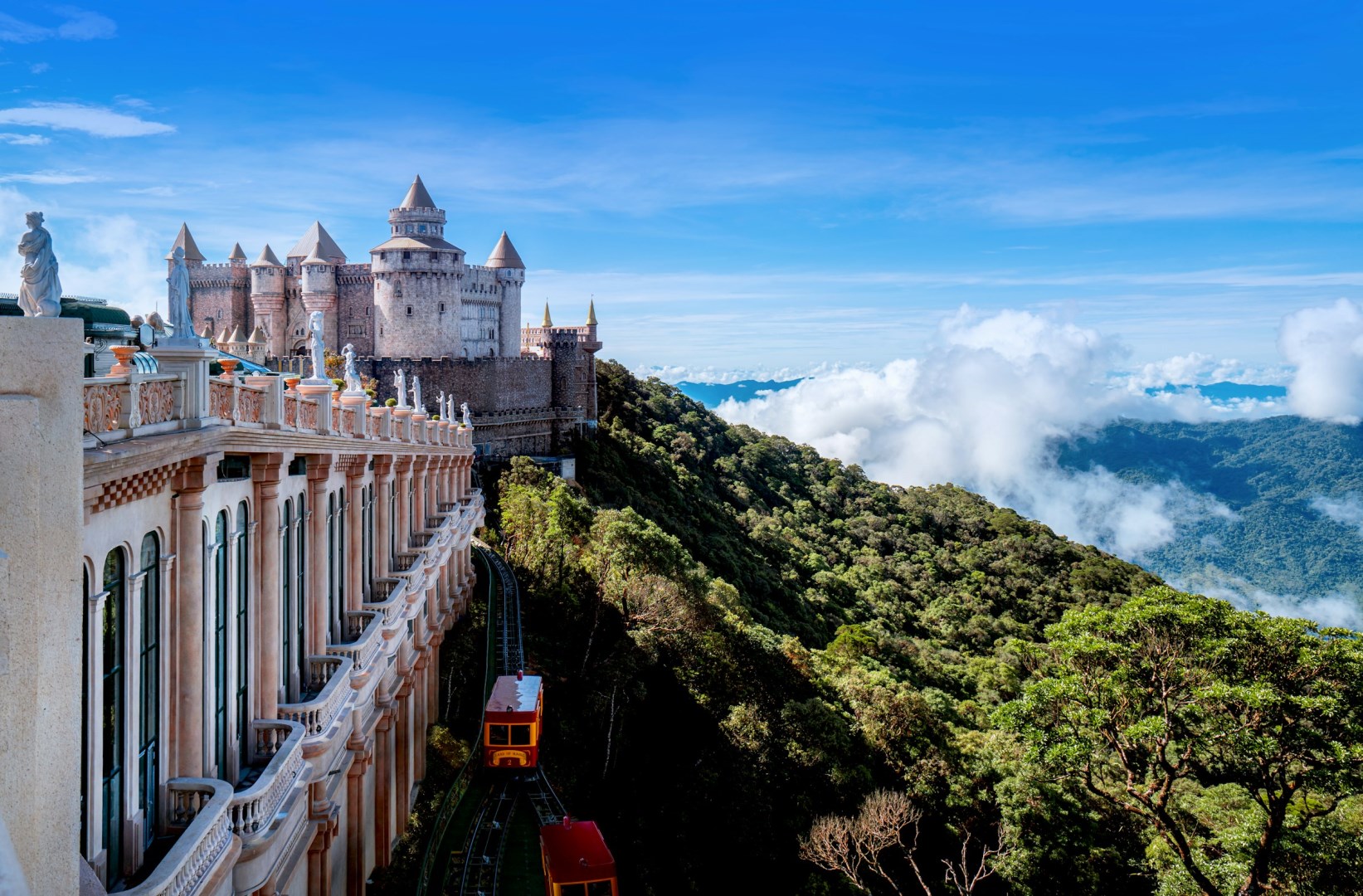
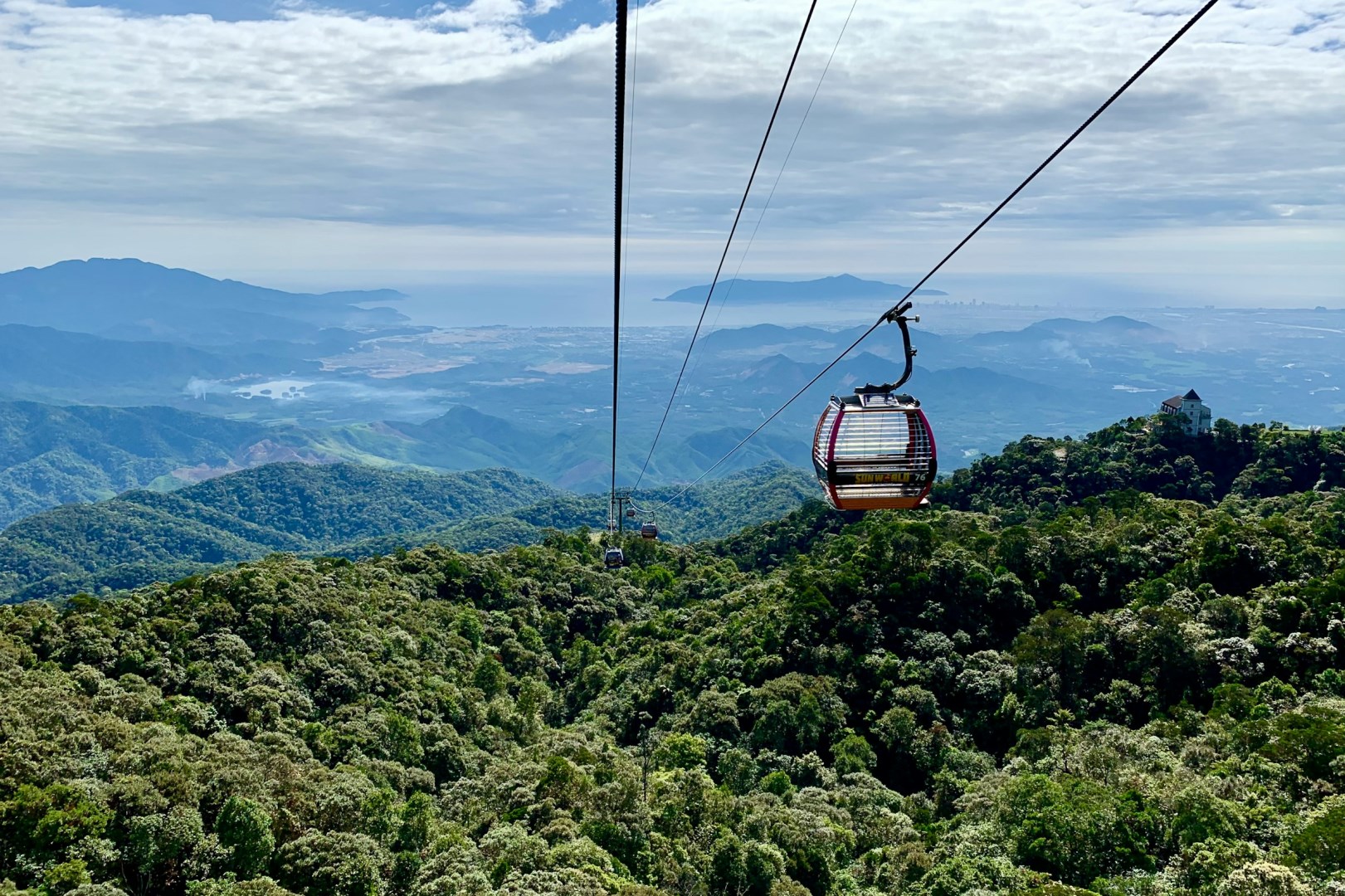
The city's recent development has transformed it into a modern metropolis while preserving its cultural essence. Attractions like the Golden Bridge, held aloft by massive stone hands, have become iconic symbols of Da Nang. This pedestrian bridge offers not only spectacular views of the surrounding mountains and sea but also an unforgettable photo opportunity. The nearby Ba Na Hills resort, with its European-style architecture and amusement park, adds a whimsical touch to the region's diverse offerings.
Slogan: "Da Nang: Where the Past Meets the Present in Coastal Splendor."
Fun Fact: Da Nang is renowned for having one of the world's most spectacular bridges, the Golden Bridge, which has gained international acclaim for its stunning design and panoramic views.
Discover Da Nang between March and August for the best weather, as the city enjoys sunny days and warm temperatures, perfect for exploring its many attractions and enjoying its beautiful beaches.