Photo Credit: Aleksandr Barsukov
Golden Bridge on Ba Na Hills
Photo Credit: Photo by Andreea Popa on Unsplash
Golden Bridge
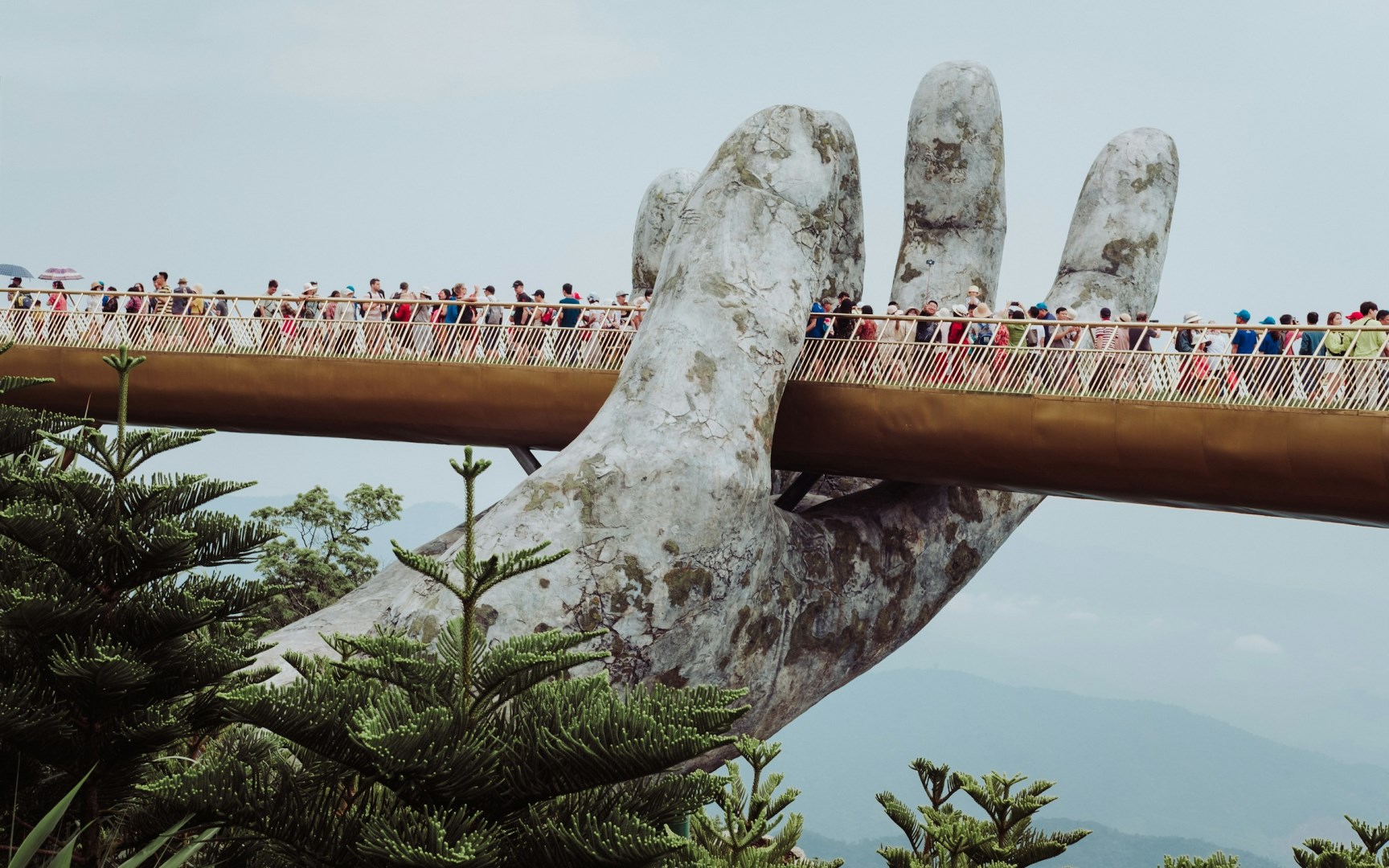
Rising up from the verdant green hills in Ba Na, Vietnam is the Golden Bridge. Giant hands appear to rise from the earth to hold the bridge aloft, giving visitors phenomenal views.
Dragon Bridge
Photo Credit: Photo by Andrea De Santis on Unsplash
Dragon Bridge
Photo Credit: Photo by Christian on Unsplash
Dragon Bridge
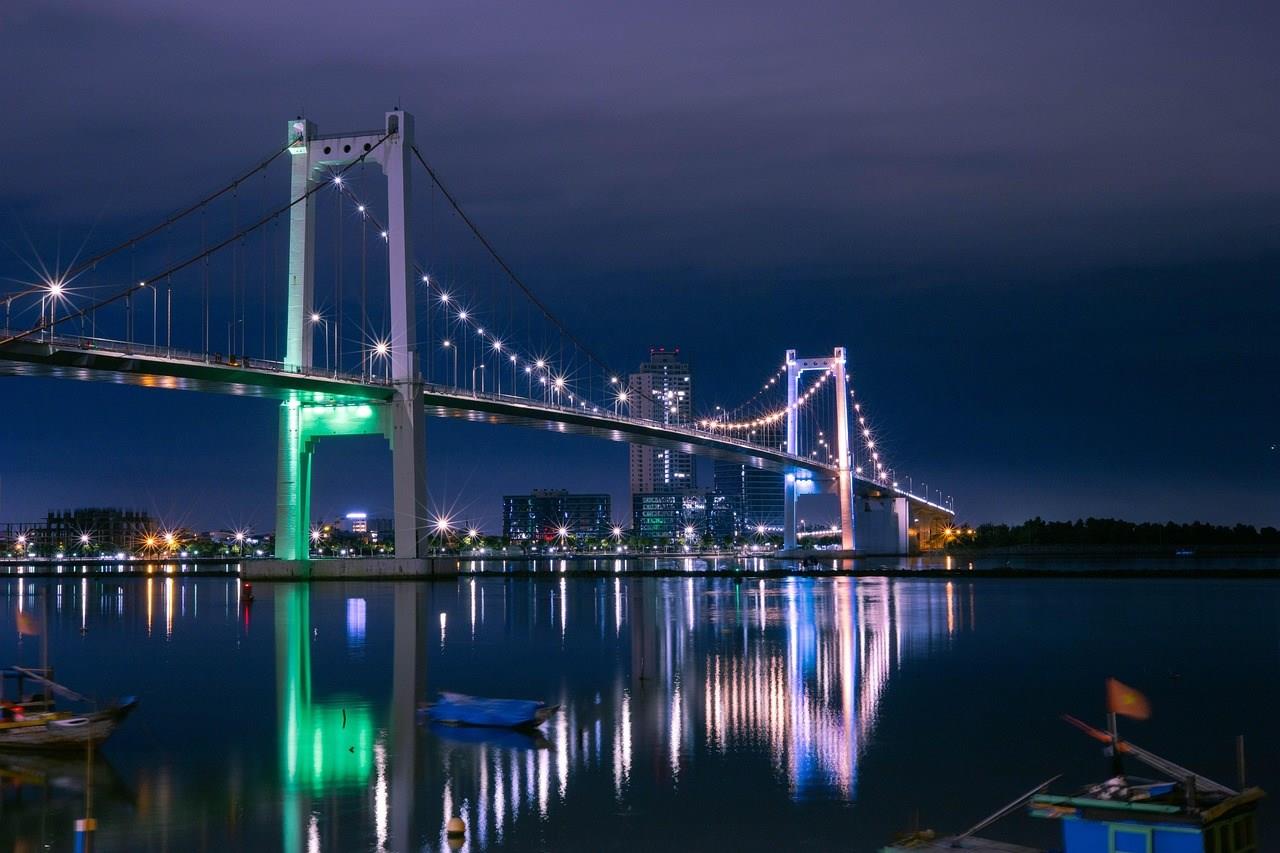
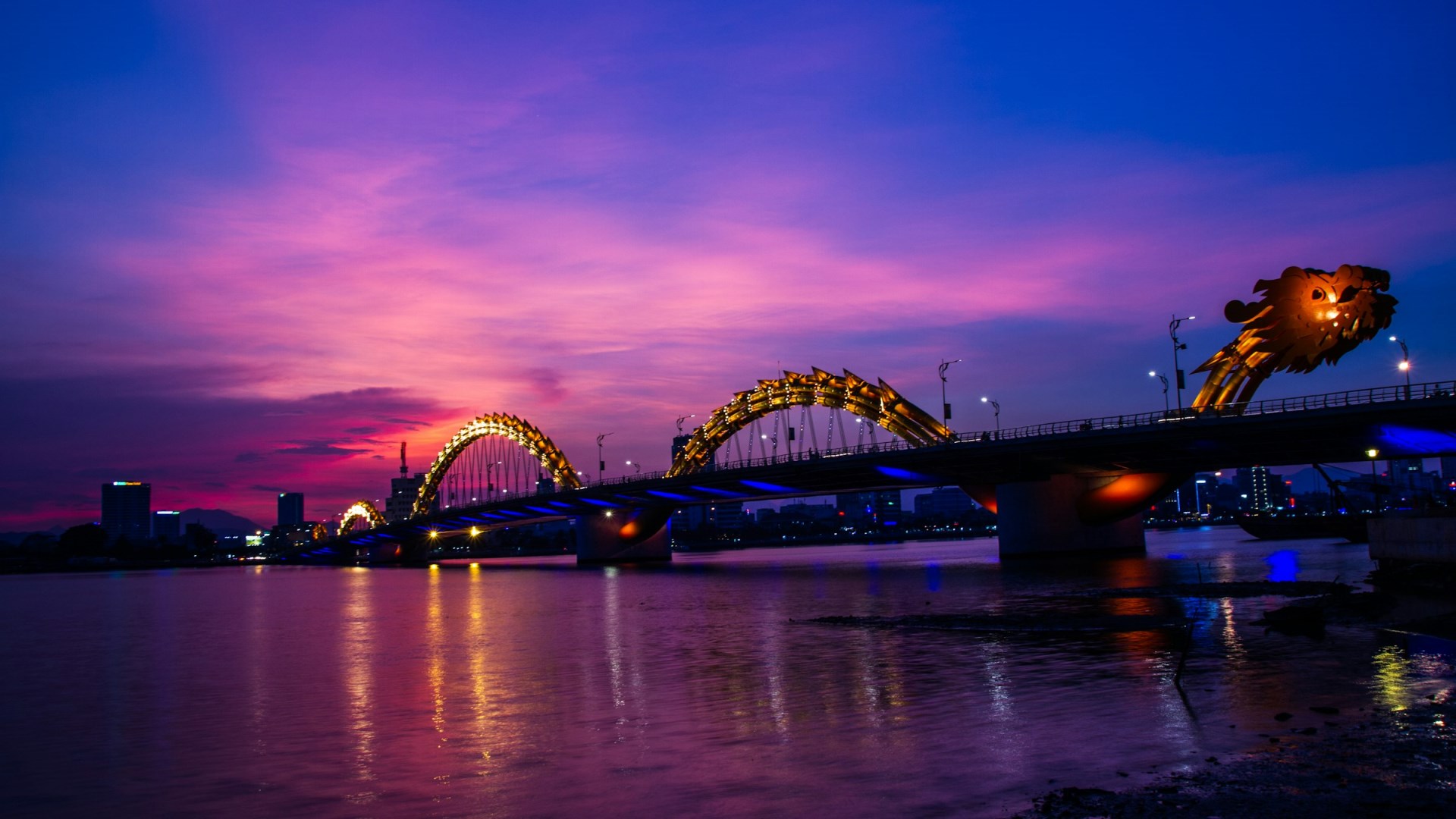
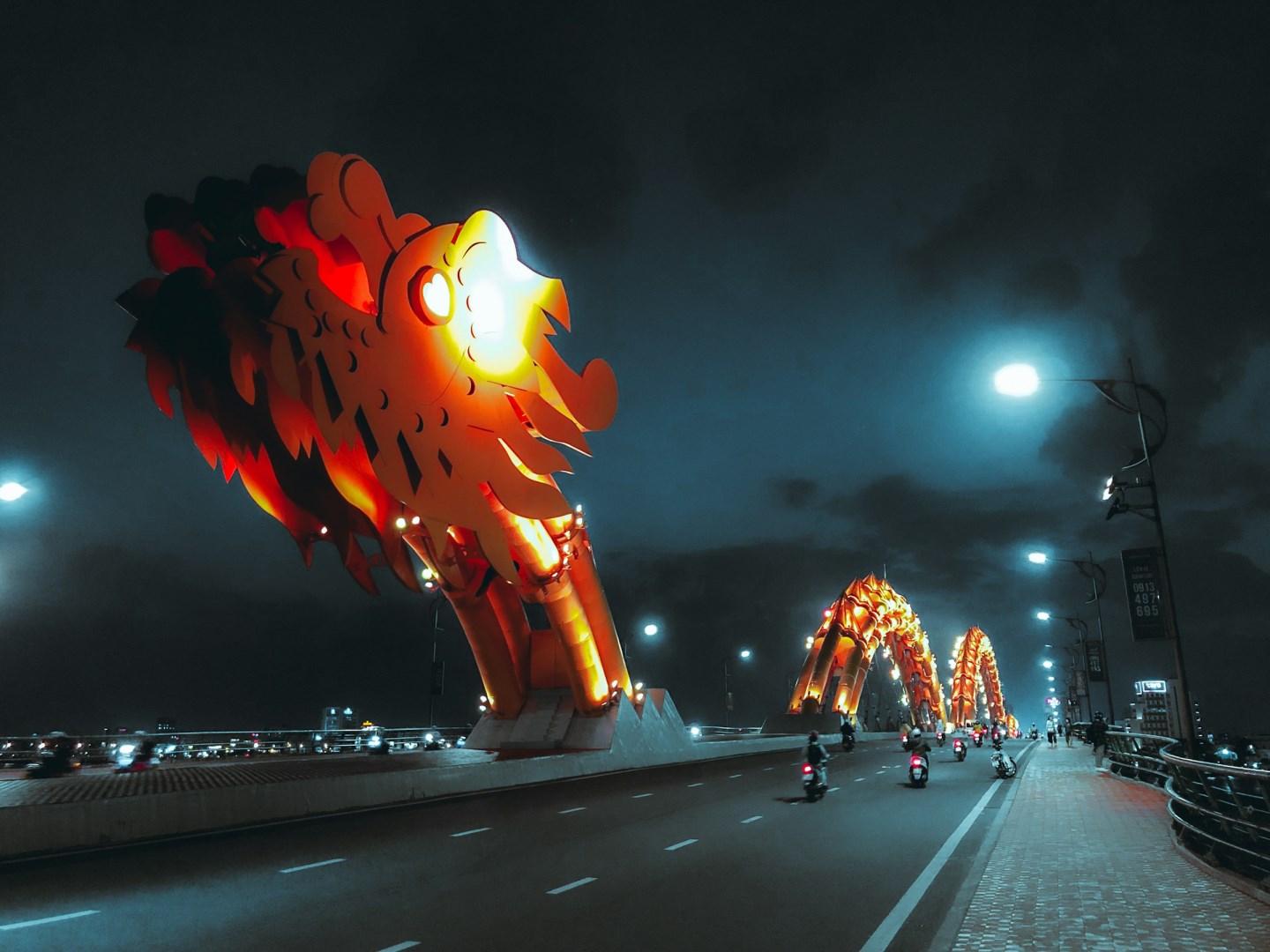
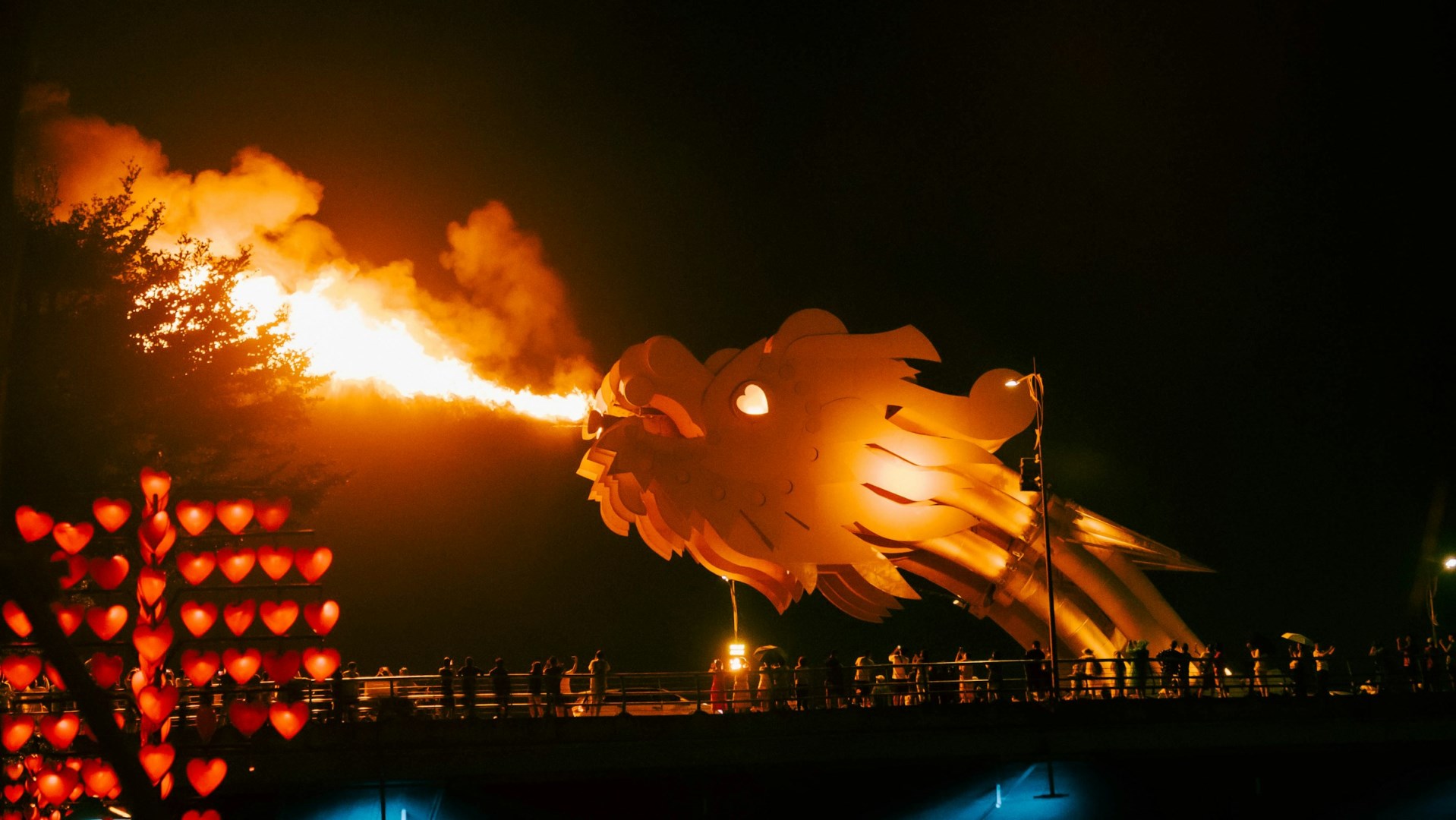
Dragon Bridge, or Cầu Rồng, is a major landmark in Da Nang, spanning the Han River and linking the city center with the eastern side of the city. The 666-meter bridge is designed as a long, golden dragon inspired by the dragon imagery associated with Vietnamese culture, with its head facing toward the sea. Its steel structure combines transportation with a highly recognizable architectural form, while color-changing LED lights illuminate the dragon after dark. On weekend evenings and major holidays, the dragon’s head produces fire followed by water, creating a distinctive public spectacle along the river.
Love Bridge
Photo Credit: Photo by Khoi Tran on Unsplash
Love Bridge
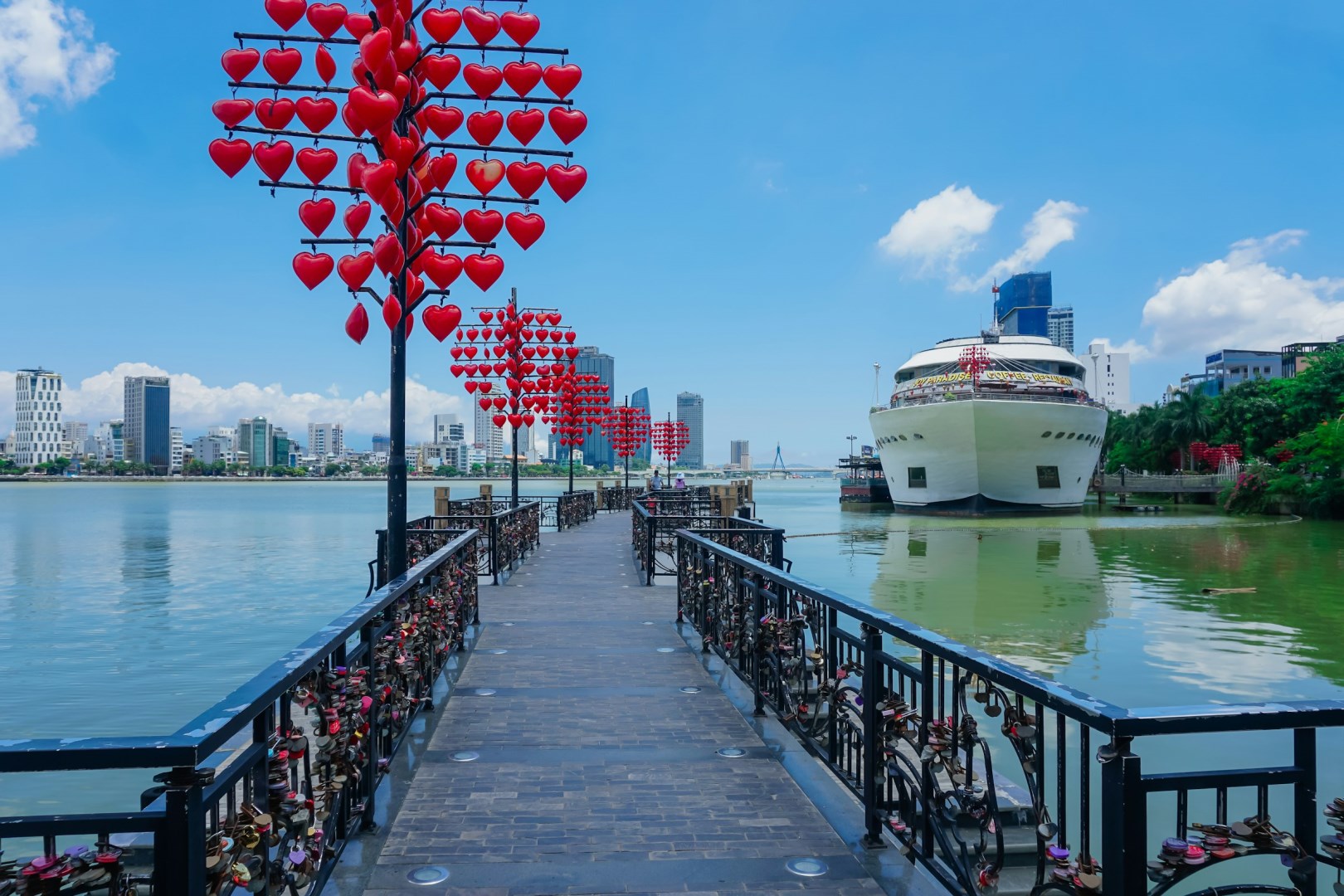
Da Nang’s Love Bridge, or Cầu Tình Yêu, is a pedestrian walkway along the eastern bank of the Han River, near Dragon Bridge and the Carp-Dragon Statue. The arched bridge is about 68 meters long and is lined with metal railings where couples attach padlocks engraved with names or messages. Its heart-shaped lanterns illuminate the walkway after dark, while the river provides views toward Da Nang’s illuminated bridges and skyline. Inspired by the tradition of love-lock bridges elsewhere, the site has become a recognizable riverside meeting place and a popular spot for evening walks, photography, and enjoying the city lights.
Ba Na Hills
Photo Credit: Photo by Vivu Vietnam on Unsplash
Cable car ride to Ba Na hills
Photo Credit: Photo by Stefan K on Unsplash
Ba Na Hills
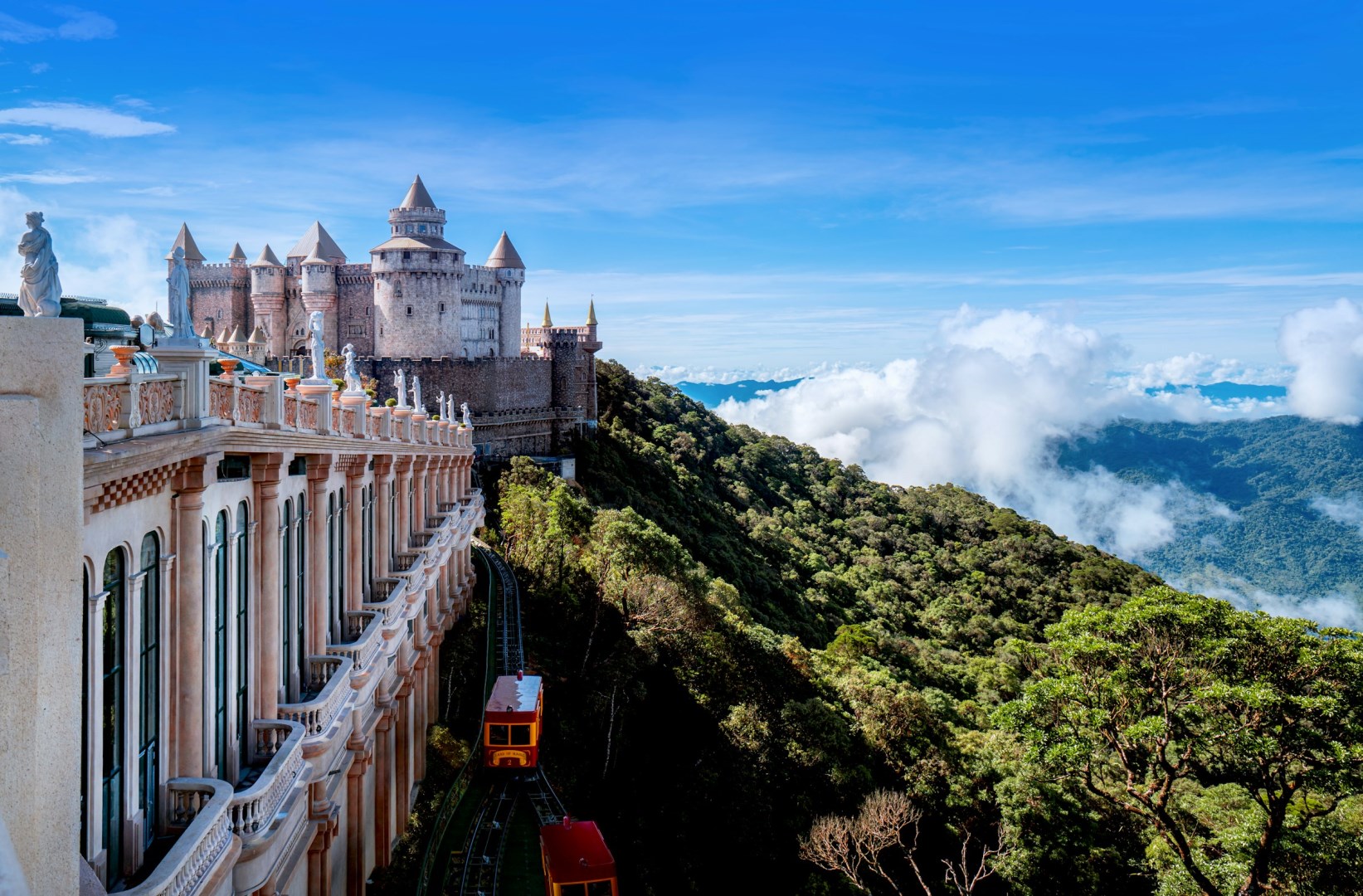
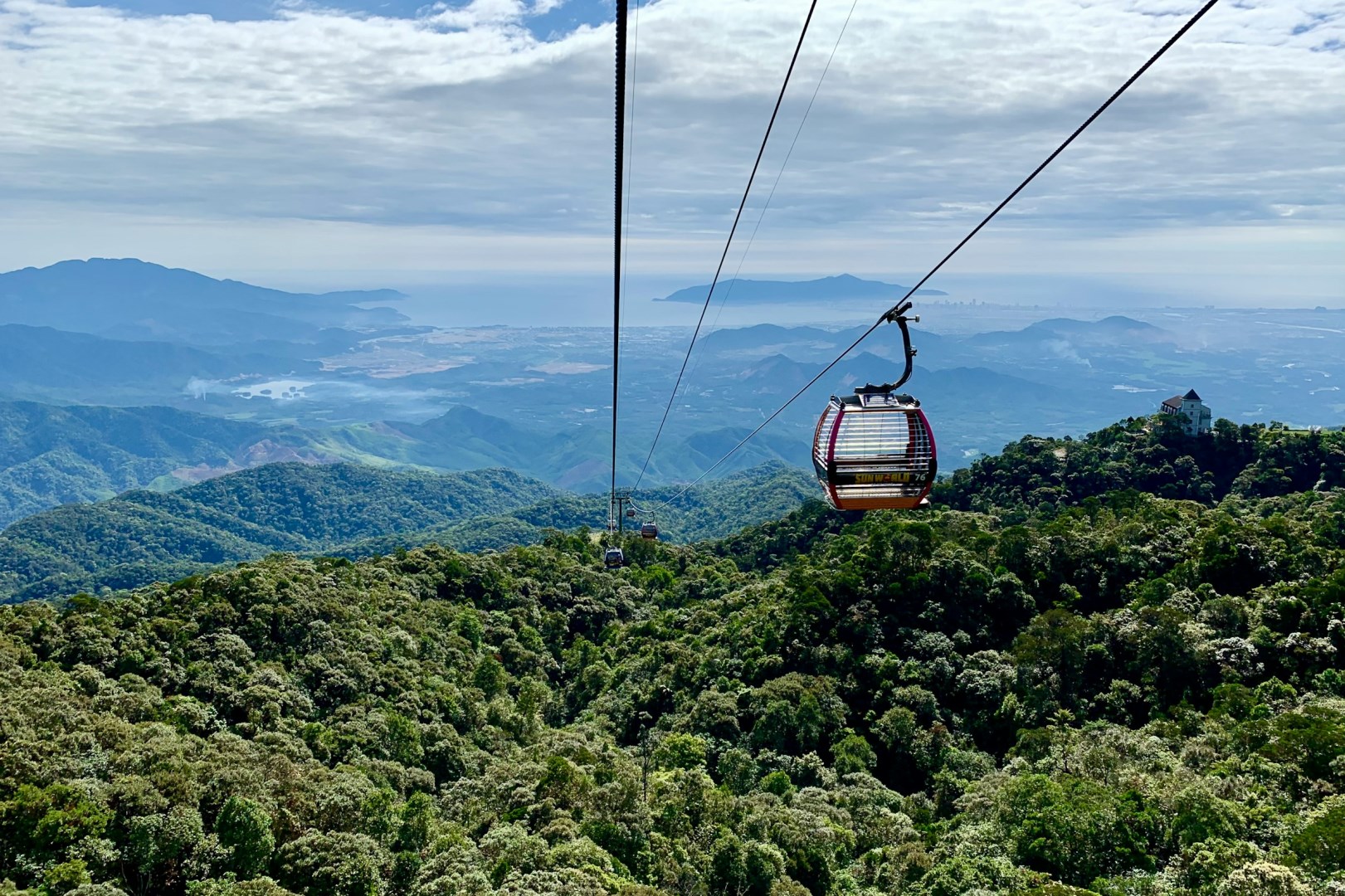
Ba Na Hills is a mountain resort and entertainment complex located more than 20 kilometers from central Da Nang, at an elevation of about 1,487 meters on Nui Chua Mountain. It is reached by a long cable-car journey over forested slopes and is known for its cooler mountain climate and cloud-covered scenery. The complex includes the Golden Bridge, whose nearly 150-meter walkway is supported by two giant stone-colored hands, as well as the French Village, Fantasy Park, flower gardens, and other themed attractions. Its combination of mountain landscapes and large-scale architecture makes Ba Na Hills one of Da Nang’s most distinctive visitor sites.
The Marble Mountains
Photo Credit: Photo by Nik V on Unsplash
On top of The Marble Mountains
Photo Credit: Photo by Jack Young on Unsplash
The Marble Mountains
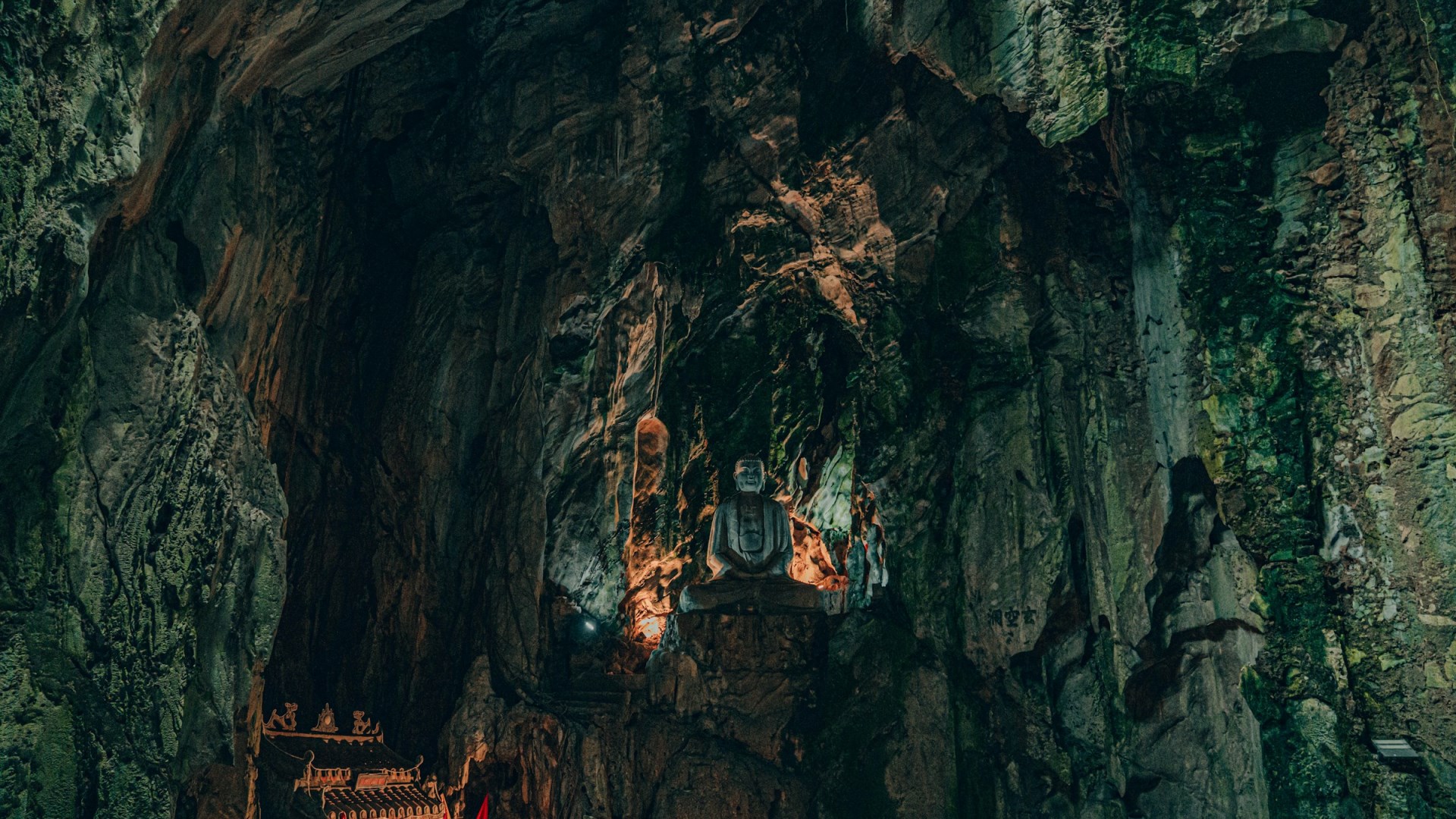
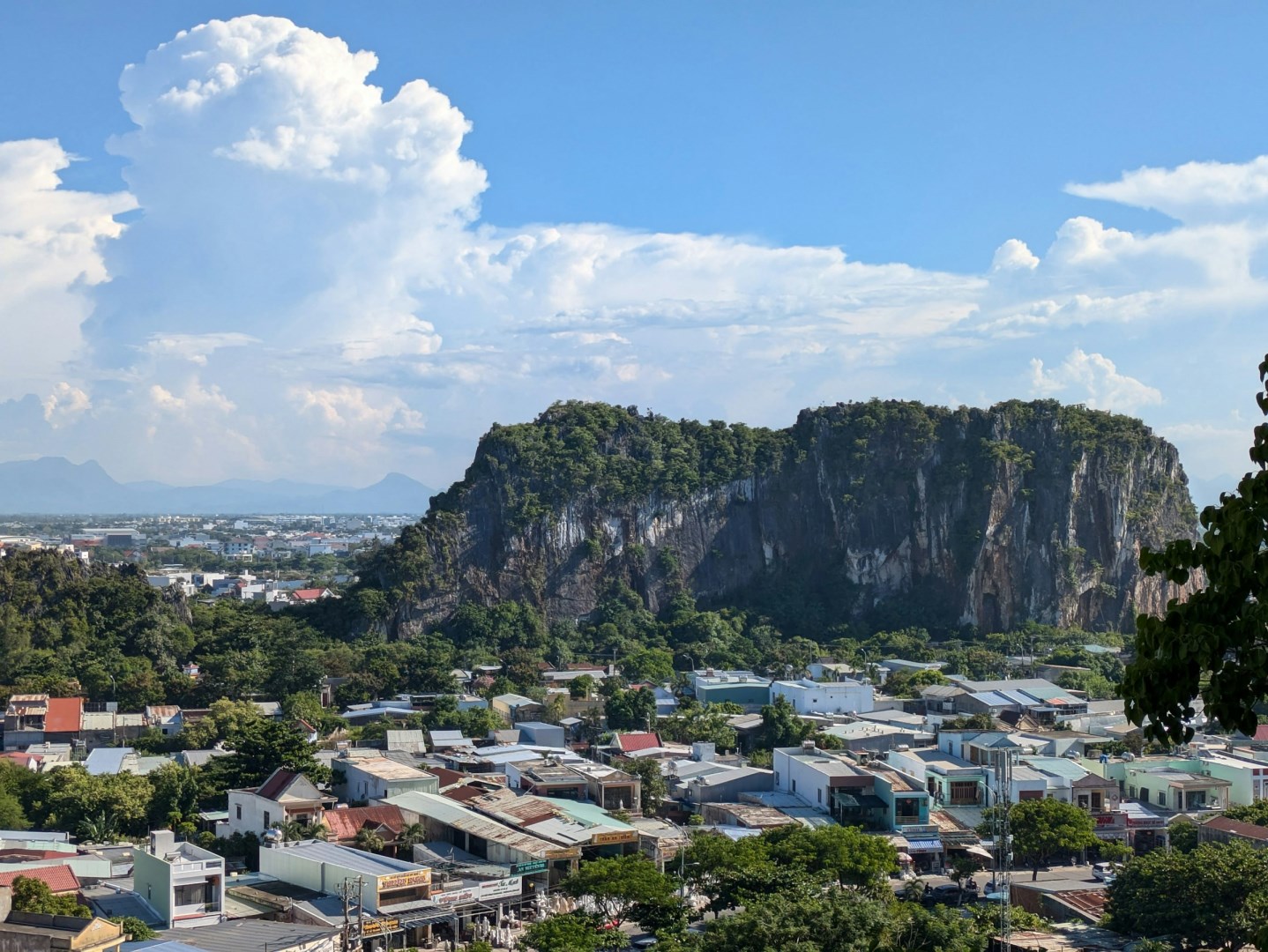
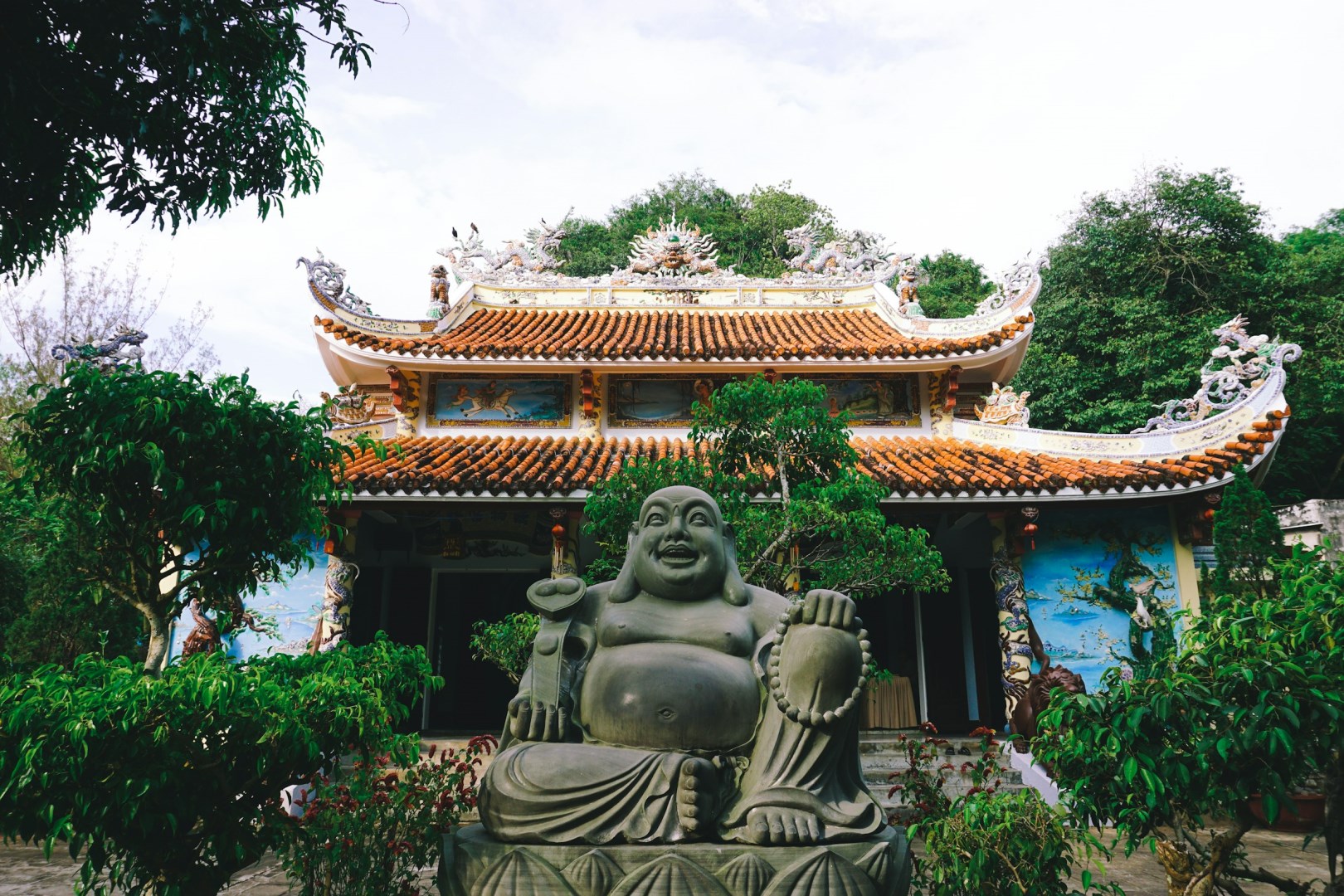
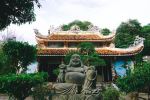
The Marble Mountains, or Ngu Hanh Son, are a group of limestone and marble peaks about 8 kilometers southeast of central Da Nang. Named for the five elements of Eastern philosophy—Metal, Wood, Water, Fire, and Earth—the mountains contain caves, pagodas, shrines, stone stairways, and elevated viewpoints. Thuy Son, the main mountain open to visitors, is home to Huyen Khong Cave, Am Phu Cave, Tam Thai Pagoda, and Linh Ung Pagoda. The site also has strong spiritual importance, with traces of Cham and Buddhist traditions, while nearby Non Nuoc is known for its long-established stone carving craft.
Mũi Nghê
Photo Credit: Photo by Toàn Vinh on Unsplash
Mũi Nghê
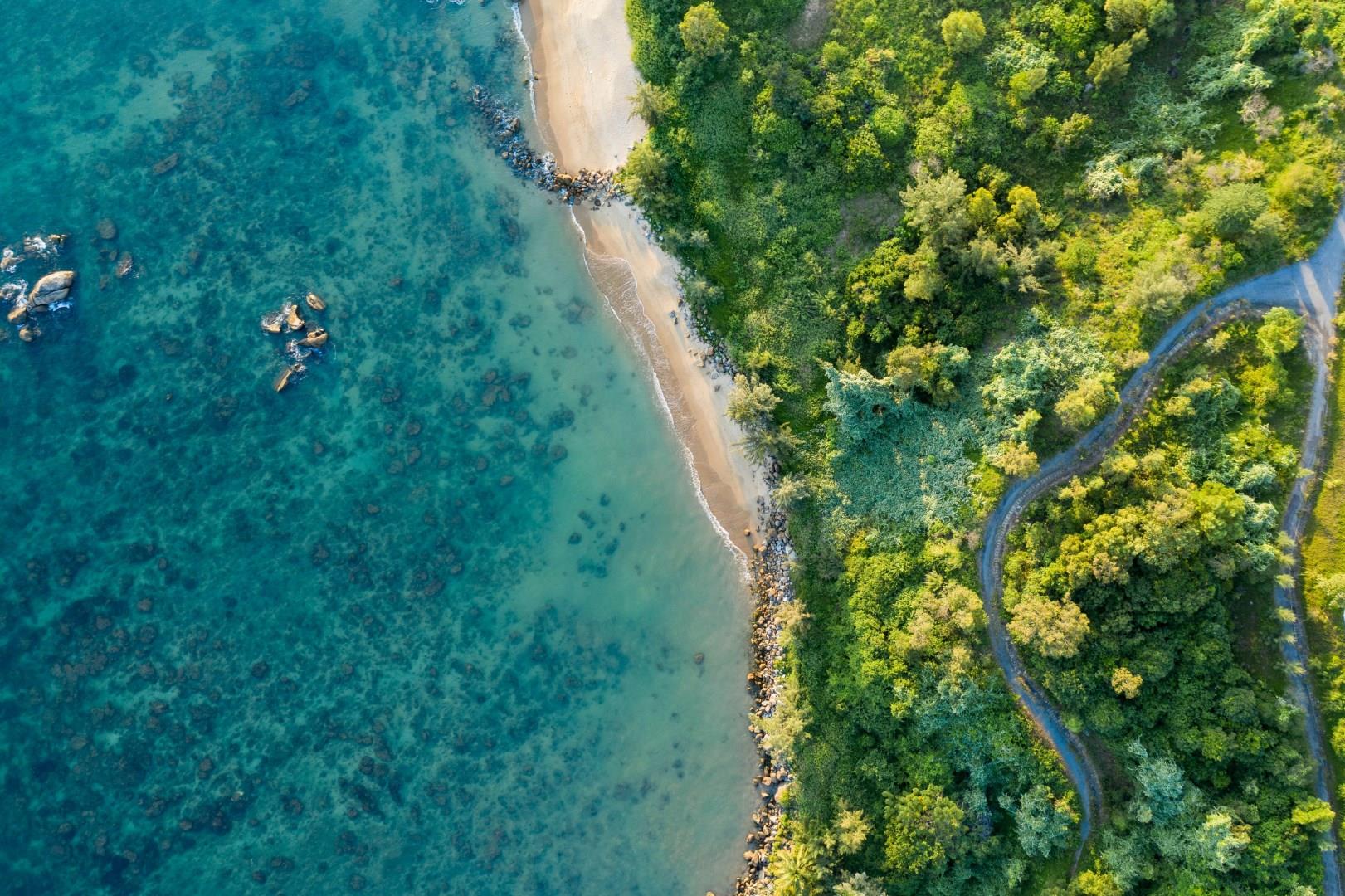
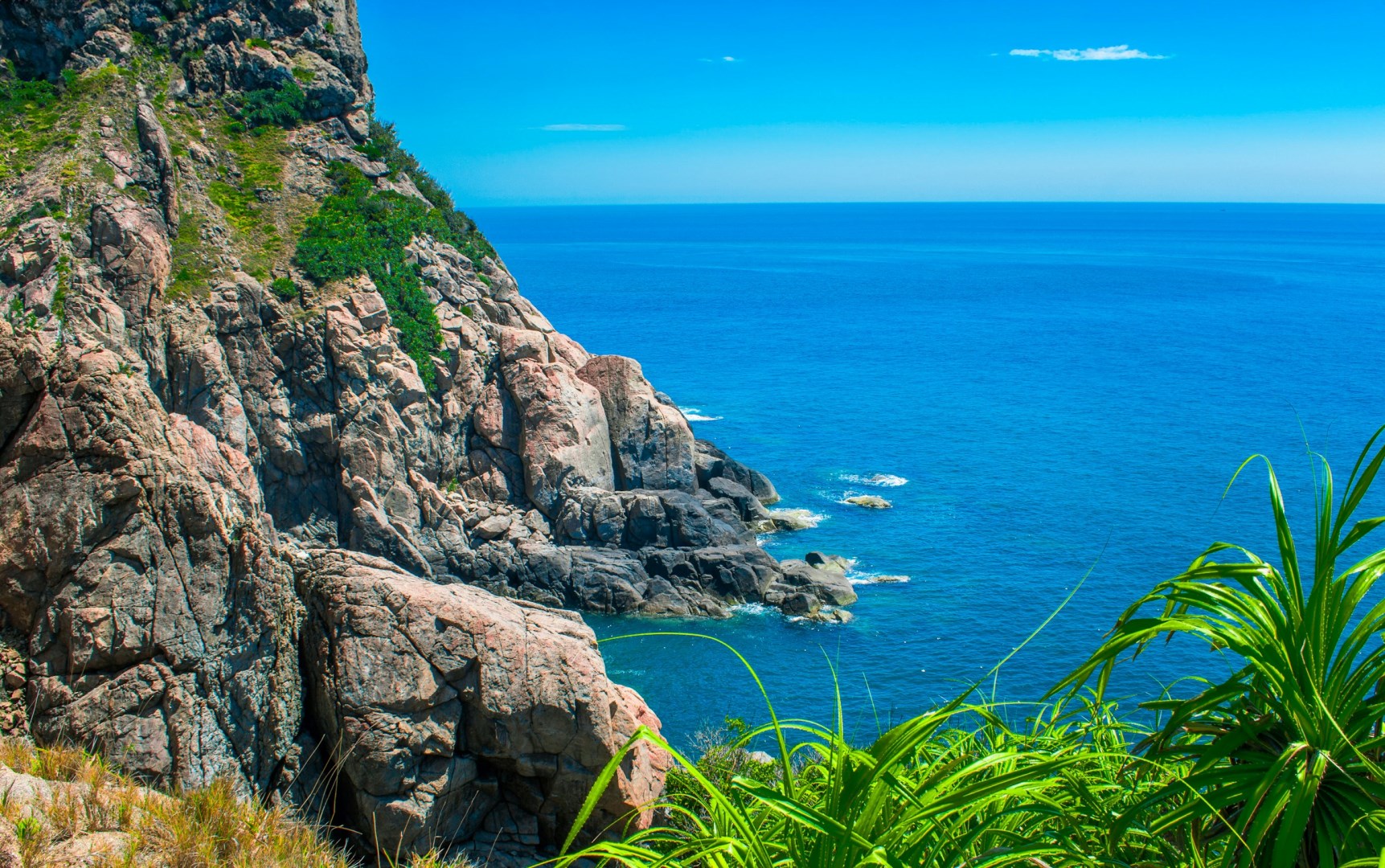
Mũi Nghê is a rocky headland on the eastern side of Da Nang’s Sơn Trà Peninsula and is regarded as the city’s easternmost point. The name refers to the shape of the rocky formation, which resembles a sea creature in local descriptions. The area is known for its open views across the East Sea and for a small natural pool of clear blue water surrounded by rock. Mũi Nghê is also a popular location for watching sunrise, as the headland faces toward the sea. Its setting within Sơn Trà’s protected forest gives the site a more secluded character than many of Da Nang’s urban waterfront attractions.