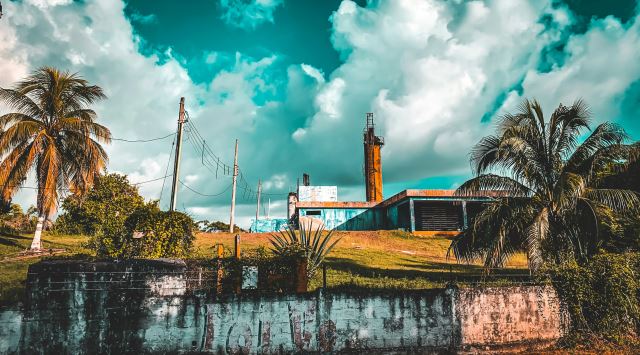
Islamic and French influences blend together in charming Casablanca, Morocco’s iconic coastal city. Frequently used as a port for Spanish and Mediterranean cruises, Casablanca lies halfway between Marrakesh and Fes and is the perfect entryway for exploring the rest of Morocco.
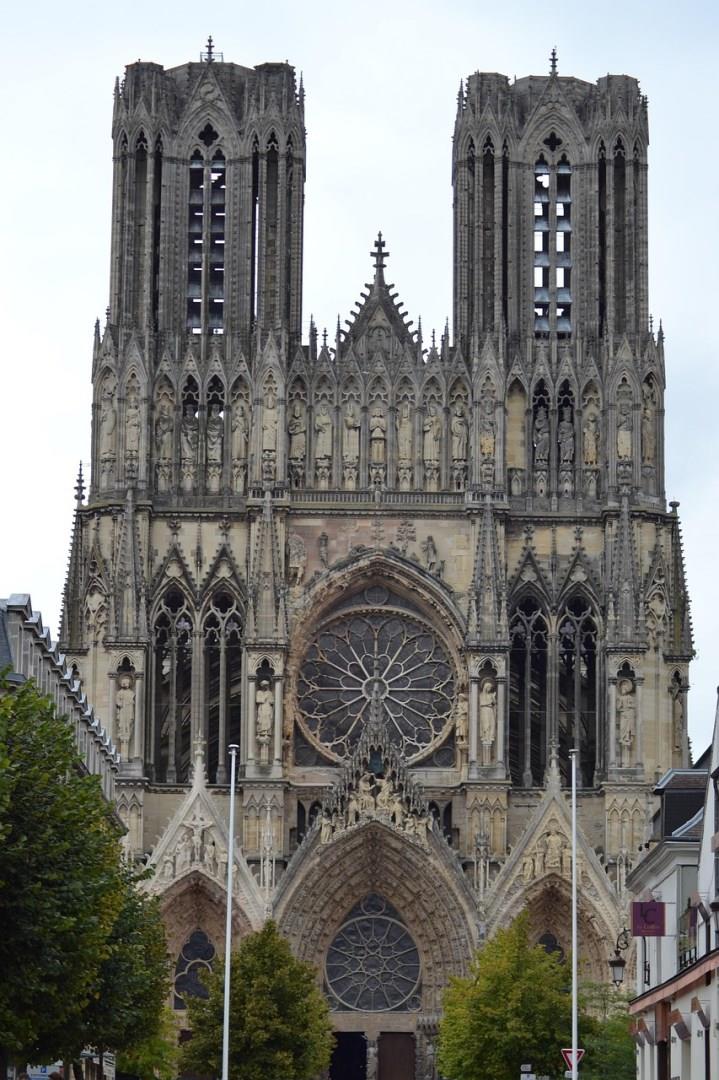
France’s city of Reims, located in the heart of the Champagne region, is a place where history and celebration meet. Known for its towering cathedral, Reims played a central role in French royal tradition. Nearly every French king was crowned at the Cathedral of Notre-Dame de Reims, a masterpiece of Gothic architecture that still dominates the skyline. The cathedral’s intricate facade and famous stained-glass window continue to draw visitors from around the world.
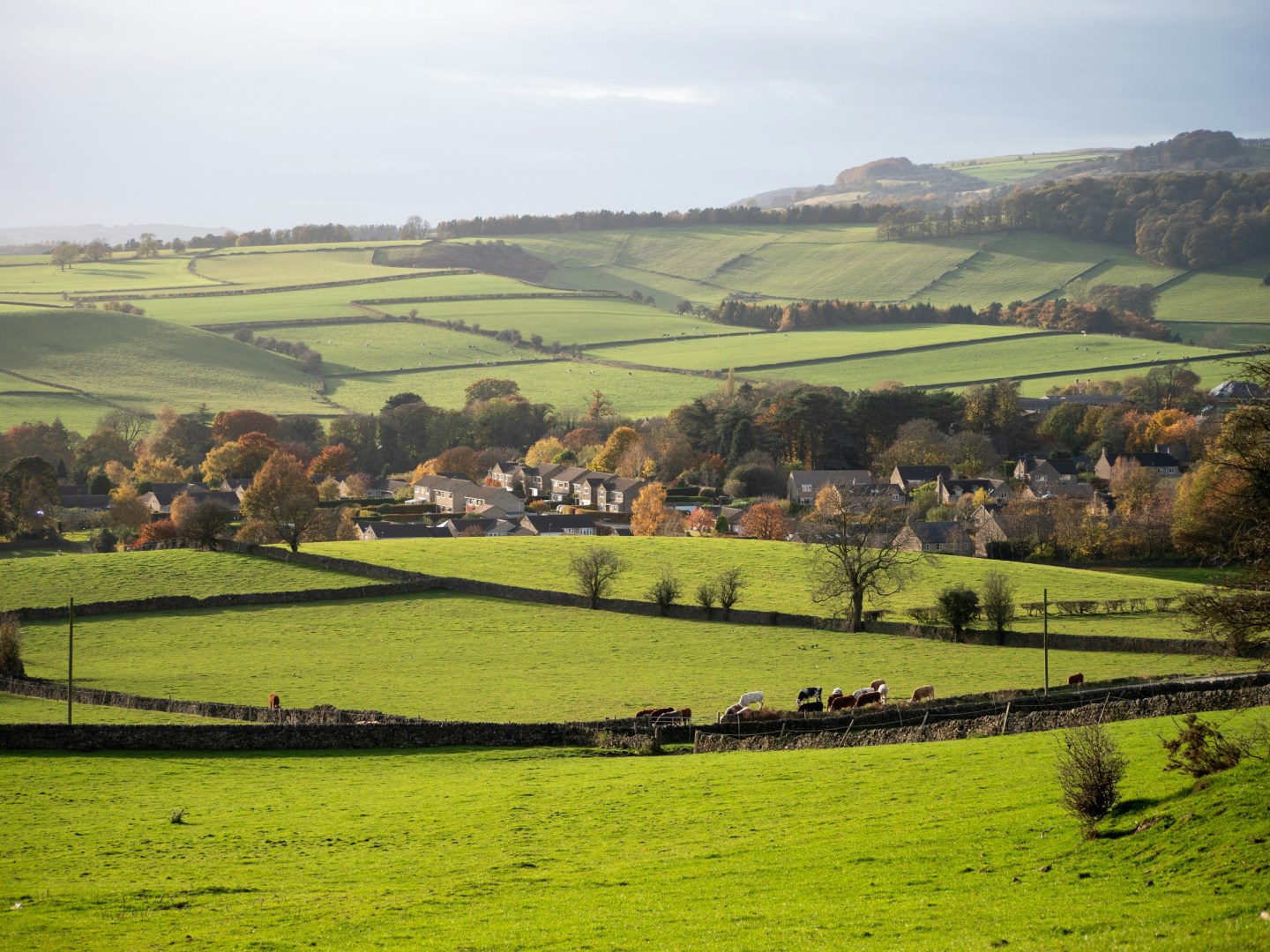
The Peak District National Park occupies a large area in central England, mainly across Derbyshire with smaller sections extending into Cheshire, Staffordshire, and Yorkshire. It is divided broadly into the gritstone moorlands of the Dark Peak, the limestone dales of the White Peak, and the rolling farmland of the South West Peak. Unlike a wilderness park, it is a lived-in landscape containing villages, farms, roads, reservoirs, and historic buildings.
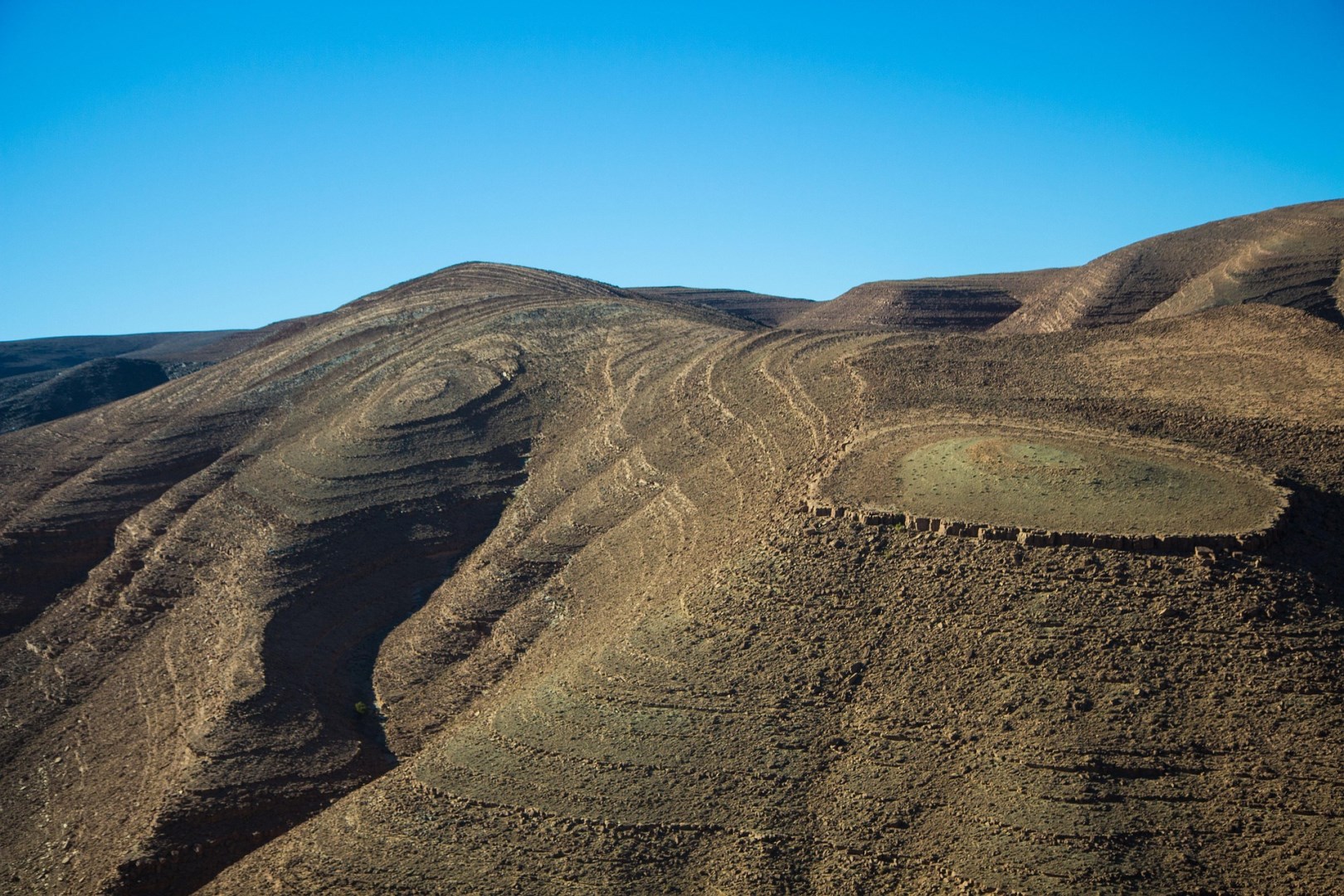
The Atlas Mountains extend across Morocco, Algeria and Tunisia, forming a vast system of ranges between the Mediterranean and Atlantic coasts and the Sahara.
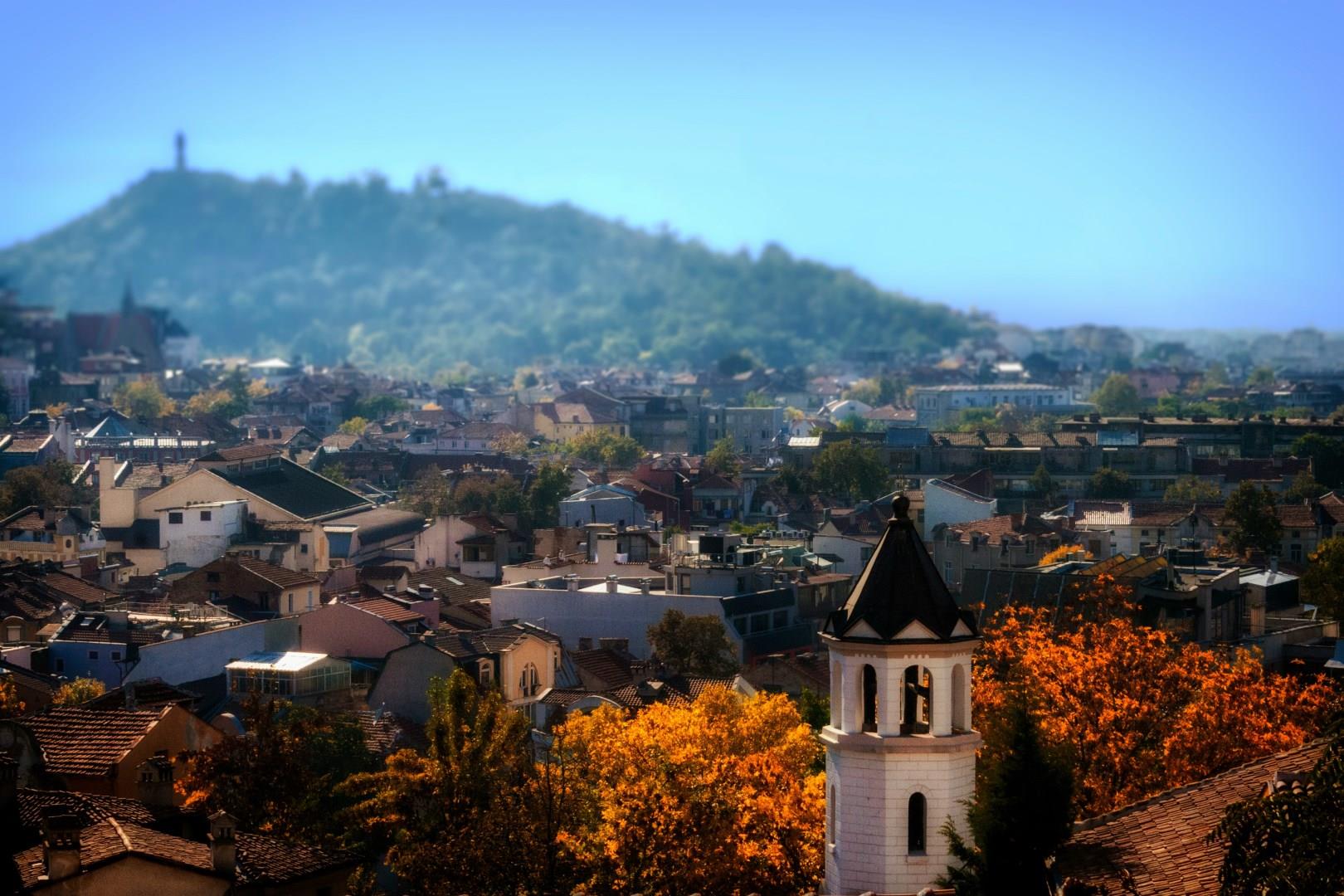
Plovdiv, one of the oldest continuously inhabited cities in Europe, carries over 8,000 years of history layered into its streets. The Roman Theater, still in use today, was discovered by accident in the 1970s and now hosts operas and concerts overlooking the Rhodope Mountains. Nearby, visitors can walk the remains of a Roman stadium buried beneath the main pedestrian street, where modern shops and cafés stand above ancient foundations.
Photo Credit: Photo by Vlad Tchompalov on Unsplash
Photo Credit: Photo by Tam Minton on Unsplash
Photo Credit: Photo by Vlad Tchompalov on Unsplash
Photo Credit: Photo by Fernando Jorge on Unsplash
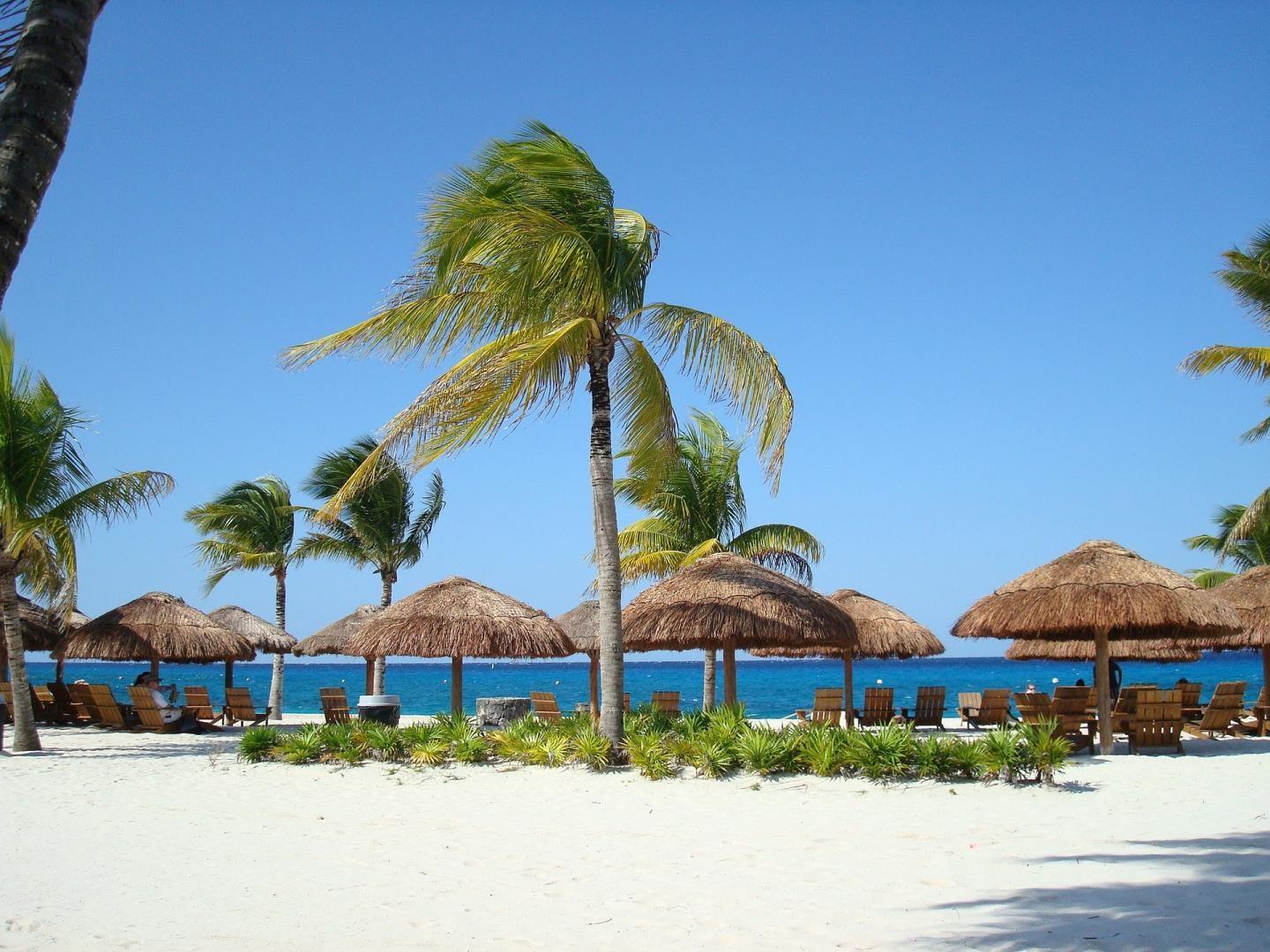
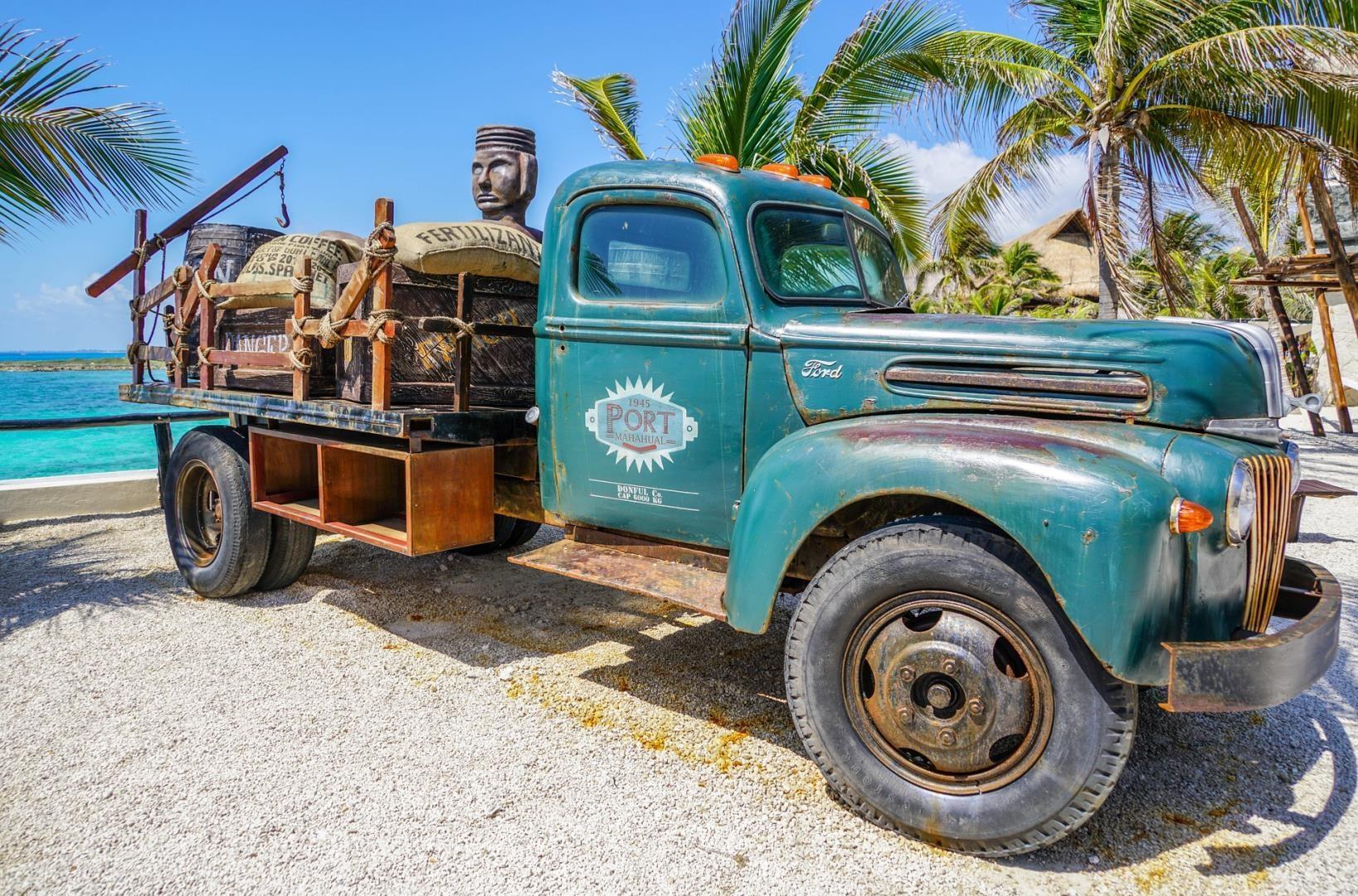
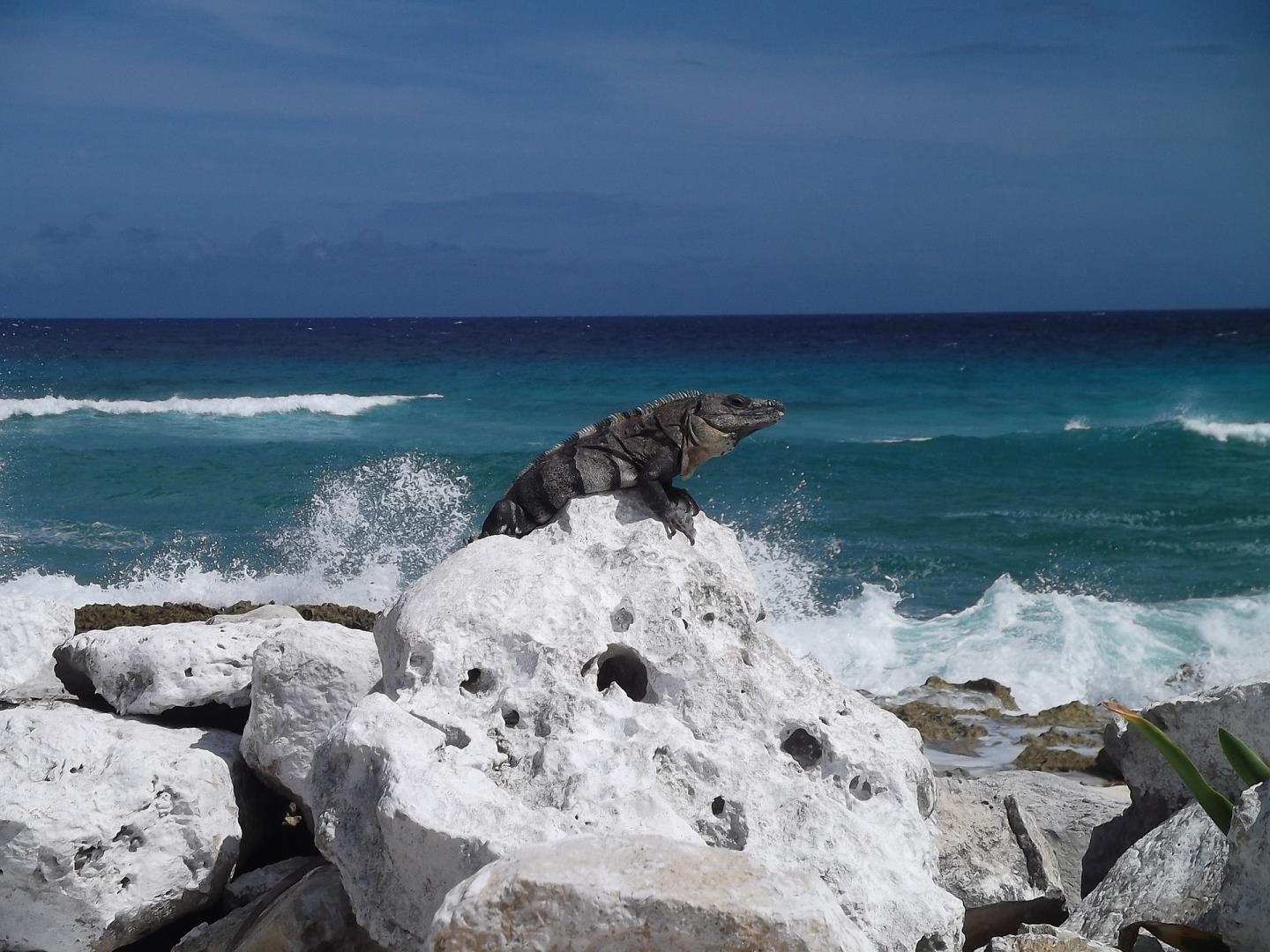
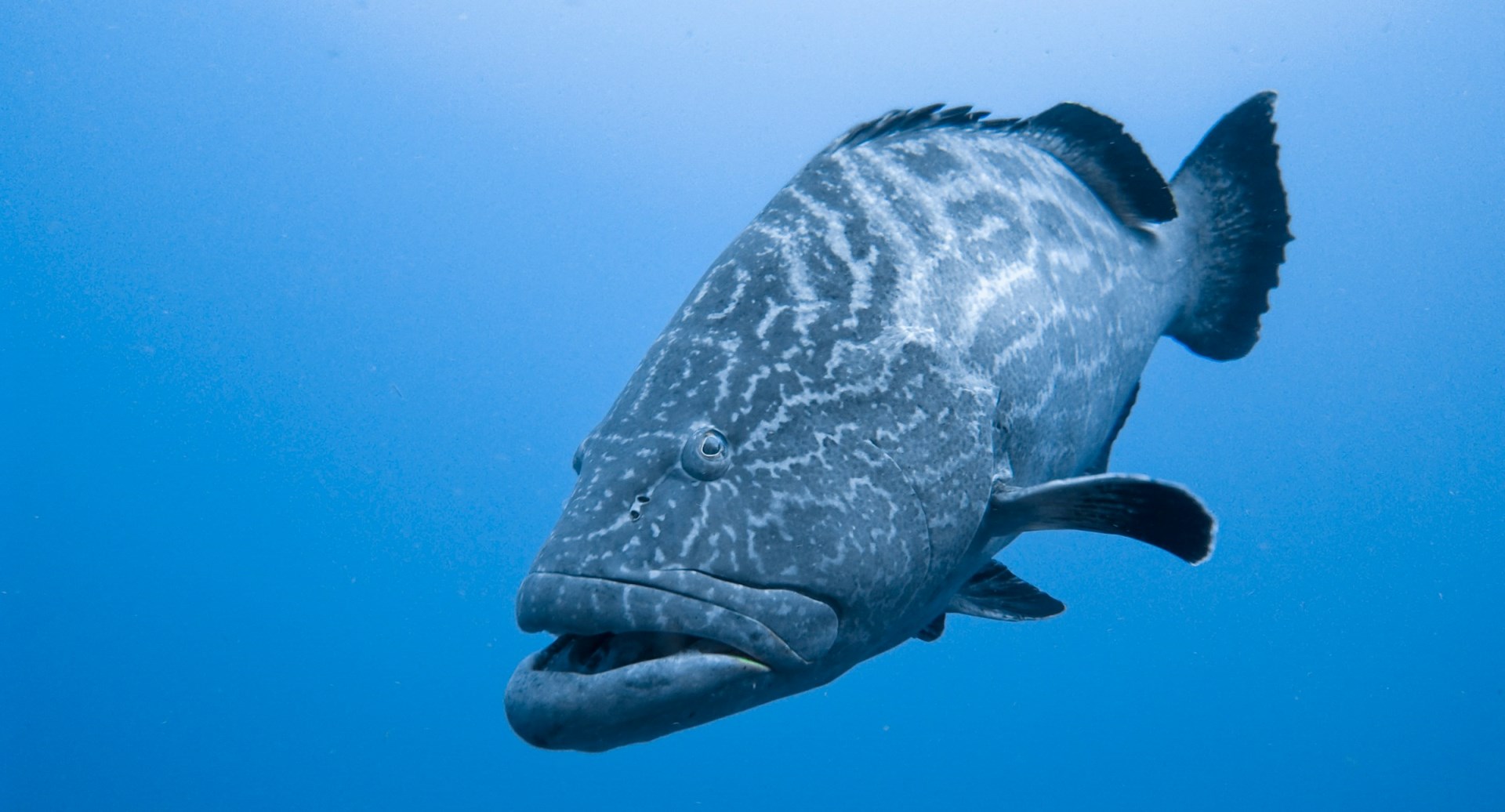
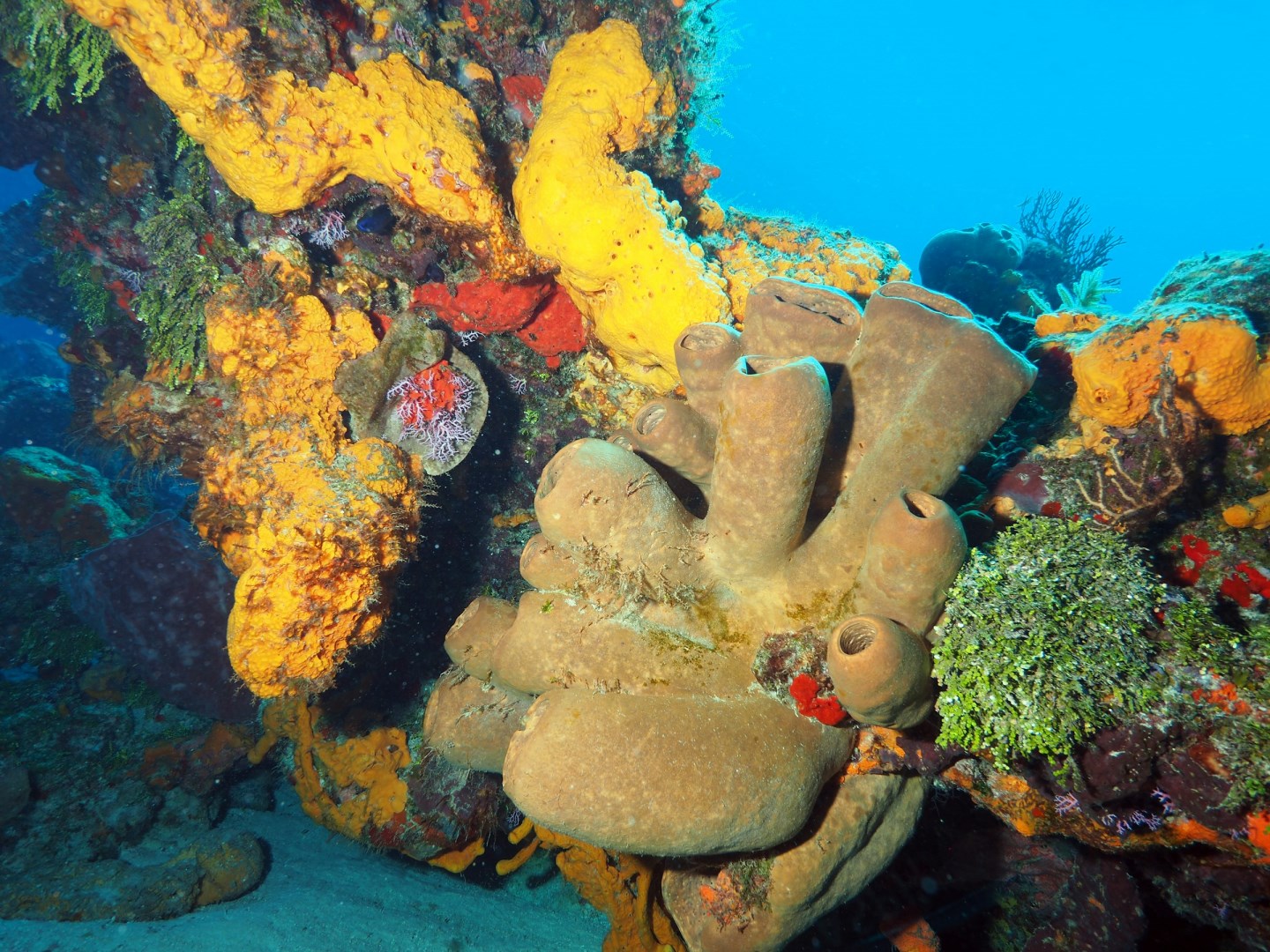
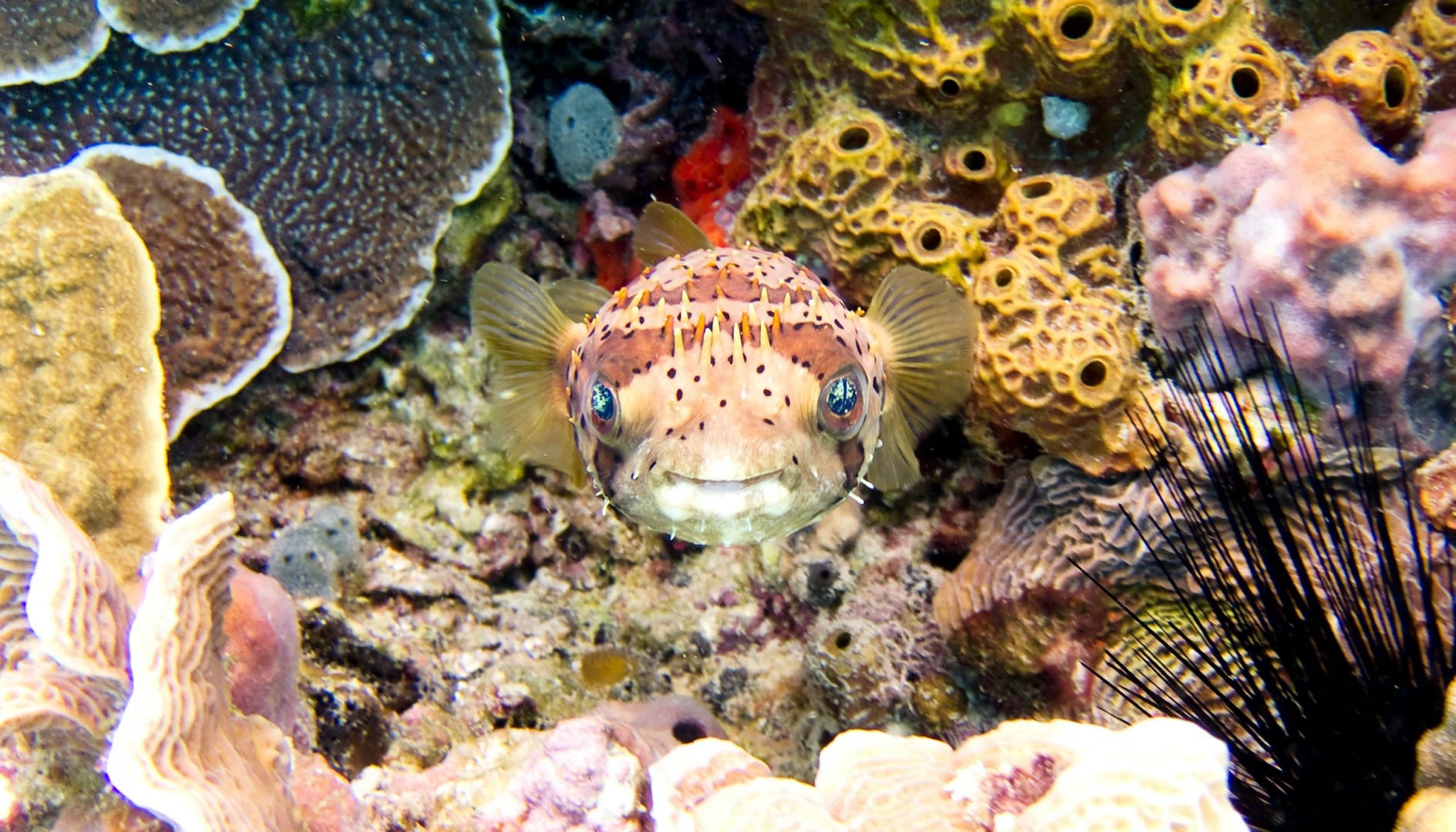
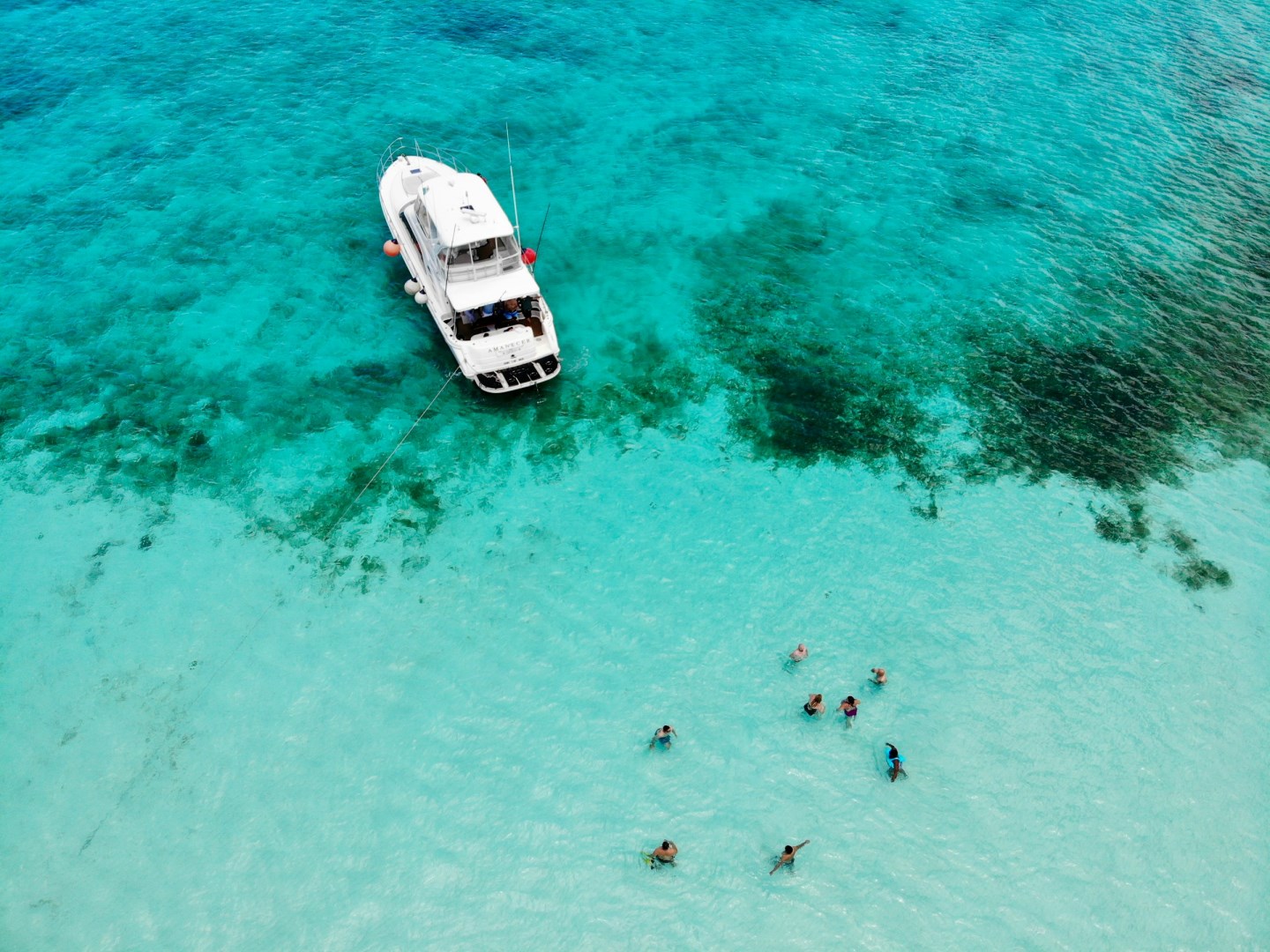
A Caribbean island paradise, Cozumel lies a short distance from Mexico's Yucatán Peninsula. Tourism is the main economic engine here: visitors can enjoy a variety of activities, whether taking advantage of world-class snorkeling and scuba diving, swimming with dolphins, or lounging with a drink at one of the island's seaside resorts. Venture outside of touristy downtown Cozumel to discover the island's breathtaking natural beauty. Drive to the island's southern tip to Punta Sur Park, home to some colorful wildlife and one of Cozumel's most spectacular beaches, or head north to the San Gervasio archaeological site, where you'll find ancient Mayan ruins and a wildlife refuge brimming with iguanas. Visit Cozumel in February to experience the island's festive Carnival celebrations, occurring annually the week prior to Mardi Gras. Stunning Cozumel awaits!
Learn More About Cozumel
Punta Sur Beach
This ecological park encompasses beaches, lagoons, forest and more. Snorkeling and scuba opportunities abound here!
Zona Arqueológica San Gervasio
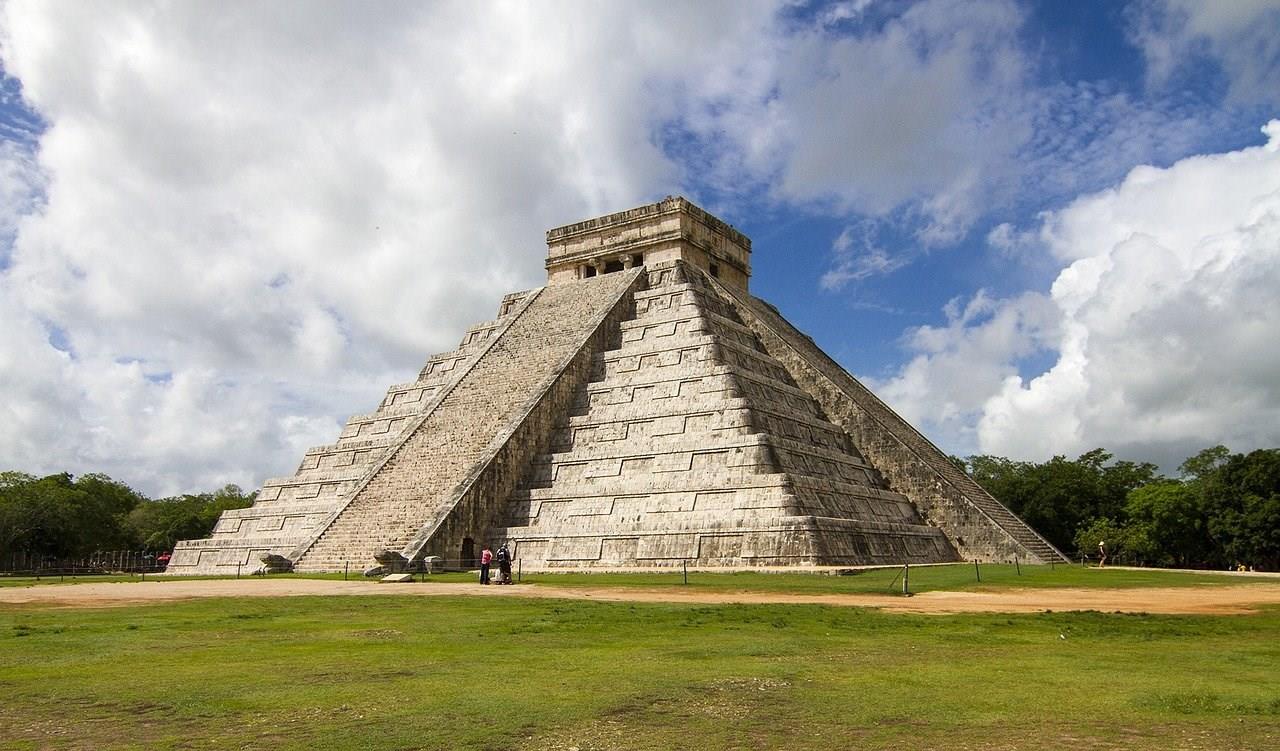
View Mayan ruins at this famous archaeological site.
Other Popular Destinations in Quintana Roo
Playa Del Carmen
Playa del Carmen, located along Mexico’s Riviera Maya, offers more than just soft beaches and turquoise waters. Once a quiet fishing village, the town has grown into a lively hub where Mayan history meets a modern beachside lifestyle. Visitors walking along Quinta Avenida will find artisan shops, street performers, and cafes offering everything from espresso to tacos al pastor. This area becomes especially active in the evenings when live music spills out from local venues.
Chetumal
Chetumal is the capital of the Mexican state of Quintana Roo, located near the border with Belize on the western side of Chetumal Bay. Unlike the large resort centers farther north on the Caribbean coast, the city functions primarily as a government, commercial, and cultural center.