Dakar, the lively capital of Senegal, stands at the edge of the Atlantic Ocean on the Cape Verde Peninsula. As the westernmost city on the African mainland, it has long been a crossroads of cultures, trade, and ideas.
Cradle Mountain, located within the Tasmanian Wilderness World Heritage Area, is one of Australia's most distinctive landscapes. Towering over Dove Lake, the craggy peak rises to 1,545 meters and is often dusted with snow, even in spring. The mountain and surrounding area are part of Cradle Mountain–Lake St Clair National Park, which was established in 1922 and has since become a cornerstone of Tasmania’s protected wildlands.
Las Vegas, Nevada, is an electrifying city where glitz and glamour meet entertainment and excitement. Known as "The Entertainment Capital of the World," Las Vegas offers an unparalleled array of attractions, from its iconic casinos and luxurious hotels to its world-class dining and live shows. The city's entertainment scene is second to none, featuring legendary headliners, cutting-edge performances, and an array of themed attractions.
Port Moresby sits by the Coral Sea as Papua New Guinea’s capital and shows visitors a city of contrasts where glittering new buildings rise beside traditional villages built on stilts. One such place is Hanuabada, the original Motuan village, where roofs reach above water’s edge and everyday life still unfolds in Tok Pisin and local tongue.
Kushiro is a port city on the eastern coast of Hokkaido, Japan’s northernmost main island. The city faces the Pacific Ocean and is known for its fishing industry, wetlands, and cool maritime climate. Fog drifting in from the sea is common during warmer months and has become one of Kushiro’s defining natural features.
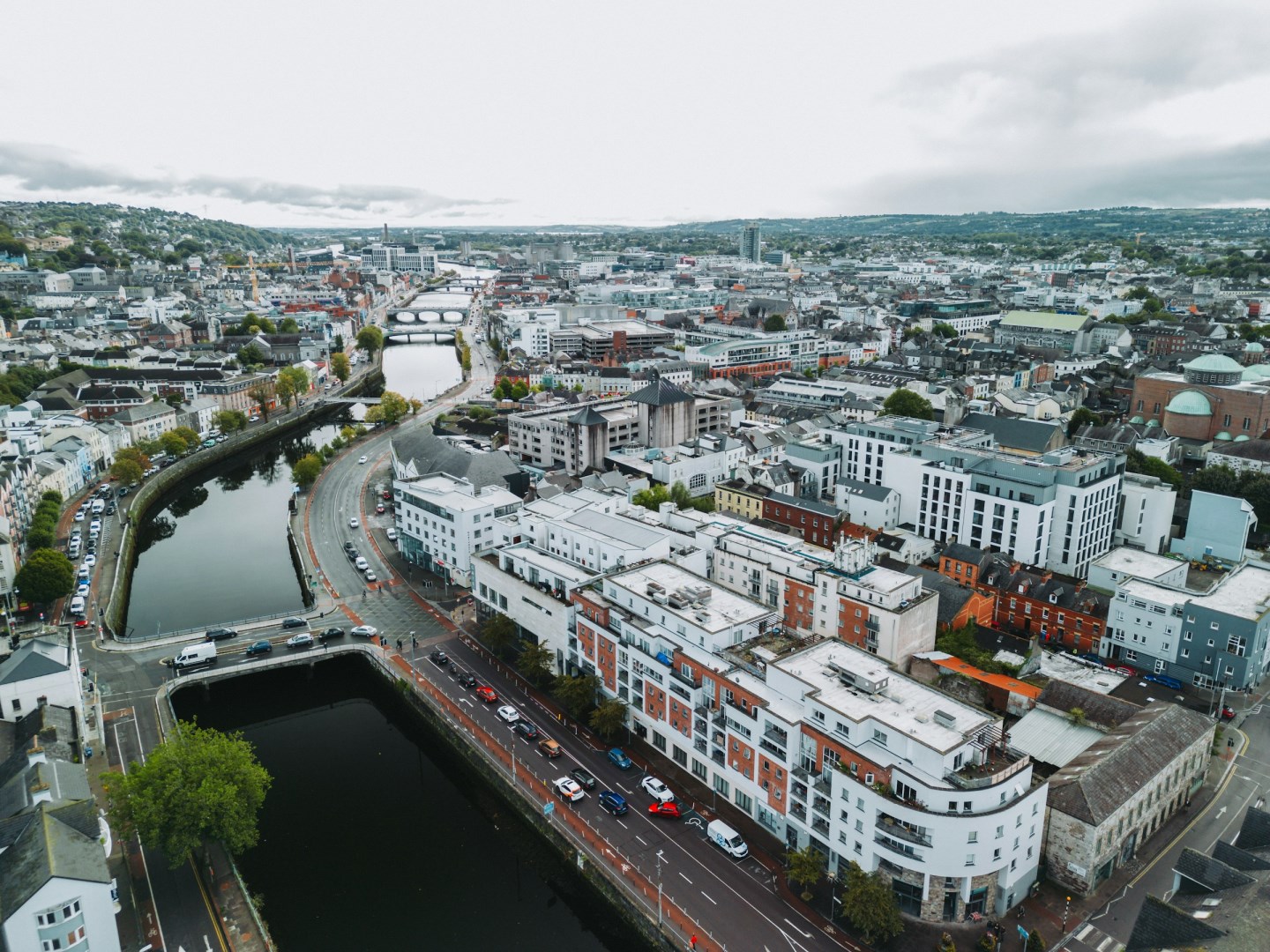
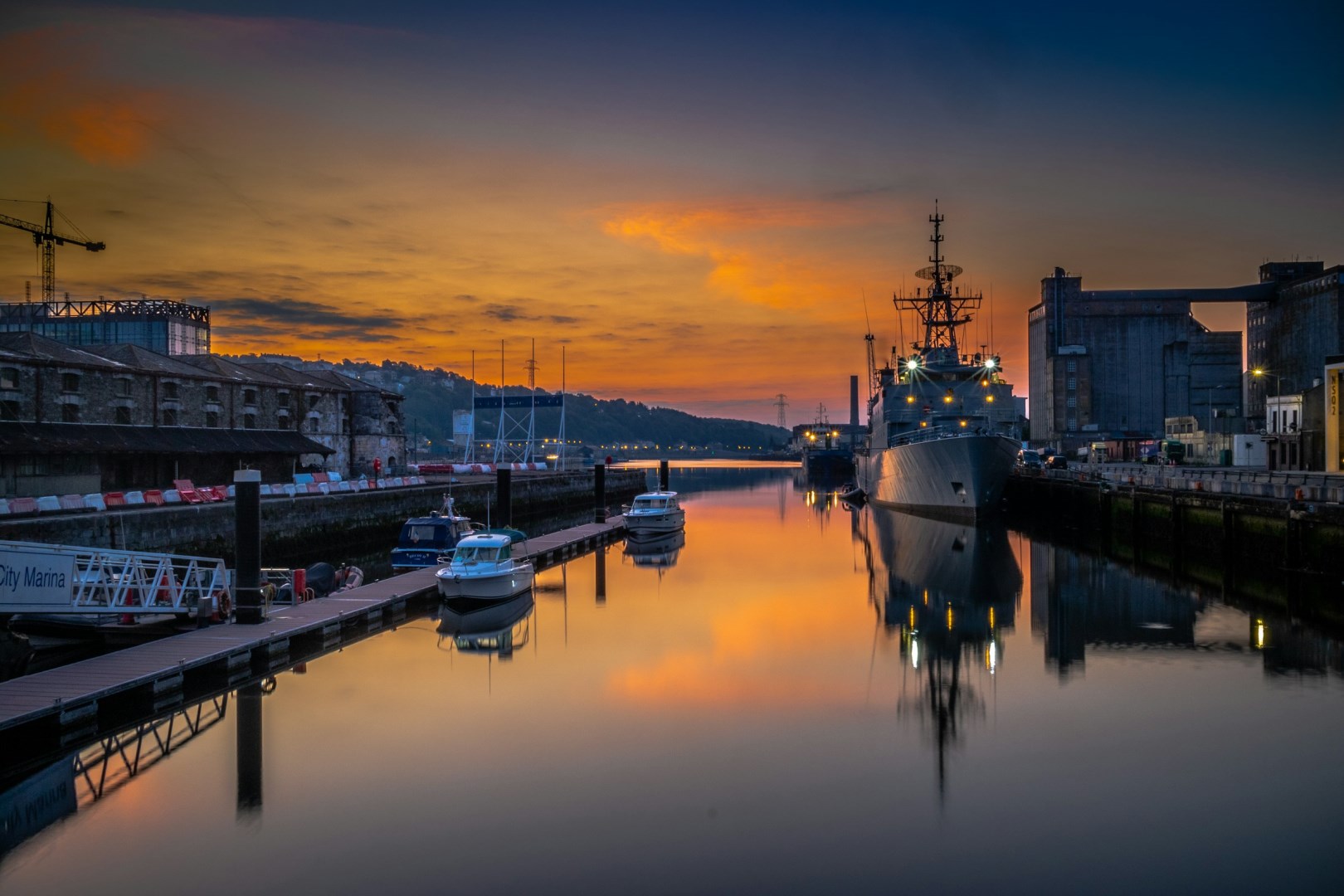
The Irish Republic's second largest city is a surprisingly appealing place - you'll find time passes effortlessly during the day, and by night the pub scene is lively. The town center is uniquely situated on an island between two channels of the Lee River. North of the river, in the Shandon area, is an interesting historic part of the city, if a bit run down today. Sights to the south include Protestant St Finbarr's Cathedral, the Cork Museum (largely given over to the nationalist struggle in which Cork played an important role), the 19th century Cork Jail, the City Hall and numerous churches, breweries and chapels.
Cork prides itself on its cultural pursuits, and apart from a heap of cozy pubs, the Cork Opera House, Crawford Art Gallery and Firkin Crane Centre offer both traditional and mainstream fare. A popular day trip from Cork is to Blarney Castle, where even the most un-touristy visitor may feel compelled to kiss the Blarney Stone. Cork is around five hours to the south of Dublin by bus.