Lucca
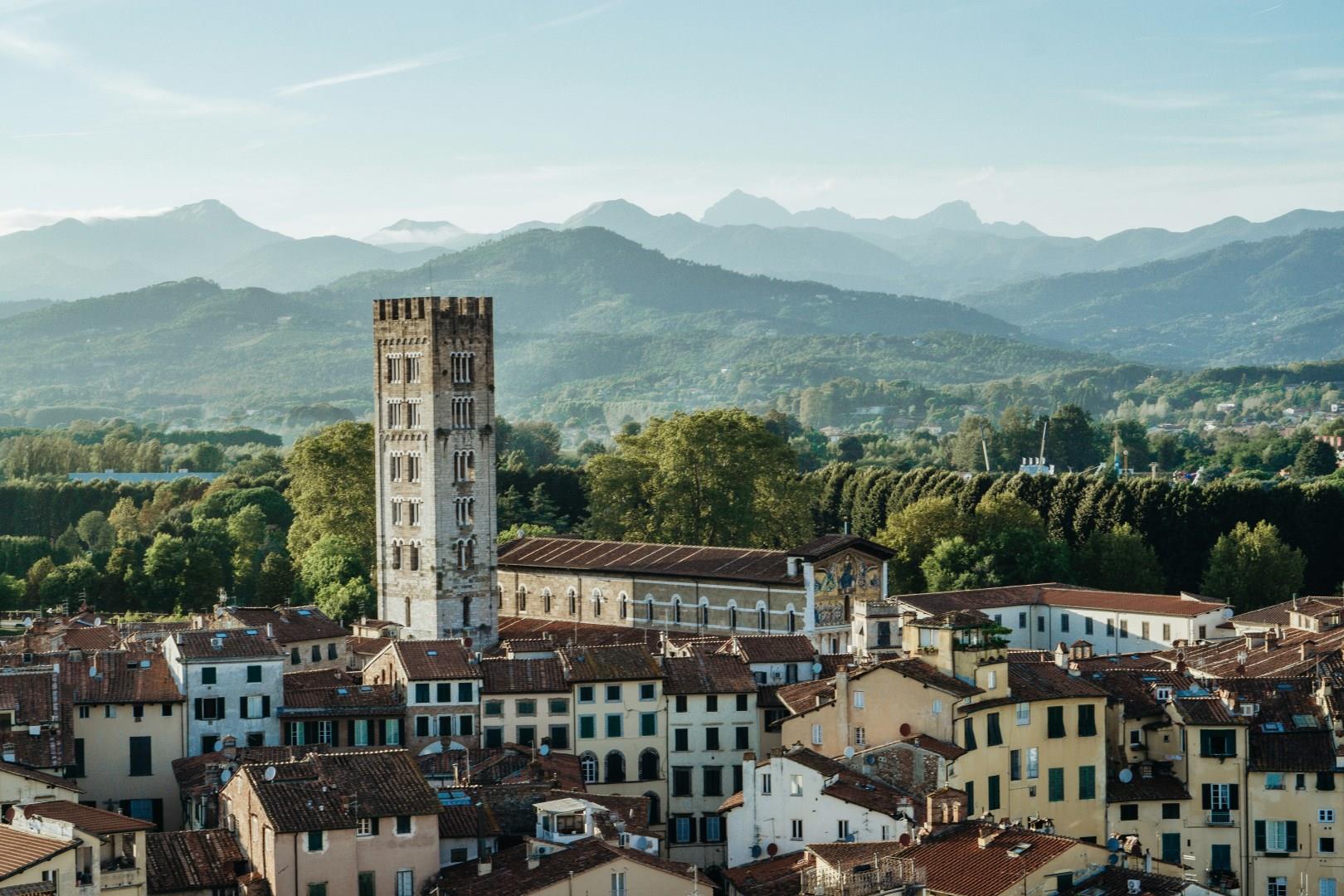
Lucca, a Tuscan city surrounded by remarkably intact Renaissance walls, offers more than just postcard views. Known for its quiet streets and grand piazzas, Lucca stands apart with its circular street layout, still following the lines of a Roman amphitheater from centuries ago. The walls, now repurposed as a 4-kilometer tree-lined park, are a favorite route for locals and visitors who explore them on foot or by bike, passing old bastions and panoramic viewpoints along the way.
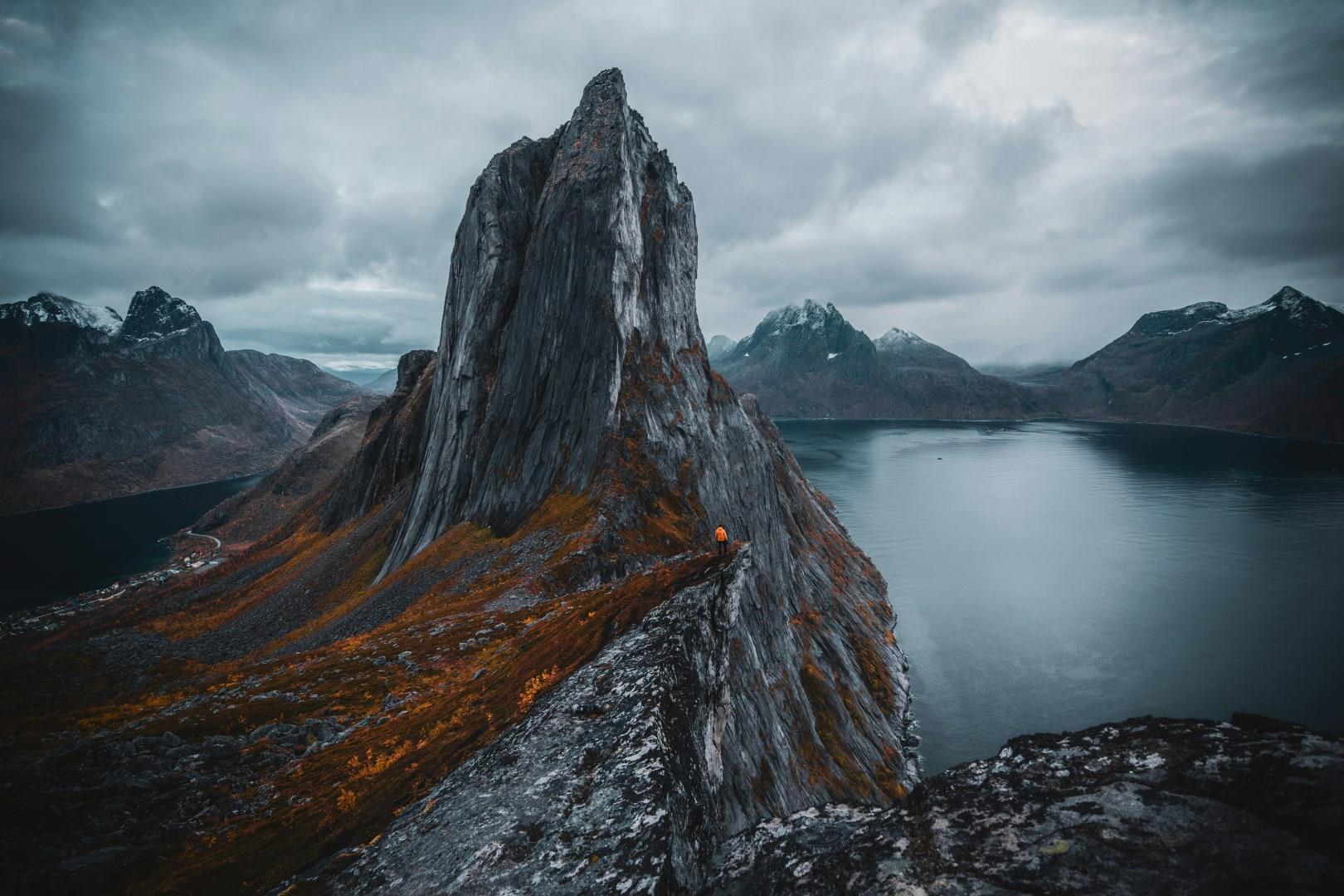
Senja
Senja is Norway’s second-largest island, located well above the Arctic Circle and often described as a condensed version of the country’s most dramatic landscapes.

Cairo
Upon the banks of the mighty Nile River, the renowned city of Cairo stands tall as an iconic world capital and a well-preserved relic of antiquity. Immerse yourself in this historically significant city, replete with architectural wonders, mesmerizing artifacts, and sprawling markets humming with energy.

France
France offers far more than its capital city. While Paris draws millions each year, the country’s true richness lies in its variety, from Alpine villages to Atlantic coastlines, medieval towns to Mediterranean markets. In Normandy, visitors can walk along the D-Day beaches or explore the towering abbey of Mont-Saint-Michel, which becomes an island at high tide. Further inland, the Loire Valley is dotted with over 300 castles, many of which are open for tours and even overnight stays.

Kigali
Kigali, the capital of Rwanda, is a city that blends modern energy with deep cultural roots. Set among rolling hills, it offers striking views at nearly every turn.