Mombasa
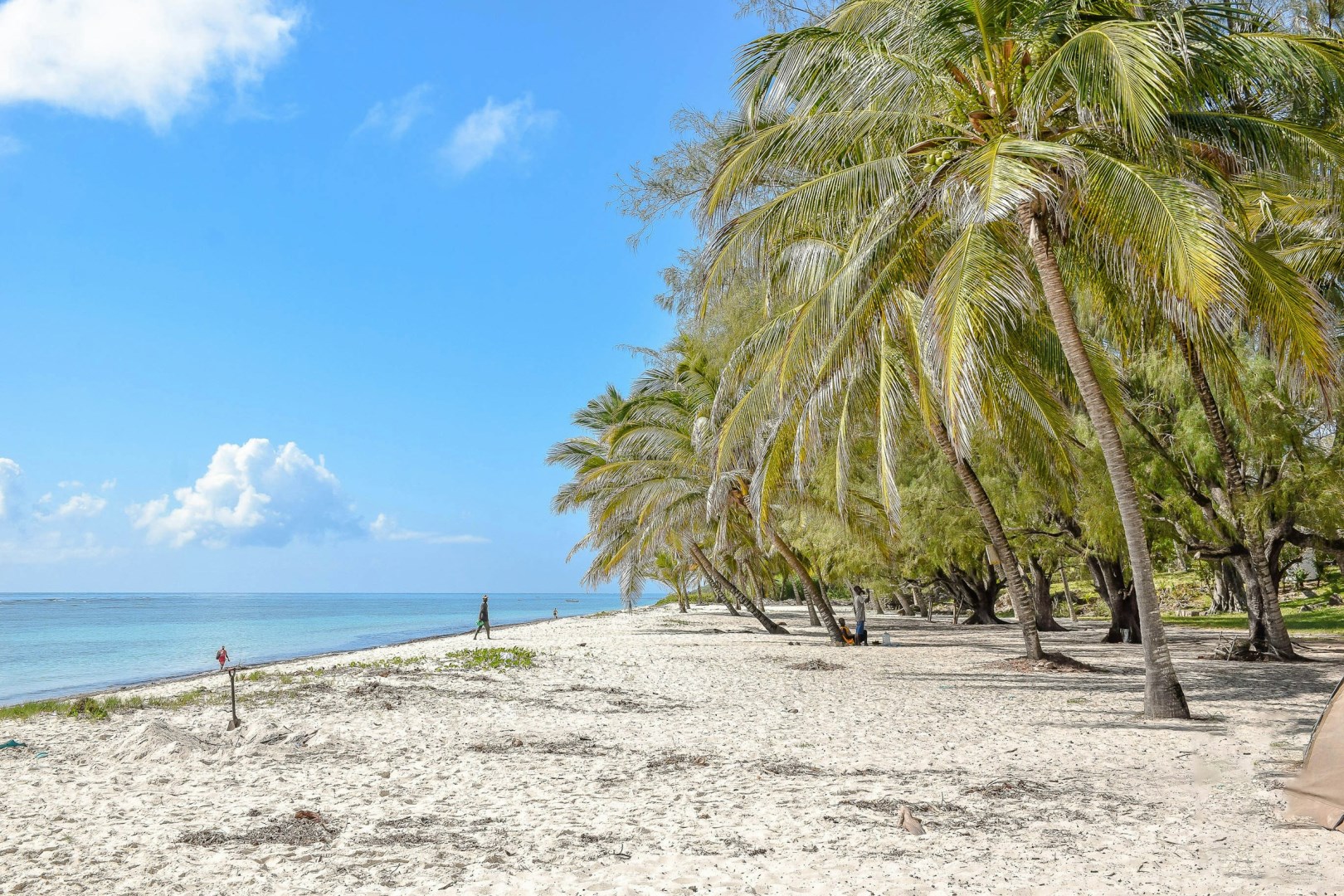
Mombasa, Kenya’s vibrant coastal city, offers a blend of rich history, diverse cultures, and stunning beaches. As Kenya's second-largest city and its principal port, Mombasa has been a crucial crossroads for trade and culture for centuries. The historic Fort Jesus, a UNESCO World Heritage site, stands as a testament to the city's colonial past.

Sidi Bou Said
Perched on a clifftop overlooking the Mediterranean Sea, Sidi Bou Said is a postcard-perfect village in Tunisia that enchants visitors with its striking white and blue architecture. Known for its iconic Andalusian-style buildings, Sidi Bou Said is a haven for artists, poets, and those seeking tranquility. Strolling through its narrow cobblestone streets, you’ll be greeted by the scent of jasmine and the vibrant colors of bougainvillea cascading from balconies.
Deauville
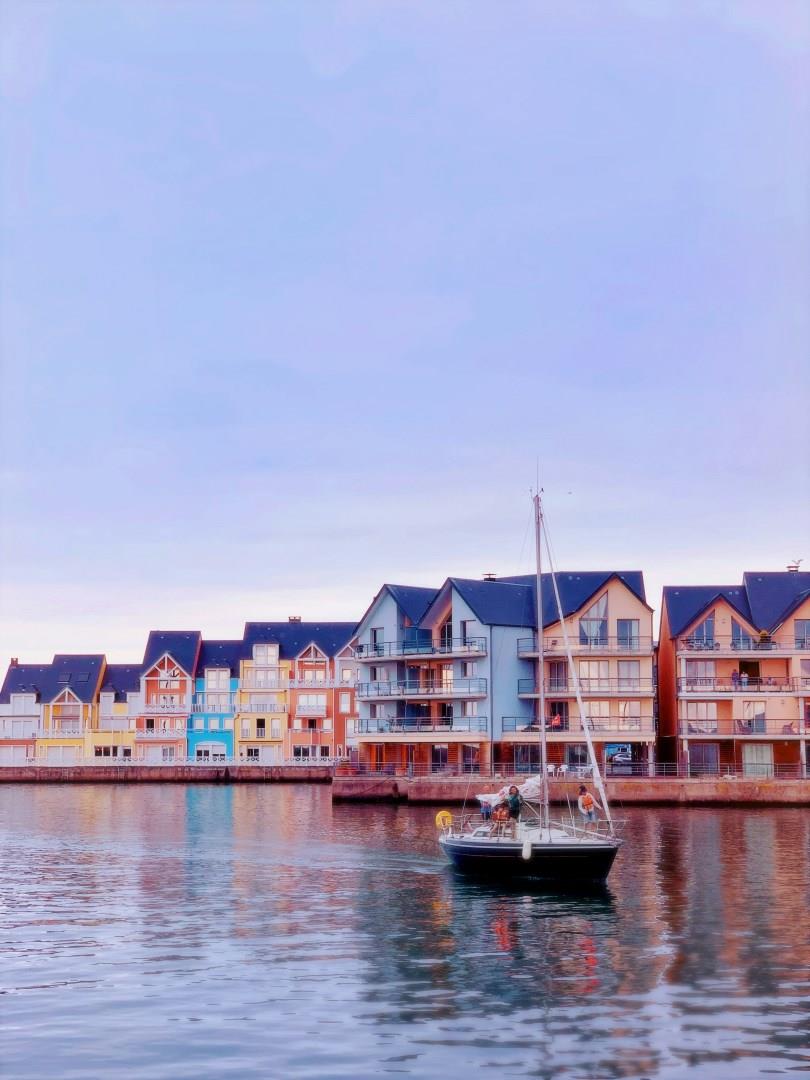
Deauville sits on the Normandy coast of northern France and has long been associated with seaside leisure, elegance, and cultural life. Developed in the mid-19th century as a resort for Parisian society, the town quickly became a place where architecture, fashion, and social rituals shaped its identity.
Thekkady
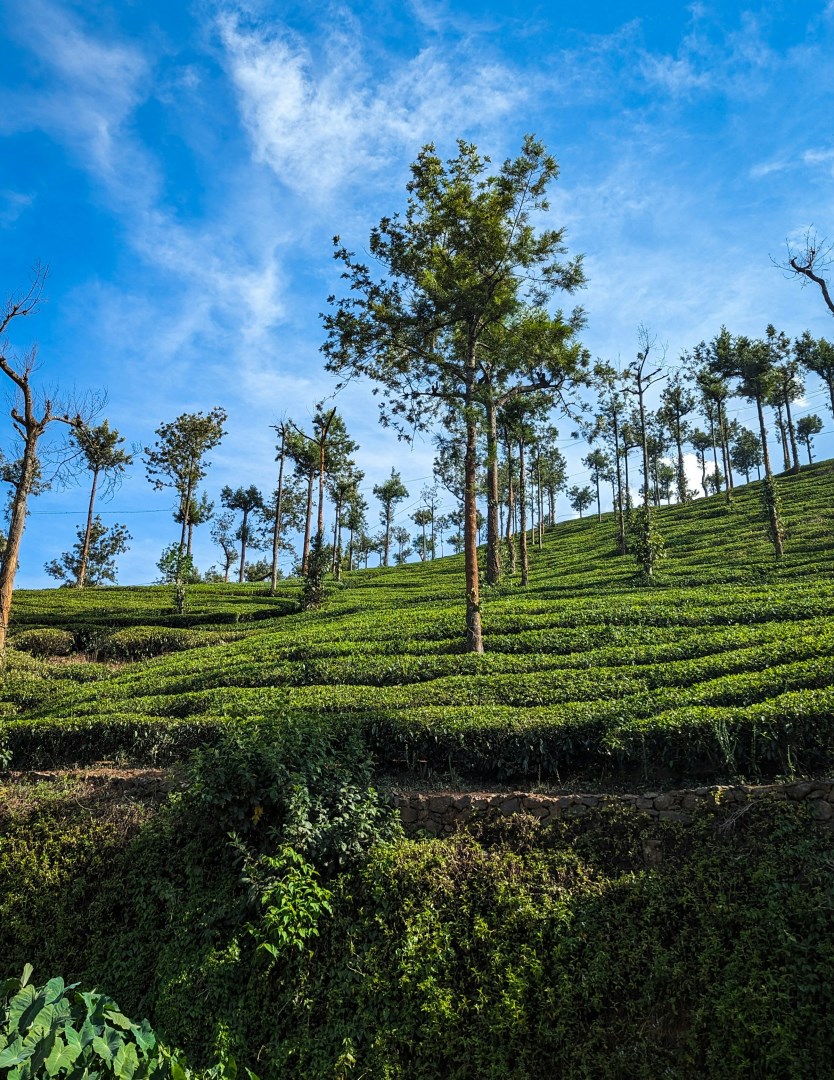
Thekkady is a town in India, located in the Idukki district of Kerala near the Periyar Wildlife Sanctuary in the Western Ghats. It serves as a key entry point to one of the country’s well-known protected forest areas, where hills, dense vegetation, and a large artificial lake define the landscape. The town itself is modest, with roads lined by spice shops, small lodges, and tour offices. Its setting within a highland region gives it a cooler climate compared to the plains, while its proximity to
Beirut
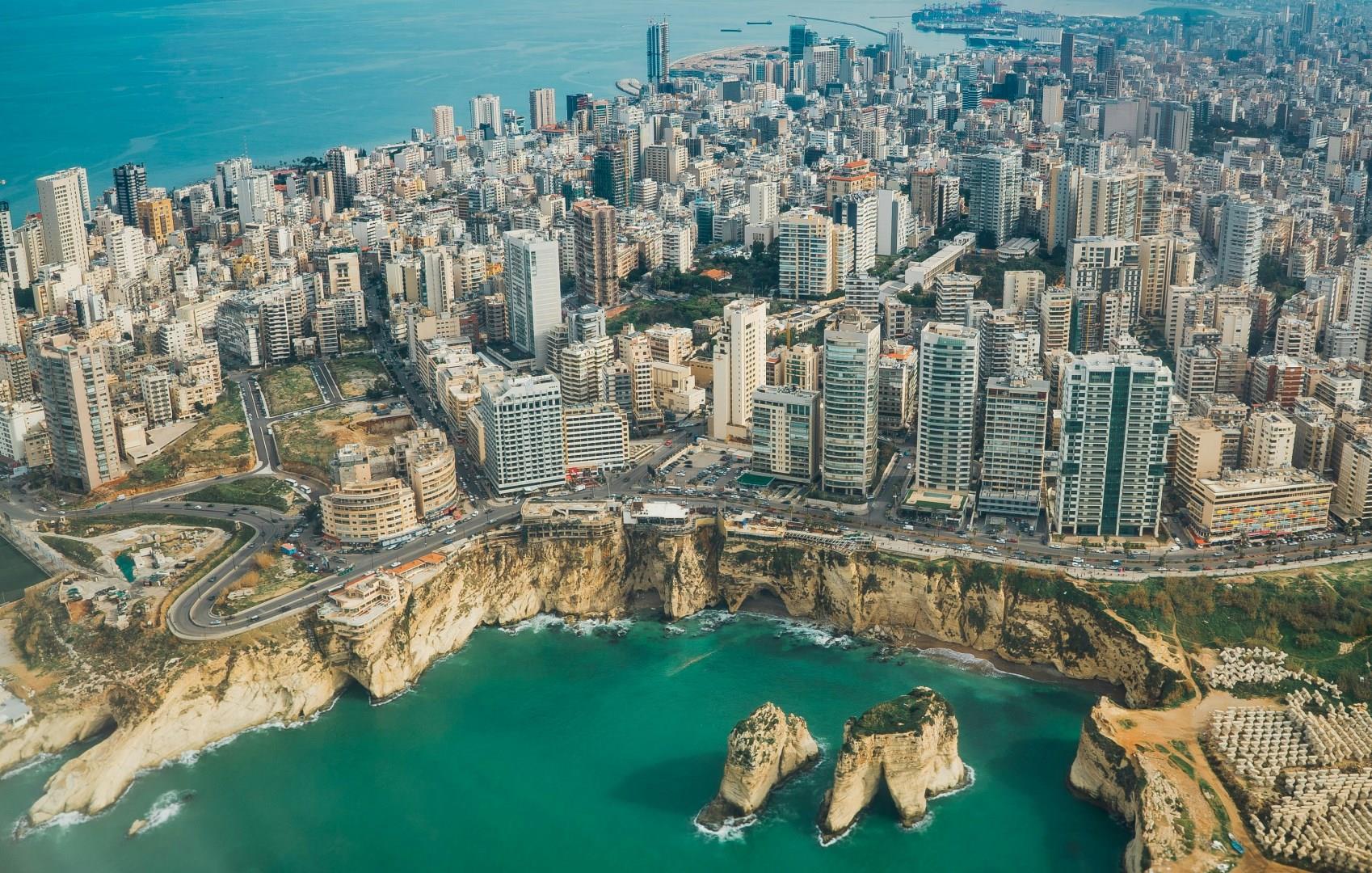
Beirut traces its roots back over 5,000 years. Once called Berytus during the Roman era, it grew into a key port of the Mediterranean. Today’s visitors can follow the Beirut Heritage Trail, a 2.5 km walking route marked with bronze medallions, that links archaeological sites, historic courtyards, and restored Ottoman buildings. The path unveils layers of the city's past one block at a time.