Tarragona
The Port of Tarragona is located in one of the most active economic areas of the Spanish Mediterranean, where the main petrochemical complex of the Spanish State is located.
Tonga
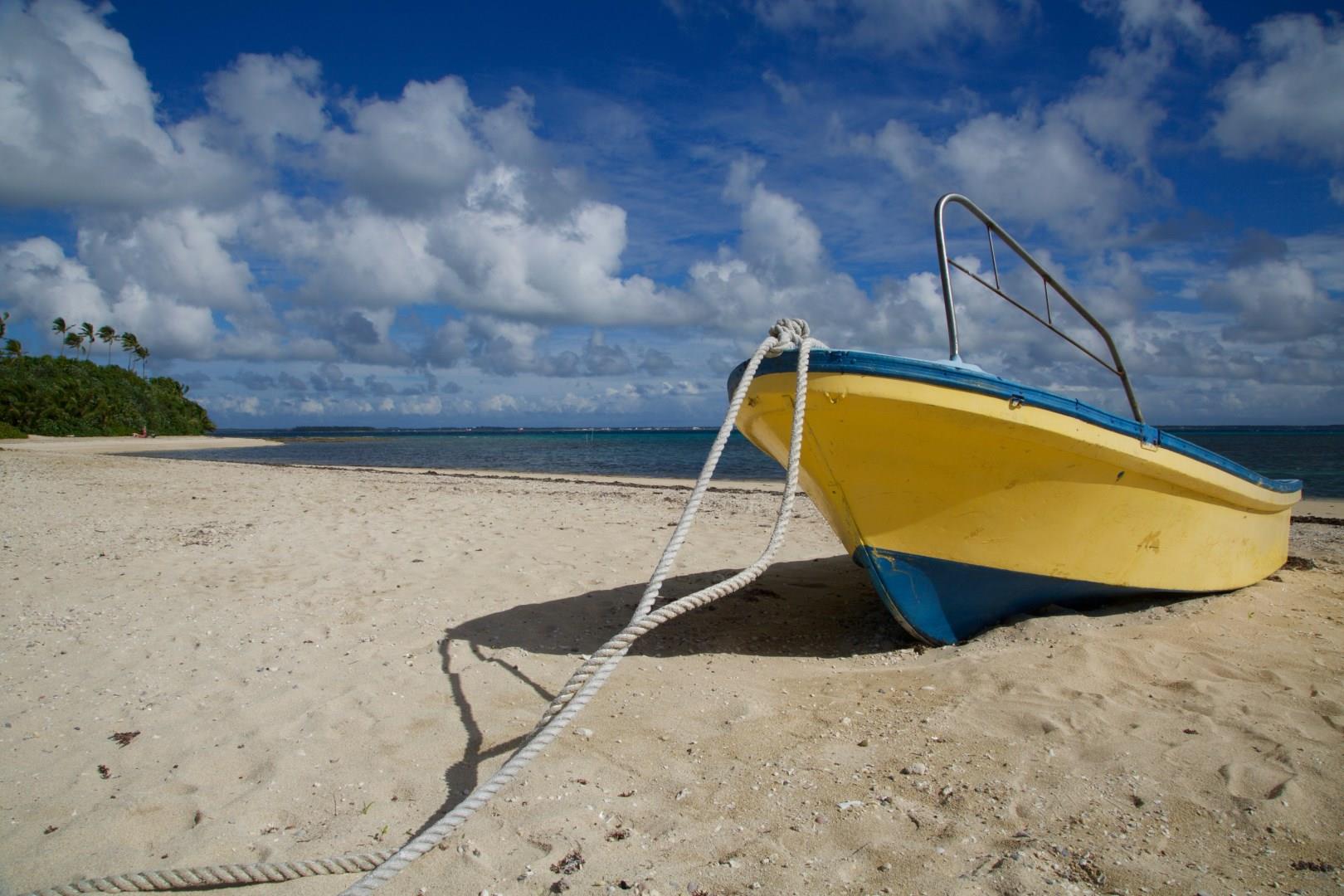
Tonga is distinctly different to its neighboring island nations. This Polynesian kingdom, made up of 170 islands, carries a proud history that dates back over 3,000 years. On the main island of Tongatapu, travelers can explore ancient stone structures like the Haʻamonga ʻa Maui Trilithon—sometimes called the Stonehenge of the Pacific. Royal tombs in Lapaha offer a glimpse into the lineage of Tonga’s kings, while village life remains guided by customs that have changed little over centuries.
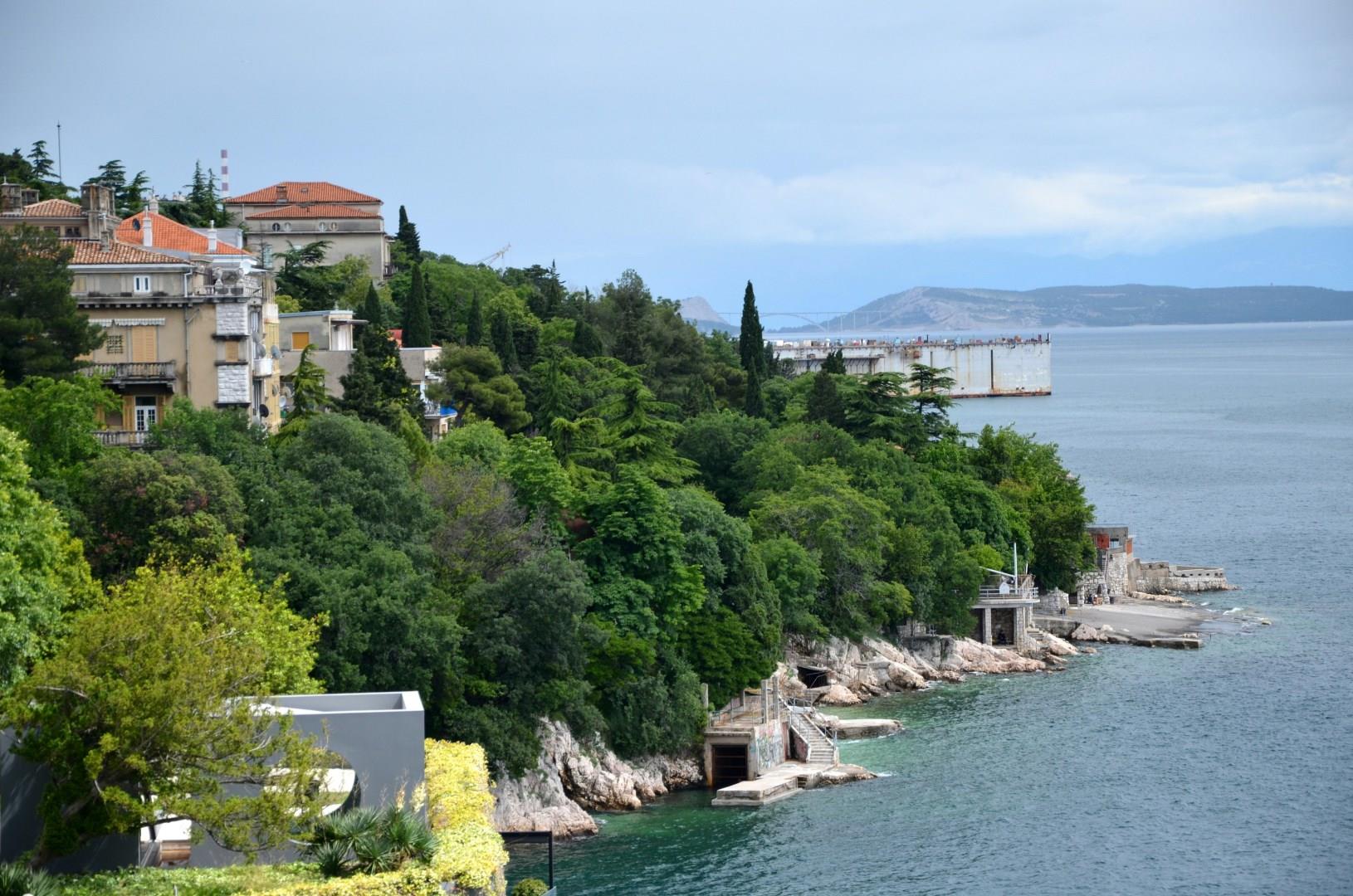
Rijeka
Rijeka sits at the head of Kvarner Bay on Croatia’s northern Adriatic, shaped by its long role as a port city at the crossroads of empires.

Phang Nga
Phang Nga is a coastal province in southern Thailand known for its dramatic limestone landscapes and deep connection to the Andaman Sea. Historically shaped by maritime trade, fishing communities, and tin mining, the region sits just north of Phuket yet feels distinctly quieter and more grounded.
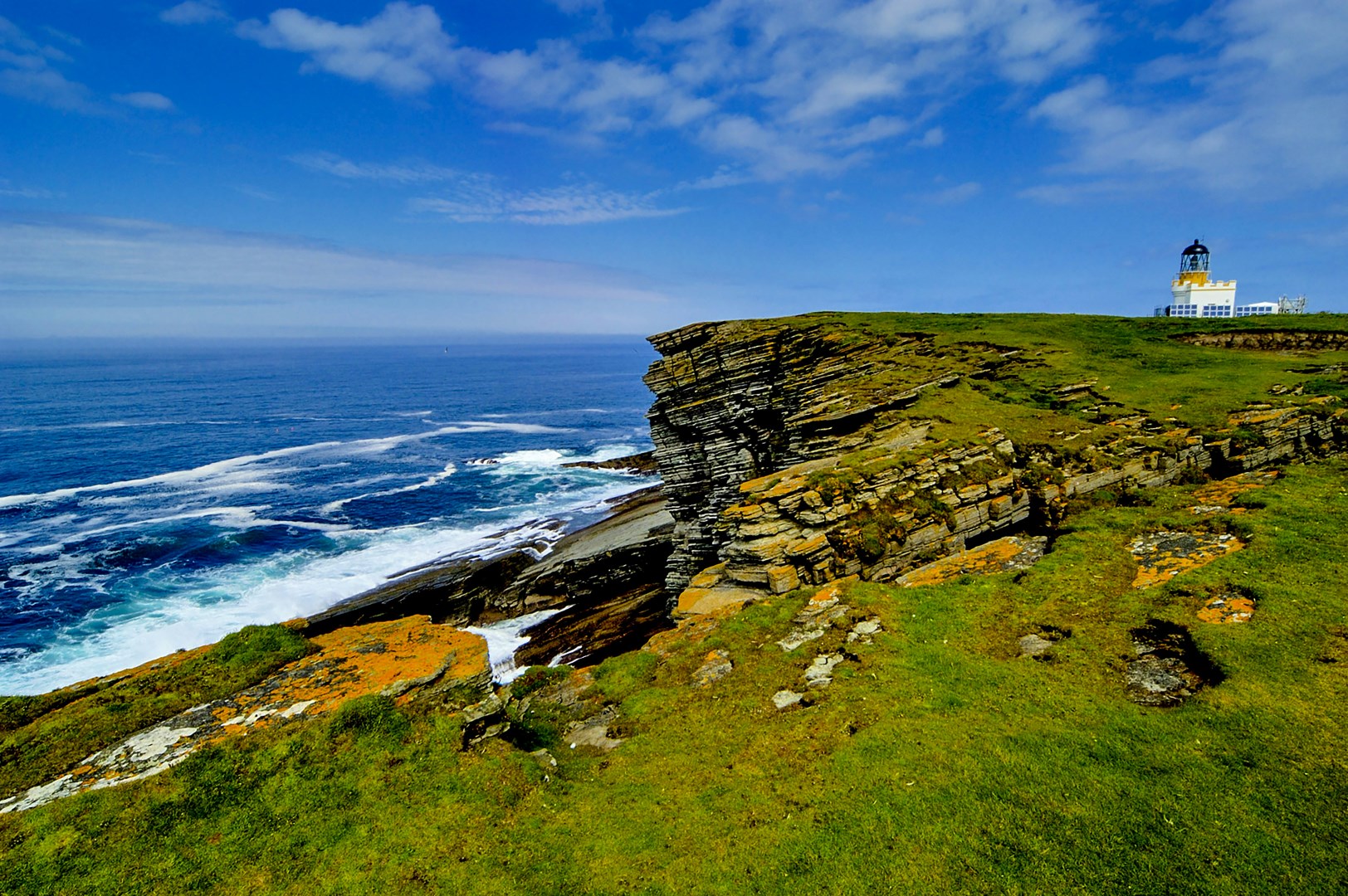
Orkney Island
The Orkney Islands sit just off the northern coast of Scotland. This group of around seventy islands offers wide horizons, quiet roads, and coastlines shaped by wind and waves where visitors often arrive expecting rugged scenery and leave talking about the sense of space from the long beaches to the steep cliffs and sea stacks rising straight from the water. One striking example is the Old Man of Hoy, a tall sea stack that draws photographers and climbers alike.