Mljet National Park
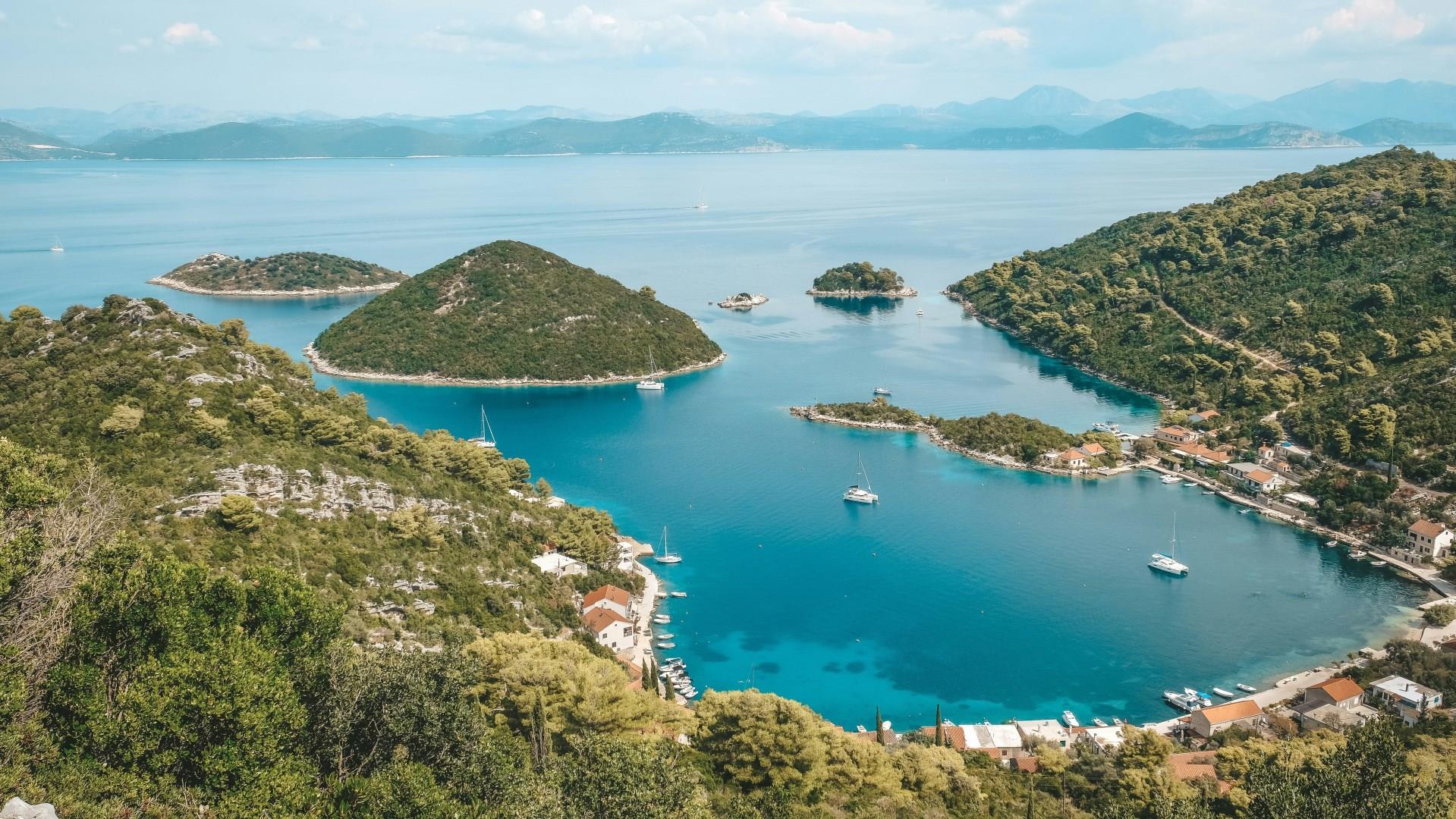
Mljet National Park sits on the western side of Mljet Island in Croatia’s Adriatic Sea, a place where saltwater lakes meet ancient forest pathways. The park stretches across nearly one-third of the island, with Veliko Jezero (Great Lake) and Malo Jezero (Small Lake) as their most striking features. These two saltwater lakes are connected by a narrow channel to the open sea, creating calm blue waters that draw visitors for swims, casual kayak outings, or peaceful cycles around the shaded paths.

Blyde River Canyon
Nestled in the northeastern corner of South Africa, the Blyde River Canyon offers a breathtaking panorama of natural beauty and geological wonder. As one of the largest canyons in the world, this verdant ravine stretches approximately 26 kilometers long and plunges to depths of over 800 meters. Its lush, subtropical foliage and dramatic rock formations create a landscape that is both picturesque and awe-inspiring.
Eden Islet
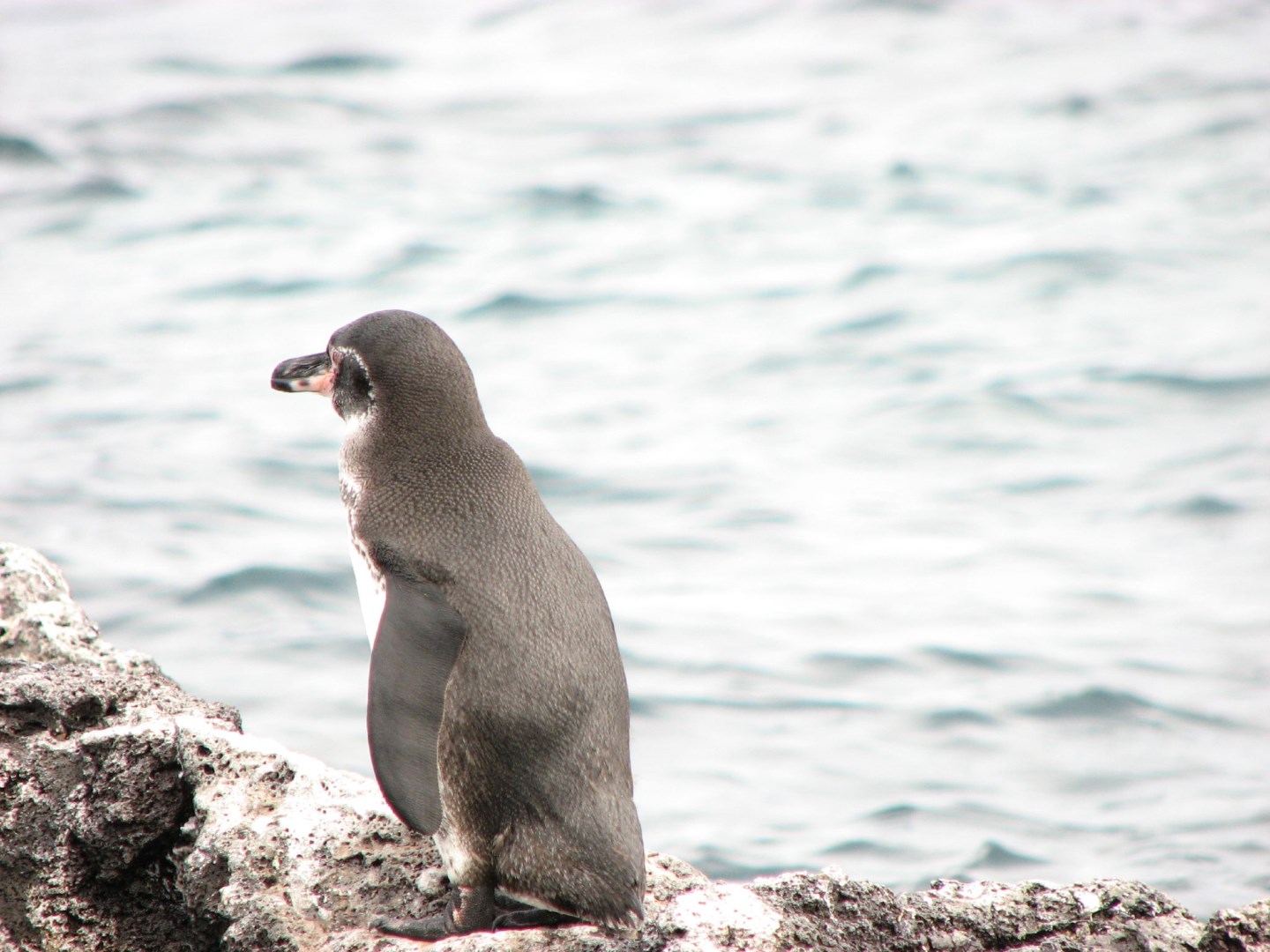
Eden Islet is a small volcanic tuff cone rising from the clear waters off the northwest coast of Santa Cruz Island. Though visitors cannot set foot on the rocks, the islet’s dramatic shapes and steep cliffs offer striking views as boats circle its perimeter. Guides often point out coastal mangroves and lava formations that hint at the volcanic forces that shaped this part of the archipelago.
Guam
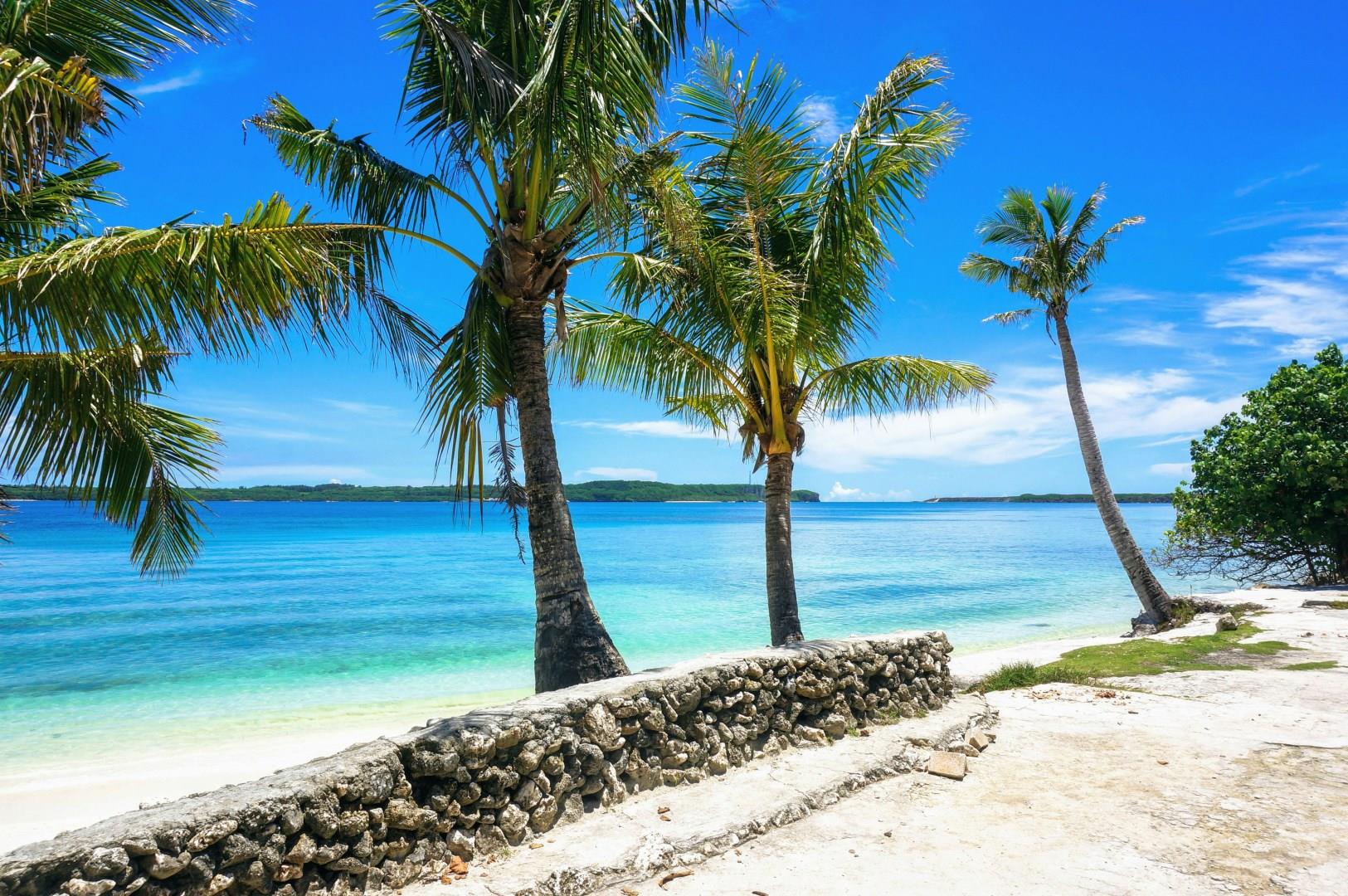
Guam, a vibrant island territory in the Western Pacific, offers travelers more than just sandy beaches and turquoise water. As the largest island in Micronesia, Guam has a dynamic past that’s shaped its present. Evidence of ancient Chamorro settlements can be found at sites like Latte Stone Park, where limestone pillars dating back over a thousand years stand tall.
Londonderry
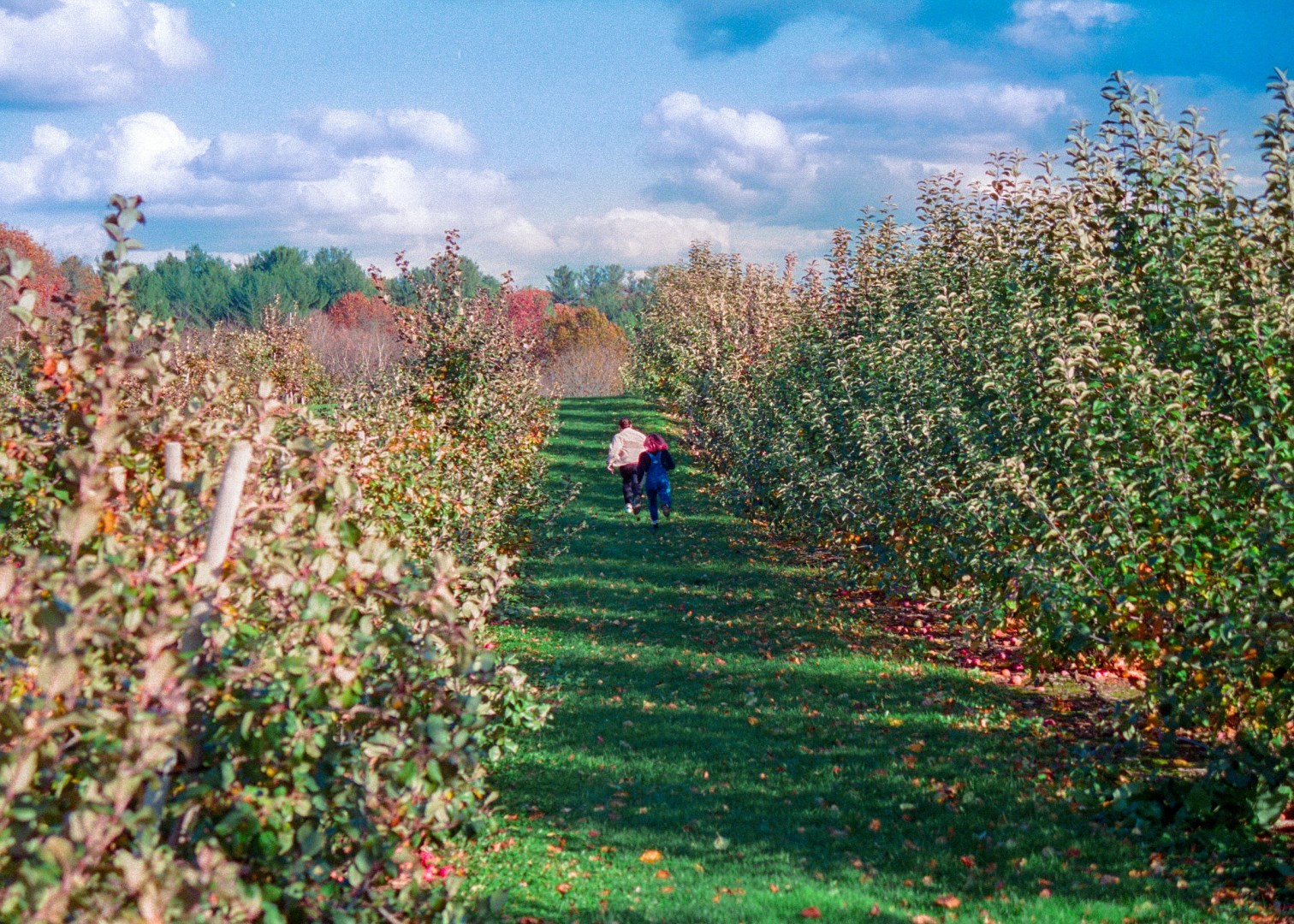
Londonderry is a town in southern New Hampshire, positioned between Manchester and the Massachusetts border. It is known for its agricultural roots, apple orchards, wooded landscapes, and historic rural character, while its location provides convenient access to the larger communities of the Merrimack Valley. Londonderry’s landscape includes farms, conservation areas, ponds, and gently rolling roads rather than a dense downtown centre. Apple growing remains an important part of its identity, wit