Mayarí
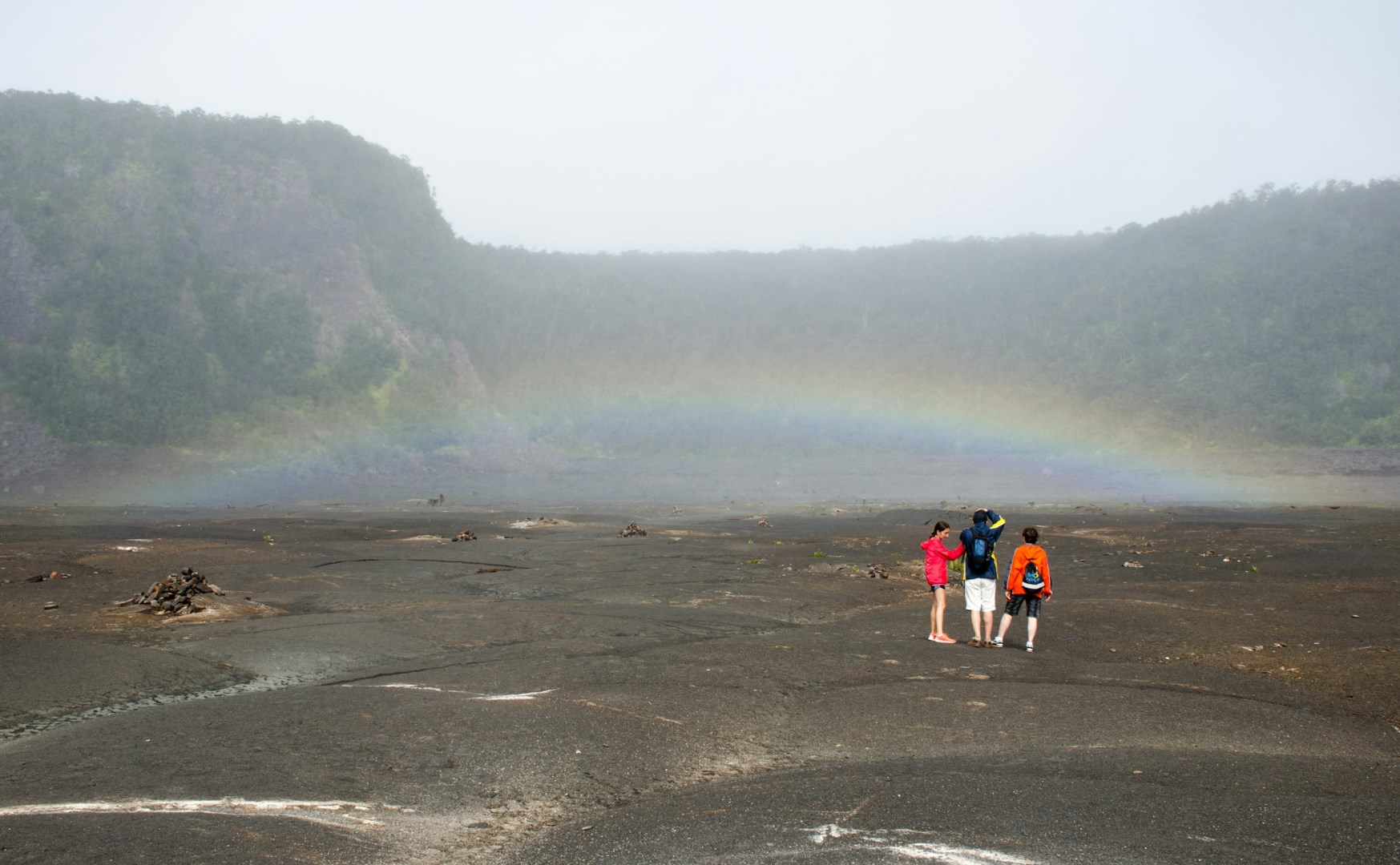
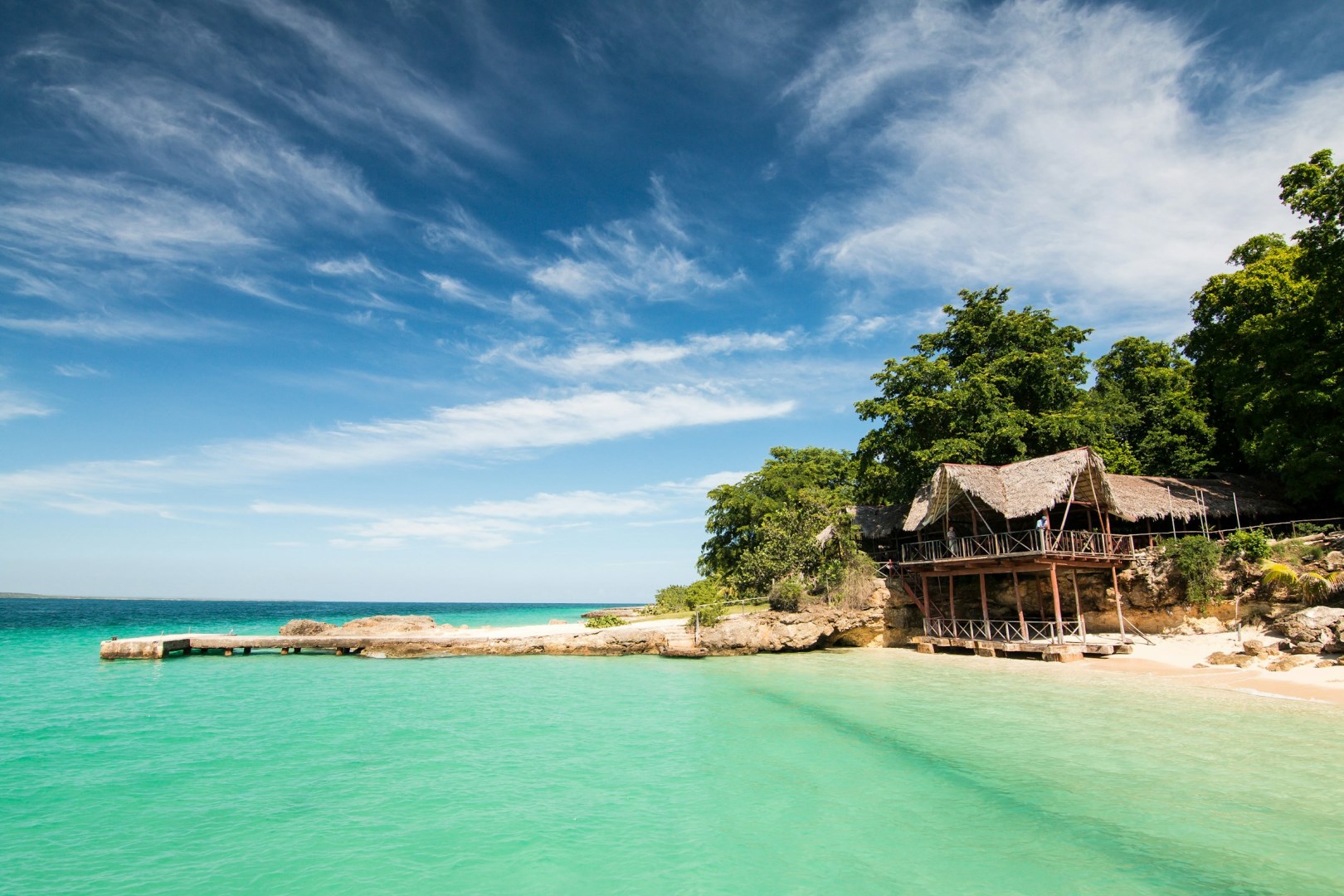
Mayarí is a town and municipality in Holguín Province in eastern Cuba, surrounded by a landscape of low mountains, forests, farmland, and rivers. The municipality extends from inland agricultural areas toward the northern coast, giving it a varied geography that includes the Sierra Cristal and fertile valleys. Mayarí is closely associated with agriculture and the cultivation of sugarcane, coffee, cacao, and other crops, while nearby reservoirs and rivers support farming and local communities.
Taichung
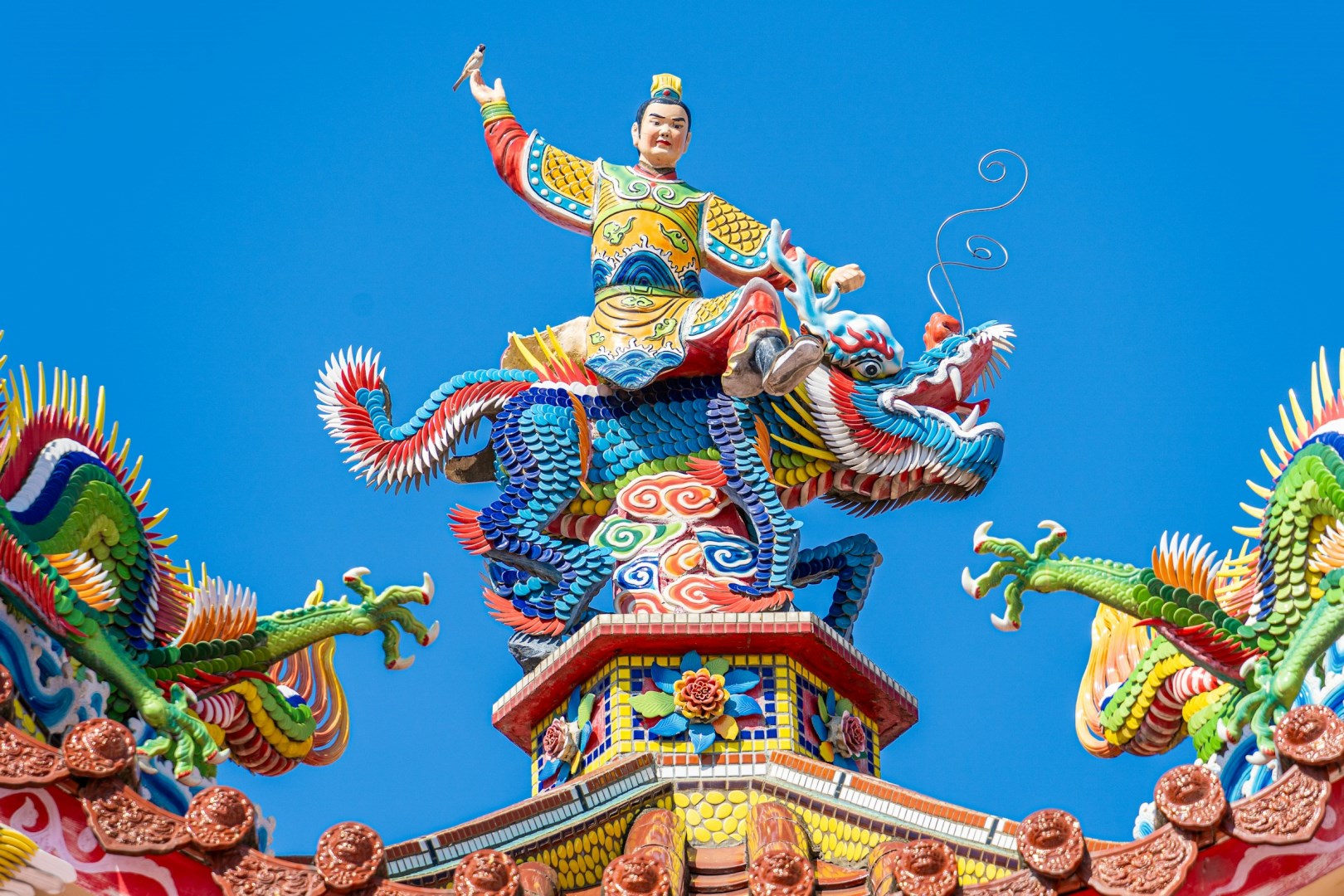
Founded in 1721 by mainland Chinese, it is the third largest city in Taiwan. Occupied by Japanese from 1895-1945, it totally leveled and rebuilt. With many museums, gardens and universities, it is considered the cultural center of Taiwan.

Uluru
Located in Australia's Northern Territory, Uluru is an iconic sandstone formation and UNESCO World Heritage site. This red rock monolith, believed to be over 500 million years old, has been considered sacred by Australia's indigenous peoples for thousands of years and is one of the country's most well-known natural landmarks. This spiritual destination will astound you at sunrise and sunset, when the warm sunlight turns Uluru to deep hues of red and orange.
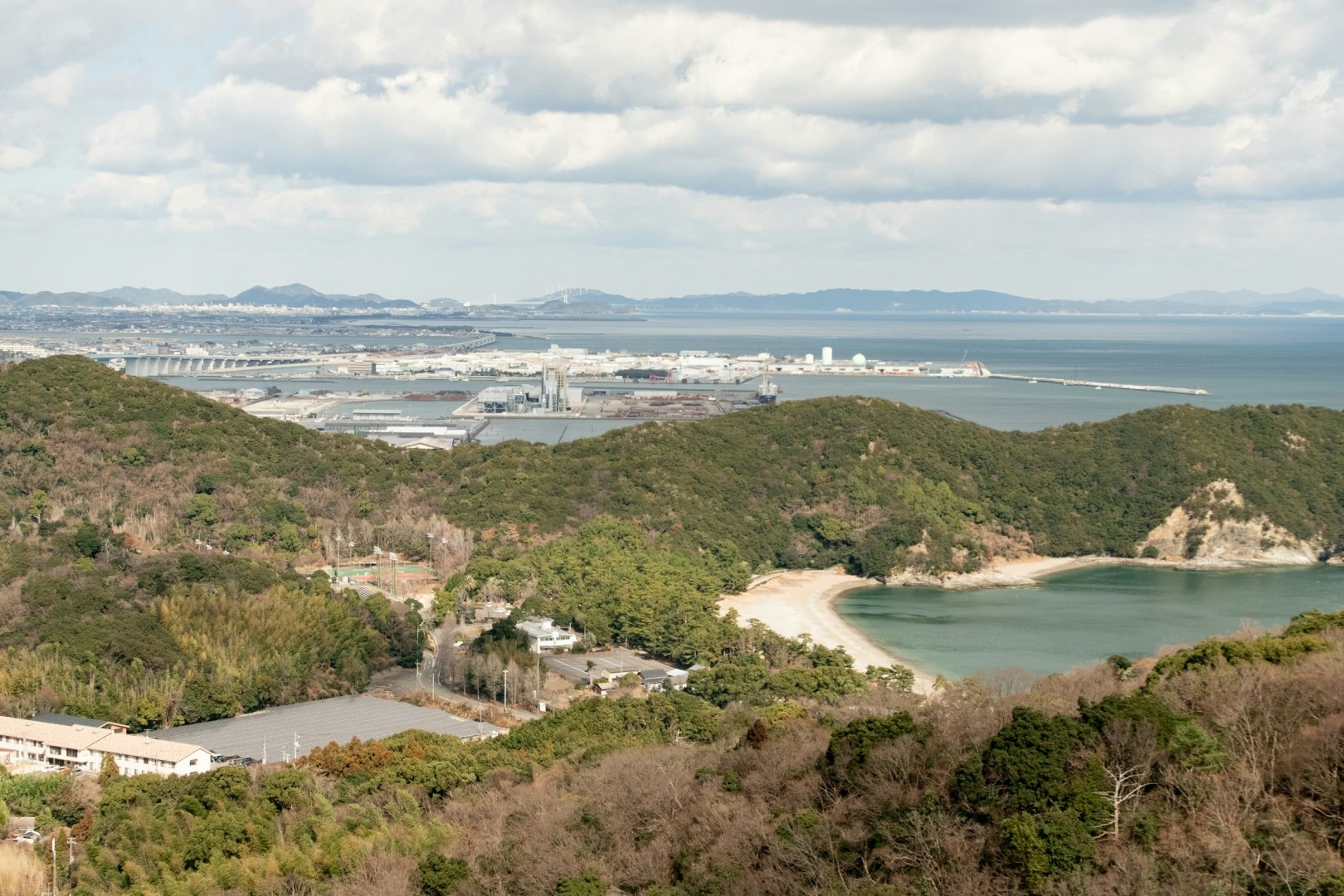
Tokushima
Tokushima is the capital of Tokushima Prefecture on the eastern side of Shikoku, where several rivers meet the sea and mountains rise beyond the urban area. The city is closely identified with Awa Odori, a traditional dance that fills streets with performers and musicians during its annual festival. Tokushima also serves as a useful base for exploring the wider prefecture, including the Naruto Strait, the Iya Valley, and sections of the Shikoku pilgrimage.

Bodrum
Bodrum is a resort town on the dazzling blue bay, in which the Aegean and the Mediterranean Seas meet. The town's charm is well-known, attracting a diverse population of vacationers who stroll along its long palm-lined waterfront, while elegant yachts crowd the marina. Not far from town , you can swim in absolutely clear, tideless, warm seas.