Goa
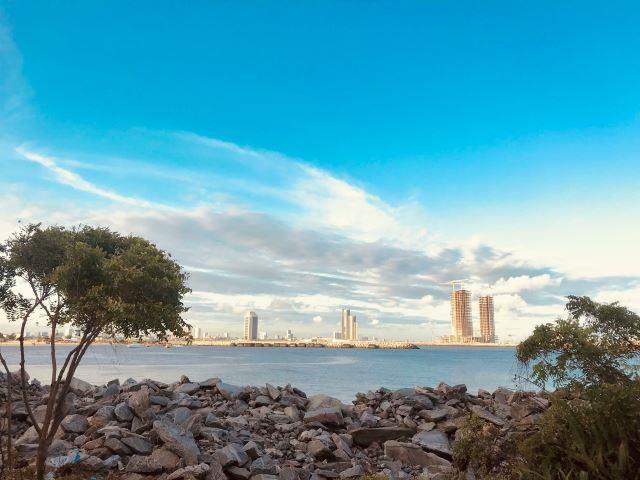
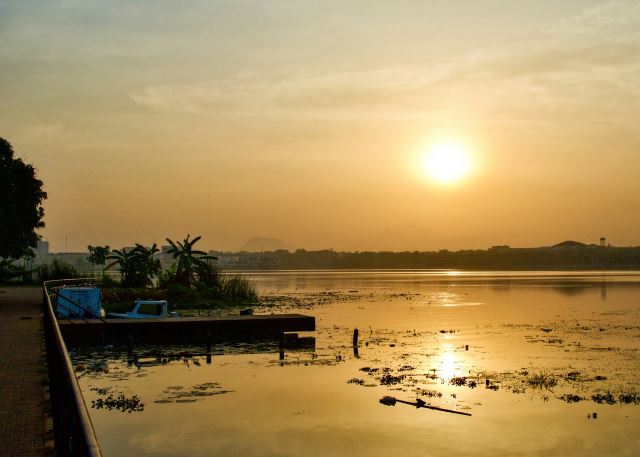
Goa, the sun-soaked paradise on India's western coast, is a destination where history, culture, and natural beauty converge in a spectacular way. Known for its golden beaches and vibrant nightlife, Goa is also rich in heritage, reflecting its unique blend of Indian and Portuguese influences. The old quarters of Panaji and Margao are dotted with charming colonial-era buildings, quaint churches, and lively markets that beckon travelers to explore the region’s storied past.
Flatts
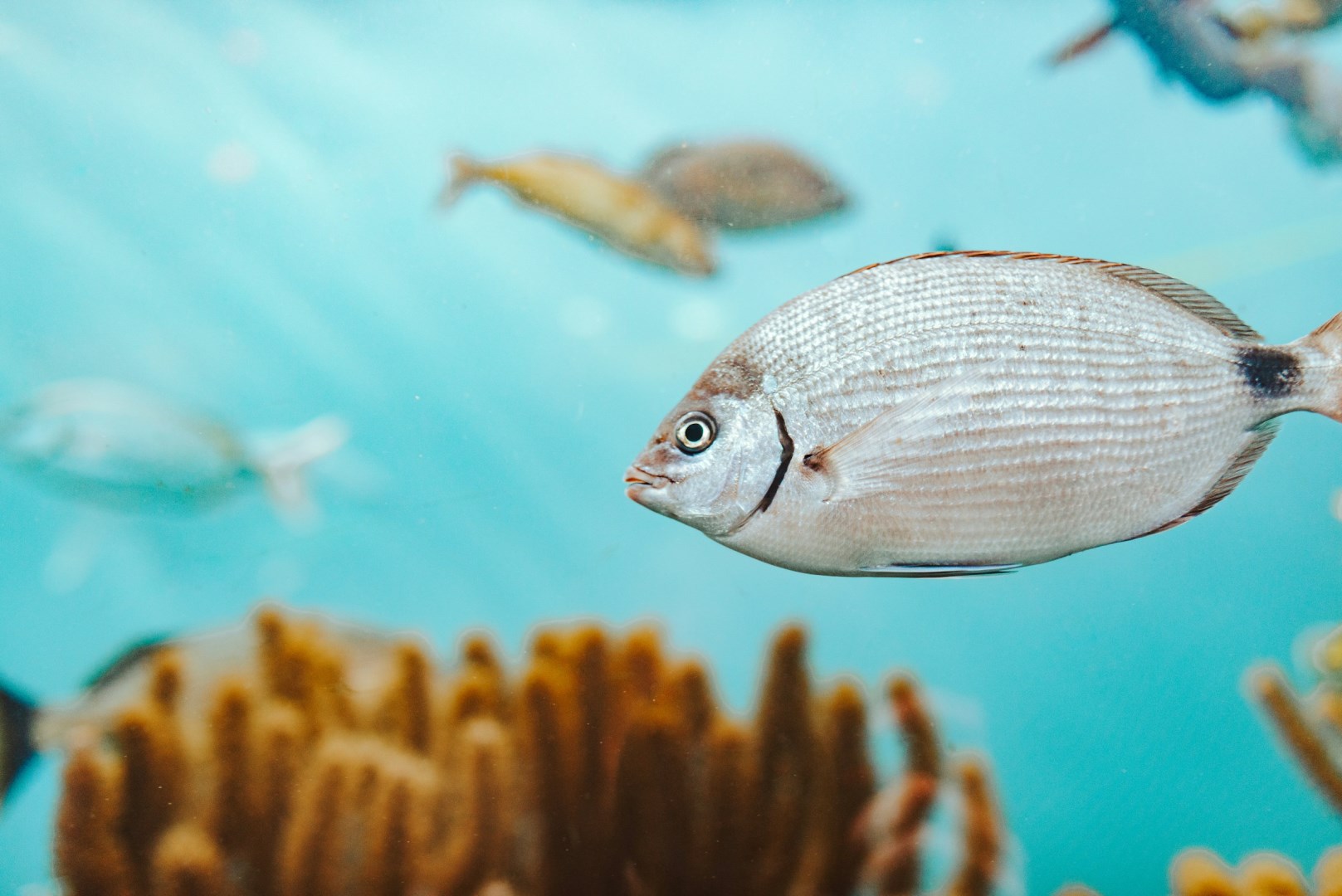
Flatts is a small historic village on Bermuda’s North Shore, centered around Flatt’s Inlet, a narrow waterway connecting Harrington Sound with the Atlantic Ocean. The village is known for its colourful houses, waterfront setting, small docks, and views across the sheltered inlet. Its compact layout gives it a distinctly maritime character, with boats moving through the channel and restaurants and shops gathered close to the water.

Weligama
Weligama is a coastal town in Sri Lanka’s Southern Province, centered on a broad, gently curving bay between Galle and Matara. The sheltered shape of Weligama Bay creates relatively manageable waves along much of the beach, making the town especially well known for beginner-friendly surfing. Fishing remains an important part of local life, with traditional boats operating from the shoreline and the surrounding coast still associated with stilt fishing. The town combines a working coastal setting
Ponce
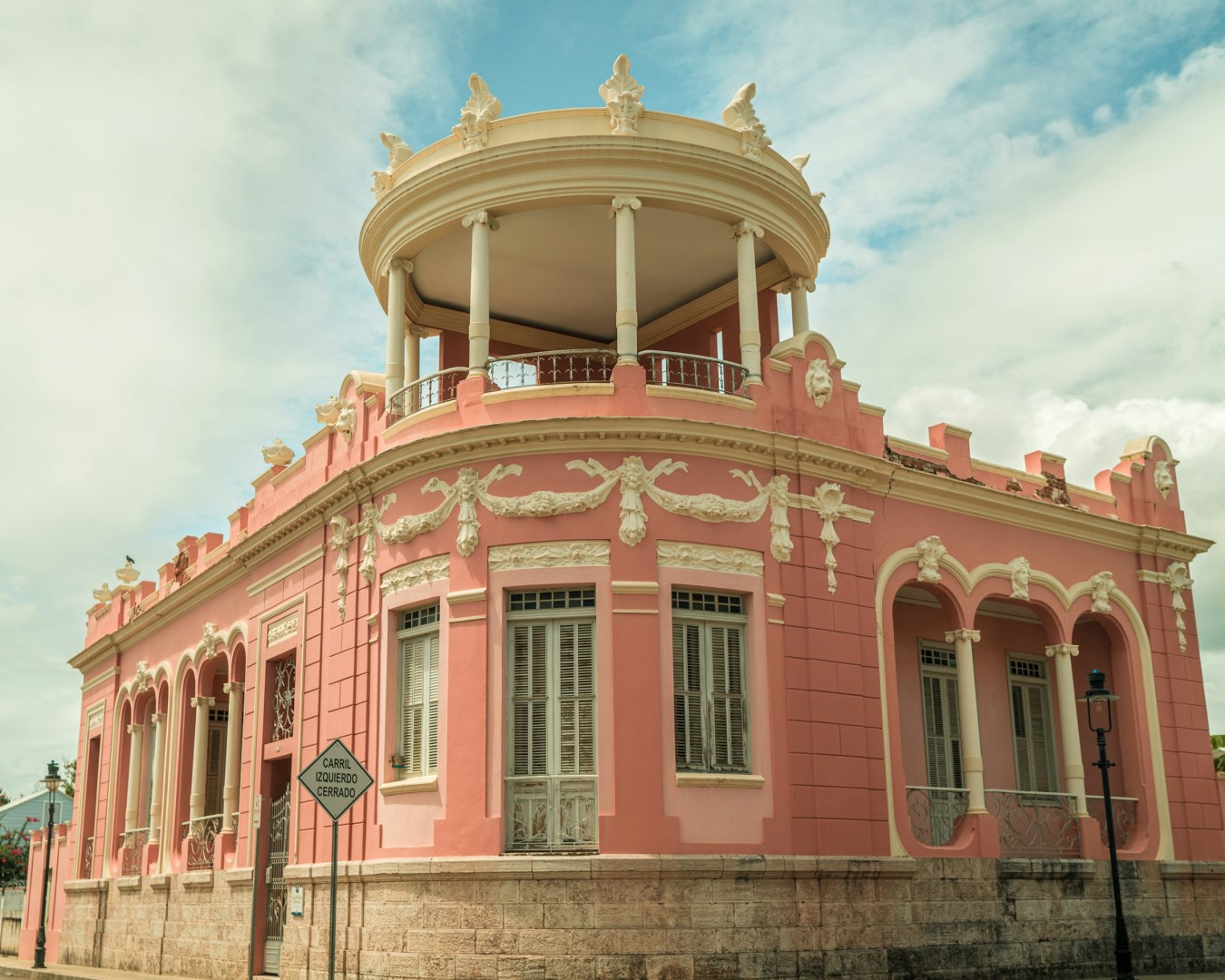
An industrial center and the island's chief Caribbean port. Tourism, sugar refining, and distilling are important. Founded in the early 16th century, it is one of the oldest cities in the Americas.

Shimizu
Shimizu, a picturesque port in Shizuoka City, offers stunning views of Mount Fuji on clear days. Shimizu is known for its rich maritime history, and a culinary highlight is its fresh seafood, particularly tuna. The port boasts the highest tuna catch in Japan, making it a prime destination for sushi fans.