Novi Sad
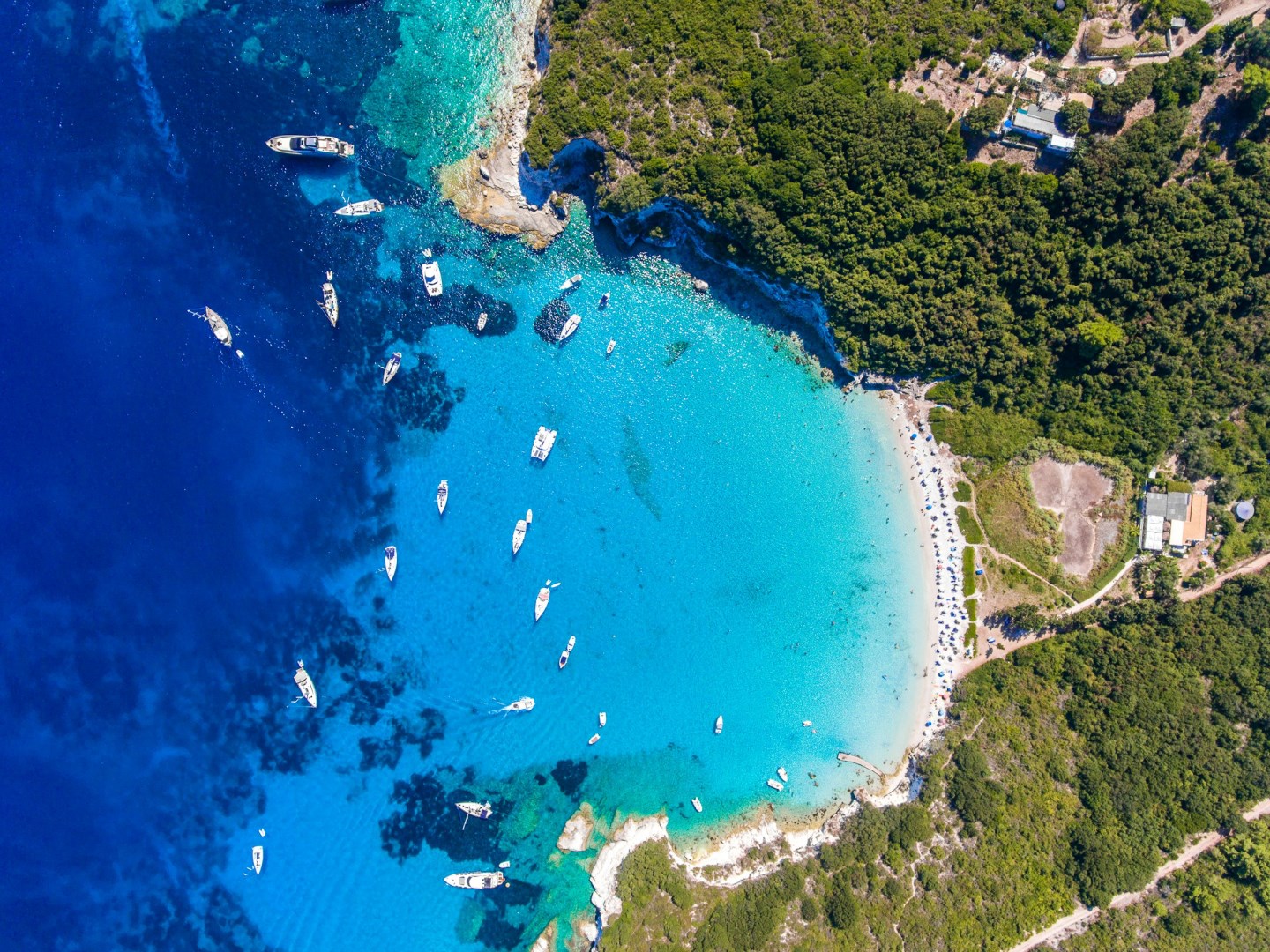
Novi Sad, Serbia’s second-largest city, sits along the banks of the Danube River and has long served as a cultural meeting point in the Balkans. Its centerpiece is Petrovaradin Fortress, a massive 18th-century stronghold nicknamed the "Gibraltar on the Danube." The fortress is known not just for its historic architecture but also for its network of underground tunnels and the iconic clock tower where the hands are reversed, meaning the large hand shows the hour.

Pointe-á-Pitre
Guadeloupe's major center is Pointe-à-Pitre, a conglomeration of old and new buildings clustered around the bustling harborside market. Pointe-a-Pitre is Gudeloupe's most popular city--explore the beaches of Grand-Terre and the French fort ruins and volcanic mountaintop of Basse-Terre.
Yuma
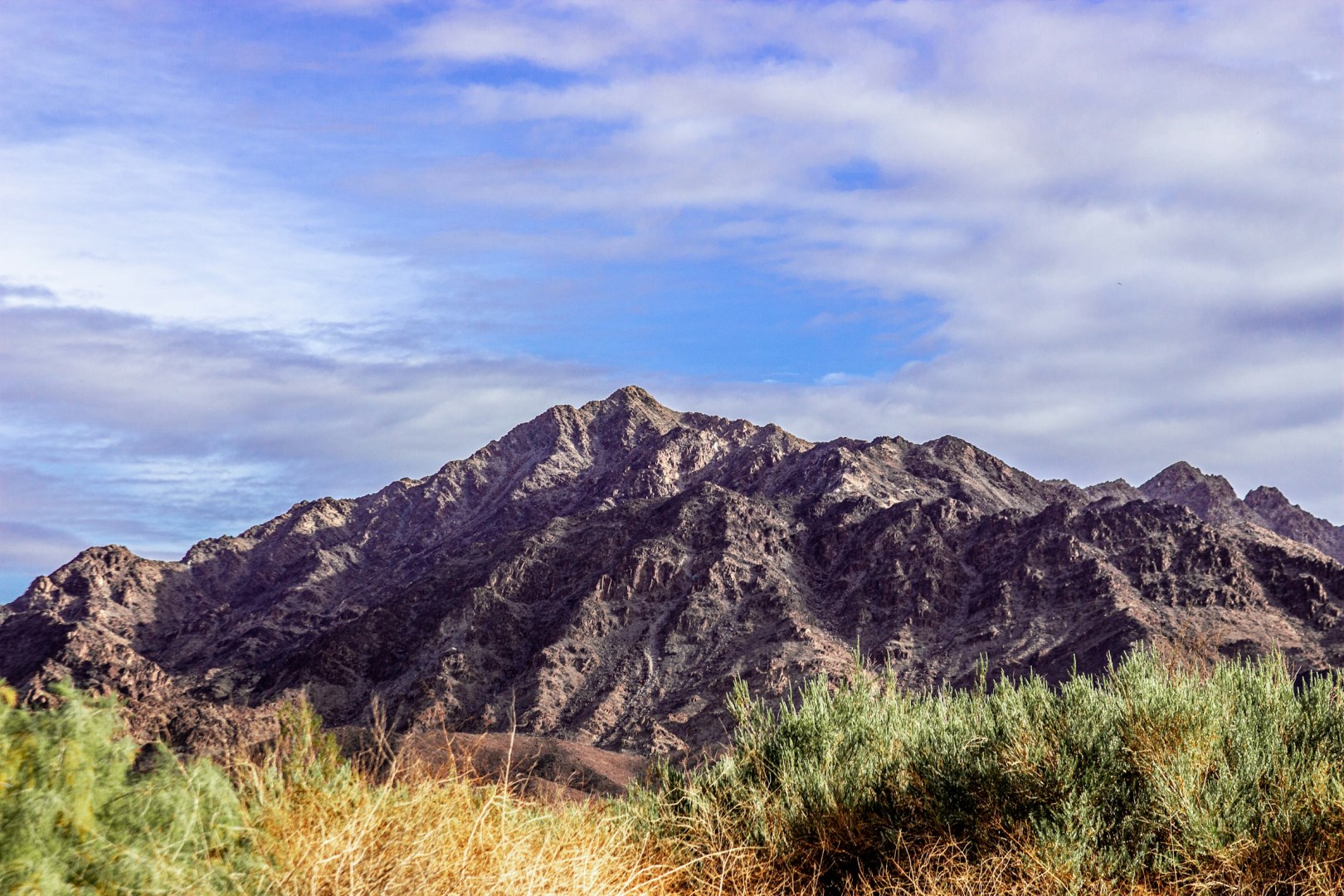
Yuma is a city in southwestern Arizona near the Colorado River, close to the borders with California and Mexico. Its location in the lower Colorado River Valley has made it an important crossing point, agricultural center, and transportation hub in the desert Southwest. The surrounding landscape is characterized by low desert plains, irrigated farmland, sand dunes, and rugged mountains.
Saint-Denis
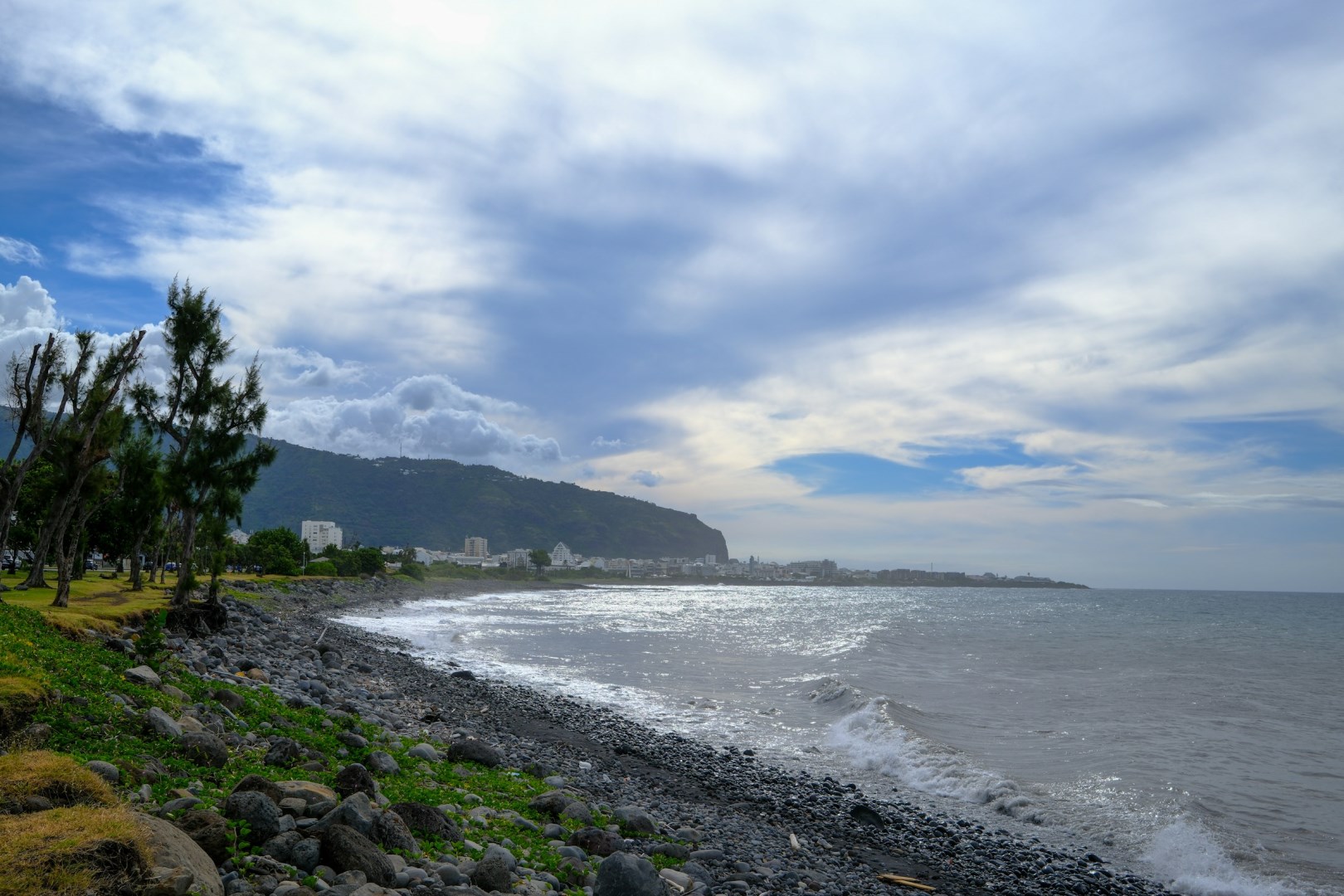
Saint-Denis is the capital and largest city of Réunion, a French island in the southwestern Indian Ocean.
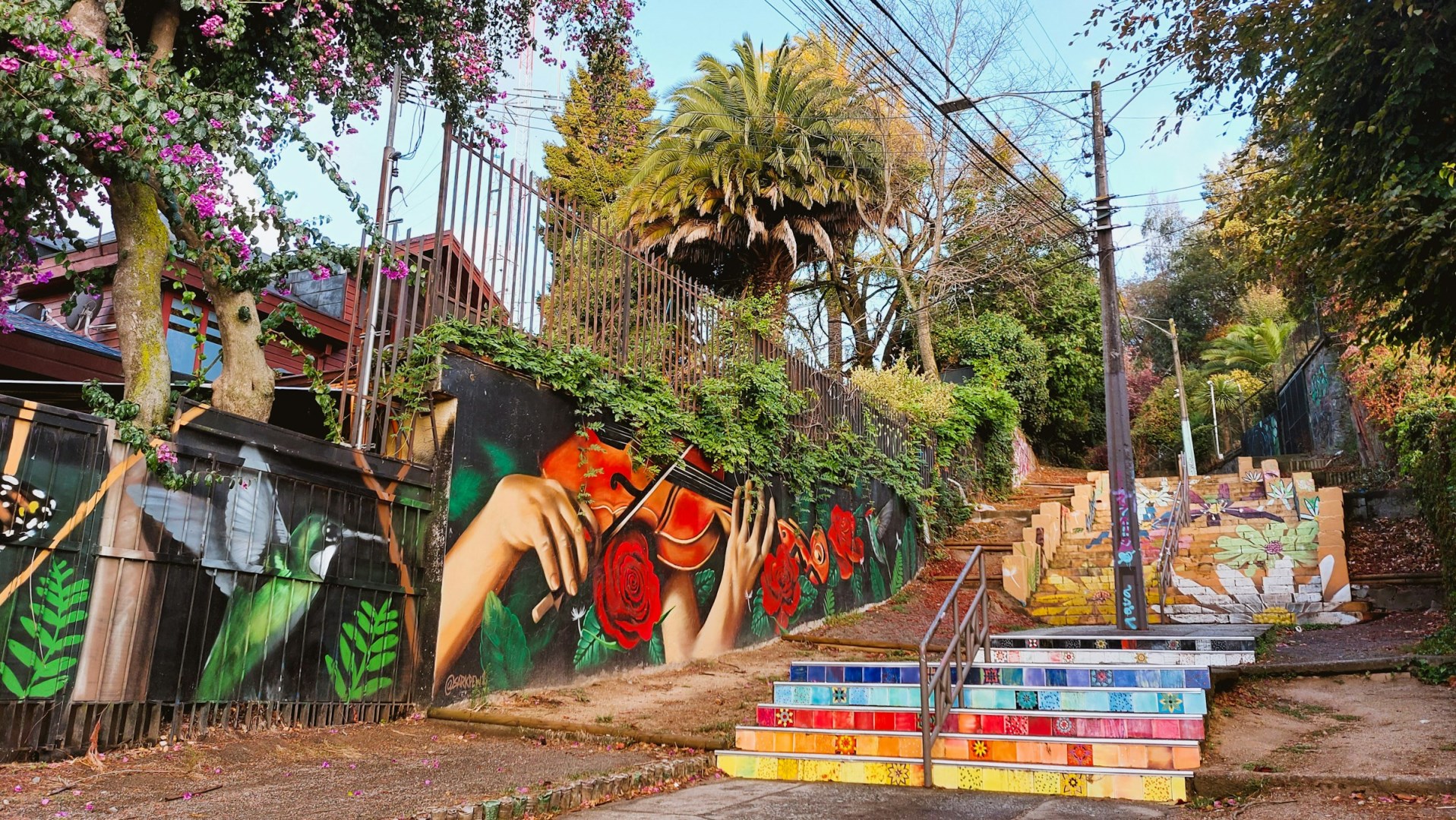
Concepción
The capital of Bio Bio Province, it was founded in 1550 and is Chile's third largest city. It is a major industrial and rail center.