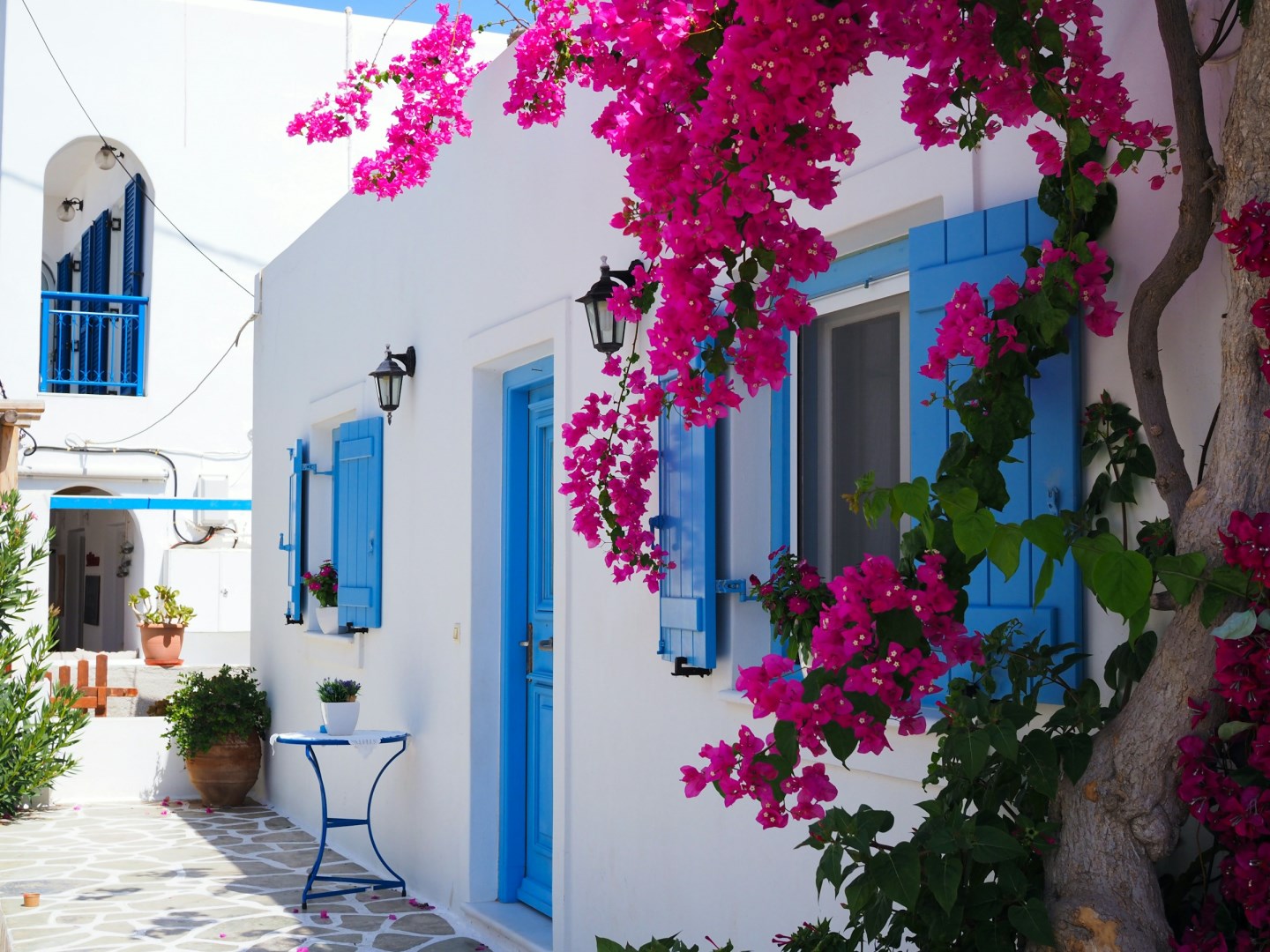
Antiparos is a small Cycladic island in the Aegean Sea, lying just southwest of Paros and reached by a short ferry crossing from the larger island. Its main settlement, Antiparos Town, is arranged around a traditional Venetian castle, with whitewashed houses, narrow lanes, small squares, and a pedestrianized waterfront. The island has a relatively low-key character, with beaches, rocky hills, farmland, and scattered chapels surrounding the town. Its compact size makes it possible to explore much of the island by road, bicycle, or on foot, while small harbours and coastal paths provide access to quieter parts of the shoreline.
Antiparos has a long archaeological and cultural history. The Venetian castle in Antiparos Town was built around a central medieval tower, with houses incorporated into the defensive settlement. The nearby Cave of Antiparos contains stalactites and stalagmites and has been associated with visitors since antiquity. Archaeological remains on the island and nearby Despotiko, including the sanctuary of Apollo, provide evidence of ancient religious activity in the Cyclades. Traditional island churches and rural chapels are scattered throughout Antiparos, reflecting the continuing role of Orthodox Christianity in local life.
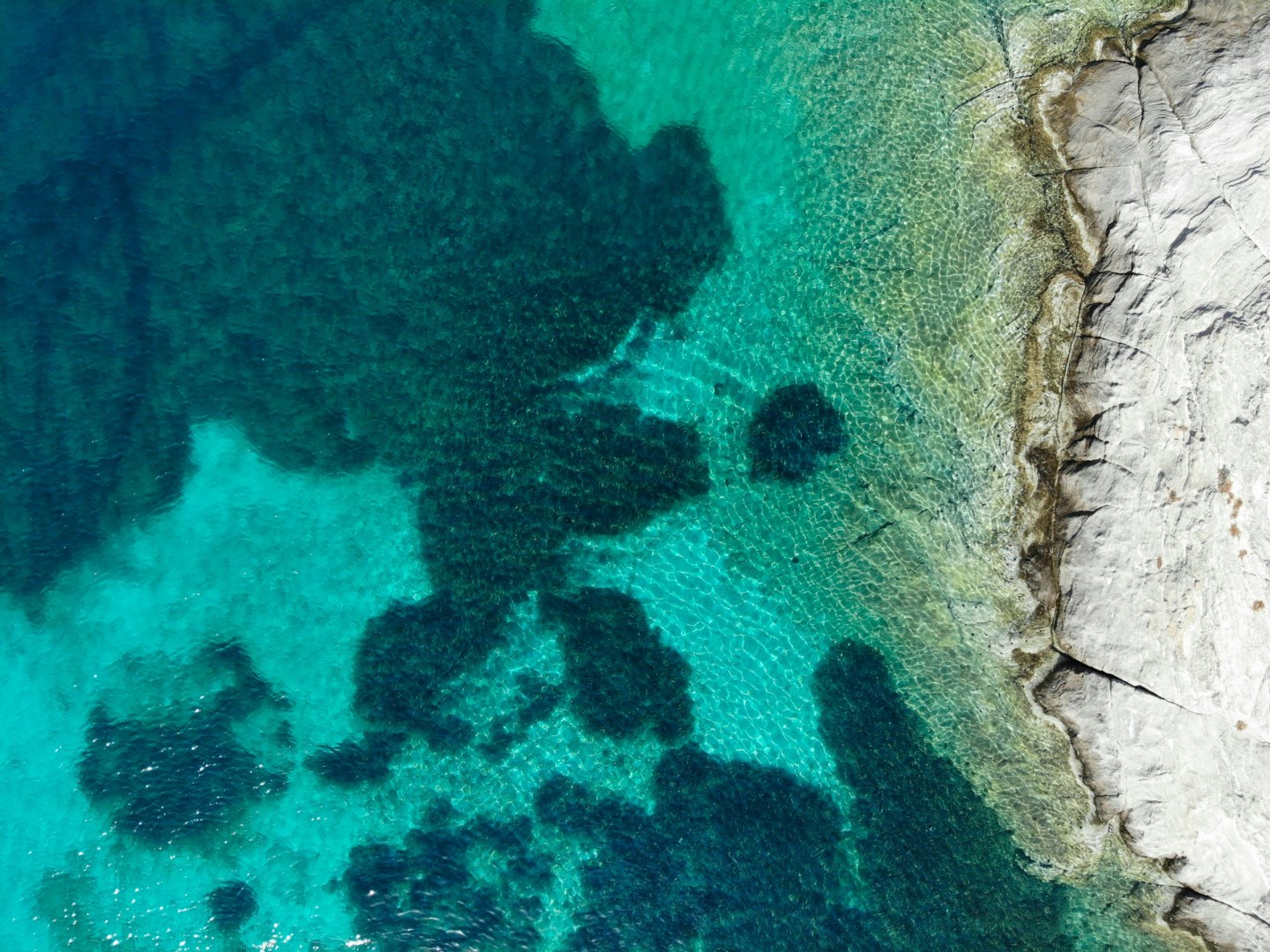
The island’s landscape combines dry hills, rocky coves, sandy beaches, and areas of Mediterranean vegetation. Psaraliki Beach lies close to Antiparos Town, while Soros and Agios Georgios offer beaches farther south along the coast. The small island of Despotiko can be reached by boat and is known for its archaeological site and unspoiled coastline. The Cave of Antiparos is another major attraction, reached by a long staircase descending into the limestone interior. Coastal roads and walking routes provide views across the Aegean toward Paros and the surrounding Cycladic islands.
Antiparos shares the culinary traditions of the Cyclades, with local tavernas serving grilled fish, octopus, fresh seafood, cheeses, vegetables, and dishes based on locally produced olive oil. Traditional specialties from the wider region include fava, kopanisti-style cheeses, and slow-cooked meats, while fresh catch is common in seaside restaurants. The island also produces honey and other agricultural products on a small scale. Antiparos Town has a concentration of tavernas, cafés, and small shops around its pedestrian streets, while the surrounding villages and coastal areas offer a quieter setting for experiencing local food and island life.